
 IN
Non-Magnetic Whiteboards
6 products available
What are Non-Magnetic Whiteboards?
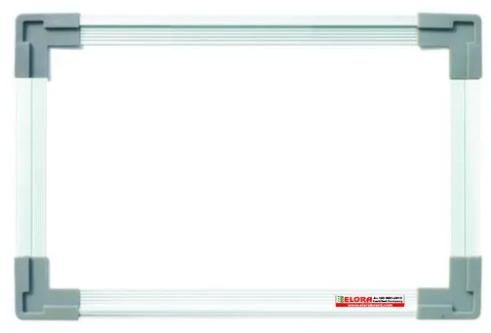
Non-Magnetic Whiteboards are specialized writing surfaces that do not possess magnetic properties. Typically made from materials such as melamine or painted steel, these boards offer a smooth surface for writing with dry-erase markers. Their design allows for easy cleaning and is particularly beneficial in environments where magnetic attachments are not required.
These whiteboards find extensive use in various business settings, including classrooms, meeting rooms, and training facilities. They facilitate brainstorming sessions, presentations, and collaborative work. Their lightweight construction makes them easy to mount or move, enhancing their versatility in different environments.
In terms of market relevance, Non-Magnetic Whiteboards cater to a broad range of industries. They are preferred in educational sectors, corporate offices, and even healthcare facilities where simple and effective communication tools are necessary. The growing emphasis on interactive learning and collaboration in workplaces further drives the demand for these products.
Key Features and Specifications
Non-Magnetic Whiteboards offer a variety of features that enhance their usability and effectiveness in different settings. These boards are designed to withstand frequent use while providing a reliable writing surface.
Key specifications include:
1. Surface Material
- Typically made from melamine or painted steel
- Smooth finish for easy writing and erasing
2. Size Options
- Available in various dimensions to suit different needs
- Common sizes include 48x36 inches, 60x40 inches, and customizable dimensions
3. Frame Material
- Usually constructed from aluminum or plastic
- Lightweight and durable, ensuring longevity
4. Installation Type
- Wall-mounted or portable options available
- Easy installation process with included mounting hardware
5. Color Options
- Typically available in white, though other colors may be offered
- Custom colors may be available upon request
6. Surface Finish
- Glossy or matte finishes available to suit user preferences
- Matte finishes reduce glare, making them easier to read
7. Cleaning Requirements
- Designed for easy cleaning with standard dry-erase cleaners
- Resistant to staining and ghosting
8. Warranty
- Often comes with a warranty period to assure quality
- Typical warranty ranges from 1 to 5 years depending on the manufacturer
These features make Non-Magnetic Whiteboards an excellent choice for a variety of professional and educational applications.
Common Applications and Use Cases
Non-Magnetic Whiteboards are utilized across several industries, showcasing their versatility and functionality.
1. Education: In schools and universities, these boards are essential for teaching, allowing educators to present information clearly and engage students during lessons.
2. Corporate Offices: Businesses use these boards during meetings to outline agendas, brainstorm ideas, and facilitate discussions among teams.
3. Training Facilities: Non-Magnetic Whiteboards are ideal for training sessions, enabling instructors to explain concepts and interact with participants effectively.
4. Healthcare Settings: Hospitals and clinics use these boards to communicate important information among staff, ensuring clear and concise messaging in high-pressure environments.
5. Creative Spaces: Art studios and design firms utilize these boards for sketching ideas and brainstorming, providing a flexible canvas for creative professionals.
6. Workshops: In technical workshops, these boards serve as a tool for instructors to demonstrate processes and share critical information with attendees.
7. Event Planning: Event coordinators use Non-Magnetic Whiteboards to organize tasks and visualize timelines, aiding in efficient planning.
Product Variants and Subcategories
Non-Magnetic Whiteboards come in various forms to meet different needs and preferences within the market.
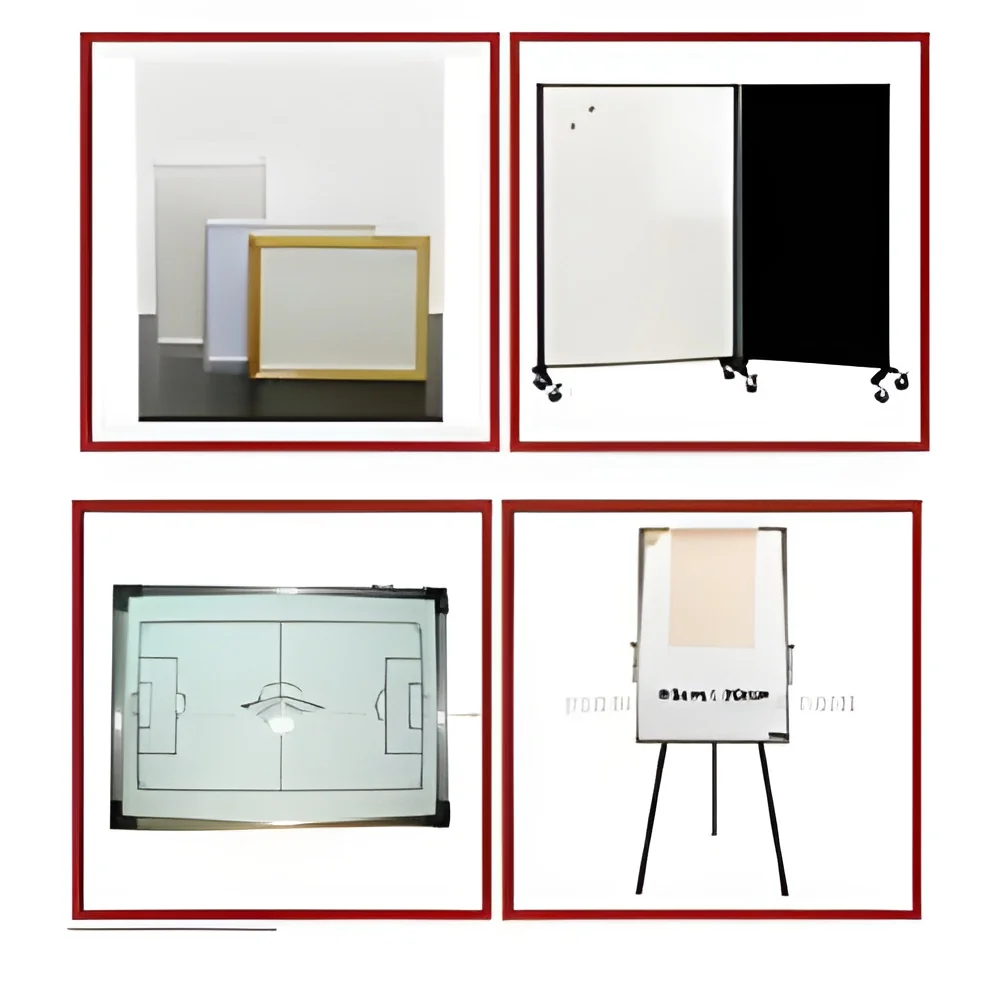
Standard Non-Magnetic Whiteboard
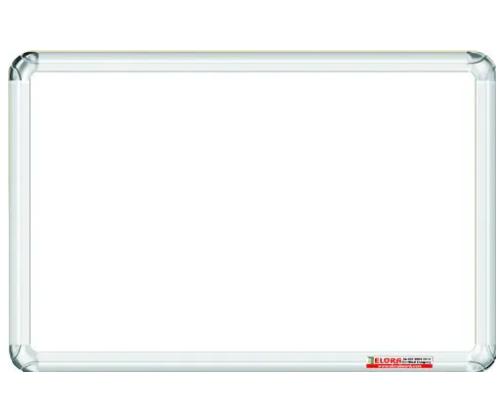
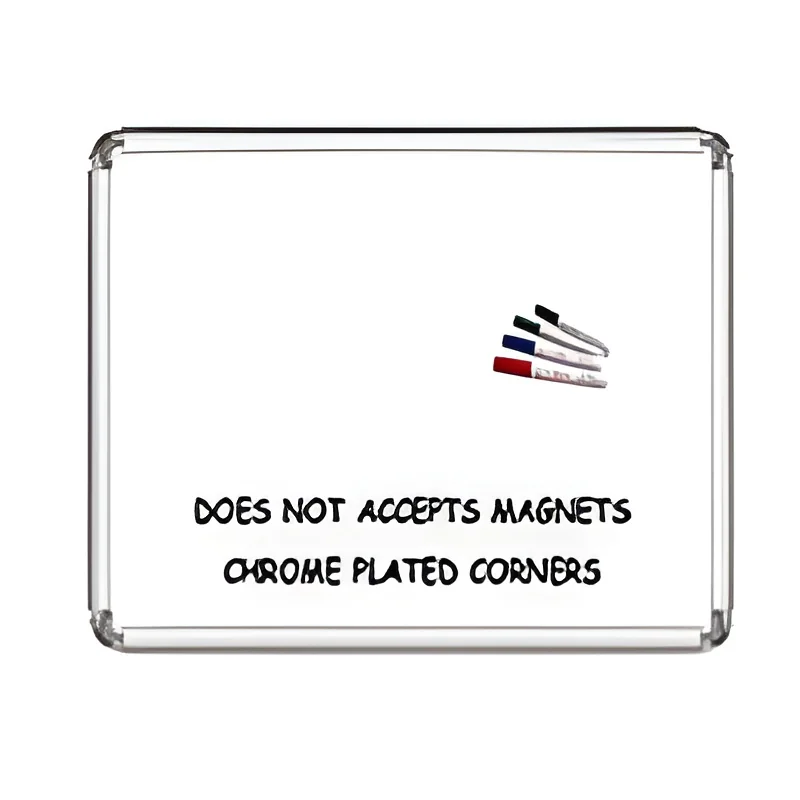
This variant features a smooth surface ideal for everyday writing. It is lightweight and available in multiple sizes, making it perfect for classrooms and offices.
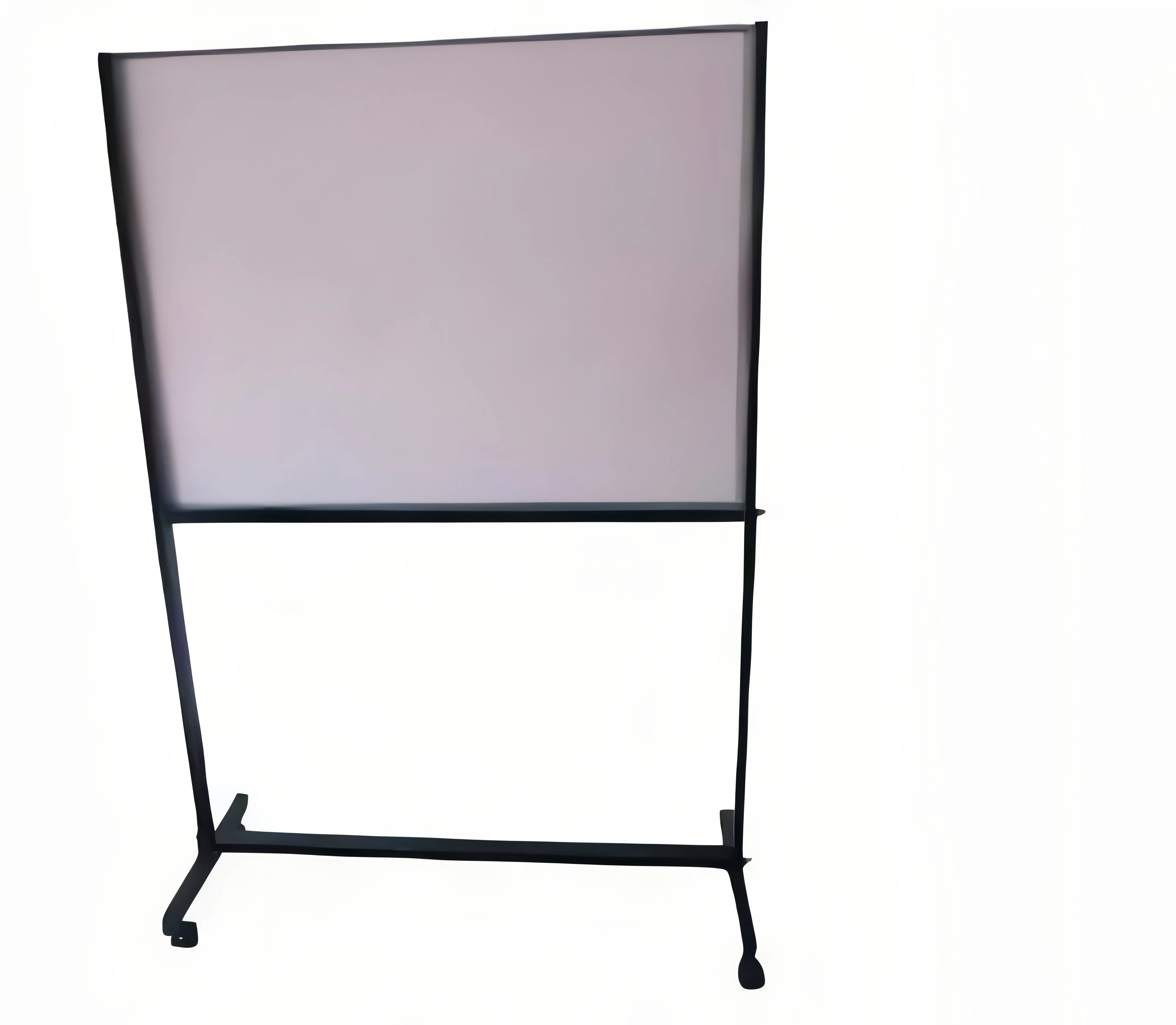
Portable Non-Magnetic Whiteboard
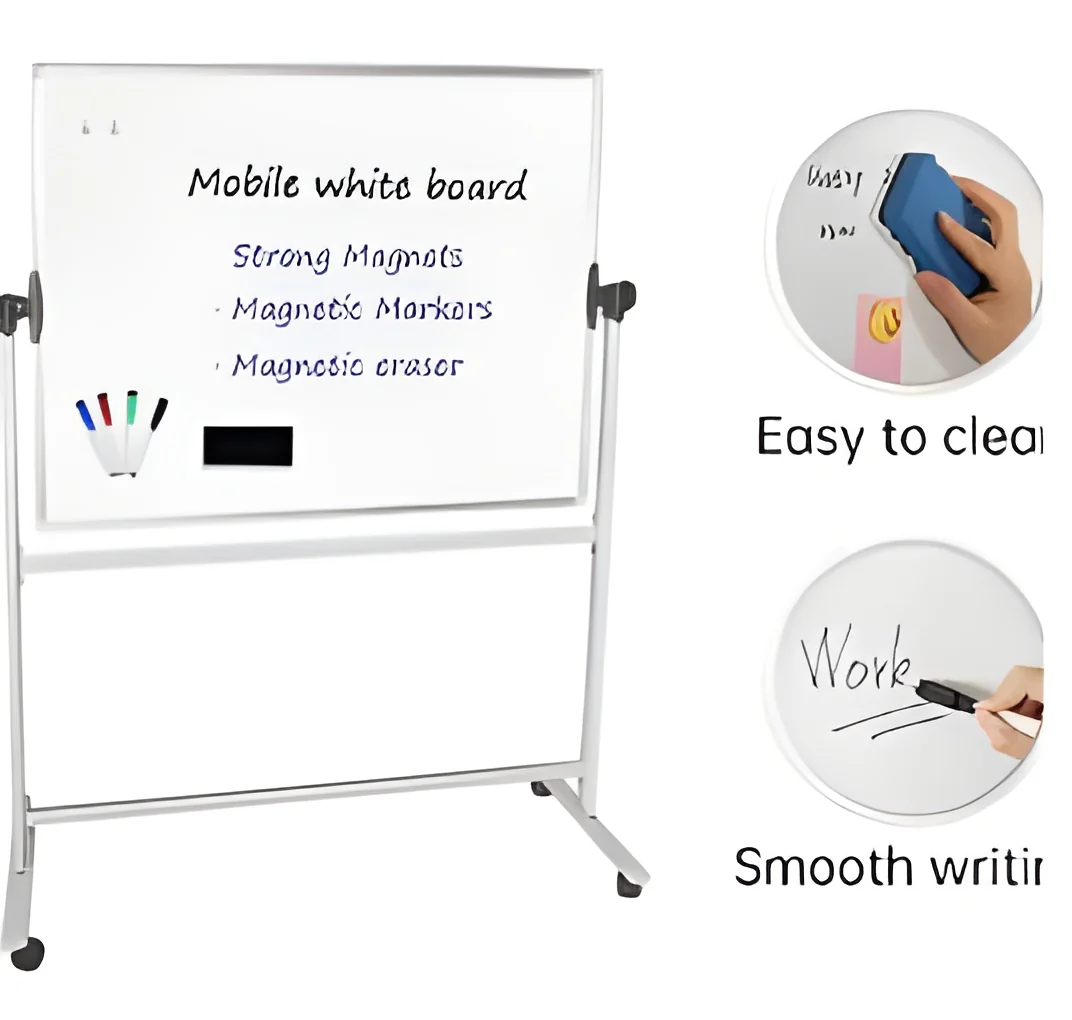
Designed for mobility, this variant often includes wheels and a foldable frame. It is excellent for presentations and group discussions in various locations.
Wall-Mounted Non-Magnetic Whiteboard
This variant is fixed to walls, providing a permanent writing solution in places such as conference rooms or classrooms. Its sturdy construction supports frequent use.
Magnetic-Resistant Non-Magnetic Whiteboard
While primarily non-magnetic, this variant is designed to resist magnetization, ensuring that it remains a reliable writing surface without attracting metal objects.
Benefits and Advantages
Non-Magnetic Whiteboards offer several benefits that make them a preferred choice for businesses and educational institutions.
1. Cost-Effective: These boards are generally more affordable than their magnetic counterparts, making them accessible for various budgets.
2. Lightweight and Portable: Their lightweight construction allows for easy handling and relocation, ideal for dynamic environments requiring flexibility.
3. Easy Maintenance: The smooth surfaces are easy to clean and maintain, minimizing long-term upkeep costs.
4. Versatile Use: Suitable for a range of applications, these boards can be used in classrooms, offices, and various other settings.
5. Customized Options: Many suppliers offer customization in size and color, allowing buyers to tailor products to their specific needs.
6. Enhanced Collaboration: They facilitate teamwork and brainstorming sessions, helping teams communicate effectively and visually organize ideas.
Buying Guide for B2B Buyers
When sourcing Non-Magnetic Whiteboards, it is essential for B2B buyers to consider several key factors to ensure a satisfactory purchase.
1. Quality Assessment: Evaluate the quality of materials used in the whiteboards. Look for boards that are durable and resistant to staining and ghosting to guarantee long-term usability.
2. Supplier Verification: Conduct thorough research on potential suppliers. Verify their reputation, certifications, and reliability to ensure you are working with a reputable partner.
3. Pricing and MOQ: Understand the pricing structure and minimum order quantities (MOQ) of the suppliers. This information helps in budgeting and ensures you meet your needs without overspending.
4. Delivery and Lead Times: Inquire about delivery options and lead times. Timely delivery is crucial to ensure that you receive your products when required.
5. Compliance Requirements: Check for any compliance needs or industry standards that must be met. Ensure the products adhere to relevant regulations to avoid legal issues.
Compliance and Certifications
Non-Magnetic Whiteboards must adhere to various compliance and certification standards to ensure quality and safety.
Quality standards such as ISO 9001 are significant, as they indicate that the manufacturing processes meet established quality management criteria. This certification assures buyers of the product's reliability and performance.
Additionally, these boards may carry the CE mark, which signifies compliance with European health, safety, and environmental protection standards. This certification is critical for products sold within the European market.
Safety and testing requirements also play a crucial role. Non-Magnetic Whiteboards should be tested for durability and usability to ensure they meet industry standards.
Regional compliance considerations may vary depending on the market. Buyers should be aware of local regulations that may affect the manufacturing and distribution of these products.
Why Source Non-Magnetic Whiteboards from Pepagora?
Pepagora serves as a trusted platform for sourcing Non-Magnetic Whiteboards, offering several key advantages to B2B buyers.
Verified Supplier Network: The platform features a comprehensive network of verified suppliers, ensuring that buyers can find reputable manufacturers with proven track records.
Streamlined RFQ Process: Pepagora simplifies the request for quotation (RFQ) process, allowing buyers to efficiently compare quotes and select the best options for their needs.
Trade Assurance and Support: Buyers benefit from trade assurance programs that protect their purchases, ensuring they receive quality products and support throughout the transaction.
Regional Coverage: With a presence in India, the GCC, and Southeast Asia, Pepagora provides extensive geographic reach, making sourcing convenient for businesses in various locations.
This combination of features makes Pepagora an ideal choice for sourcing Non-Magnetic Whiteboards, helping buyers make informed decisions while ensuring quality and reliability.

Frequently Asked Questions
What are Non-Magnetic Whiteboards?
Non-Magnetic Whiteboards are writing surfaces that do not contain magnetic properties, making them suitable for various environments such as classrooms, offices, and meeting rooms. They are typically made from materials like melamine, porcelain, or glass, which allow for easy writing and erasing.
What are the different types of Non-Magnetic Whiteboards?
The different types of Non-Magnetic Whiteboards include melamine whiteboards, which are cost-effective and lightweight; porcelain whiteboards, known for their durability and smooth surface; and glass whiteboards that offer a modern aesthetic and are easy to clean. Each type caters to different needs and preferences.
How do I choose the right Non-Magnetic Whiteboards?
When choosing Non-Magnetic Whiteboards, consider factors such as the intended use, size, and material. Evaluate the surface type for ease of cleaning, durability, and whether it suits your writing style, as well as any additional features like mounting options or frame styles.
What are the standard specifications for Non-Magnetic Whiteboards?
Standard specifications for Non-Magnetic Whiteboards include dimensions (available in various sizes), surface material (melamine, porcelain, or glass), and thickness. Additionally, they may include features such as a frame type, mounting hardware, and warranty information.
What is the price range for Non-Magnetic Whiteboards?
The price range for Non-Magnetic Whiteboards typically varies based on size and material. On average, prices can range from INR 1,000 to INR 10,000, depending on the quality and brand.
What quality standards apply to Non-Magnetic Whiteboards?
Quality standards for Non-Magnetic Whiteboards often include durability, surface smoothness, and resistance to staining and ghosting. Manufacturers may adhere to specific industry standards to ensure their products meet customer expectations for performance and longevity.
Where can I find Non-Magnetic Whiteboards suppliers in India?
You can find Non-Magnetic Whiteboards suppliers in India through various online B2B marketplaces, industry trade shows, and local office supply stores. Pepagora.com also provides a platform to connect with reliable manufacturers and suppliers.
Can Non-Magnetic Whiteboards be customized?
Yes, Non-Magnetic Whiteboards can often be customized in terms of size, color, and surface design. Some manufacturers offer options for printed graphics or branding, making them suitable for specific educational or corporate environments.
What is the typical minimum order quantity for Non-Magnetic Whiteboards?
The typical minimum order quantity (MOQ) for Non-Magnetic Whiteboards varies by supplier but usually starts from 10 to 50 units. It's advisable to check with individual suppliers for their specific MOQ requirements.
What is the typical lead time for Non-Magnetic Whiteboards?
The typical lead time for Non-Magnetic Whiteboards can range from 2 to 4 weeks, depending on the supplier and whether the boards are customized. Factors such as order volume and production capacity can also affect delivery times.
Why Businesses Trust Pepagora
Thousands of companies trust Pepagora to source smarter and sell faster
Expand Your Sales Globally

Source Smarter,Grow Faster
