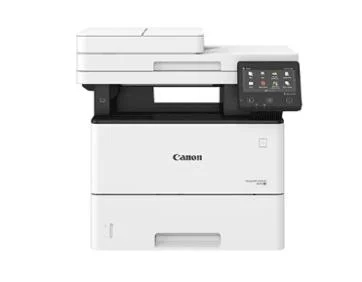
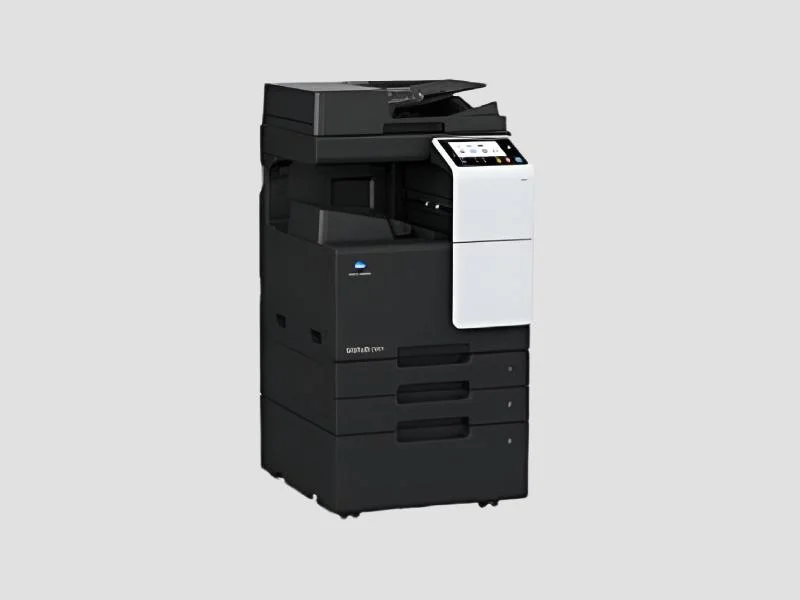
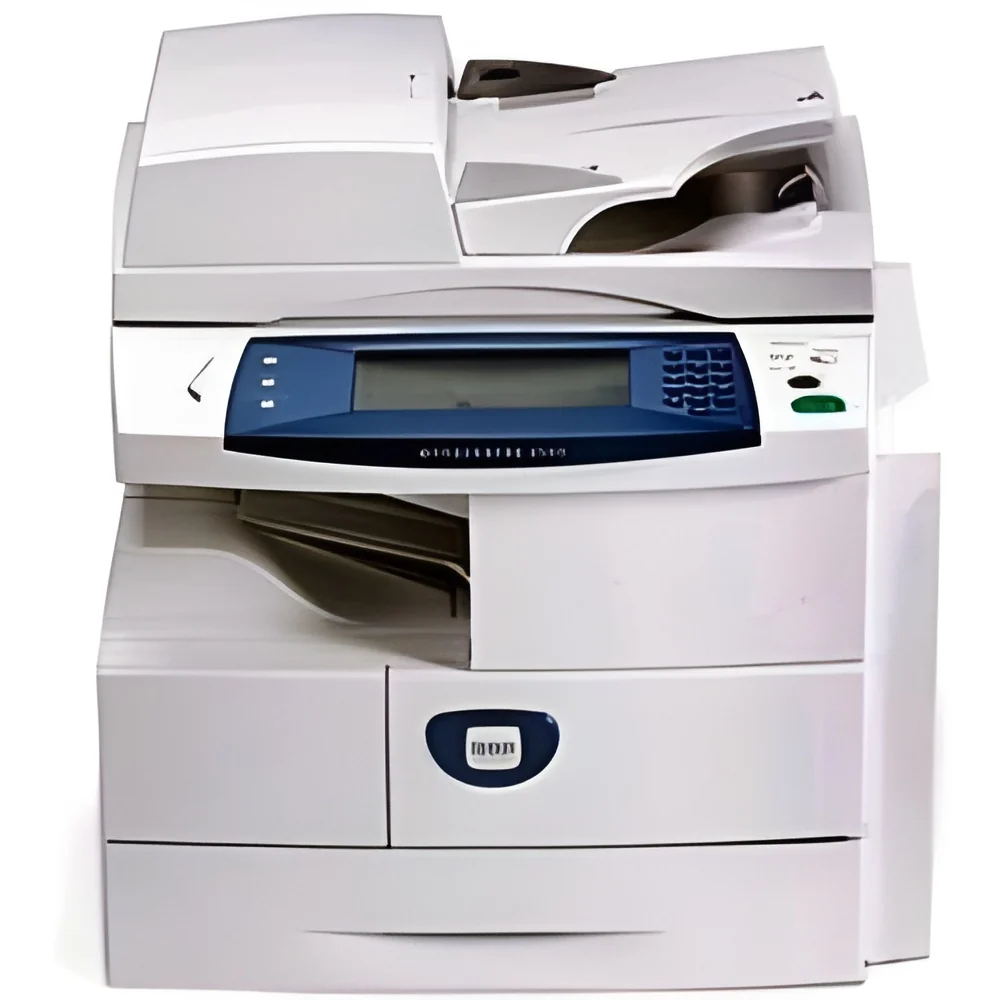
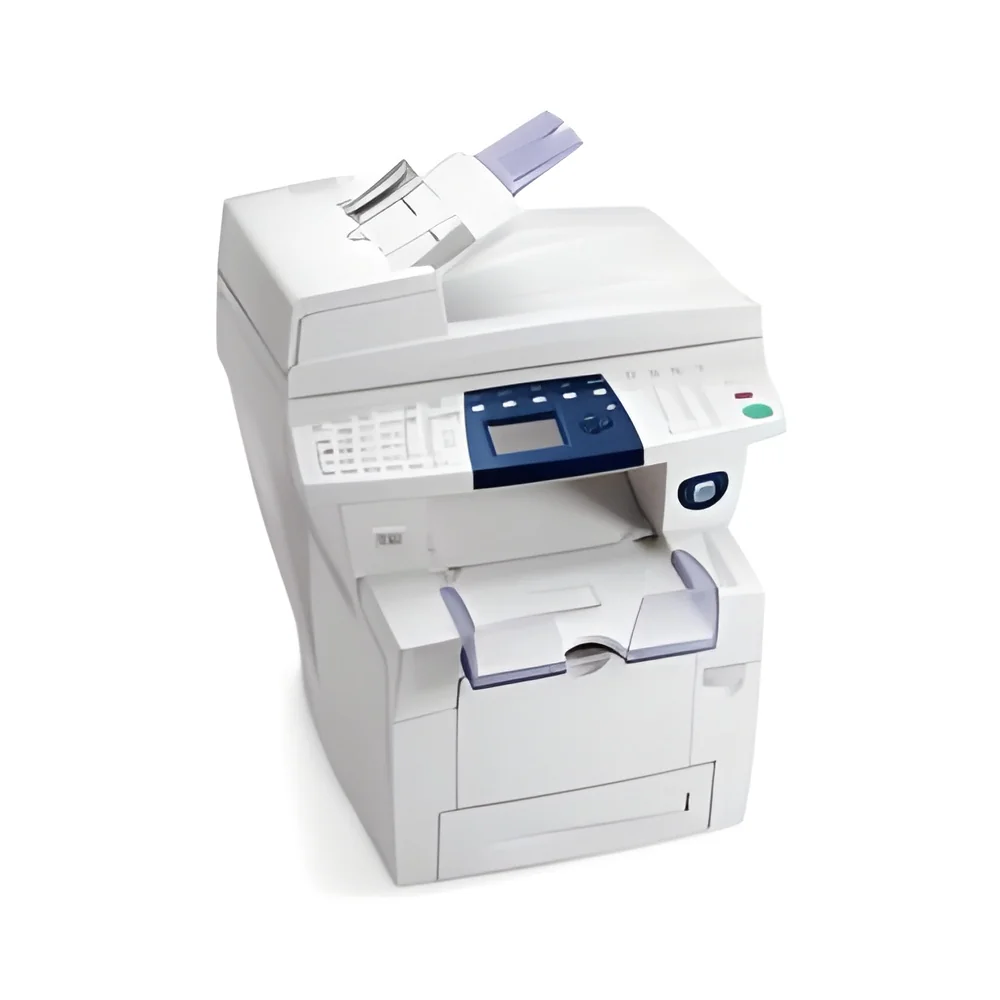
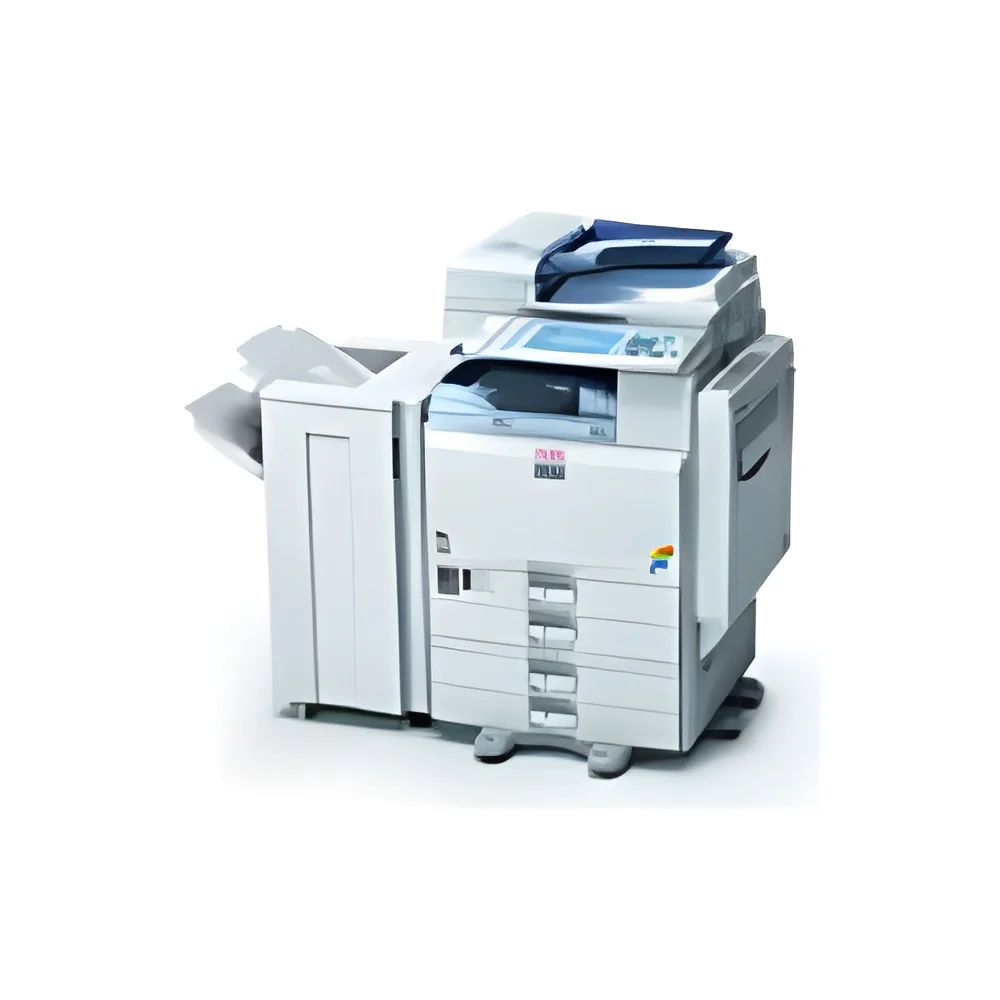
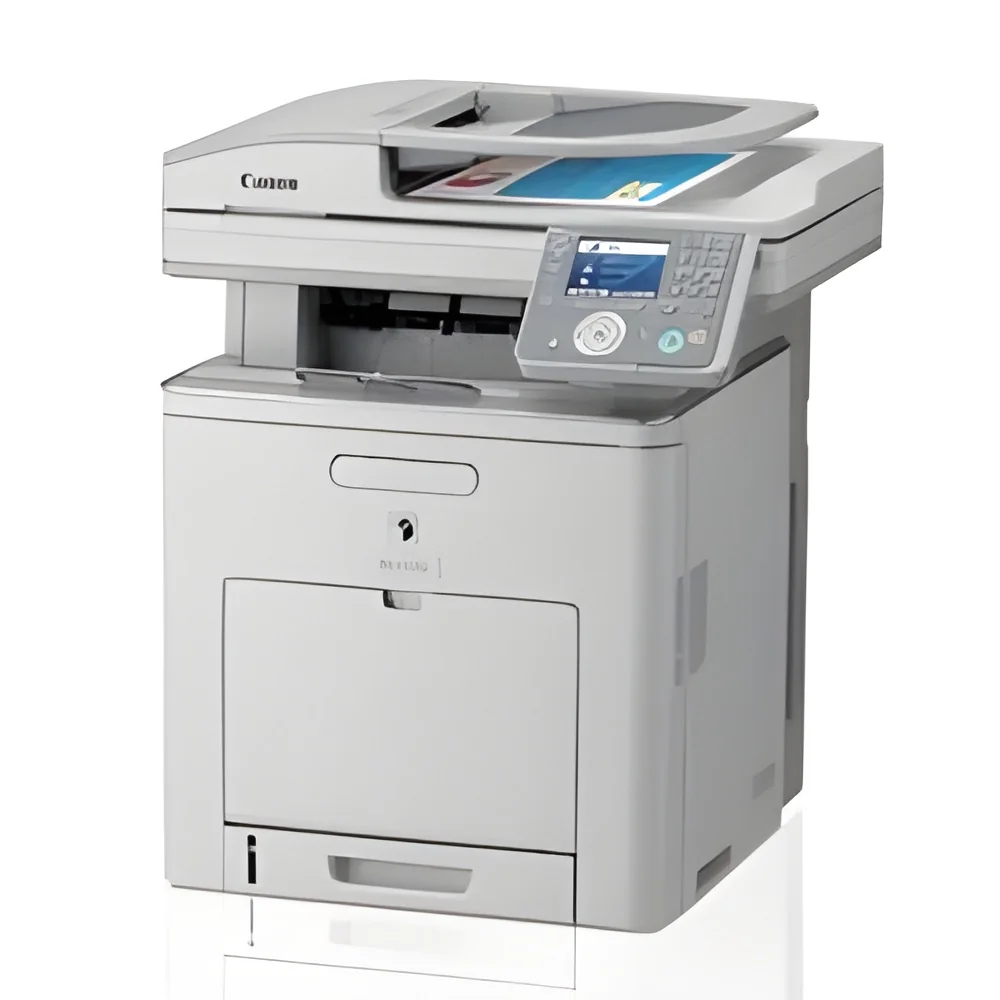
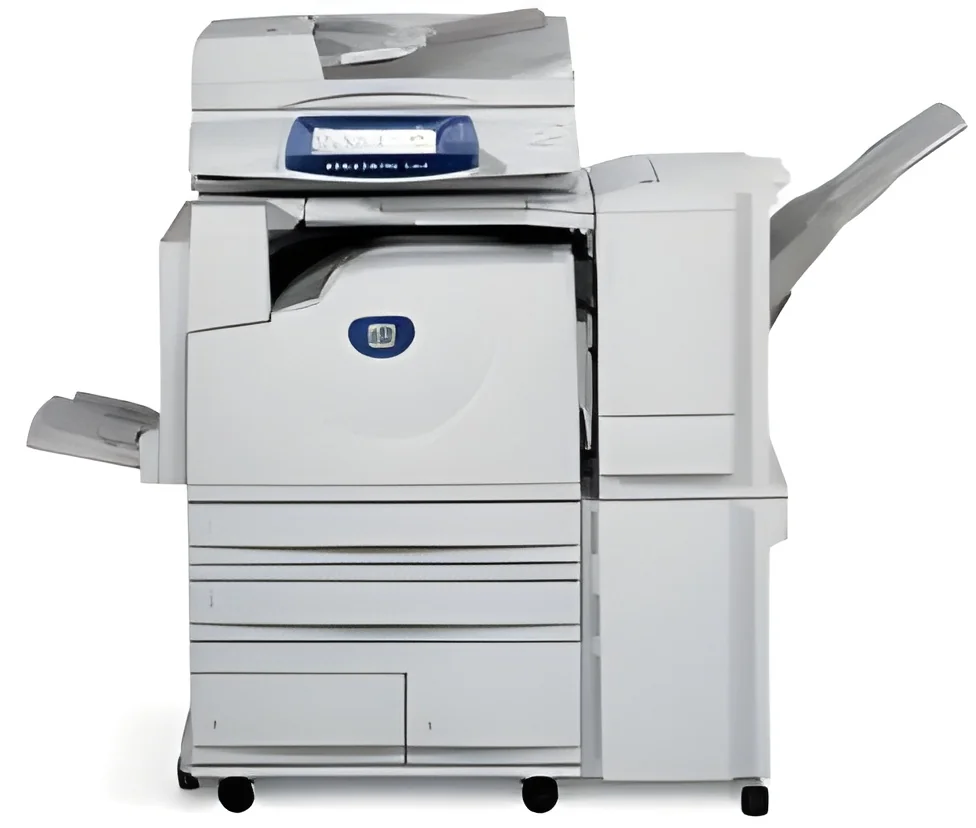
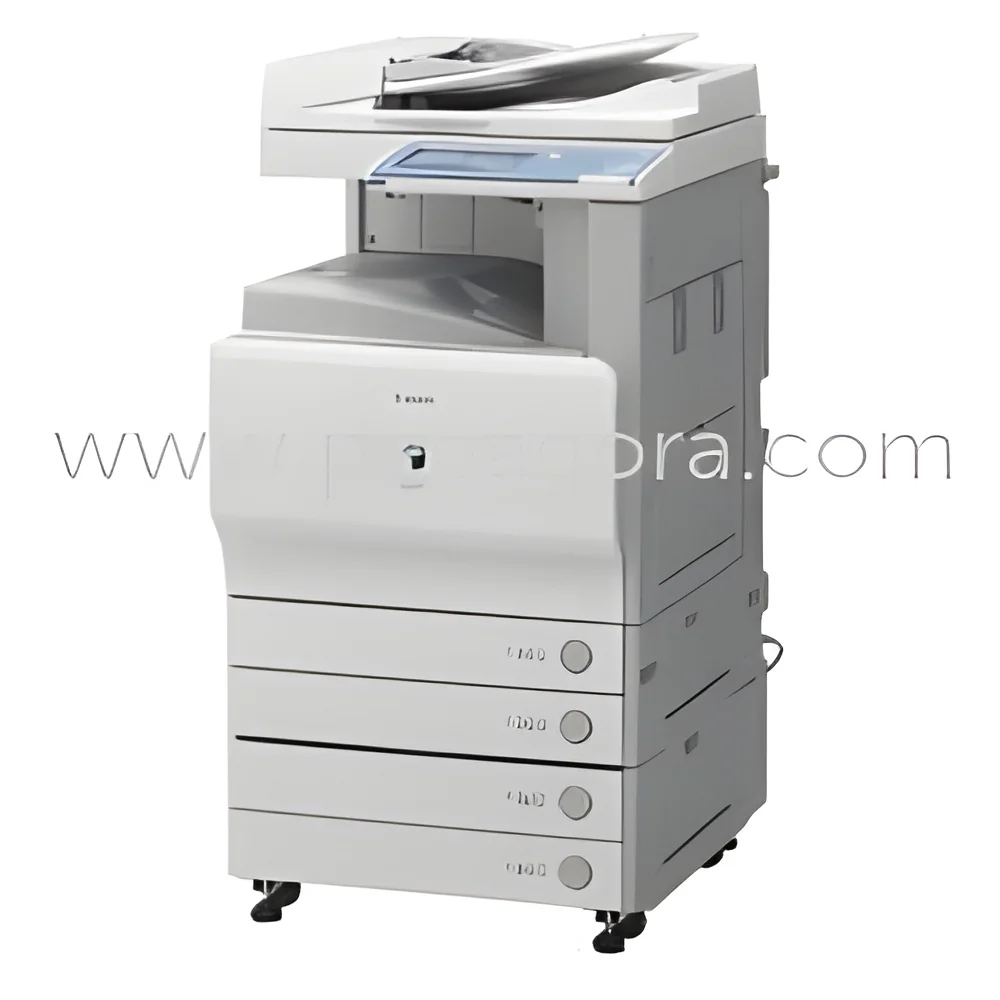
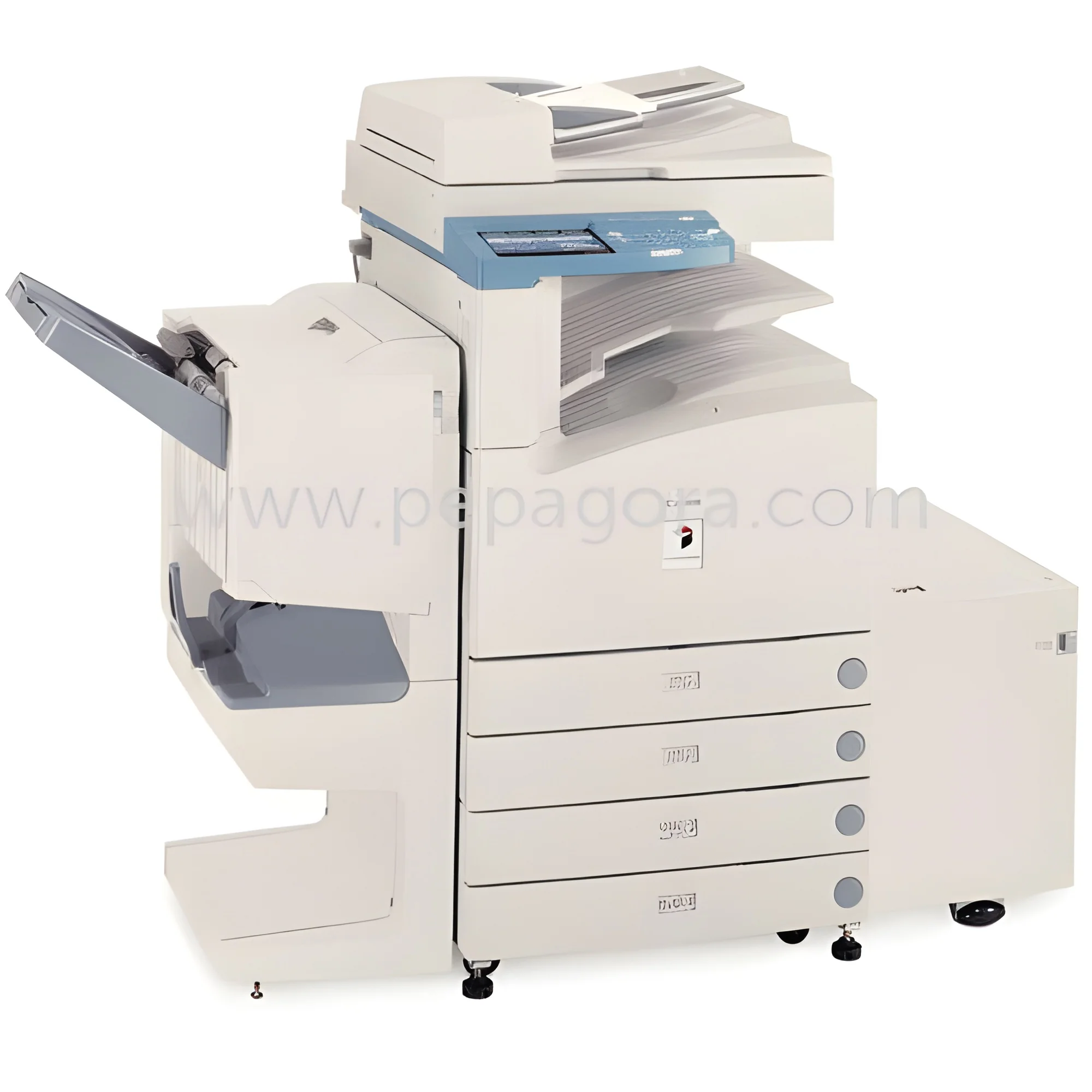
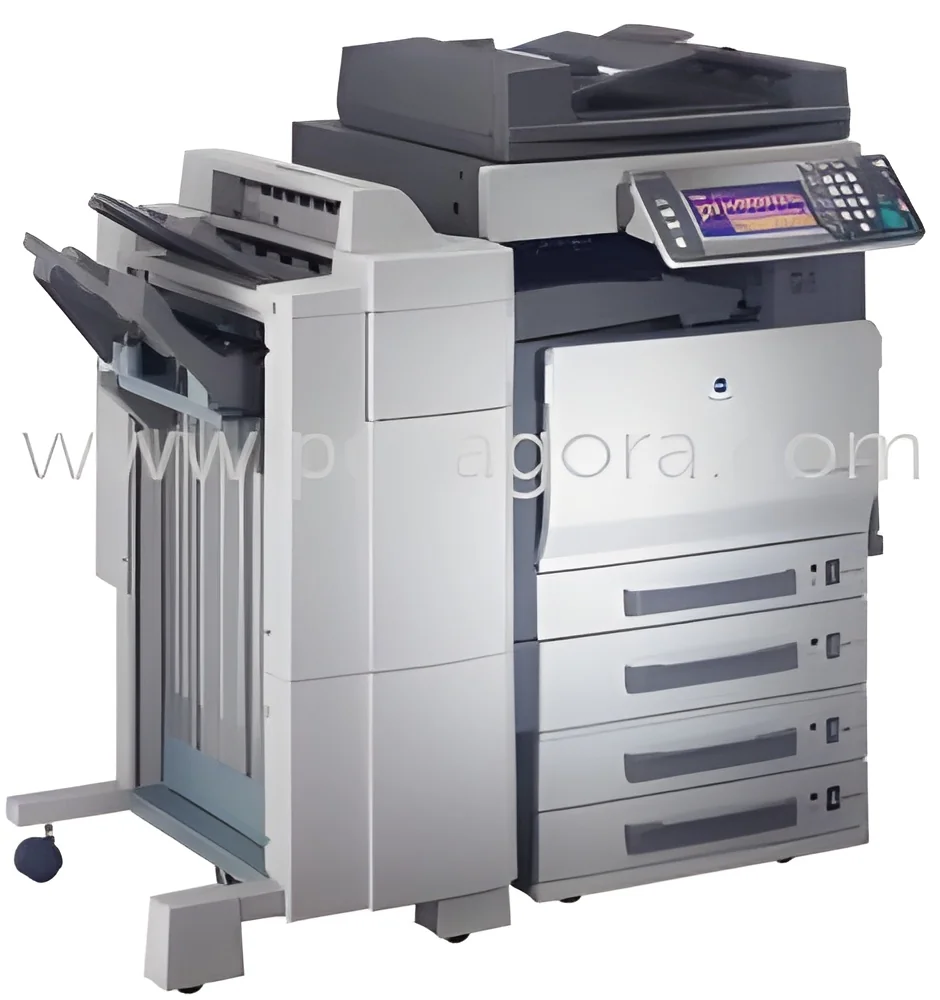
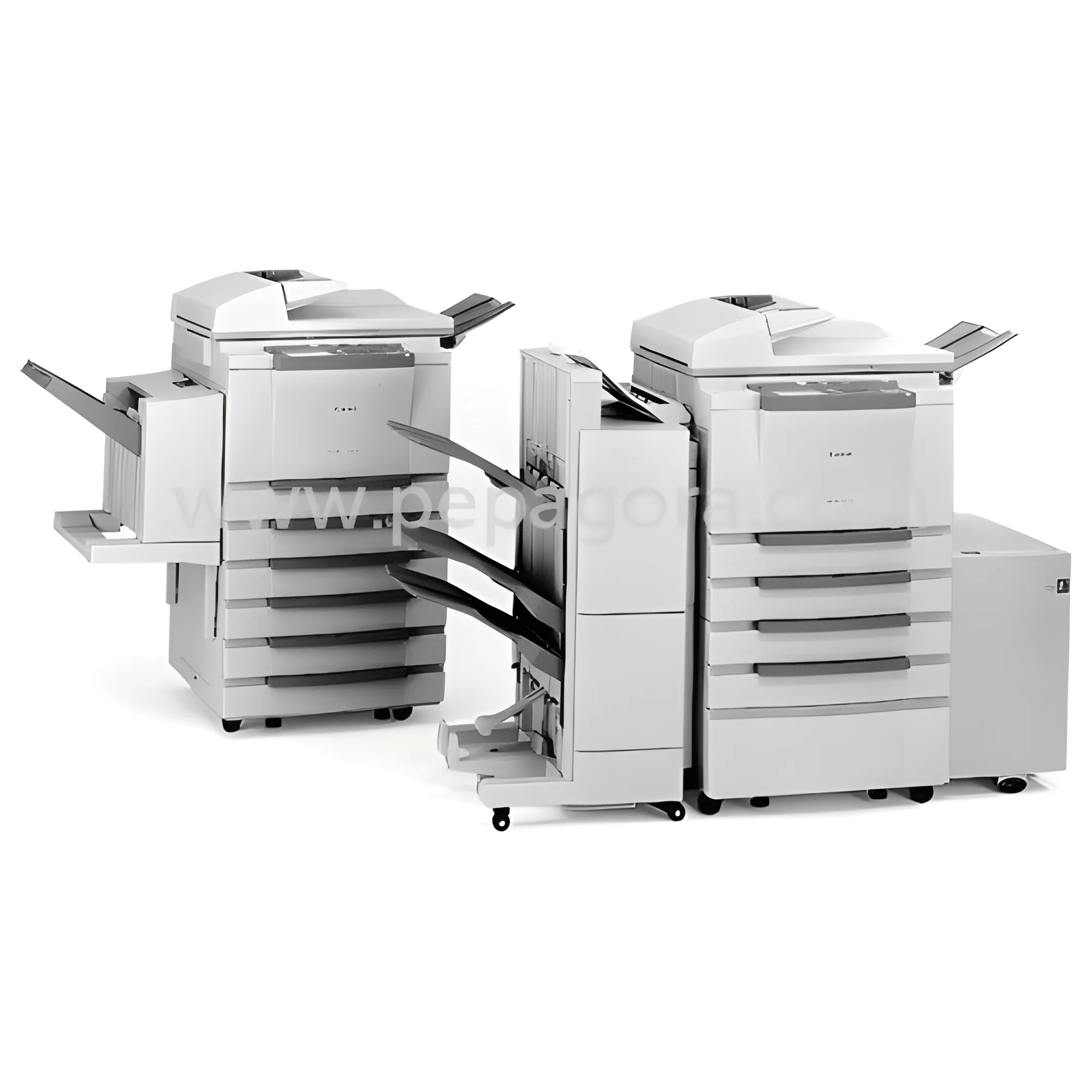
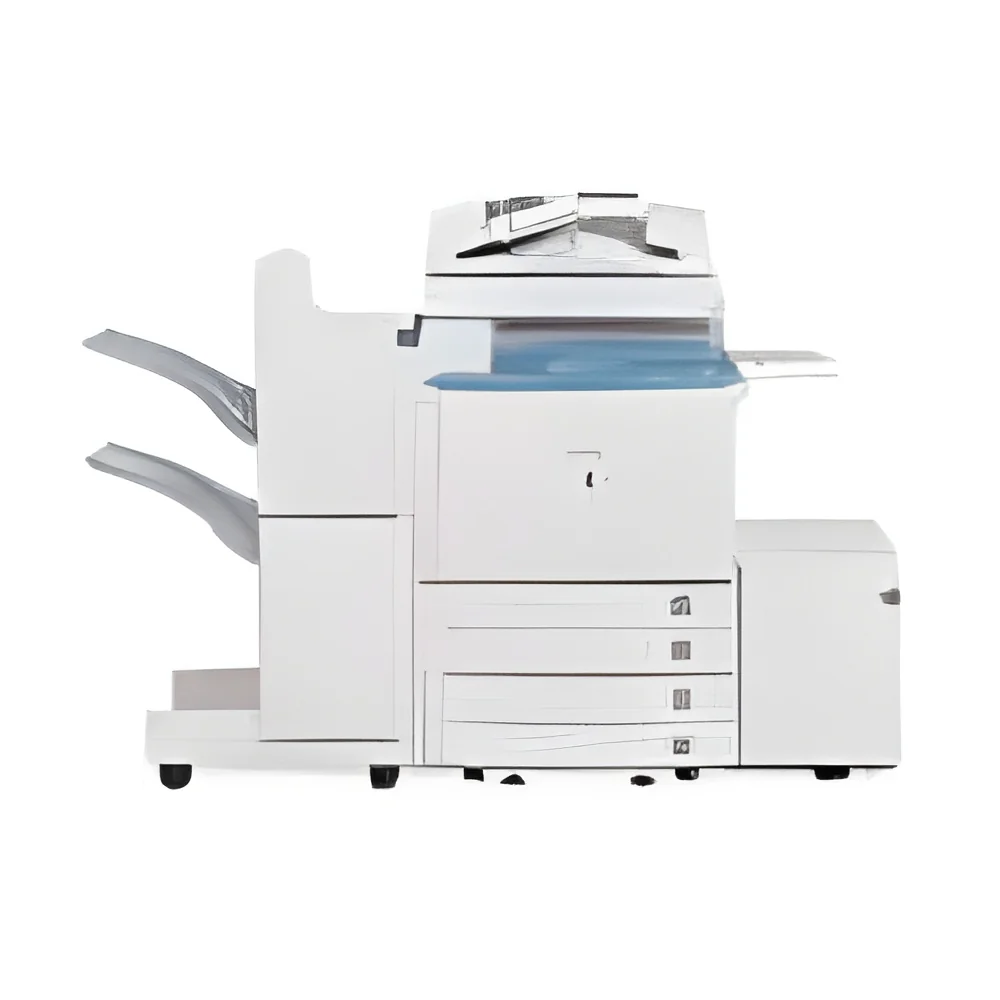
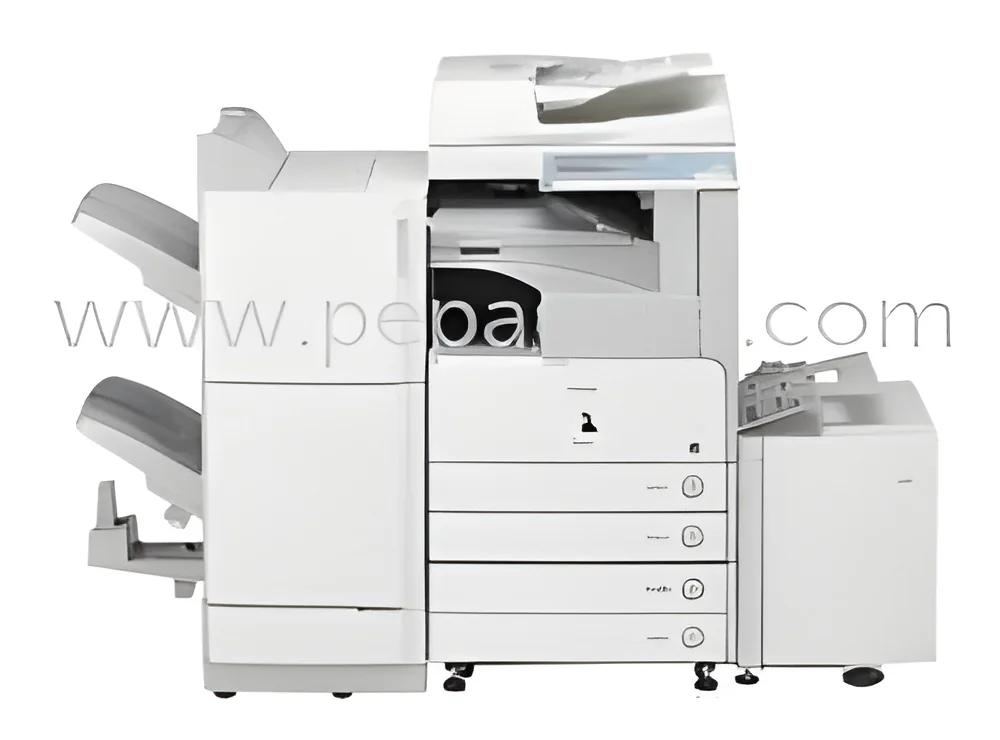
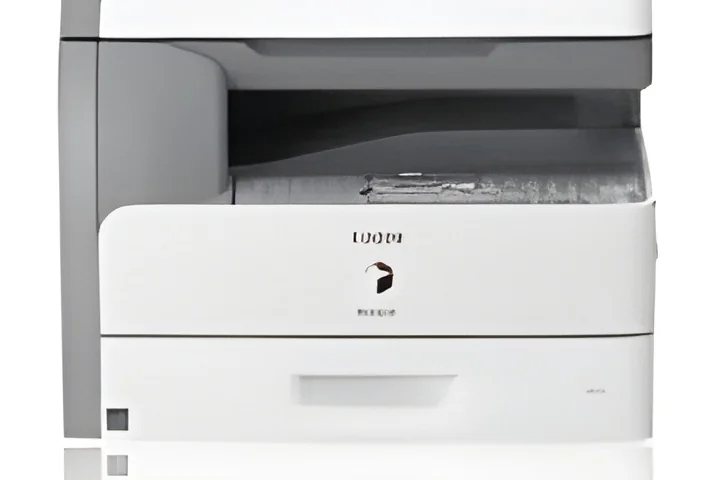
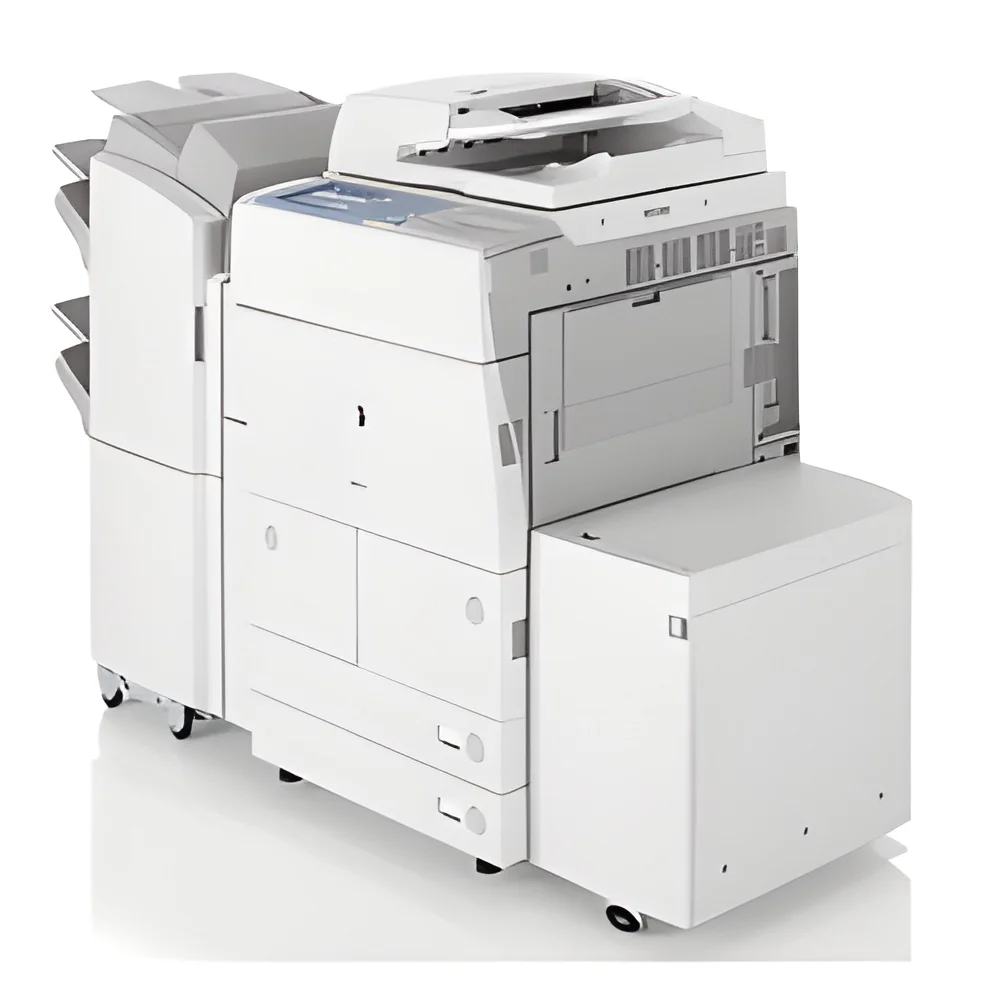
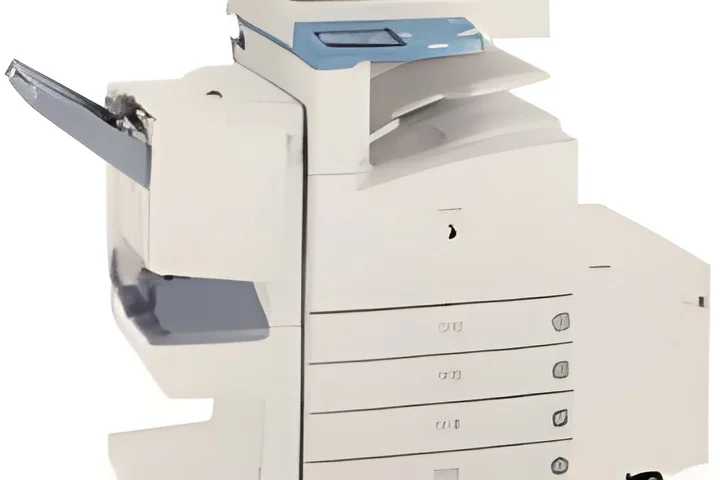
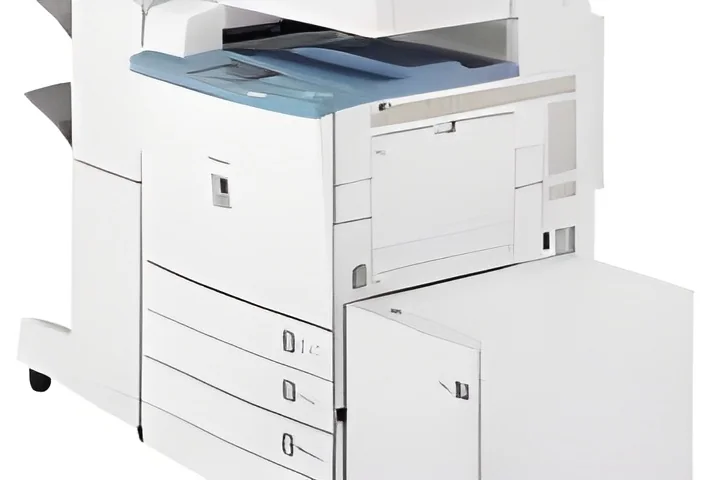
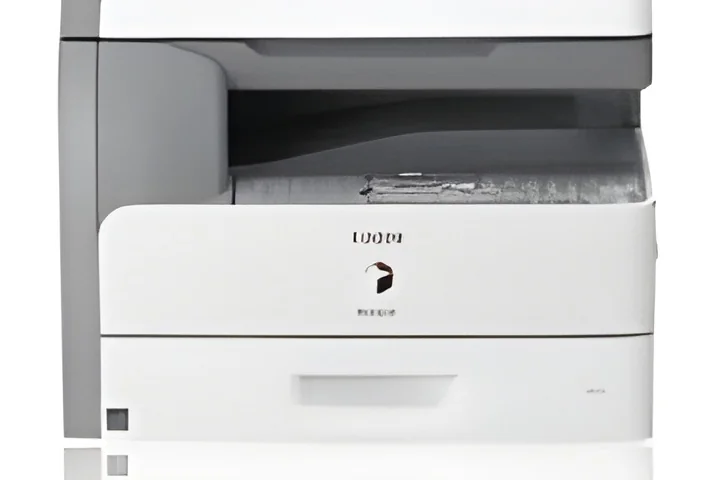
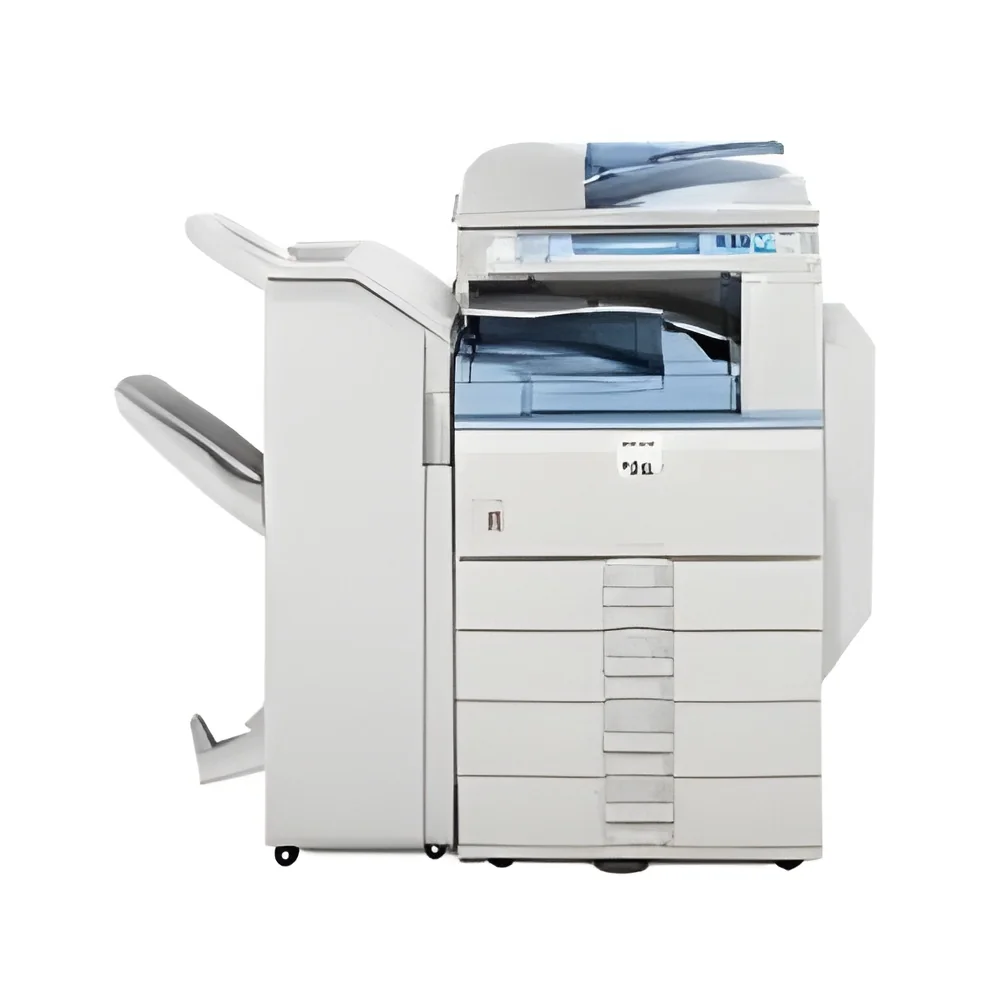
What are Monochrome Photocopiers?
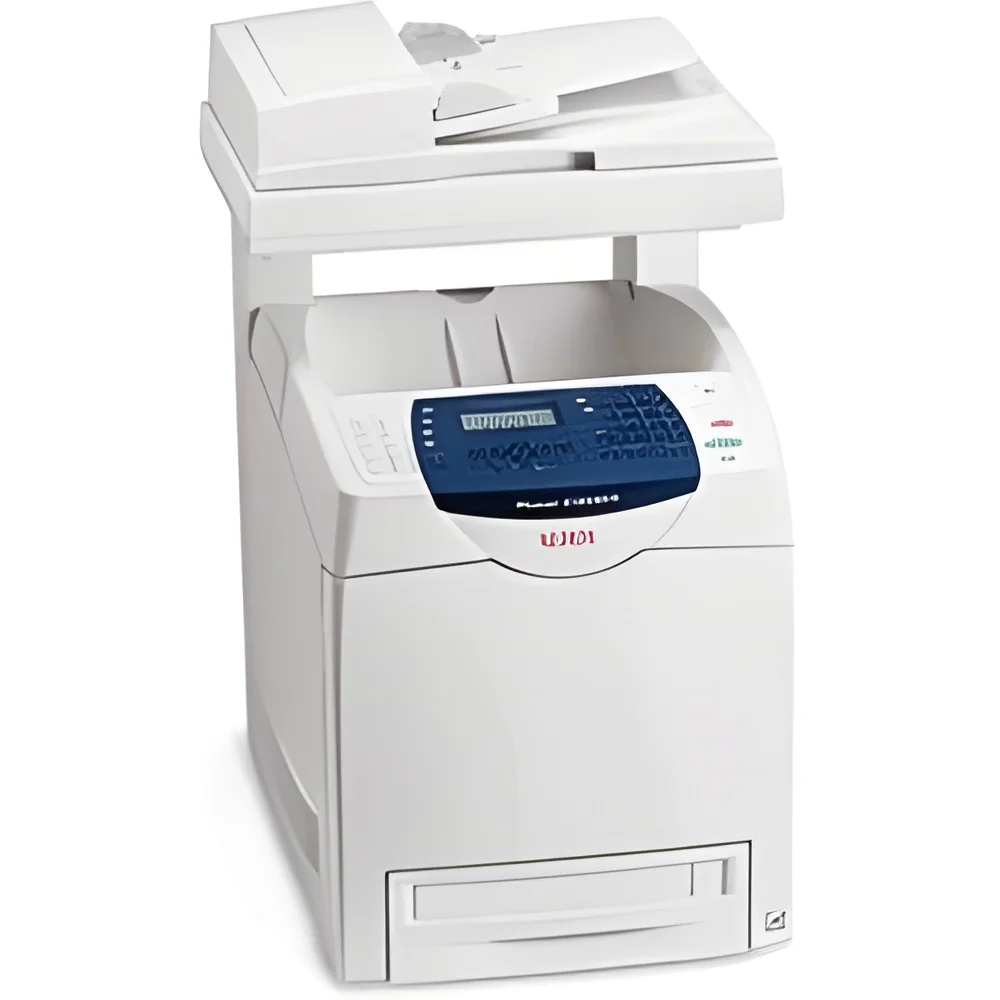
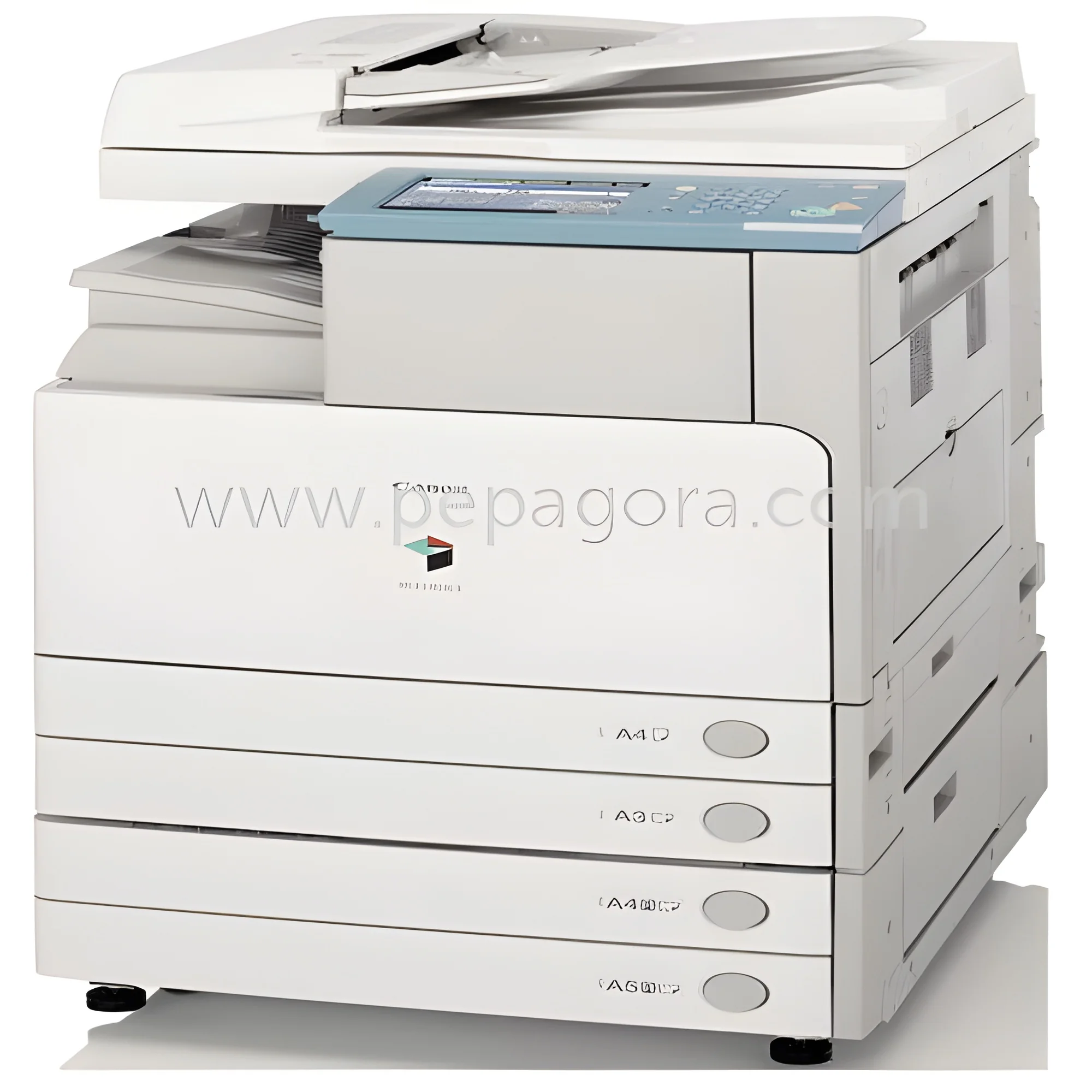
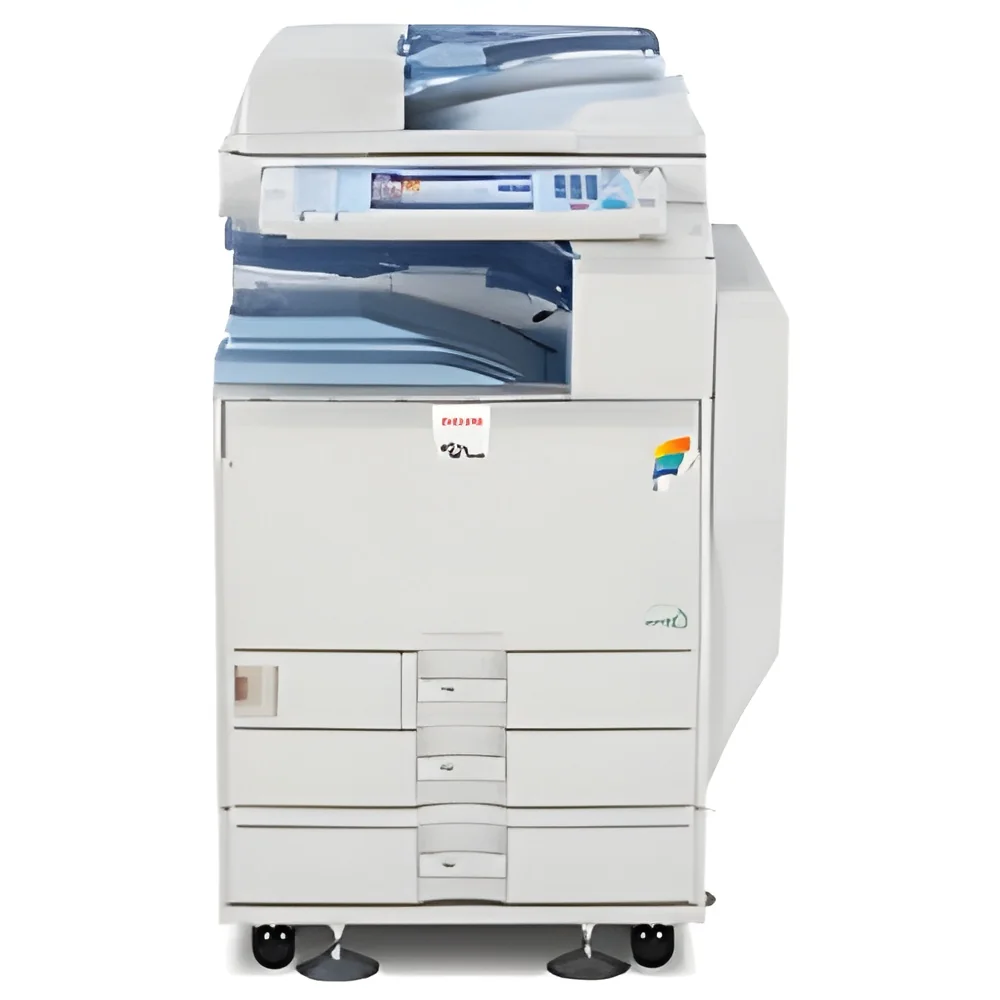
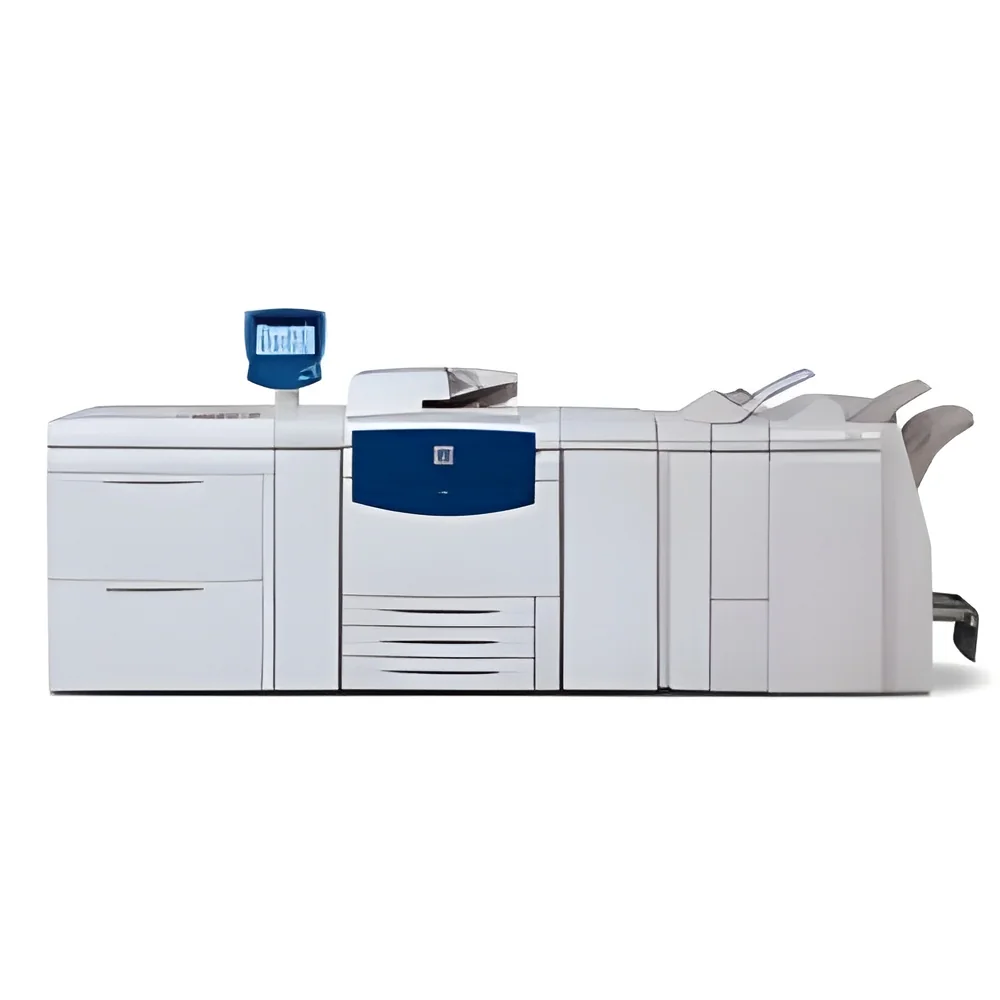
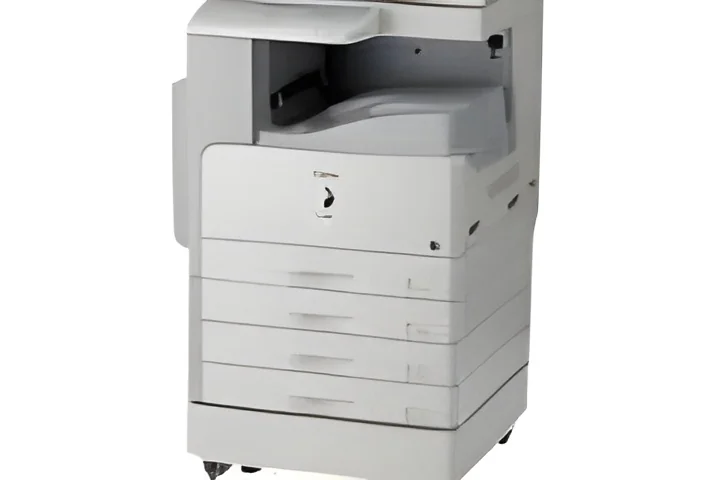
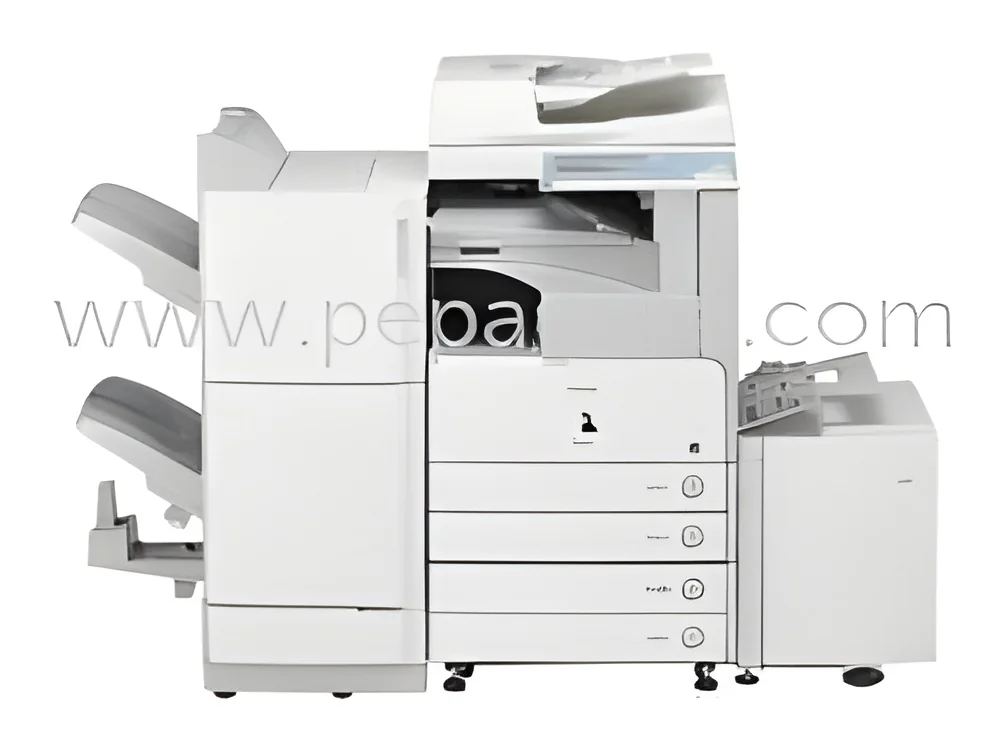
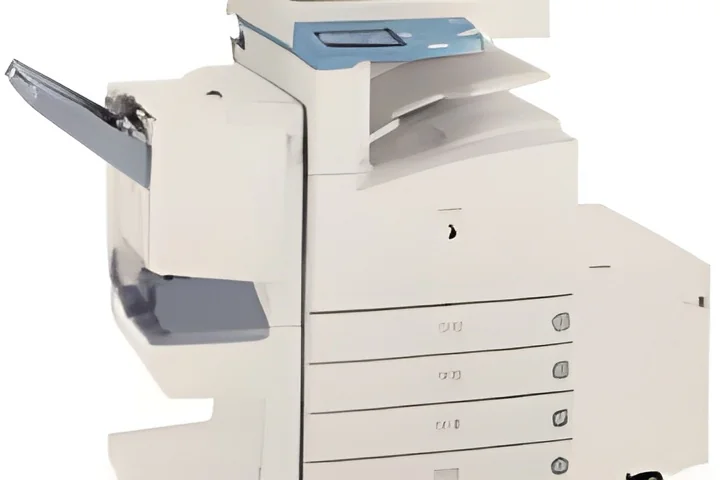
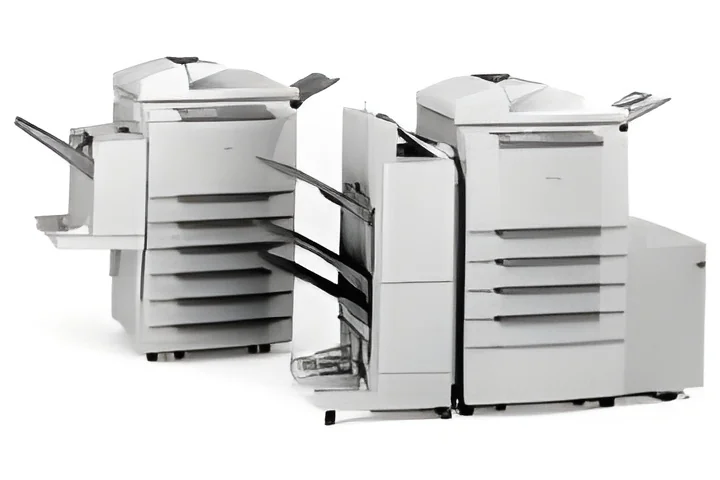
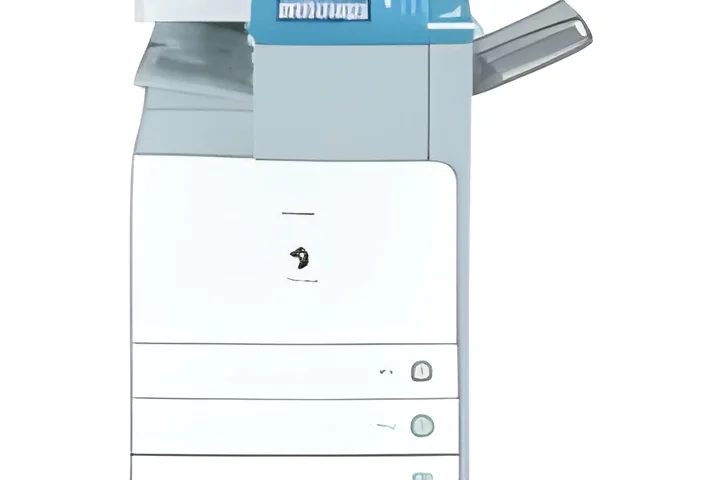
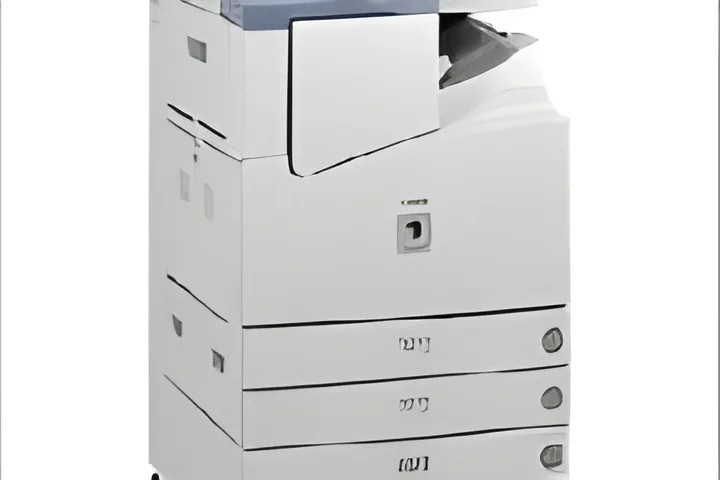
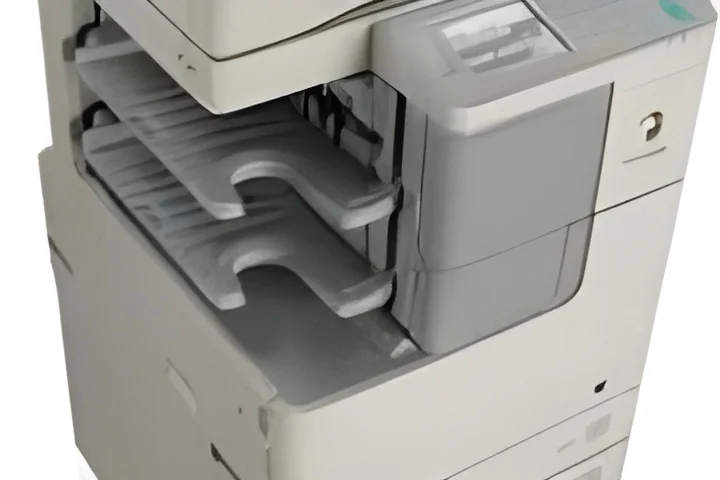
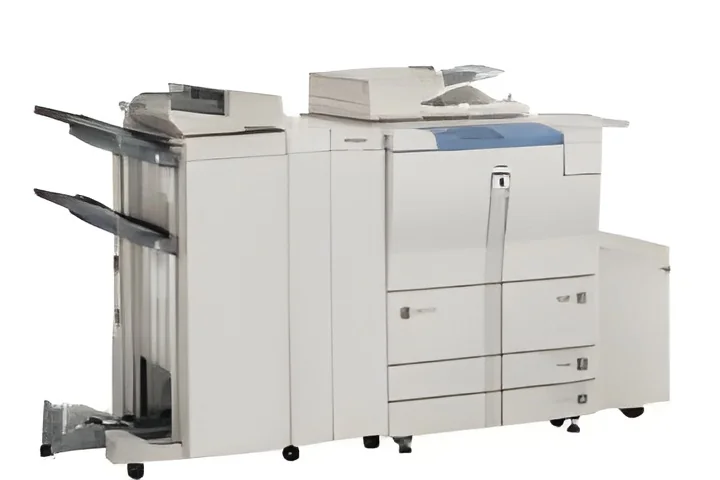
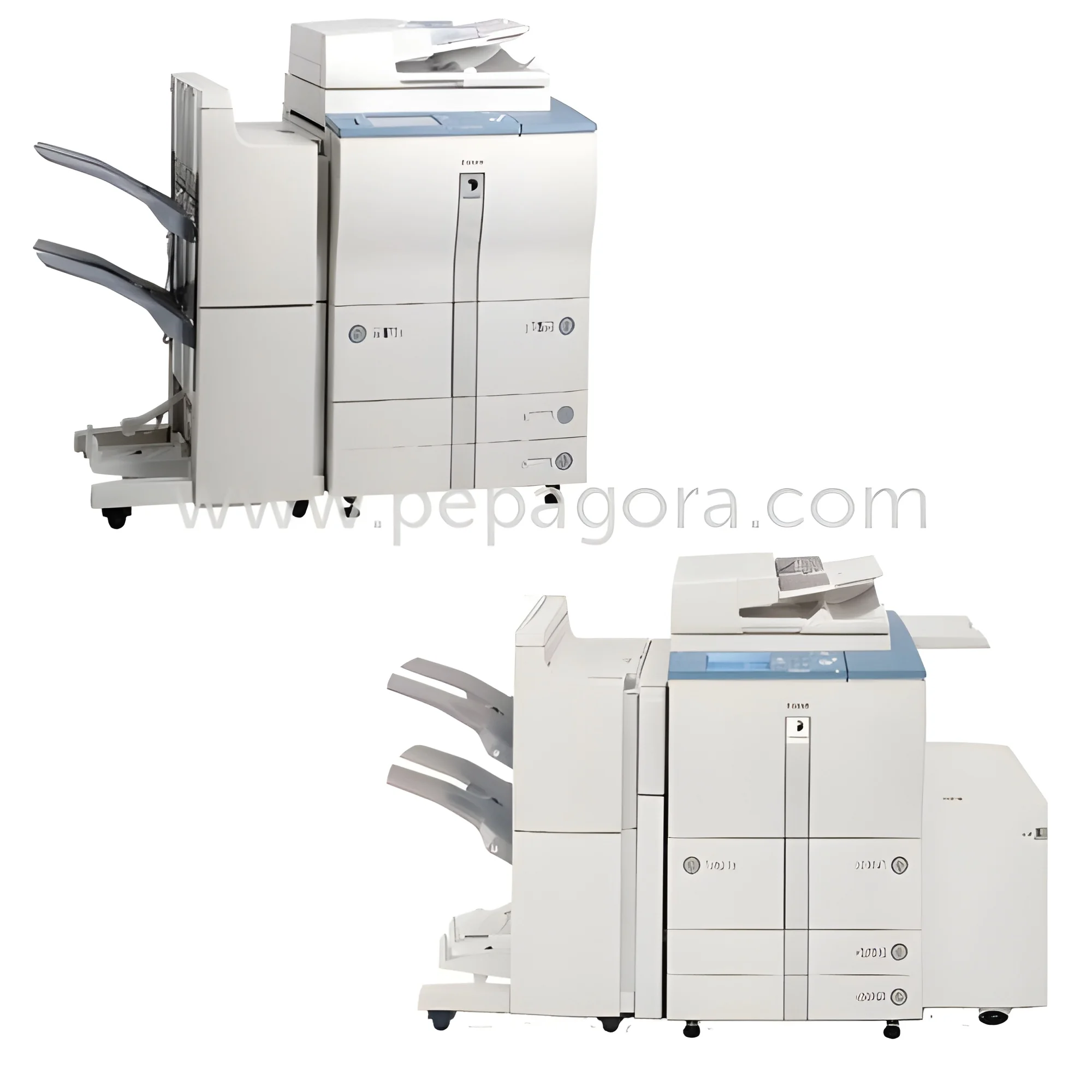
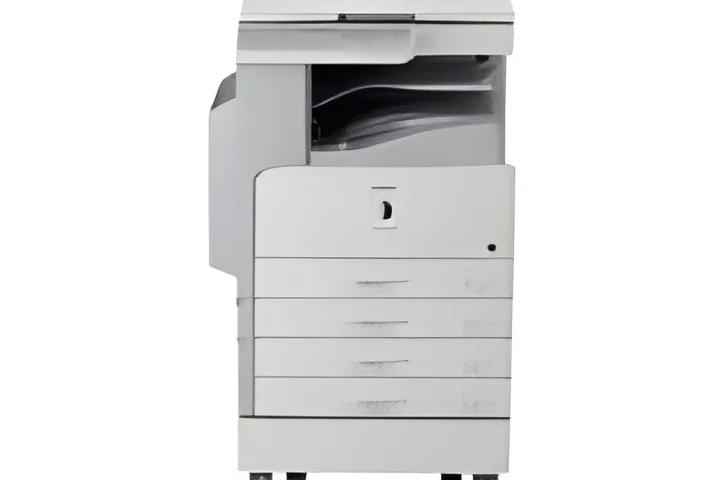
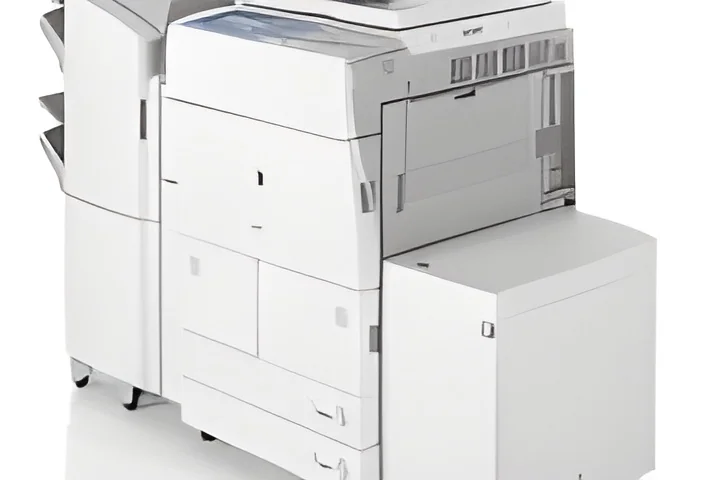
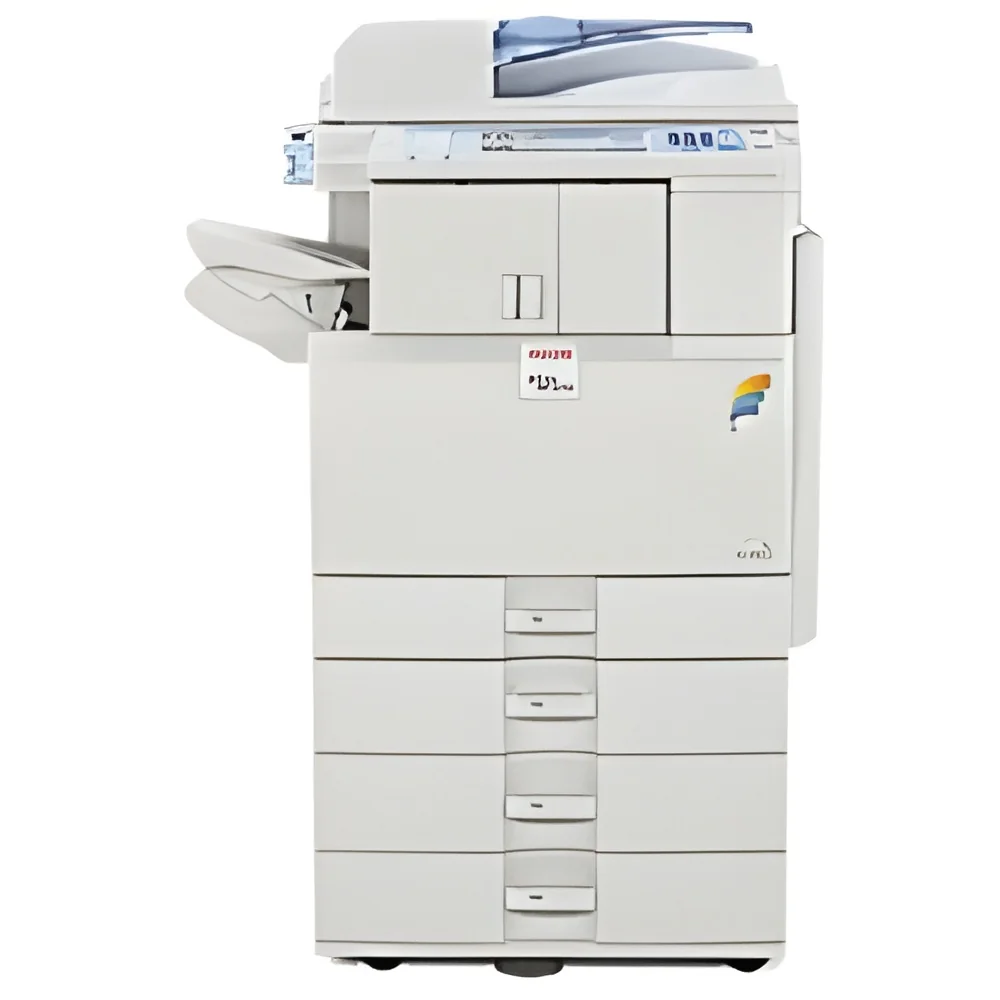
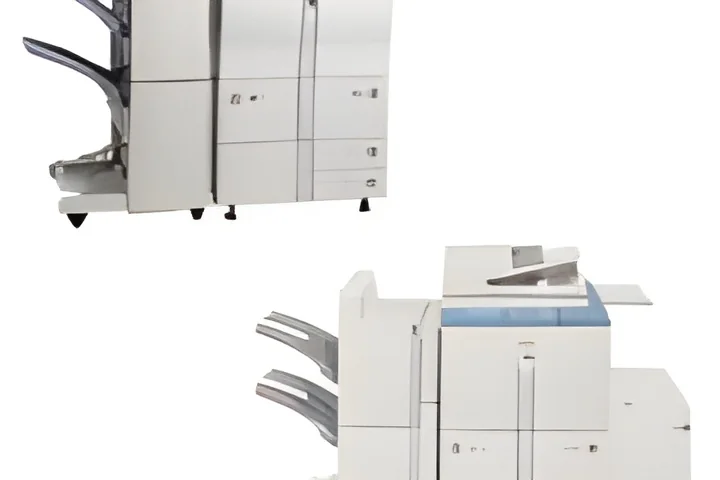
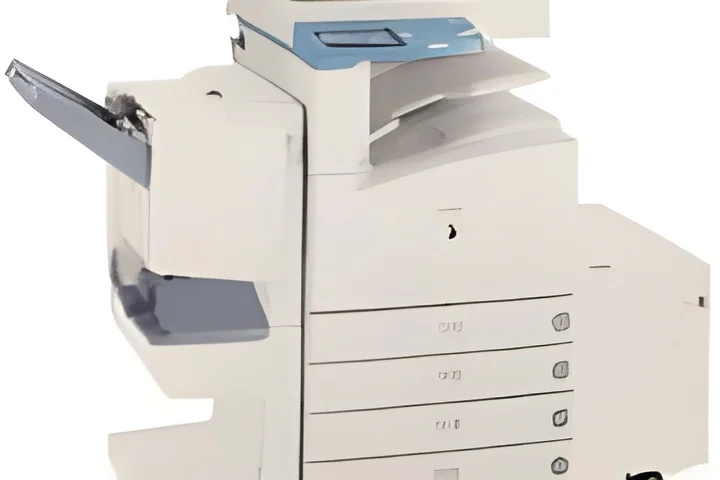
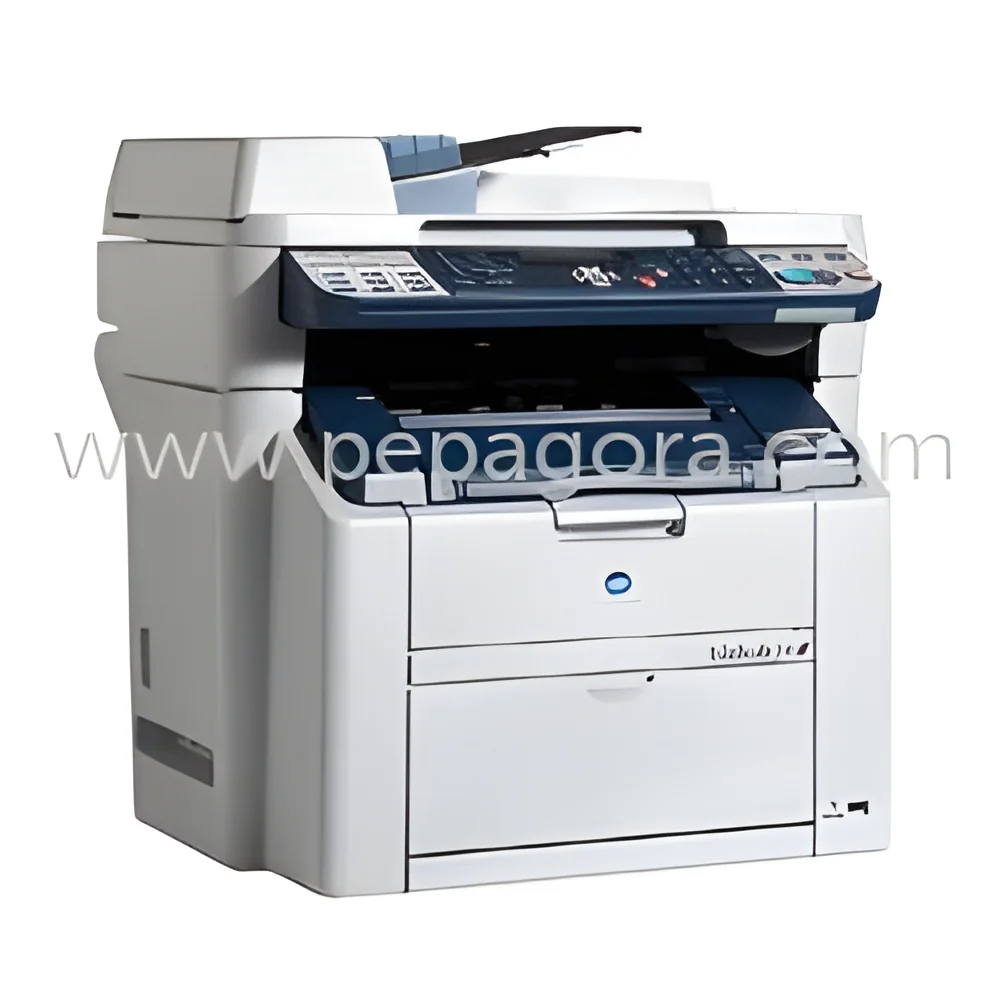
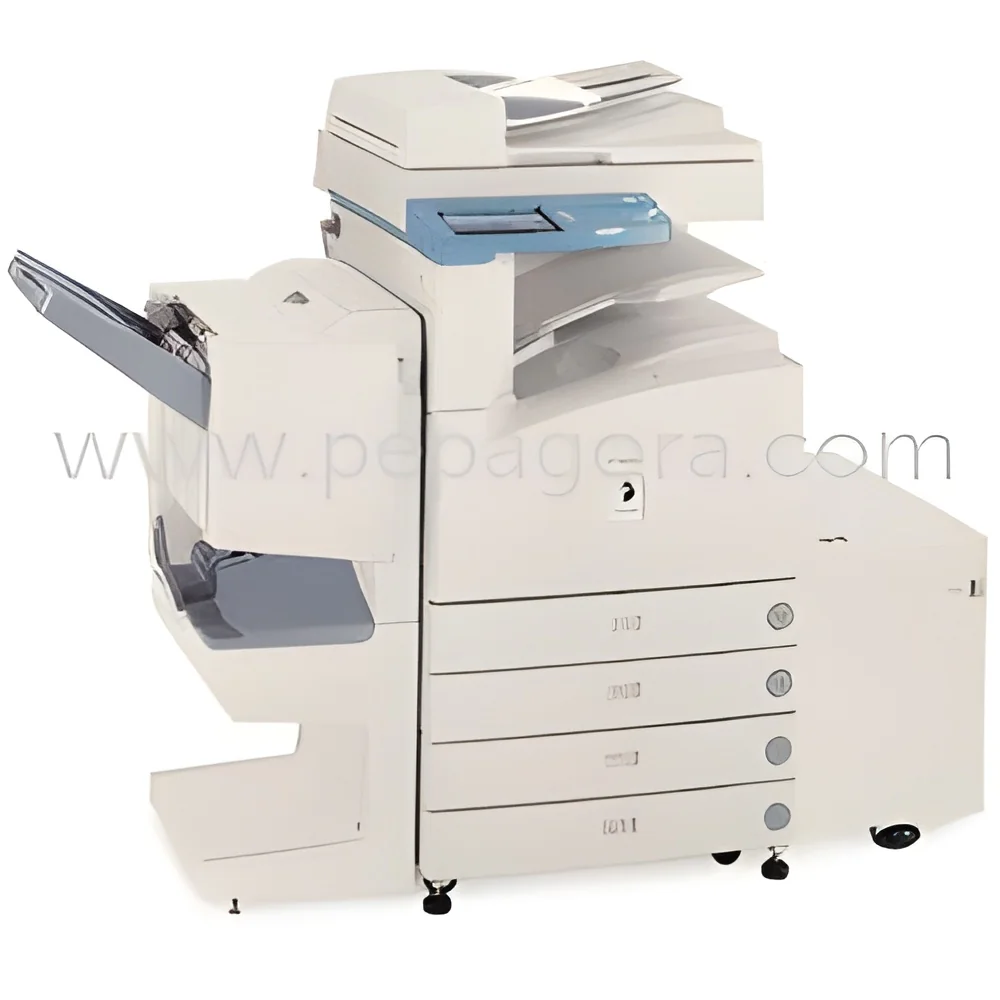
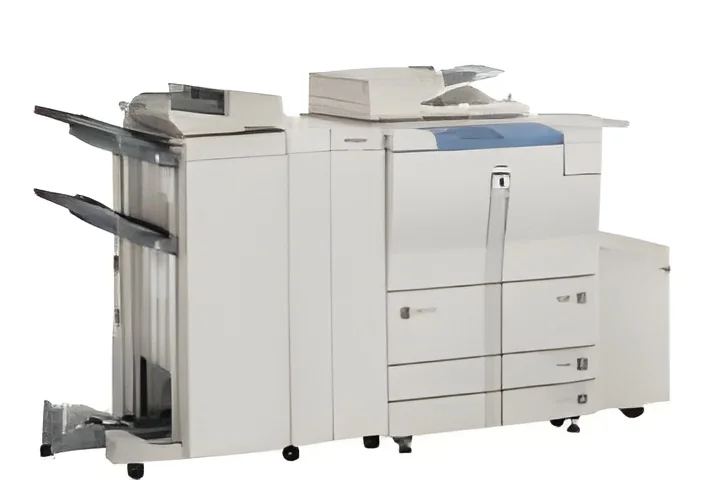
Monochrome photocopiers are devices designed primarily for printing and duplicating documents in black and white. Unlike color photocopiers, these machines focus solely on producing high-quality text and images in a single color. Monochrome photocopiers are valued for their speed, efficiency, and cost-effectiveness, making them a staple in various office environments and industrial settings.
These machines are commonly used in businesses that generate large volumes of printed materials, such as reports, contracts, and invoices. They are particularly beneficial in sectors where color printing is not essential. The simplicity and reliability of monochrome photocopiers make them ideal for schools, government offices, and financial institutions that prioritize fast document processing over color fidelity.
In the current market landscape, monochrome photocopiers hold a significant share due to their affordability and lower operational costs compared to color counterparts. As businesses increasingly look to optimize their printing expenses, monochrome photocopiers remain relevant by providing high-volume printing solutions without the need for color toner, thereby reducing overall printing costs.
Key Features and Specifications
Monochrome photocopiers come equipped with various features that cater to the needs of businesses. These features enhance productivity, reliability, and ease of use. Understanding the key specifications is essential for buyers looking to select the right machine for their operations.
Key specifications include:
1. Print Speed
- Measured in pages per minute (PPM)
- Typical range: 20 to 60 PPM
2. Maximum Print Resolution
- Indicates the clarity of printed documents
- Common resolution: Up to 1200 x 1200 dpi
3. Paper Capacity
- Refers to the amount of paper the machine can hold
- Standard tray capacity: 250 to 500 sheets
4. Monthly Duty Cycle
- Maximum recommended volume of prints per month
- Typical range: 20,000 to 100,000 pages
5. Connectivity Options
- Various ways to connect the device to networks
- Common options include USB, Ethernet, and Wi-Fi
6. Energy Consumption
- Power usage in standby and active modes
- Energy-efficient models consume less than 500 watts
7. User Interface
- Type of control panel and ease of navigation
- Touchscreen panels are becoming standard
8. Dimensions and Weight
- Size and portability of the machine
- Average weight: 50 to 150 pounds, depending on model
In summary, understanding these specifications helps businesses choose a monochrome photocopier that fits their operational needs while ensuring efficiency and reliability.
Common Applications and Use Cases
Monochrome photocopiers are versatile machines that serve a wide range of industries. Their primary function is to provide quick and cost-effective document duplication.
1. Education: Schools and universities often use monochrome photocopiers for printing assignments, tests, and administrative documents, ensuring quick turnaround times on large volumes.
2. Legal: Law firms rely on these machines to produce copies of legal documents, contracts, and case files, where accuracy and speed are critical.
3. Finance: Banks and financial institutions utilize monochrome photocopiers for printing statements, reports, and compliance documents, prioritizing security and confidentiality.
4. Government: Monochrome photocopiers are essential in government offices for producing official documents, memos, and public notices efficiently.
5. Healthcare: Hospitals and clinics use these devices to print patient records and administrative paperwork, where quick access to documents is vital.
6. Manufacturing: Companies in the manufacturing sector use monochrome photocopiers for production reports, quality control documentation, and inventory lists.
7. Retail: Retail businesses print invoices, receipts, and promotional materials using monochrome photocopiers, enabling them to maintain smooth operations.
Product Variants and Subcategories
Monochrome photocopiers come in various models tailored to meet different business needs. Each variant may offer unique features suitable for specific applications.
Compact Model
This variant is designed for smaller offices with limited space. It offers essential features with a lower print volume, making it ideal for businesses that require occasional printing.
High-Volume Model
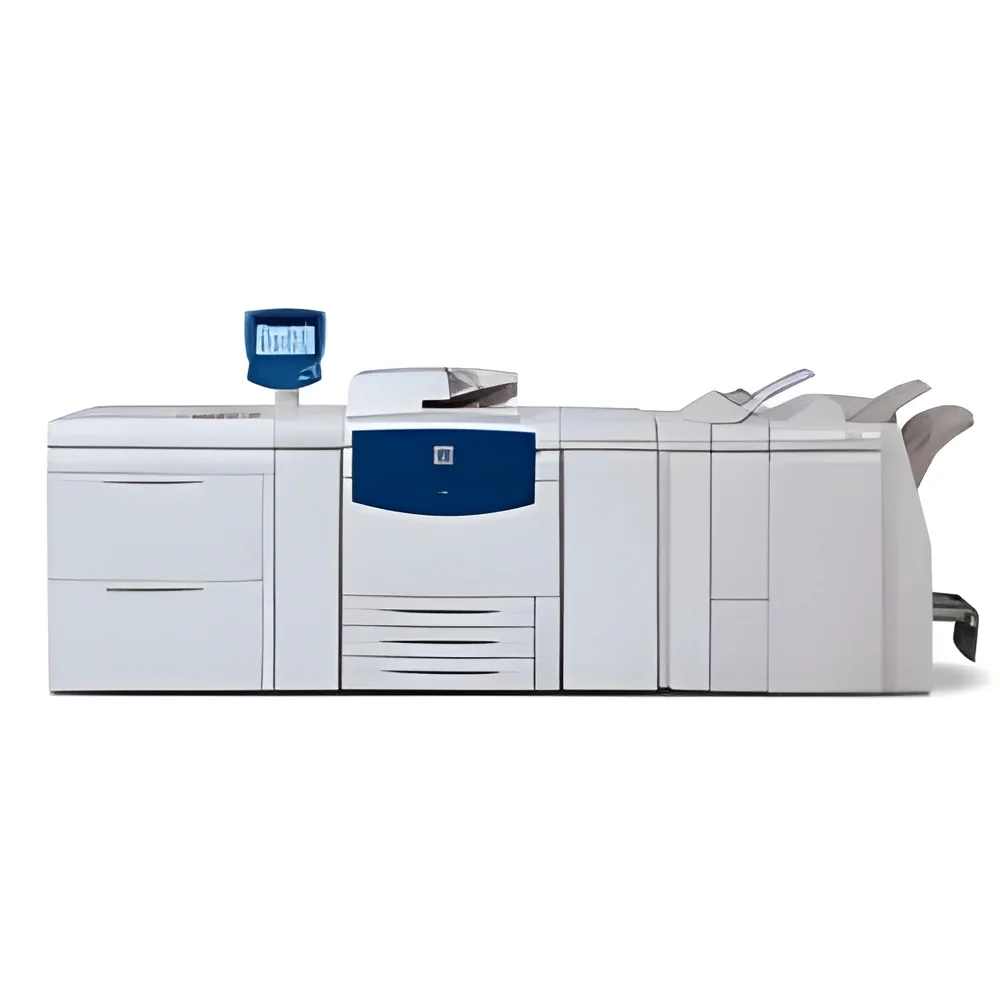
Designed for larger enterprises, this model supports high-speed printing and large paper capacities. It is perfect for businesses that need to produce a substantial amount of printed material daily.
Multifunction Model
Combining printing, scanning, and copying capabilities, this model serves businesses seeking an all-in-one solution. It is suitable for offices that require a variety of document handling functions.
Benefits and Advantages
Monochrome photocopiers provide several advantages for businesses looking to optimize their printing processes. These machines are designed with efficiency, reliability, and cost-effectiveness in mind.
Key benefits include:
1. Cost Efficiency: Monochrome photocopiers have lower operational costs due to the absence of color toner, making them more affordable for high-volume printing needs.
2. Speed: These machines offer faster printing speeds compared to color models, which is crucial for businesses that require quick document turnaround.
3. Reliability: Monochrome photocopiers are known for their durability and consistent performance, reducing the likelihood of downtime and maintenance issues.
4. Simplicity: The straightforward design and ease of use make these machines accessible for all employees, minimizing training requirements.
5. Environmental Impact: With lower energy consumption and less waste from toner cartridges, monochrome photocopiers contribute to more sustainable business practices.
6. High-Quality Output: These machines produce sharp text and clear images, meeting the demands of professional document presentation.
Buying Guide for B2B Buyers
When sourcing monochrome photocopiers, businesses should consider several important factors to ensure they select the right model for their needs.
1. Quality Assessment: Evaluate the print quality and reliability of different models by reviewing customer feedback and conducting trials when possible. High-resolution output is essential for professional documents.
2. Supplier Verification: It is crucial to vet suppliers to ensure they provide quality products and reliable service. Check supplier credentials, customer reviews, and after-sales support.
3. Pricing and MOQ: Understand the pricing structure and minimum order quantities (MOQ) set by suppliers. This helps in budgeting and ensures that the purchase aligns with financial constraints.
4. Delivery and Lead Times: Discuss logistics and expected delivery times with suppliers to ensure that the photocopiers can be integrated into operations without unnecessary delays.
5. Compliance Requirements: Be aware of any industry-specific compliance standards that the photocopiers must meet. This ensures that the chosen model adheres to relevant regulations.
Compliance and Certifications
Monochrome photocopiers are subject to various industry standards and certifications that ensure quality and safety. Relevant quality standards such as ISO 9001 indicate a commitment to quality management systems, while certifications like CE signify compliance with European health, safety, and environmental protection standards.
Compliance with safety and testing requirements is crucial, particularly in industries where document security is paramount. Manufacturers must ensure their products meet these standards to mitigate risks associated with defects or failures.
Regional compliance considerations may vary, so businesses should verify that their chosen photocopiers meet local regulations and standards. This ensures that the machines can be used without legal or operational issues.
Why Source Monochrome Photocopiers from Pepagora?
Pepagora provides a trusted platform for sourcing monochrome photocopiers, offering several key advantages to B2B buyers.
Verified Supplier Network: Pepagora boasts a robust network of verified suppliers, ensuring that businesses can find reliable sources for high-quality monochrome photocopiers. This network is built on trust, quality assurance, and consistent performance.
Streamlined RFQ Process: The platform features a streamlined Request for Quotation (RFQ) process, allowing buyers to easily compare quotes from different suppliers. This simplifies the procurement process and helps businesses make informed decisions.
Trade Assurance and Support: Pepagora offers trade assurance and support to buyers, ensuring protection against potential risks associated with transactions. This level of support fosters confidence in the purchasing process.
Regional Coverage: With extensive coverage across India, the GCC, and Southeast Asia, Pepagora connects buyers with local suppliers, facilitating efficient logistics and faster delivery times. This regional reach is advantageous for businesses looking to minimize lead times and streamline their operations.

 IN
IN