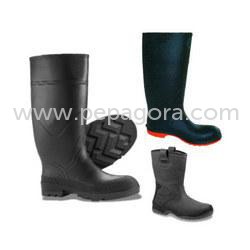
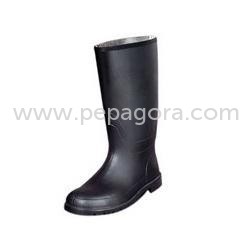
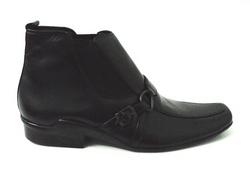
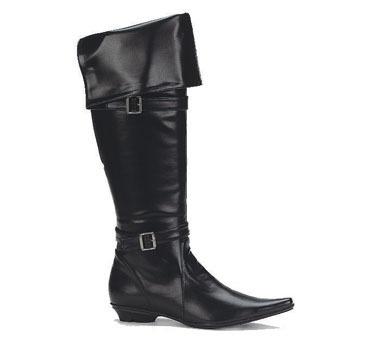
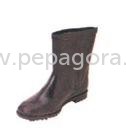
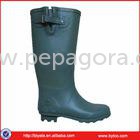
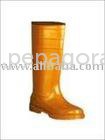
𝗪𝗵𝗮𝘁 𝗮𝗿𝗲 𝗠𝗲𝗻'𝘀 𝗥𝗮𝗶𝗻 𝗕𝗼𝗼𝘁𝘀?
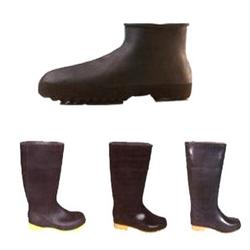
Men's rain boots are specialized footwear designed to keep the feet dry and comfortable in wet conditions. Typically made from waterproof materials such as rubber or synthetic compounds, these boots offer protection against water, mud, and other elements. Their construction often includes features like slip-resistant soles, breathable linings, and reinforced toe areas, making them suitable for outdoor use.
These boots are primarily used in various sectors where exposure to wet environments is common. Businesses in agriculture, construction, and outdoor recreational activities often rely on men's rain boots for their durability and functionality. They provide essential protection in muddy fields, construction sites, and during rainy weather, ensuring that workers can perform their tasks safely and efficiently.
In the current market, men's rain boots are increasingly relevant due to changing weather patterns and the demand for durable outdoor gear. With more emphasis on sustainability, manufacturers are also exploring eco-friendly materials and production methods. This evolution reflects a growing awareness of environmental impact within the industry, positioning men's rain boots as a critical component of protective gear for various professionals.
𝗞𝗲𝘆 𝗙𝗲𝗮𝘁𝘂𝗿𝗲𝘀 𝗮𝗻𝗱 𝗦𝗽𝗲𝗰𝗶𝗳𝗶𝗰𝗮𝘁𝗶𝗼𝗻𝘀
Men's rain boots come equipped with numerous features tailored to enhance performance and comfort. When assessing these boots, it is essential to consider their specifications to ensure they meet the required standards for your business needs.
Key specifications include:
1. Material Composition
- Made from high-quality rubber or synthetic materials for waterproofing and durability.
- Often lightweight yet robust enough for heavy-duty use.
2. Sole Construction
- Slip-resistant and often designed with deep treads for superior traction.
- Shock-absorbent properties to reduce fatigue during extended wear.
3. Height
- Available in various heights, typically ranging from ankle to knee length.
- Taller designs offer increased protection against water and mud.
4. Lining
- Breathable linings to regulate temperature and moisture.
- Some models feature insulating materials for colder climates.
5. Weight
- Lightweight options available for easier mobility.
- Heavier models provide added protection but may be less comfortable for long-term wear.
6. Closure System
- Easy pull-on designs with or without adjustable straps for a secure fit.
- Some models include reinforced closures for added security.
7. Color and Design Options
- Available in various colors and styles to suit different professional environments.
- Customization options may be available for branding or specific needs.
Men's rain boots are engineered to provide a balance of comfort, protection, and functionality, making them a valuable addition to any outdoor work wardrobe.
𝗖𝗼𝗺𝗺𝗼𝗻 𝗔𝗽𝗽𝗹𝗶𝗰𝗮𝘁𝗶𝗼𝗻𝘀 𝗮𝗻𝗱 𝗨𝘀𝗲 𝗖𝗮𝘀𝗲𝘀
Men's rain boots are versatile and find applications across various industries.
1. Agriculture: Farmers and agricultural workers use rain boots for working in wet fields, ensuring they remain dry while tending to crops and livestock.
2. Construction: Construction workers wear rain boots to protect themselves from muddy and wet conditions on job sites, reducing the risk of slips and falls.
3. Outdoor Recreation: Enthusiasts engaging in activities such as fishing, hiking, or camping rely on rain boots to keep their feet dry and comfortable in unpredictable weather.
4. Landscaping: Landscapers and gardeners benefit from rain boots while working in muddy or wet environments, allowing them to perform their tasks without discomfort.
5. Food Processing: In food production facilities, rain boots are essential for maintaining hygiene and safety standards in wet processing areas.
6. Emergency Services: First responders often wear rain boots when dealing with flooded areas or inclement weather conditions to ensure their safety and mobility.
7. Industrial Settings: Workers in factories or warehouses may use rain boots to protect against spills or water accumulation, ensuring a safer work environment.
𝗣𝗿𝗼𝗱𝘂𝗰𝘁 𝗩𝗮𝗿𝗶𝗮𝗻𝘁𝘀 𝗮𝗻𝗱 𝗦𝘂𝗯𝗰𝗮𝘁𝗲𝗴𝗼𝗿𝗶𝗲𝘀
Men's rain boots come in various styles and designs to cater to diverse needs and preferences.
Classic Rubber Rain Boots
These traditional boots are made from durable rubber, offering excellent waterproof capabilities. They are ideal for everyday use and are often seen in agricultural and outdoor settings.
Insulated Rain Boots
Designed for colder climates, these boots feature insulation to keep feet warm while maintaining waterproof properties. They are perfect for winter activities and outdoor work in chilly weather.
High-Cut Rain Boots
These boots extend higher up the leg, providing additional protection against water and mud. They are commonly used in construction and agricultural applications where deeper water exposure is likely.
Slip-On Rain Boots
Convenient and easy to wear, these boots feature a pull-on design without additional fastenings. They are popular among those who need to quickly put on and take off their footwear.
𝗕𝗲𝗻𝗲𝗳𝗶𝘁𝘀 𝗮𝗻𝗱 𝗔𝗱𝘃𝗮𝗻𝘁𝗮𝗴𝗲𝘀
Men's rain boots offer several key benefits that make them an essential choice for various industries.
1. Waterproof Protection: These boots keep feet dry in wet conditions, reducing the risk of discomfort and health issues related to prolonged moisture exposure.
2. Safety Features: Many designs include slip-resistant soles and reinforced toe protection, enhancing safety in slippery or hazardous environments.
3. Durability: Made from high-quality materials, men's rain boots are built to withstand harsh conditions and heavy use, providing long-lasting value.
4. Comfort: With features like breathable linings and shock-absorbing soles, these boots provide comfort for extended wear, reducing fatigue during long workdays.
5. Versatility: Suitable for various industries and activities, men's rain boots can be used across different settings, from agriculture to recreational pursuits.
6. Easy Maintenance: Designed for outdoor conditions, they are easy to clean and maintain, allowing for quick turnaround between uses.
𝗕𝘂𝘆𝗶𝗻𝗴 𝗚𝘂𝗶𝗱𝗲 𝗳𝗼𝗿 𝗕𝟮𝗕 𝗕𝘂𝘆𝗲𝗿𝘀
When sourcing men's rain boots, several critical factors should be considered to ensure you make an informed purchasing decision.
1. Quality Assessment: Evaluate the material quality and construction of the boots. Look for features such as waterproofing, durability, and comfort to meet your specific requirements.
2. Supplier Verification: Conduct thorough research on potential suppliers. Check their credentials, customer reviews, and product offerings to ensure they meet your standards.
3. Pricing and MOQ: Analyze pricing structures and minimum order quantities (MOQ) to find a supplier that fits your budget and volume needs. Compare multiple suppliers for the best deal.
4. Delivery and Lead Times: Confirm the expected delivery timeline to ensure that the boots will arrive when needed. Consider the logistics and any potential delays in shipping.
5. Compliance Requirements: Ensure that the boots meet relevant safety and industry standards. Check for certifications like CE to guarantee product quality and compliance with regulations.
𝗖𝗼𝗺𝗽𝗹𝗶𝗮𝗻𝗰𝗲 𝗮𝗻𝗱 𝗖𝗲𝗿𝘁𝗶𝗳𝗶𝗰𝗮𝘁𝗶𝗼𝗻𝘀
Men's rain boots are subject to various compliance and certification standards to ensure safety and quality in their production and usage.
ISO 9001 is a key quality management standard that applies to manufacturers of men's rain boots. It ensures that production processes meet consistent quality criteria and that products are reliable and effective.
The CE certification is crucial for products sold within the European Economic Area. It signifies that the boots meet health, safety, and environmental protection standards, making them suitable for consumers and professionals.
Safety and testing requirements often include slip resistance, waterproof testing, and durability assessments. These evaluations ensure that the boots perform effectively in real-world conditions.
Regional compliance may vary depending on local regulations. It is essential for manufacturers and suppliers to adhere to these standards to ensure that their products are legally compliant and safe for use in specific markets.
𝗪𝗵𝘆 𝗦𝗼𝘂𝗿𝗰𝗲 𝗠𝗲𝗻'𝘀 𝗥𝗮𝗶𝗻 𝗕𝗼𝗼𝘁𝘀 𝗳𝗿𝗼𝗺 𝗣𝗲𝗽𝗮𝗴𝗼𝗿𝗮?
Pepagora provides a trusted platform for sourcing men's rain boots, offering several key advantages to B2B buyers.
Verified Supplier Network: Pepagora connects buyers with a network of verified suppliers, ensuring that you can source high-quality products with confidence. This reduces the risks associated with purchasing from unverified sources.
Streamlined RFQ Process: Pepagora features an efficient request for quotation (RFQ) process, allowing buyers to easily compare offers from multiple suppliers. This simplifies the procurement process and helps secure the best pricing.
Trade Assurance and Support: The platform offers trade assurance measures, providing buyers with protection against potential issues during the transaction. This support ensures a smoother purchasing experience.
Regional Coverage: With a strong presence in India, the GCC, and Southeast Asia, Pepagora enables buyers to access a wide range of suppliers and products. This geographical reach facilitates sourcing efforts across diverse markets, ensuring that buyers can find the right men's rain boots for their needs.

 IN
IN
 India
India