What are Memory ICs (RAM, ROM, EEPROM, Flash)?
Memory integrated circuits (ICs) encompass a range of electronic components used for data storage in various devices. The primary types include Random Access Memory (RAM), Read-Only Memory (ROM), Electrically Erasable Programmable Read-Only Memory (EEPROM), and Flash memory. RAM is volatile memory that stores data temporarily for quick access, while ROM is non-volatile memory that retains data even when powered off. EEPROM allows for data to be electrically erased and reprogrammed, making it useful for firmware storage. Flash memory combines the advantages of RAM and EEPROM, offering high speed and durability.
These memory ICs are crucial in numerous sectors, including consumer electronics, automotive, telecommunications, and industrial automation. Businesses leverage these components for applications ranging from smartphones and computers to embedded systems in vehicles. The ability to store and retrieve data efficiently positions memory ICs as a backbone of modern technology, enabling devices to perform complex tasks seamlessly.
With the rapid advancement of technology, the market for memory ICs is continually evolving. The demand for higher storage capacities and faster access speeds drives innovation in this space. As industries increasingly rely on data-driven solutions, understanding the capabilities and applications of different memory ICs becomes essential for businesses aiming to stay competitive.
๐๐ฒ๐ ๐๐ฒ๐ฎ๐๐๐ฟ๐ฒ๐ ๐ฎ๐ป๐ฑ ๐ฆ๐ฝ๐ฒ๐ฐ๐ถ๐ณ๐ถ๐ฐ๐ฎ๐๐ถ๐ผ๐ป๐
Memory ICs are characterized by several key features and specifications that define their performance, capacity, and usability. These specifications help businesses assess which type of memory IC best suits their needs.
Key specifications include:
1. Storage Capacity
- This defines the amount of data that can be stored.
- Ranges from a few kilobytes for EEPROM to several terabytes for Flash memory.
2. Data Access Speed
- Refers to how quickly data can be read or written.
- Measured in nanoseconds for RAM and microseconds for Flash and EEPROM.
3. Power Consumption
- Indicates the energy required to operate the memory IC.
- Varies by type, with RAM generally consuming more power compared to Flash memory.
4. Endurance
- The number of write/erase cycles a memory IC can endure before failure.
- Flash memory typically has limited endurance, while RAM is more durable.
5. Form Factor
- The physical dimensions and packaging of the memory IC.
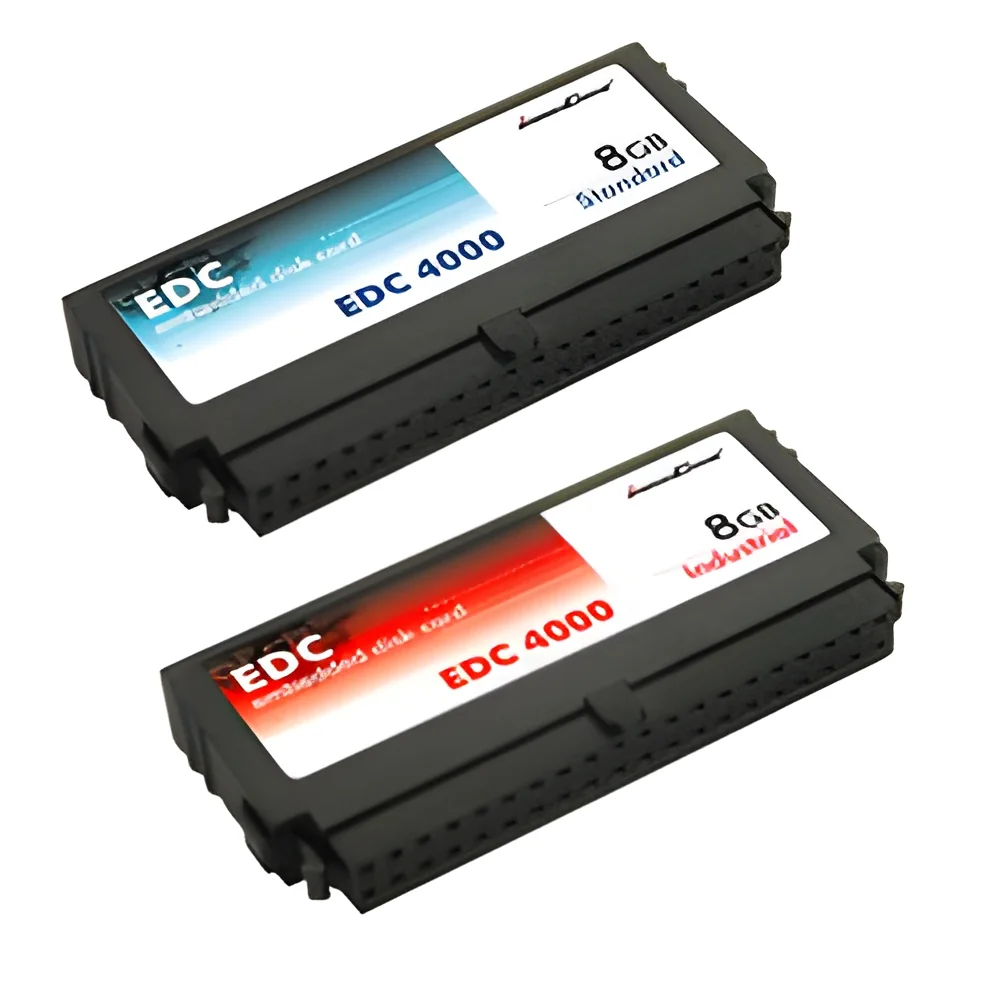
- Available in various formats, including chips, modules, and cards.
6. Operating Temperature Range
- The temperature conditions under which the memory IC can operate reliably.
- Typically ranges from -40ยฐC to 85ยฐC for industrial-grade components.
7. Data Retention Time
- The duration data remains intact without power.
- EEPROM and Flash memory can retain data for years, while RAM is temporary.
8. Interface Type
- The method through which the memory IC communicates with other components.
- Common interfaces include SPI, I2C, and parallel bus.
In summary, understanding these specifications is vital for businesses to select the right memory IC that meets their technical requirements and application needs.
๐๐ผ๐บ๐บ๐ผ๐ป ๐๐ฝ๐ฝ๐น๐ถ๐ฐ๐ฎ๐๐ถ๐ผ๐ป๐ ๐ฎ๐ป๐ฑ ๐จ๐๐ฒ ๐๐ฎ๐๐ฒ๐
Memory ICs play a vital role in various industries, supporting a wide range of applications.
1. Consumer Electronics: Devices like smartphones, tablets, and laptops utilize RAM and Flash memory for efficient data processing and storage.
2. Automotive: Modern vehicles rely on memory ICs for navigation systems, engine control units, and infotainment systems, enhancing performance and user experience.
3. Telecommunications: Memory ICs are essential in networking equipment and mobile devices, enabling fast data transmission and storage.
4. Industrial Automation: Used in PLCs and control systems, memory ICs ensure reliable data handling and processing in manufacturing environments.
5. Medical Devices: Memory ICs store critical data in devices such as imaging systems and patient monitoring equipment, supporting healthcare delivery.
6. Smart Home Devices: Memory ICs are integral to the functioning of smart appliances, enabling connectivity and data management.
7. IoT Applications: With the rise of the Internet of Things, memory ICs support data collection and processing in connected devices, facilitating real-time analytics.
๐ฃ๐ฟ๐ผ๐ฑ๐๐ฐ๐ ๐ฉ๐ฎ๐ฟ๐ถ๐ฎ๐ป๐๐ ๐ฎ๐ป๐ฑ ๐ฆ๐๐ฏ๐ฐ๐ฎ๐๐ฒ๐ด๐ผ๐ฟ๐ถ๐ฒ๐
Memory ICs come in various types, each tailored for specific applications and performance requirements.
RAM (Random Access Memory)
This type of memory is used for temporary data storage, providing fast access speeds essential for running applications and multitasking in devices.
ROM (Read-Only Memory)
Typically used for firmware, ROM retains data without power and is critical in devices that require stable and unchangeable software.
EEPROM (Electrically Erasable Programmable Read-Only Memory)
This memory type allows data to be rewritten and reprogrammed, making it suitable for applications where updates to firmware are necessary.
Flash Memory
Combining the benefits of RAM and EEPROM, Flash memory is widely used for data storage in devices, offering high speed and durability.
๐๐ฒ๐ป๐ฒ๐ณ๐ถ๐๐ ๐ฎ๐ป๐ฑ ๐๐ฑ๐๐ฎ๐ป๐๐ฎ๐ด๐ฒ๐
Sourcing the right Memory ICs provides numerous benefits for businesses.
1. Enhanced Performance: Memory ICs improve device performance by allowing faster data retrieval and processing, leading to better overall functionality.
2. Reliability: With non-volatile memory options like Flash and EEPROM, businesses can ensure data is retained even without power, enhancing device reliability.
3. Versatility: Different types of memory ICs cater to a wide range of applications, allowing businesses to select the most suitable option for their needs.
4. Cost Efficiency: By leveraging advanced memory technologies, businesses can reduce costs associated with power consumption and data management.
5. Scalability: Memory ICs can be scaled to meet increasing data storage demands, ensuring long-term viability for expanding applications.
6. Durability: High endurance memory options provide longevity, reducing the need for frequent replacements and ensuring consistent performance.
๐๐๐๐ถ๐ป๐ด ๐๐๐ถ๐ฑ๐ฒ ๐ณ๐ผ๐ฟ ๐๐ฎ๐ ๐๐๐๐ฒ๐ฟ๐
When sourcing Memory ICs, businesses should consider several critical factors to ensure they select the right components.
1. Quality Assessment: Evaluate memory ICs based on their performance specifications and reliability. Look for products that meet industry standards and provide consistent performance.
2. Supplier Verification: Vet potential suppliers for their reputation and reliability. Check for certifications and customer reviews to ensure they deliver high-quality products.
3. Pricing and MOQ: Understand the pricing structures and minimum order quantities set by suppliers. This will help in budget planning and inventory management.
4. Delivery and Lead Times: Assess suppliersโ capabilities in terms of delivery schedules and lead times to ensure timely project completion.
5. Compliance Requirements: Confirm that the memory ICs comply with relevant regulatory standards, including safety and environmental requirements, to avoid future complications.
๐๐ผ๐บ๐ฝ๐น๐ถ๐ฎ๐ป๐ฐ๐ฒ ๐ฎ๐ป๐ฑ ๐๐ฒ๐ฟ๐๐ถ๐ณ๐ถ๐ฐ๐ฎ๐๐ถ๐ผ๐ป๐
Memory ICs must meet certain compliance standards and certifications to ensure quality and safety. Relevant quality standards, such as ISO 9001, help guarantee consistent production processes and product reliability. Compliance with CE certification indicates that the products meet European health, safety, and environmental protection standards.
Additionally, safety and testing requirements are paramount in ensuring that memory ICs perform reliably under various conditions. This includes electrical performance testing and environmental testing for temperature and humidity resilience. Businesses should also consider regional compliance requirements, which may vary based on local regulations.
๐ช๐ต๐ ๐ฆ๐ผ๐๐ฟ๐ฐ๐ฒ ๐ ๐ฒ๐บ๐ผ๐ฟ๐ ๐๐๐ ๐ณ๐ฟ๐ผ๐บ ๐ฃ๐ฒ๐ฝ๐ฎ๐ด๐ผ๐ฟ๐ฎ?
Pepagora offers a reliable platform for sourcing Memory ICs, providing several advantages for B2B buyers.
Verified Supplier Network: Pepagora ensures that all suppliers are thoroughly vetted, providing businesses with access to high-quality memory ICs from trusted sources.
Streamlined RFQ Process: The request for quotation process is designed for efficiency, allowing buyers to quickly obtain competitive pricing and product options from multiple suppliers.
Trade Assurance and Support: Pepagora provides trade assurance, protecting buyers throughout the purchasing process and ensuring accountability from suppliers.
Regional Coverage: With a strong presence in India, the GCC, and Southeast Asia, Pepagora facilitates access to a wide range of memory ICs, catering to diverse business needs across various markets.