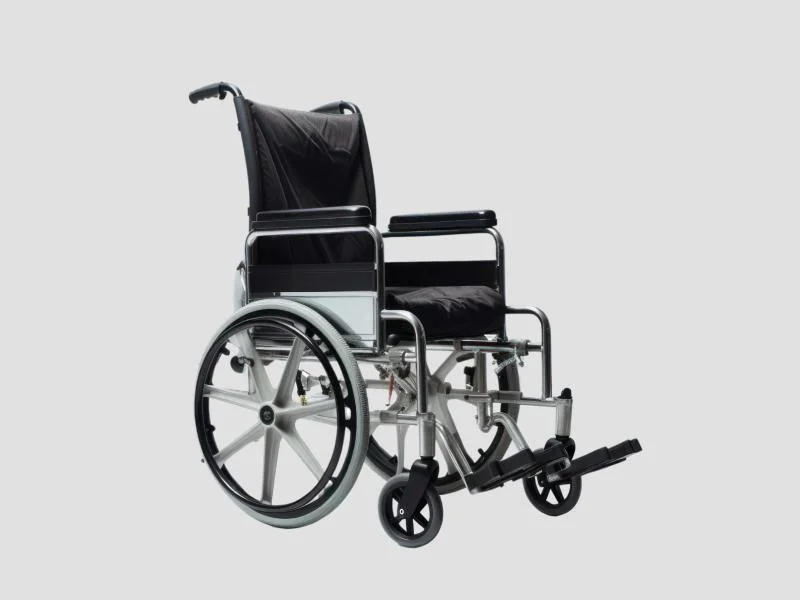
𝗪𝗵𝗮𝘁 𝗮𝗿𝗲 𝗠𝗮𝗻𝘂𝗮𝗹 𝗪𝗵𝗲𝗲𝗹𝗰𝗵𝗮𝗶𝗿𝘀?
Manual wheelchairs are mobility devices designed for individuals who have difficulty walking due to various physical conditions. These wheelchairs are propelled by the user or an attendant and offer a practical solution for enhancing mobility and independence. Unlike powered wheelchairs, manual wheelchairs require human effort for movement, making them lightweight and more affordable.
The primary uses of manual wheelchairs include providing mobility for people with disabilities, assisting in rehabilitation, and offering a means of transport in healthcare facilities. Businesses in the healthcare sector, such as hospitals and rehabilitation centers, often utilize manual wheelchairs to cater to patients with temporary or permanent mobility challenges. In addition to healthcare, manual wheelchairs are also relevant in industries such as hospitality and travel, where they assist in accommodating guests with mobility needs.
With the growing emphasis on inclusive design and accessibility, the manual wheelchair market is expanding. Many manufacturers focus on innovation to improve comfort, functionality, and usability. This trend reflects the increasing awareness of the importance of mobility solutions for a diverse population, creating a significant impact on the industry.
𝗞𝗲𝘆 𝗙𝗲𝗮𝘁𝘂𝗿𝗲𝘀 𝗮𝗻𝗱 𝗦𝗽𝗲𝗰𝗶𝗳𝗶𝗰𝗮𝘁𝗶𝗼𝗻𝘀
Manual wheelchairs come with various features and specifications that enhance their functionality and user experience. These specifications are crucial for buyers to understand as they determine the suitability of a wheelchair for specific needs.
Key specifications include:
1. Frame Material
- Common materials include aluminum and steel.
- Aluminum frames are lightweight, while steel frames offer durability.
2. Wheel Size
- Typical wheel sizes range from 24 to 26 inches.
- Larger wheels provide better maneuverability over uneven surfaces.
3. Seat Width
- Standard seat widths can vary from 16 to 20 inches.
- Wider seats accommodate larger users for comfort.
4. Weight Capacity
- Most manual wheelchairs support a weight capacity of 250 to 350 pounds.
- Higher weight limits are available for specialized models.
5. Foldability
- Many models are designed to fold for easy transport.
- Folding mechanisms can vary in complexity and ease of use.
6. Armrest Options
- Armrests can be fixed or removable.
- Adjustable armrests provide additional comfort and support.
7. Footrest Type
- Footrests can be swing-away or elevating.
- Elevating footrests help with circulation and comfort.
8. Brake System
- Wheelchairs typically feature push-to-lock brakes.
- Some models offer advanced braking systems for added safety.
In summary, understanding these key specifications helps buyers select manual wheelchairs that best meet the needs of users, ensuring comfort and functionality.
𝗖𝗼𝗺𝗺𝗼𝗻 𝗔𝗽𝗽𝗹𝗶𝗰𝗮𝘁𝗶𝗼𝗻𝘀 𝗮𝗻𝗱 𝗨𝘀𝗲 𝗖𝗮𝘀𝗲𝘀
Manual wheelchairs serve various industries, providing essential mobility solutions for diverse user groups.
1. Healthcare: Hospitals and clinics use manual wheelchairs to transport patients who have temporary mobility issues during recovery or rehabilitation.
2. Hospitality: Hotels and resorts equip their facilities with manual wheelchairs to assist guests with mobility challenges, ensuring accessibility in common areas.
3. Education: Schools employ manual wheelchairs to support students with disabilities, facilitating their participation in academic and extracurricular activities.
4. Retail: Stores and shopping centers provide manual wheelchairs for customers, enhancing the shopping experience for individuals with mobility impairments.
5. Transportation: Public transportation services offer manual wheelchairs to assist passengers with disabilities, promoting inclusivity in travel.
6. Home Care: Caregivers use manual wheelchairs to assist individuals with limited mobility in daily living activities, contributing to their independence at home.
7. Sports: Various adaptive sports programs utilize manual wheelchairs designed for competitive use, enabling athletes with disabilities to participate in sports.
𝗣𝗿𝗼𝗱𝘂𝗰𝘁 𝗩𝗮𝗿𝗶𝗮𝗻𝘁𝘀 𝗮𝗻𝗱 𝗦𝘂𝗯𝗰𝗮𝘁𝗲𝗴𝗼𝗿𝗶𝗲𝘀
Manual wheelchairs come in various designs to cater to different user needs and applications.
Standard Manual Wheelchairs
These are the most common type, designed for general use. They provide basic functionality with essential features, making them suitable for everyday mobility needs.
Lightweight Manual Wheelchairs
Designed for portability, these wheelchairs are made from lightweight materials. They are ideal for users who require a wheelchair for travel and prefer ease of transport.
Transport Wheelchairs
Transport wheelchairs are specifically designed for being pushed by an attendant. They are typically lighter and more compact, making them suitable for short-distance travel.
Reclining Manual Wheelchairs
These wheelchairs feature a reclining backrest to enhance comfort for users who need to rest frequently. They are beneficial for individuals with specific medical conditions.
𝗕𝗲𝗻𝗲𝗳𝗶𝘁𝘀 𝗮𝗻𝗱 𝗔𝗱𝘃𝗮𝗻𝘁𝗮𝗴𝗲𝘀
Manual wheelchairs offer numerous advantages for users and caregivers alike.
Key benefits include:
1. Cost-Effectiveness: Manual wheelchairs are generally more affordable than powered alternatives, making them accessible for a wider range of users.
2. Lightweight Design: Many manual wheelchairs are constructed from lightweight materials, facilitating easier transport and maneuverability.
3. Better Control: Users can have greater control over their movement, allowing for precise navigation in various environments.
4. Compact Storage: Manual wheelchairs can often be folded, making them easier to store in limited spaces.
5. Customization Options: Buyers can select from various features, ensuring the wheelchair meets specific user needs and preferences.
6. Durability: High-quality manual wheelchairs are built to withstand daily use, providing long-lasting mobility solutions.
𝗕𝘂𝘆𝗶𝗻𝗴 𝗚𝘂𝗶𝗱𝗲 𝗳𝗼𝗿 𝗕𝟮𝗕 𝗕𝘂𝘆𝗲𝗿𝘀
When sourcing manual wheelchairs, it is crucial for B2B buyers to consider several factors to ensure they make informed purchasing decisions.
1. Quality Assessment: Buyers should evaluate the material quality and overall construction of the wheelchairs. Consideration of user reviews and manufacturer reputation can provide insights into product durability.
2. Supplier Verification: It is essential to vet suppliers for their credibility and reliability. This includes checking references, certifications, and previous client feedback to ensure a trustworthy partnership.
3. Pricing and MOQ: Understanding the price range and minimum order quantities (MOQ) is vital for budgeting. Buyers should compare prices across multiple suppliers to find the best deal without compromising quality.
4. Delivery and Lead Times: Logistics play a significant role in the procurement process. Buyers should inquire about typical delivery times to ensure timely access to products.
5. Compliance Requirements: Familiarity with regulatory standards and certifications relevant to manual wheelchairs is important. Buyers must ensure that products meet necessary safety and quality standards.
𝗖𝗼𝗺𝗽𝗹𝗶𝗮𝗻𝗰𝗲 𝗮𝗻𝗱 𝗖𝗲𝗿𝘁𝗶𝗳𝗶𝗰𝗮𝘁𝗶𝗼𝗻𝘀
Manual wheelchairs must adhere to various quality standards and certifications to ensure safety and reliability.
ISO 9001 is a widely recognized standard that ensures manufacturers maintain consistent quality management systems. Compliance with this standard indicates that a manufacturer meets international quality requirements.
The CE certification marks products that comply with European health, safety, and environmental protection standards. This certification is crucial for manual wheelchairs being sold in European markets, ensuring they meet essential safety criteria.
Safety is paramount in the manufacturing of manual wheelchairs. Testing requirements often include assessing durability, stability, and braking efficiency to ensure user safety.
Regional compliance considerations may vary based on local regulations. Buyers should be aware of specific compliance needs in their respective markets to ensure that the manual wheelchairs they source are fully compliant.
𝗪𝗵𝘆 𝗦𝗼𝘂𝗿𝗰𝗲 𝗠𝗮𝗻𝘂𝗮𝗹 𝗪𝗵𝗲𝗲𝗹𝗰𝗵𝗮𝗶𝗿𝘀 𝗳𝗿𝗼𝗺 𝗣𝗲𝗽𝗮𝗴𝗼𝗿𝗮?
Pepagora provides a trusted platform for sourcing manual wheelchairs, offering several key advantages to B2B buyers.
Verified Supplier Network: Pepagora has established a network of verified suppliers, ensuring that buyers can access high-quality products from reputable manufacturers. This network helps mitigate risks associated with sourcing.
Streamlined RFQ Process: The request for quotation (RFQ) process at Pepagora is designed to be straightforward, allowing buyers to efficiently compare prices and specifications from multiple suppliers. This saves time and enables better decision-making.
Trade Assurance and Support: With a focus on buyer protection, Pepagora offers trade assurance to ensure that transactions are secure. Support services are available to assist buyers throughout the purchasing process.
Regional Coverage: Pepagora's extensive reach spans India, the GCC, and Southeast Asia. This geographic coverage allows buyers from various regions to access a wide range of manual wheelchair options tailored to local market needs.

 IN
IN