
 IN
IN₹
Apparel & Fashion
Loading subcategories...
View More
Manual Sphygmomanometers
1 products available
𝗪𝗵𝗮𝘁 𝗮𝗿𝗲 𝗠𝗮𝗻𝘂𝗮𝗹 𝗦𝗽𝗵𝘆𝗴𝗺𝗼𝗺𝗮𝗻𝗼𝗺𝗲𝘁𝗲𝗿𝘀?
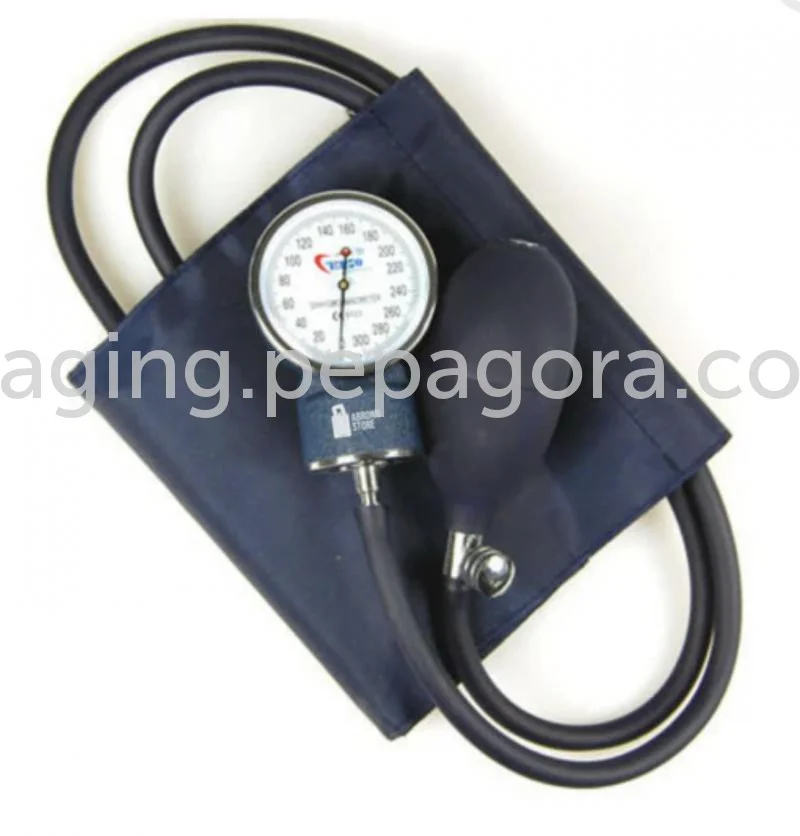
Manual sphygmomanometers are medical devices used to measure blood pressure. They consist of an inflatable cuff and a mercury or aneroid manometer to display the pressure readings. The cuff is wrapped around a patient's arm, and as it inflates, it restricts blood flow. The pressure is then gradually released while observing the readings on the manometer to determine systolic and diastolic blood pressures.
These devices are primarily utilized in healthcare settings such as hospitals, clinics, and doctors' offices. They play a crucial role in diagnosing and managing conditions like hypertension. Manual sphygmomanometers are preferred in certain medical environments for their accuracy and reliability, especially in situations where electronic devices may be less effective or prone to malfunction.
In the current market, manual sphygmomanometers continue to hold their ground despite the rise of digital alternatives. Their cost-effectiveness and the lack of reliance on batteries or electrical power make them relevant in both developed and developing regions. They are particularly valued in settings that prioritize clinical accuracy and direct patient assessment.
𝗞𝗲𝘆 𝗙𝗲𝗮𝘁𝘂𝗿𝗲𝘀 𝗮𝗻𝗱 𝗦𝗽𝗲𝗰𝗶𝗳𝗶𝗰𝗮𝘁𝗶𝗼𝗻𝘀
Manual sphygmomanometers come with several important features and specifications that ensure their functionality and reliability in medical environments. These specifications contribute to the effectiveness of the device in accurately measuring blood pressure.
Key specifications include:
1. Measurement Range
- Typical range is from 0 to 300 mmHg.
- Allows for a wide variety of blood pressure readings.
2. Accuracy
- Accuracy is generally ±3 mmHg.
- Ensures reliable measurements for patient assessment.
3. Cuff Sizes
- Available in various sizes, including adult and pediatric.
- Ensures proper fit for diverse patient populations.
4. Type of Manometer
- Options include mercury or aneroid types.
- Mercury manometers are known for high accuracy, while aneroid is lightweight and portable.
5. Calibration
- Requires regular calibration to maintain accuracy.
- Calibration standards should be adhered to as per manufacturer guidelines.
6. Construction Material
- Cuffs are typically made from durable, easy-to-clean materials.
- Ensures longevity and hygiene in clinical settings.
7. Weight
- Generally lightweight, facilitating portability.
- Important for use in various healthcare settings.
8. Compliance with Standards
- Must meet applicable healthcare standards.
- Ensures safety and effectiveness in clinical use.
In summary, manual sphygmomanometers are designed with specific features and specifications that enhance their reliability and accuracy for measuring blood pressure in various healthcare applications.
𝗖𝗼𝗺𝗺𝗼𝗻 𝗔𝗽𝗽𝗹𝗶𝗰𝗮𝘁𝗶𝗼𝗻𝘀 𝗮𝗻𝗱 𝗨𝘀𝗲 𝗖𝗮𝘀𝗲𝘀
Manual sphygmomanometers are versatile tools used across multiple industries, primarily in healthcare settings.
1. Healthcare: In hospitals and clinics, these devices are essential for routine blood pressure assessments, critical in diagnosing conditions like hypertension and heart disease.
2. Emergency Services: Paramedics and emergency medical technicians utilize manual sphygmomanometers in pre-hospital settings to monitor patients' vital signs effectively.
3. Home Healthcare: Patients with chronic conditions may use manual sphygmomanometers at home for regular monitoring, ensuring they maintain control over their health.
4. Veterinary Medicine: Veterinarians employ these devices to monitor the blood pressure of animals, aiding in the diagnosis and management of various health conditions.
5. Sports Medicine: Used by sports physicians to assess the blood pressure of athletes, ensuring they are fit for competition and managing any underlying health concerns.
6. Occupational Health: Companies may use manual sphygmomanometers to screen employees for hypertension as part of workplace health programs.
7. Research: In clinical studies, manual sphygmomanometers provide accurate readings for research involving cardiovascular health.
𝗣𝗿𝗼𝗱𝘂𝗰𝘁 𝗩𝗮𝗿𝗶𝗮𝗻𝘁𝘀 𝗮𝗻𝗱 𝗦𝘂𝗯𝗰𝗮𝘁𝗲𝗴𝗼𝗿𝗶𝗲𝘀
Manual sphygmomanometers come in various forms to cater to specific medical needs and settings. Each variant is designed with unique features suited for different applications.
Aneroid Sphygmomanometer: This variant features a dial gauge for displaying blood pressure measurements. It is lightweight and portable, making it ideal for use in both clinical and field settings.
Mercury Sphygmomanometer: Known for its high accuracy, this type uses mercury to measure blood pressure. It is commonly found in hospital settings due to its reliability, although it requires careful handling due to the toxic nature of mercury.
Portable Sphygmomanometer: Designed for ease of transport, this variant is perfect for home healthcare or emergency medical services. It often includes a compact design and lightweight materials for convenience.
𝗕𝗲𝗻𝗲𝗳𝗶𝘁𝘀 𝗮𝗻𝗱 𝗔𝗱𝘃𝗮𝗻𝘁𝗮𝗴𝗲𝘀
Manual sphygmomanometers offer a range of benefits that make them a preferred choice in many healthcare settings.
1. High Accuracy: These devices provide precise blood pressure readings, which are crucial for effective patient management.
2. Cost-Effectiveness: They are generally more affordable than digital alternatives, making them accessible for various healthcare facilities.
3. No Battery Dependency: Manual sphygmomanometers do not require batteries, ensuring they can be used anytime without concerns about power sources.
4. Portability: Many variants are lightweight and easy to transport, suitable for both clinical and emergency use.
5. Easy Maintenance: These devices are typically easy to clean and maintain, contributing to their longevity and hygiene.
6. Clinical Training: Manual sphygmomanometers help healthcare professionals develop important skills in blood pressure measurement techniques.
𝗕𝘂𝘆𝗶𝗻𝗴 𝗚𝘂𝗶𝗱𝗲 𝗳𝗼𝗿 𝗕𝟮𝗕 𝗕𝘂𝘆𝗲𝗿𝘀
When sourcing manual sphygmomanometers, B2B buyers should consider several key factors to ensure they make informed purchasing decisions.
1. Quality Assessment: Look for devices that meet established quality standards, such as accuracy and reliability. Ensure the product has undergone testing to verify its performance.
2. Supplier Verification: Vet potential suppliers thoroughly. Check for certifications and a history of providing quality medical equipment to ensure reliability.
3. Pricing and MOQ: Understand the pricing structure and minimum order quantities. Compare costs among different suppliers to find the best value without compromising quality.
4. Delivery and Lead Times: Inquire about shipping options and expected lead times. Timely delivery is crucial for maintaining inventory and meeting patient needs.
5. Compliance Requirements: Ensure that the products comply with relevant healthcare regulations and standards. This includes checking for certifications such as CE marking for safety and effectiveness.
𝗖𝗼𝗺𝗽𝗹𝗶𝗮𝗻𝗰𝗲 𝗮𝗻𝗱 𝗖𝗲𝗿𝘁𝗶𝗳𝗶𝗰𝗮𝘁𝗶𝗼𝗻𝘀
Manual sphygmomanometers must adhere to various quality standards and certifications to ensure safety and effectiveness in clinical use. Key standards include ISO 9001, which focuses on quality management systems, ensuring manufacturers maintain high-quality production processes.
Industry certifications, such as CE marking, indicate that the product meets European safety and health requirements. This certification is crucial for devices used in patient care, as it assures users of compliance with established safety protocols.
Safety and testing requirements are essential to ensure the accuracy of blood pressure measurements. Manufacturers should provide documentation that demonstrates their products have undergone rigorous testing.
Regional compliance considerations may vary, so it is important for buyers to understand the specific regulations in their geographic area before making a purchase.
𝗪𝗵𝘆 𝗦𝗼𝘂𝗿𝗰𝗲 𝗠𝗮𝗻𝘂𝗮𝗹 𝗦𝗽𝗵𝘆𝗴𝗺𝗼𝗺𝗮𝗻𝗼𝗺𝗲𝘁𝗲𝗿𝘀 𝗳𝗿𝗼𝗺 𝗣𝗲𝗽𝗮𝗴𝗼𝗿𝗮?
Pepagora offers a trusted platform for sourcing manual sphygmomanometers, providing several key advantages for B2B buyers.
Verified Supplier Network: Pepagora has built a robust network of verified suppliers, ensuring that buyers can access high-quality products from reputable manufacturers. This minimizes the risk of sourcing unreliable equipment.
Streamlined RFQ Process: The request for quotation (RFQ) system simplifies the procurement process. Buyers can easily communicate their needs and receive competitive quotes from multiple suppliers, saving time and effort.
Trade Assurance and Support: Pepagora offers buyer protection through trade assurance programs. This ensures that transactions are secure and that buyers receive the products they expect.
Regional Coverage: With a strong presence in regions like India, the GCC, and Southeast Asia, Pepagora facilitates access to local suppliers. This geographic reach enhances convenience and efficiency for buyers across various markets.

Frequently Asked Questions
1
What is Manual Sphygmomanometers?
Manual Sphygmomanometers is a product offered by global suppliers on Pepagora.
2
How do I find suppliers for Manual Sphygmomanometers?
Use Pepagora's search and filter options to find verified suppliers.
3
Can I request a quote for Manual Sphygmomanometers?
Yes, use the RFQ feature to request quotes from multiple suppliers.
4
Is Manual Sphygmomanometers available in multiple languages?
Pepagora supports multilingual catalogs for global buyers.
5
What trust signals are available for Manual Sphygmomanometers?
Look for TruBadge, RFQ, and multilingual support on supplier profiles.
Why Businesses Trust Pepagora
Thousands of companies trust Pepagora to source smarter and sell faster
Expand Your Sales Globally
25000+Products listed.Get discovered by global buyers
Tools to boost visibility
Build your own catalog

Source Smarter,Grow Faster
4000+Active RFQs
100+ Countries served
Easy Sourcing Tools
