
 IN
Luxury Vehicle Showrooms
2 products available
What are Luxury Vehicle Showrooms?
Luxury vehicle showrooms are specialized retail spaces designed to display high-end automobiles in an upscale and visually appealing manner. These showrooms are meticulously designed to create an immersive experience for potential buyers, showcasing not only the vehicles but also the brand's identity and prestige. The layout, lighting, and decor are all tailored to enhance the luxury aspect of the vehicles on display.
These showrooms primarily serve the automotive industry, playing a crucial role in the sales process for luxury vehicles. They provide an environment where potential buyers can interact with the vehicles, receive personalized service from knowledgeable staff, and experience the brand's offerings firsthand. The market for luxury vehicle showrooms is competitive, with brands constantly innovating their designs and customer engagement strategies to attract high-net-worth individuals.
Industry relevance is significant, as luxury vehicle showrooms reflect broader trends in consumer behavior and retail design. As the demand for luxury goods continues to grow globally, these showrooms must adapt to the evolving preferences of affluent consumers, integrating technology and creating unique experiences that resonate with their clientele.
Key Features and Specifications
Luxury vehicle showrooms incorporate several key features that enhance their functionality and aesthetic appeal. These specifications ensure that the showrooms not only display vehicles effectively but also create an environment conducive to sales.
Key specifications include:
1. Floor Space
- Ample square footage to accommodate multiple vehicles and facilitate customer movement
- Typically ranges from 1,500 to 5,000 square feet depending on the brand and location
2. Lighting
- High-quality lighting systems to highlight vehicle features and create a luxurious ambiance
- Often includes adjustable LED and spotlight options for flexibility
3. Climate Control
- Advanced HVAC systems to maintain optimal temperature and humidity levels for vehicle preservation
- Critical in regions with extreme weather conditions
4. Security Features
- Integrated security systems including surveillance cameras and alarm systems
- Essential for protecting high-value inventory
5. Customer Interaction Areas
- Designated zones for customer consultations and vehicle demonstrations
- Comfortable seating and refreshments to enhance the buying experience
6. Digital Integration
- Interactive displays and virtual reality setups for an engaging customer experience
- Technology to facilitate vehicle customization and information access
7. Accessibility
- Design considerations for easy access to all areas of the showroom for all customers
- Compliance with local regulations for accessibility
8. Branding Elements
- Customized branding and signage to reflect the luxury identity of the brand
- Use of high-quality materials in decor to enhance brand perception
In summary, the features and specifications of luxury vehicle showrooms are crucial for creating an inviting atmosphere that drives sales and enhances customer experience.
Common Applications and Use Cases
Luxury vehicle showrooms find applications in various sectors, primarily focused on the automotive industry.
1. Automotive Retail: These showrooms are the primary location for luxury car sales, allowing customers to experience the vehicles in a curated environment.
2. Brand Experience Centers: Many luxury brands use showrooms not just for sales but to immerse customers in their brand story, offering test drives and exclusive events.
3. Trade Shows: Luxury vehicle showrooms often participate in automotive trade shows, showcasing their latest models and technologies to industry professionals and potential buyers.
4. Event Hosting: Some showrooms double as event spaces for product launches, private viewings, and exclusive customer events, providing a luxury experience.
5. Customer Service Centers: Beyond sales, these showrooms may also serve as service centers for maintenance and repairs, offering high-quality customer service.
6. Automotive Education: Showrooms can host informative sessions about vehicle technology and maintenance, catering to both customers and automotive enthusiasts.
7. Leasing and Financing Services: Many showrooms provide options for leasing and financing, allowing customers various ways to acquire luxury vehicles.
Product Variants and Subcategories
Luxury vehicle showrooms offer a range of designs and layouts to suit different brands and customer needs. While specific subcategories are not available, there are variations in showroom design based on brand identity and target demographics.
High-End Boutique Showrooms: These showrooms focus on a limited number of exclusive vehicles, providing a personalized and intimate shopping experience.
Large Multi-Brand Showrooms: These facilities display vehicles from multiple luxury brands, catering to a diverse customer base and offering a wide selection.
Brand Flagship Showrooms: These are iconic locations representing a brand's identity, often situated in prime locations, featuring the latest models and brand experiences.
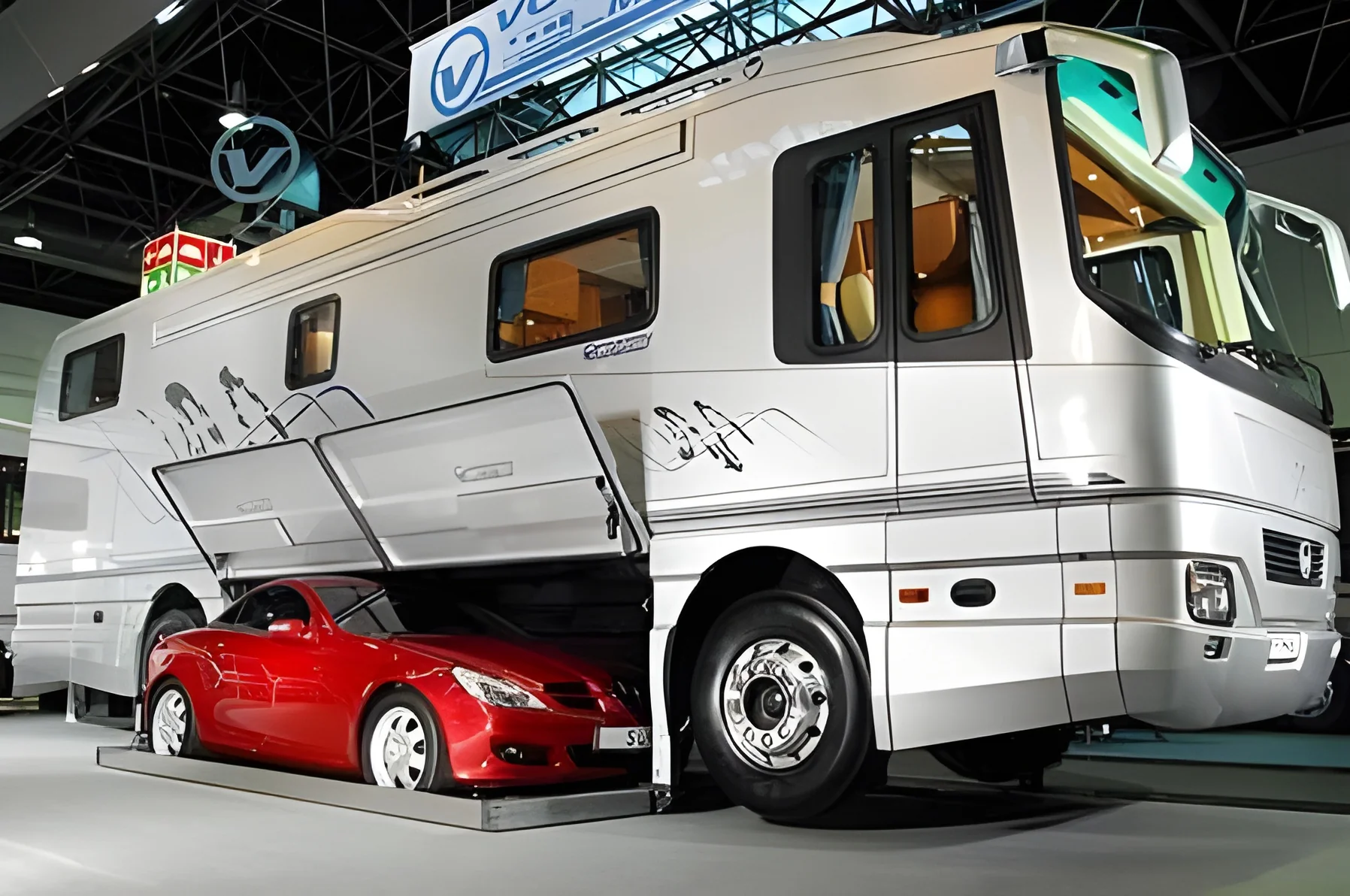
Mobile Showrooms: Some brands employ mobile showrooms to bring luxury vehicles directly to potential customers, enhancing accessibility and convenience.
Benefits and Advantages
Investing in luxury vehicle showrooms offers numerous benefits for businesses in the automotive sector.
Key benefits include:
1. Enhanced Customer Experience: A well-designed showroom creates an inviting atmosphere that enhances customer engagement and satisfaction.
2. Brand Representation: Luxury showrooms serve as a physical embodiment of a brand's values and identity, reinforcing brand loyalty.
3. Increased Sales Potential: With the right design and features, showrooms can significantly improve sales conversions by providing an immersive buying experience.
4. Competitive Advantage: Unique showroom designs can differentiate a brand from competitors, attracting a more affluent clientele.
5. Networking Opportunities: Showrooms can host events and gatherings, fostering relationships with potential buyers and industry professionals.
6. After-Sales Support: A showroom can serve as a convenient location for after-sales services, enhancing customer retention.
Buying Guide for B2B Buyers
When sourcing luxury vehicle showrooms, buyers should consider several critical factors to ensure successful procurement.
1. Quality Assessment: Look for showrooms built with high-quality materials and superior craftsmanship. Consider how design impacts the overall customer experience.
2. Supplier Verification: Vet potential suppliers thoroughly to ensure they have a proven track record in delivering luxury showrooms that meet industry standards.
3. Pricing and MOQ: Understand the pricing structures and minimum order quantities, as these can vary significantly based on customization and features.
4. Delivery and Lead Times: Discuss logistics and timelines with suppliers to ensure timely delivery of showroom components and setups.
5. Compliance Requirements: Be aware of any local regulations or compliance standards that the showroom must meet for safety and accessibility.
Compliance and Certifications
Luxury vehicle showrooms must adhere to several relevant quality standards and certifications to ensure safety and quality.
ISO 9001 is a common quality management standard that ensures consistent quality in products and services. Compliance with such standards can enhance customer trust and brand reputation.
Many luxury vehicle showrooms also seek CE certification, which indicates that the showroom meets European safety, health, and environmental protection requirements.
Safety and testing requirements are essential, especially in regions with strict regulations regarding building codes and customer safety.
Finally, regional compliance considerations must be taken into account, as various countries may have specific regulations governing automotive sales environments, including accessibility standards and environmental impact assessments.
Why Source Luxury Vehicle Showrooms from Pepagora?
Pepagora offers a reliable platform for sourcing luxury vehicle showrooms, providing several key advantages for B2B buyers.
Verified Supplier Network: Pepagora collaborates with a network of verified suppliers, ensuring that buyers have access to quality products from trusted manufacturers.
Streamlined RFQ Process: The platform simplifies the request for quotation process, allowing buyers to easily compare offers and select the best options for their needs.
Trade Assurance and Support: Buyers benefit from trade assurance measures that protect their purchases, ensuring satisfaction and peace of mind throughout the procurement process.
Regional Coverage: With a strong presence in regions such as India, the Gulf Cooperation Council, and Southeast Asia, Pepagora offers extensive geographic reach, connecting buyers with suppliers in key markets.


 India
 India
Frequently Asked Questions
What are Luxury Vehicle Showrooms?
Luxury Vehicle Showrooms are specialized retail spaces that showcase and sell high-end vehicles, including luxury cars, SUVs, and sports cars. These showrooms often provide an exclusive shopping experience, featuring premium brands and personalized service.
What are the different types of Luxury Vehicle Showrooms?
Different types of Luxury Vehicle Showrooms include brand-specific showrooms, multi-brand luxury vehicle dealerships, and pre-owned luxury vehicle outlets. Each type caters to specific customer preferences and offers a range of luxury vehicles from various manufacturers.
How do I choose the right Luxury Vehicle Showrooms?
To choose the right Luxury Vehicle Showroom, consider factors such as the showroom's reputation, customer reviews, and the range of luxury vehicles offered. Additionally, evaluate their customer service quality and after-sales support to ensure a satisfactory purchasing experience.
What are the standard specifications for Luxury Vehicle Showrooms?
Standard specifications for Luxury Vehicle Showrooms typically include a premium layout and design, spacious display areas for vehicles, and state-of-the-art facilities for customer interaction. Showrooms also often feature service areas for vehicle maintenance and support.
What is the price range for Luxury Vehicle Showrooms?
The price range for Luxury Vehicle Showrooms can vary significantly based on location, brand offerings, and the scale of operations. Generally, the investment can start from several lakhs to crores of Indian Rupees, depending on these factors.
What quality standards apply to Luxury Vehicle Showrooms?
Luxury Vehicle Showrooms are expected to adhere to high quality standards in terms of customer service, vehicle presentation, and facility maintenance. Additionally, they must comply with local regulations and industry norms to ensure a premium shopping experience.
Where can I find Luxury Vehicle Showrooms suppliers in India?
You can find Luxury Vehicle Showrooms suppliers in India through B2B marketplaces like Pepagora, industry trade shows, and automotive expos. Networking with industry professionals and conducting online research can also help identify reputable suppliers.
Can Luxury Vehicle Showrooms be customized?
Yes, Luxury Vehicle Showrooms can be customized to meet specific business needs and branding requirements. This can include tailored interior designs, unique display arrangements, and specialized customer service areas to enhance the shopping experience.
What is the typical minimum order quantity for Luxury Vehicle Showrooms?
The typical minimum order quantity (MOQ) for Luxury Vehicle Showrooms can vary based on the supplier and the type of vehicles being sourced. It is advisable to discuss MOQ directly with potential suppliers to understand their specific requirements.
What is the typical lead time for Luxury Vehicle Showrooms?
The typical lead time for setting up Luxury Vehicle Showrooms can range from a few weeks to several months, depending on factors such as location, customization, and supplier availability. Planning and coordination with suppliers can help streamline the process.
Why Businesses Trust Pepagora
Thousands of companies trust Pepagora to source smarter and sell faster
Expand Your Sales Globally

Source Smarter,Grow Faster
