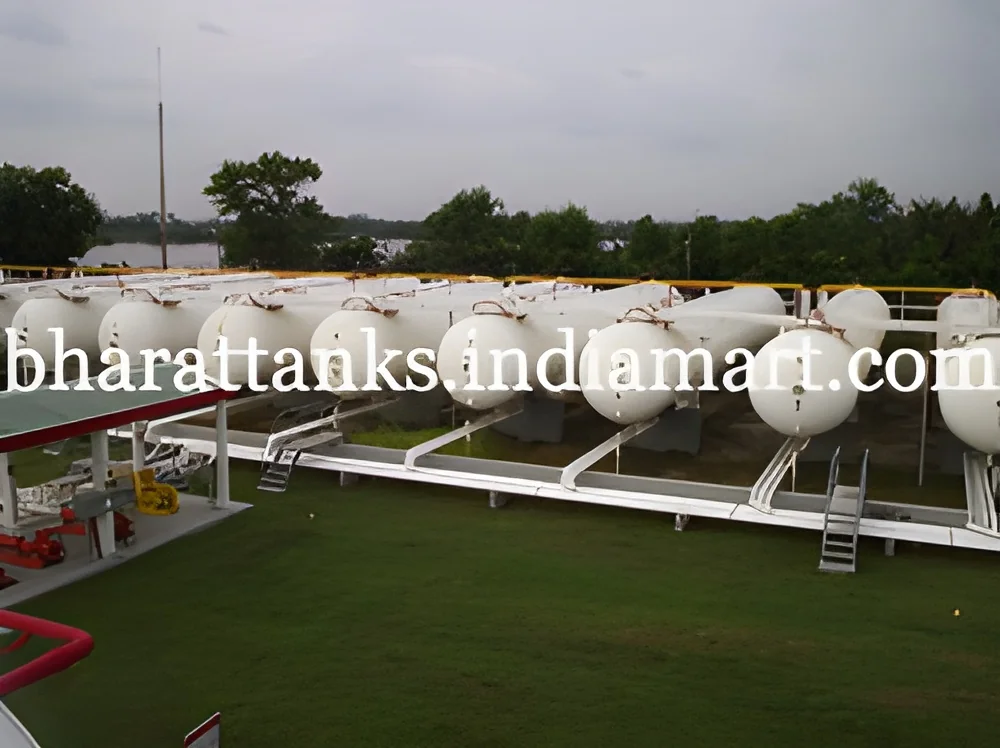
𝗪𝗵𝗮𝘁 𝗮𝗿𝗲 𝗟𝗶𝗾𝘂𝗶𝗱 𝗢𝘅𝘆𝗴𝗲𝗻/𝗡𝗶𝘁𝗿𝗼𝗴𝗲𝗻 𝗣𝗹𝗮𝗻𝘁𝘀?
Liquid Oxygen and Nitrogen Plants are specialized facilities designed to produce liquid forms of oxygen and nitrogen through the process of cryogenic distillation. These plants operate by cooling air to extremely low temperatures, separating its components based on their boiling points. The end products, liquid oxygen and liquid nitrogen, are stored and transported in insulated tanks for various industrial applications.
The primary uses of liquid oxygen include supporting combustion in industries such as aerospace and metal fabrication, while liquid nitrogen is widely utilized for cryogenic freezing, preserving biological samples, and in the food processing sector. Both gases play critical roles in healthcare, manufacturing, and energy production, making Liquid Oxygen/Nitrogen Plants essential in numerous business applications.
As industries increasingly focus on efficiency and sustainability, the demand for liquid oxygen and nitrogen is growing. These gases are integral to processes that enhance production capabilities and ensure safety. The global market for these gases is expanding, driven by advancements in technology and an increasing emphasis on environmental compliance in various sectors.
𝗞𝗲𝘆 𝗙𝗲𝗮𝘁𝘂𝗿𝗲𝘀 𝗮𝗻𝗱 𝗦𝗽𝗲𝗰𝗶𝗳𝗶𝗰𝗮𝘁𝗶𝗼𝗻𝘀
Liquid Oxygen/Nitrogen Plants come equipped with a range of features designed to optimize production efficiency and ensure safety. These specifications are critical for understanding the capabilities and performance of the plants.
Key specifications include:
1. Production Capacity
- Varies based on plant size and design
- Common capacities range from 10 to 100 tons per day
2. Operating Temperature
- Essential for the cryogenic process
- Typically maintained at temperatures below -196 degrees Celsius
3. Purity Levels
- High purity levels are crucial for specific applications
- Oxygen purity can reach up to 99.5%, while nitrogen purity can be around 99.999%
4. Energy Efficiency
- Modern plants prioritize low energy consumption
- Efficiency ratings can range from 80% to 95%
5. Safety Features
- Includes pressure relief valves and emergency shut-off systems
- Compliance with industry safety standards is mandatory
6. Automation and Control Systems
- Advanced monitoring systems for real-time data
- Integration with automated control for optimized operation
7. Maintenance Requirements
- Designed for easy access to critical components
- Regular maintenance schedules enhance longevity and performance
8. Modular Design
- Flexibility in plant size and expansion
- Enables customization based on client needs
In summary, Liquid Oxygen/Nitrogen Plants are characterized by high production capacities, stringent purity levels, and essential safety features, making them suitable for diverse industrial applications.
𝗖𝗼𝗺𝗺𝗼𝗻 𝗔𝗽𝗽𝗹𝗶𝗰𝗮𝘁𝗶𝗼𝗻𝘀 𝗮𝗻𝗱 𝗨𝘀𝗲 𝗖𝗮𝘀𝗲𝘀
Liquid Oxygen/Nitrogen Plants serve various industries, each with unique applications for the gases produced.
1. Aerospace: Liquid oxygen is used as an oxidizer in rocket propulsion systems, enabling the launch of spacecraft and satellites.
2. Healthcare: Liquid nitrogen is utilized for cryopreservation of biological samples and in cryosurgery, offering critical solutions in medical fields.
3. Food Processing: Liquid nitrogen is employed for flash freezing and maintaining the freshness of food products during storage and transportation.
4. Metal Fabrication: Liquid oxygen enhances combustion in steel manufacturing and welding processes, improving efficiency and product quality.
5. Chemical Manufacturing: Both gases are used in various chemical processes, including reactions that require controlled environments.
6. Electronics: Liquid nitrogen serves in the cooling of superconductors and semiconductor manufacturing, ensuring optimal performance.
7. Oil and Gas: Liquid oxygen is used in enhanced oil recovery processes, increasing extraction efficiency.
𝗣𝗿𝗼𝗱𝘂𝗰𝘁 𝗩𝗮𝗿𝗶𝗮𝗻𝘁𝘀 𝗮𝗻𝗱 𝗦𝘂𝗯𝗰𝗮𝘁𝗲𝗴𝗼𝗿𝗶𝗲𝘀
Liquid Oxygen/Nitrogen Plants can vary in design and functionality, catering to different operational needs.
Compact Liquid Plants
These plants are designed for smaller production capacities and are ideal for businesses with limited space. They offer efficient production of liquid gases while being cost-effective.
Large Scale Liquid Plants
These facilities are built for high-volume production, suitable for large industrial operations. They incorporate advanced technology for maximum efficiency and output capacity.
Mobile Liquid Plants
These are portable units that can be relocated based on demand. They are perfect for temporary setups or in areas where permanent installations are not feasible.
𝗕𝗲𝗻𝗲𝗳𝗶𝘁𝘀 𝗮𝗻𝗱 𝗔𝗱𝘃𝗮𝗻𝘁𝗮𝗴𝗲𝘀
Liquid Oxygen/Nitrogen Plants provide significant advantages for businesses seeking reliable gas supply solutions.
1. High Efficiency: These plants maximize output while minimizing energy consumption, leading to cost savings.
2. Versatility: They cater to a wide range of industries, allowing businesses to utilize the same plant for multiple applications.
3. Reliability: Consistent production ensures that industries have a steady supply of essential gases.
4. Safety: Equipped with advanced safety features, these plants minimize risks associated with gas production and usage.
5. Customization: Many plants are designed to meet specific operational requirements, allowing for tailored solutions.
6. Environmental Compliance: Modern plants adhere to strict regulations, ensuring minimal environmental impact during operation.
𝗕𝘂𝘆𝗶𝗻𝗴 𝗚𝘂𝗶𝗱𝗲 𝗳𝗼𝗿 𝗕𝟮𝗕 𝗕𝘂𝘆𝗲𝗿𝘀
When sourcing Liquid Oxygen/Nitrogen Plants, businesses should consider several critical factors to ensure they make informed purchasing decisions.
1. Quality Assessment: It is essential to evaluate the quality of the plant's construction and components. Look for certifications and standards that validate the quality of the equipment.
2. Supplier Verification: Vet potential suppliers by checking their reputation, track record, and client references. Reliable suppliers often provide detailed documentation of their products and services.
3. Pricing and MOQ: Understand the pricing structure and minimum order quantities. Be sure to compare costs across different suppliers to find competitive pricing without compromising quality.
4. Delivery and Lead Times: Confirm the delivery schedule and lead times, as these can significantly impact your operations. Ensure the supplier can meet your timeline.
5. Compliance Requirements: Verify that the plant complies with local and international regulations. This includes safety standards and environmental laws, which are critical for operational legitimacy.
𝗖𝗼𝗺𝗽𝗹𝗶𝗮𝗻𝗰𝗲 𝗮𝗻𝗱 𝗖𝗲𝗿𝘁𝗶𝗳𝗶𝗰𝗮𝘁𝗶𝗼𝗻𝘀
Liquid Oxygen/Nitrogen Plants must meet various quality and safety standards to ensure they operate effectively and safely. Commonly recognized standards include ISO 9001, which focuses on quality management systems, and CE marking, indicating compliance with European safety requirements.
In addition to quality certifications, plants must undergo rigorous safety testing to meet industry regulations. This involves assessments of pressure systems, temperature control, and emergency response mechanisms.
Regional compliance is also crucial, as regulations may vary across different countries. Manufacturers must ensure that their plants are compliant not only with local laws but also with international standards when applicable.
𝗪𝗵𝘆 𝗦𝗼𝘂𝗿𝗰𝗲 𝗟𝗶𝗾𝘂𝗶𝗱 𝗢𝘅𝘆𝗴𝗲𝗻/𝗡𝗶𝘁𝗿𝗼𝗴𝗲𝗻 𝗣𝗹𝗮𝗻𝘁𝘀 𝗳𝗿𝗼𝗺 𝗣𝗲𝗽𝗮𝗴𝗼𝗿𝗮?
Pepagora provides a trusted platform for sourcing Liquid Oxygen/Nitrogen Plants, offering several key advantages to buyers.
Verified Supplier Network: The platform hosts a network of verified suppliers, ensuring that buyers connect with reputable manufacturers who meet industry standards.
Streamlined RFQ Process: Pepagora simplifies the request for quotation process, allowing buyers to easily compare offers from multiple suppliers, saving time and effort.
Trade Assurance and Support: Buyers benefit from trade assurance programs that protect their purchases. This includes support throughout the buying process, ensuring a smooth transaction.
Regional Coverage: Pepagora has a broad geographic reach, covering key markets such as India, the Gulf Cooperation Council, and Southeast Asia, making it easier for businesses to find suitable suppliers in their regions.

 IN
IN