Key Features and Specifications
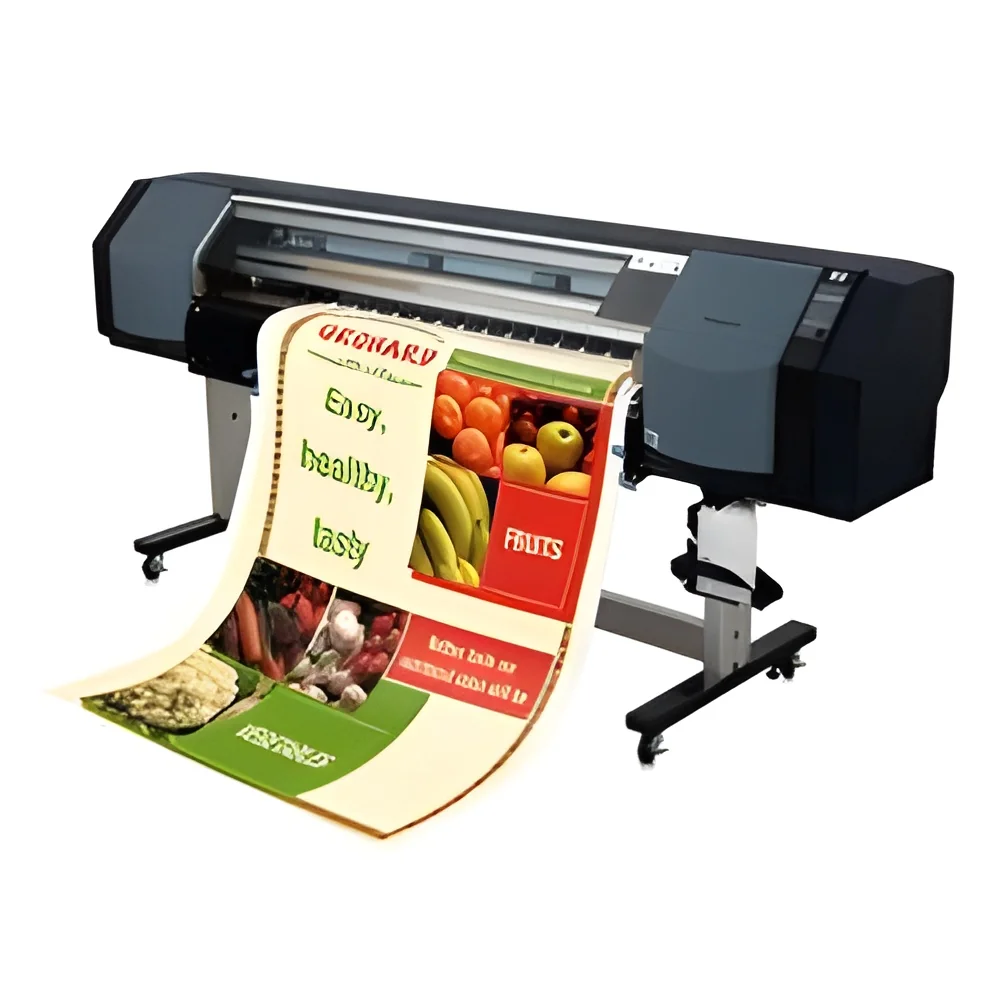
Large format printing offers a range of features and specifications that make it a preferred choice for businesses looking to create impressive visual displays. These specifications ensure high-quality output and durability, catering to various business needs.
Key specifications include:
1. Print Width
- The width of the print can vary, typically ranging from 24 inches to 126 inches.
- This allows for flexibility in designing banners and posters of various sizes.
2. Print Resolution
- Print resolution usually ranges from 720 dpi to 1440 dpi.
- Higher resolution provides sharper images and finer details.
3. Media Compatibility
- Supports various media types including vinyl, fabric, paper, and canvas.
- Each media type offers different textures and finishes for diverse applications.
4. Ink Types
- Commonly uses eco-solvent, UV, and latex inks.
- These inks provide durability and resistance to fading and weather conditions.
5. Outdoor Durability
- Prints are designed to withstand outdoor conditions.
- Resistance to UV rays and moisture is a significant advantage.
6. Color Accuracy
- Advanced printing technology ensures high color accuracy and vibrancy.
- This is crucial for maintaining brand consistency in marketing materials.
7. Turnaround Time
- Quick production times are standard, often within 1-5 business days.
- Fast turnaround helps businesses meet tight deadlines.
8. Customization Options
- Offers options for custom sizes, shapes, and finishes.
- This allows businesses to tailor their prints to specific marketing needs.
In summary, large format printing is characterized by its versatility and high-quality output, making it an invaluable tool for businesses seeking to enhance their marketing efforts.
Common Applications and Use Cases
Large format printing serves a multitude of industries, each with specific applications that benefit from this technology.
1. Retail: Retailers use large format banners to promote sales, highlight new products, and create engaging in-store displays that attract customers.
2. Event Planning: Event organizers employ large format prints for signage, backdrops, and promotional materials, ensuring a cohesive visual experience at conferences, trade shows, and exhibitions.
3. Real Estate: Real estate agents utilize large posters for property listings, open house signs, and community advertisements, effectively drawing attention to properties for sale.
4. Education: Schools and universities use large format printing for banners, educational displays, and event promotions, enhancing communication and engagement within the institution.
5. Transportation: Transportation companies create large format graphics for vehicle wraps and transit advertising, maximizing visibility while on the move.
6. Hospitality: Hotels and restaurants use large banners to showcase events, promotions, and amenities, contributing to an appealing customer experience.
7. Non-Profits: Non-profit organizations leverage large format printing for awareness campaigns and fundraising events, effectively reaching broader audiences with impactful visuals.
Product Variants and Subcategories
Large format printing encompasses various product variants, each tailored to meet specific needs.
Vinyl Banners: These are durable and weather-resistant, making them ideal for outdoor advertising. They can be printed in various sizes and are often used for promotional events and signage.
Fabric Banners: Lightweight and easily portable, fabric banners offer a premium look and feel. They are commonly used for trade shows and events where aesthetic appeal is crucial.
Poster Prints: Available in various sizes, posters can be used for marketing campaigns or decorative purposes. They can be customized in terms of design and material.
Retractable Banners: These are convenient for events and trade shows, as they can be easily transported and set up. They provide high visibility with minimal effort.
Backlit Displays: Ideal for creating eye-catching visuals in low-light environments, backlit displays enhance the impact of the printed graphics, commonly used in retail and event settings.
Benefits and Advantages
Large format printing offers numerous benefits that enhance its appeal to businesses.
1. High Visibility: Large prints are more noticeable than traditional-sized graphics, capturing attention effectively in crowded environments.
2. Customization: Businesses can tailor prints to their specific branding and messaging needs, allowing for unique and impactful designs.
3. Cost-Effectiveness: When producing large quantities, the cost per unit often decreases, making it a budget-friendly option for marketing campaigns.
4. Versatility: Large format printing can be used across various mediums and applications, providing flexibility in marketing strategies.
5. Quick Turnaround: The ability to produce prints quickly allows businesses to respond to market changes and promotional opportunities efficiently.
6. Durable Output: High-quality materials and inks ensure that prints withstand environmental factors, extending their lifespan and effectiveness.
Buying Guide for B2B Buyers
When sourcing large format printing, businesses should consider several key factors to ensure they make informed decisions.
1. Quality Assessment: Evaluate the quality of print samples, including resolution and color accuracy. High-quality output is essential for maintaining brand integrity.
2. Supplier Verification: Vet suppliers by checking their reputation, customer reviews, and their experience in the industry. Reliable suppliers often have proven track records.
3. Pricing and MOQ: Understand the pricing structure and minimum order quantities (MOQ) to ensure the investment aligns with budget constraints and project needs.
4. Delivery and Lead Times: Discuss logistics, including production times and shipping options, to ensure timely delivery of prints for campaigns and events.
5. Compliance Requirements: Be aware of any regulatory or compliance standards relevant to the specific materials and inks used in large format printing to ensure safety and quality.
Compliance and Certifications
Large format printing is subject to various compliance and certification standards that ensure quality and safety in production.
Relevant quality standards such as ISO 9001 are significant in ensuring consistent quality management systems within printing operations. This certification helps businesses maintain high standards in their processes.
Additionally, CE certification signifies compliance with European health, safety, and environmental protection standards. This is particularly important for businesses operating in or exporting to European markets.
Safety and testing requirements are crucial in ensuring that materials used in large format printing are non-toxic and safe for both consumers and the environment. Businesses must ensure that their suppliers meet these safety standards.
Regional compliance considerations may vary, particularly when dealing with environmental regulations and material sourcing. Companies should be aware of local laws and standards affecting their printing operations.
Why Source Large Format Printing (Banners, Posters) from Pepagora?
Pepagora provides a trusted platform for sourcing large format printing with several key advantages that enhance the purchasing experience for businesses.
Verified Supplier Network: Pepagora features a network of verified suppliers, ensuring that buyers can confidently source high-quality prints from reputable manufacturers. This verification process helps mitigate risks associated with vendor selection.
Streamlined RFQ Process: The Request for Quotation (RFQ) system allows buyers to easily connect with multiple suppliers, facilitating competitive pricing and enabling businesses to find the best deal for their printing needs.
Trade Assurance and Support: Buyers benefit from trade assurance policies that protect their investments. Pepagora offers support throughout the purchasing process, providing guidance and assistance when needed.
Regional Coverage: With a strong presence in India, the Gulf Cooperation Council (GCC), and Southeast Asia, Pepagora ensures that businesses can access large format printing solutions across diverse markets, catering to various regional needs and preferences.

 IN
IN