What are IT & Software Skill Training?
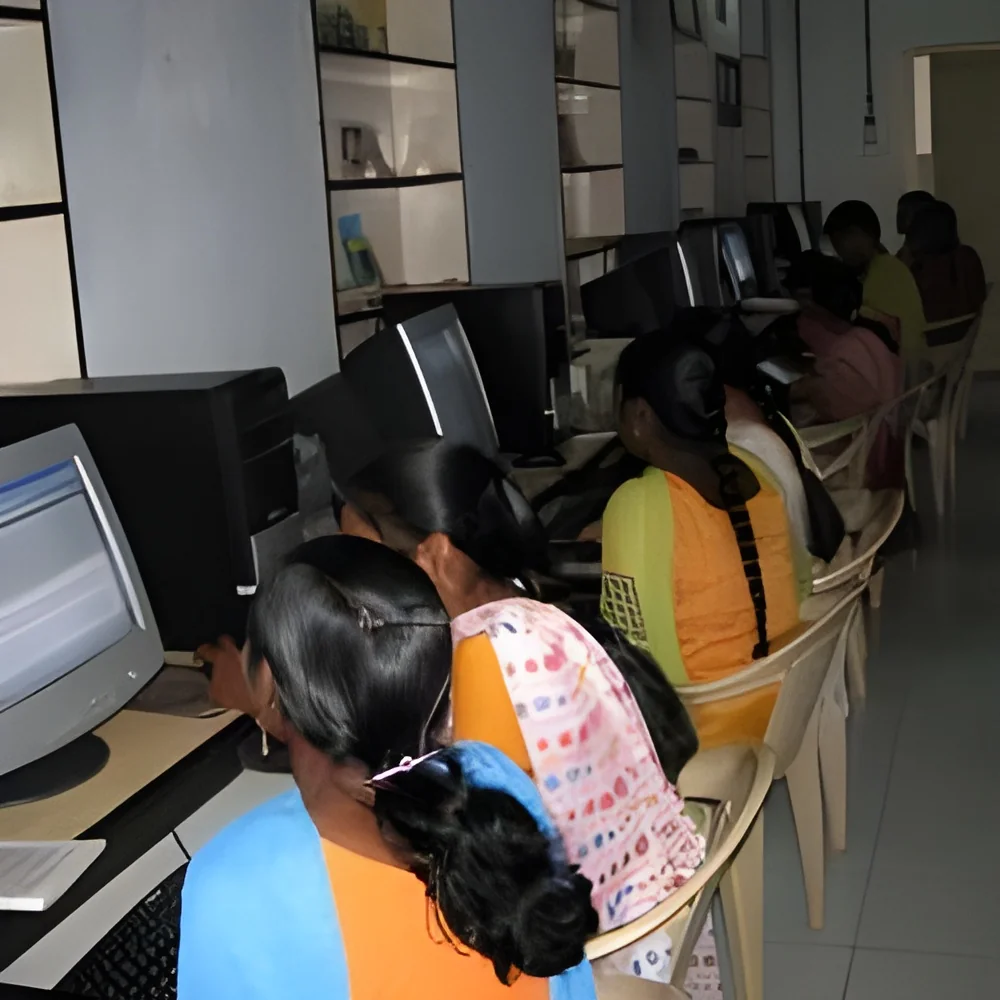
IT & Software Skill Training refers to educational programs designed to equip individuals and teams with the necessary skills to effectively use and manage information technology and software applications. These training sessions can range from basic computer literacy to advanced programming and software development. They are tailored to meet the needs of various industries and can be delivered in-person or online.
The primary uses of IT & Software Skill Training include enhancing employee productivity, improving operational efficiency, and ensuring that businesses remain competitive in an increasingly digital landscape. Companies leverage these training programs to address skill gaps, foster innovation, and adapt to new technologies. As the demand for skilled professionals continues to rise, these training programs play a critical role in workforce development.
In the current market context, IT & Software Skill Training is highly relevant. Organizations across various sectors are investing in upskilling their workforce to keep pace with rapid technological advancements. This trend highlights the importance of continuous learning and the role that training plays in maintaining a skilled labor force in the technology-driven economy.
Key Features and Specifications
IT & Software Skill Training programs offer various features designed to meet the diverse needs of organizations.
Key specifications include:
1. Training Delivery Mode
- Options include in-person, online, and hybrid formats
- Flexibility to accommodate different learning preferences
2. Skill Levels Offered
- Programs are available for beginners, intermediate, and advanced learners
- Courses designed for specific roles or technologies
3. Duration of Programs
- Training sessions can range from a few hours to several weeks
- Customizable lengths based on organizational needs
4. Certification and Accreditation
- Courses may offer industry-recognized certifications
- Accreditation from reputable educational institutions
5. Curriculum Customization
- Ability to tailor programs to align with specific business objectives
- Inclusion of company-specific software and tools
6. Instructor Qualifications
- Trainers often possess industry experience and relevant certifications
- Emphasis on practical, hands-on learning experiences
7. Assessment and Evaluation
- Regular assessments to gauge learner progress
- Feedback mechanisms to improve training delivery
8. Support and Resources
- Access to learning materials and additional resources
- Ongoing support post-training for skill reinforcement
In summary, IT & Software Skill Training encompasses a range of features and specifications that cater to the unique requirements of businesses seeking to enhance their employees' technological capabilities.
Common Applications and Use Cases
IT & Software Skill Training serves various industries, ensuring that professionals are equipped with the latest skills.
1. Information Technology: Training for IT professionals on software development, cybersecurity, and system administration to enhance performance and security.
2. Finance: Courses focusing on data analysis tools and financial software applications to improve accuracy and efficiency in financial reporting.
3. Healthcare: Training on electronic health records and healthcare management software to streamline operations and improve patient care.
4. Manufacturing: Programs that cover software used in automated systems and production management to enhance productivity on the shop floor.
5. Education: Training for educators on e-learning platforms and educational software to facilitate better teaching and learning experiences.
6. Retail: Instruction on point-of-sale systems and inventory management software to improve customer service and operational efficiency.
7. Telecommunications: Courses on network management and communication software to ensure smooth operations and customer satisfaction.
Product Variants and Subcategories
IT & Software Skill Training is diverse and can be tailored to various needs.
Standard Training Programs: These programs cover fundamental skills in IT and software usage, ideal for beginners who need to establish a solid foundation.
Advanced Technology Training: Focused on specialized areas such as artificial intelligence, cloud computing, and data science, these programs are designed for experienced professionals looking to deepen their expertise.
Custom Corporate Training: Tailored training sessions designed specifically for organizations to address their unique challenges and technologies, ensuring relevance and immediate applicability.
Benefits and Advantages
Investing in IT & Software Skill Training offers numerous benefits for businesses.
Key benefits include:
1. Enhanced Employee Productivity: Employees gain the skills necessary to work more efficiently, leading to improved output and performance.
2. Increased Competitiveness: Organizations can adapt to technological changes more swiftly, ensuring they remain ahead in their respective markets.
3. Employee Satisfaction and Retention: Providing training opportunities fosters a culture of learning, increasing job satisfaction and reducing turnover.
4. Improved Quality of Work: Well-trained employees are less likely to make errors, leading to higher quality outputs and services.
5. Better Team Collaboration: Training can promote the sharing of knowledge and skills across teams, enhancing collaboration and innovation.
6. Alignment with Industry Standards: Organizations can ensure that their workforce meets current industry standards and regulations, reducing compliance risks.
Buying Guide for B2B Buyers
When sourcing IT & Software Skill Training, consider the following factors to make informed decisions.
1. Quality Assessment: Evaluate training providers based on their curriculum, instructor qualifications, and feedback from previous participants to ensure high-quality offerings.
2. Supplier Verification: Conduct thorough vetting of training suppliers, checking their credentials, industry reputation, and client testimonials to confirm reliability.
3. Pricing and MOQ: Understand the pricing structure and minimum order quantities for training programs, considering budget constraints and the scale of training needed.
4. Delivery and Lead Times: Assess the logistics involved, including the availability of training dates and the time needed to set up programs, to ensure timely delivery.
5. Compliance Requirements: Be aware of any regulatory requirements specific to your industry to ensure that the training meets necessary standards.
Compliance and Certifications
Compliance and certifications are critical elements in IT & Software Skill Training.
Relevant quality standards such as ISO 9001 ensure that training programs meet established criteria for quality management. This standard helps organizations maintain consistent quality in their training offerings.
Industry certifications, like CE, indicate that training programs adhere to specific safety and efficacy guidelines, providing assurance to businesses and participants alike.
Safety and testing requirements must be factored in, especially in industries where compliance is crucial. Training providers should demonstrate adherence to safety protocols and testing standards relevant to their field.
Regional compliance considerations are also important, as different regions may have various regulations and standards. Understanding these can help ensure that training is compliant and effective within the specific market context.
Why Source IT & Software Skill Training from Pepagora?
Pepagora provides a trusted platform for sourcing IT & Software Skill Training, offering several key advantages to B2B buyers.
Verified Supplier Network: Pepagora maintains a rigorous verification process for its suppliers, ensuring that buyers have access to reputable training providers. This reduces the risk associated with selecting a training partner.
Streamlined RFQ Process: The platform simplifies the request for quotation process, allowing businesses to quickly compare offerings and select the best training options suited to their needs.
Trade Assurance and Support: Pepagora offers buyer protection through its trade assurance program, providing peace of mind that investments in training are safeguarded.
Regional Coverage: With a strong presence in markets such as India, the GCC, and Southeast Asia, Pepagora connects businesses with training providers that understand local industry needs and compliance requirements.
By choosing Pepagora, companies can enhance their workforce capabilities while ensuring quality and reliability in their IT & Software Skill Training programs.

 IN
IN