
 IN
Interior Ambient Lighting
1 products available
What are Interior Ambient Lighting?
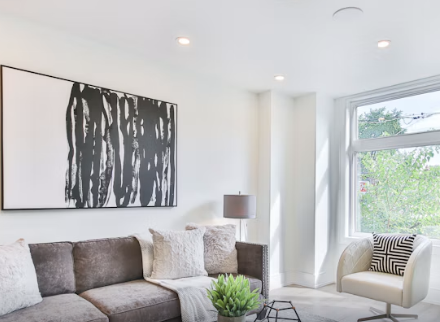
Interior ambient lighting refers to a type of lighting designed to create a soft and even illumination within indoor spaces. This lighting serves as the primary source of light in a room, ensuring a comfortable and inviting atmosphere. It is typically diffused to minimize glare and shadows, making it essential for both functional and aesthetic purposes in various environments.
This lighting solution is widely used in commercial and industrial applications, such as offices, retail spaces, and hospitality venues. By providing a consistent level of brightness, ambient lighting enhances the overall visual comfort of a space, supporting productivity and improving the customer experience. The relevance of ambient lighting in the current market is underscored by the growing demand for energy-efficient and aesthetically pleasing solutions that cater to modern architectural designs.
Key Features and Specifications
Interior ambient lighting encompasses several key features and specifications that enhance its functionality and appeal. These specifications help businesses choose the right lighting solutions for their specific needs.
Key specifications include:
1. Light Output
- Measured in lumens, this indicates the brightness level of the lighting.
- Typically ranges from 400 to 5000 lumens depending on the application.
2. Color Temperature
- Expressed in Kelvin (K), this specifies the warmth or coolness of the light.
- Common ranges include 2700K to 6500K for various environments.
3. Energy Efficiency
- Rated by lumens per watt (lm/W), indicating how efficiently the light converts electricity into visible light.
- Energy-efficient options can exceed 100 lm/W.
4. Lifespan
- Measured in hours, this indicates how long the lighting is expected to last before needing replacement.
- Many LED options offer lifespans of 25,000 hours or more.
5. Dimming Capability
- Indicates whether the lighting can be adjusted for brightness levels.
- Many ambient lighting solutions are compatible with dimmer switches for enhanced control.
6. Mounting Options
- Includes surface-mounted, recessed, and suspended types, providing flexibility in installation.
- Choice depends on the design and layout of the space.
7. Control Systems
- Compatibility with smart lighting controls for automation and energy management.
- Options may include mobile apps and voice control systems.
8. Compliance Standards
- Adherence to industry standards such as CE for safety and performance.
These specifications ensure that businesses can find the right ambient lighting solutions tailored to their unique environments and requirements.
Common Applications and Use Cases
Interior ambient lighting finds application across various industries, enhancing both functionality and aesthetics.
1. Office Spaces: Ambient lighting is essential in offices, providing uniform illumination that supports productivity and reduces eye strain for employees.
2. Retail Environments: In retail settings, ambient lighting helps create an inviting atmosphere that enhances product visibility and encourages customer engagement.
3. Hospitality: Hotels and restaurants utilize ambient lighting to establish a warm and welcoming ambiance, making guests feel comfortable and enhancing their overall experience.
4. Educational Facilities: Classrooms and lecture halls benefit from ambient lighting, as it supports learning by providing adequate visibility without glare.
5. Healthcare: Hospitals and clinics use ambient lighting to create calming environments that promote patient comfort and well-being.
6. Residential Interiors: Homes incorporate ambient lighting to enhance living spaces, providing a cozy atmosphere for relaxation and socializing.
7. Cultural Venues: Museums and galleries utilize ambient lighting to highlight exhibits while maintaining a pleasant viewing experience for visitors.
Product Variants and Subcategories
Interior ambient lighting comes in various forms, each designed to meet specific needs and preferences in different environments.
LED Panel Lights: These flat fixtures provide a sleek look and uniform light distribution, making them ideal for offices and commercial spaces. They are energy-efficient and often come with dimming options.
Recessed Lighting: Installed within ceilings, recessed lights offer a clean, unobtrusive lighting solution. They are commonly used in modern residential and commercial designs for a minimalist appearance.
Pendant Lights: Hanging from the ceiling, pendant lights can serve as both ambient and accent lighting. They are often used in dining areas or over kitchen islands to create focal points.
Wall Sconces: These fixtures mount to walls and provide ambient light while enhancing the décor of a room. They are popular in hallways and living spaces.
Flush Mount Fixtures: These lights are mounted close to the ceiling and provide general illumination. They are versatile and suitable for a variety of spaces, including entryways and bathrooms.
Benefits and Advantages
Interior ambient lighting offers numerous benefits that make it an essential choice for various environments.
1. Improved Comfort: Ambient lighting creates a softer light that reduces glare and shadows, contributing to a more comfortable atmosphere.
2. Enhanced Aesthetics: Proper ambient lighting can significantly improve the visual appeal of a space, highlighting architectural features and décor.
3. Energy Efficiency: Many ambient lighting solutions are designed to be energy-efficient, reducing energy costs and environmental impact.
4. Versatility: These lighting options can be adapted to fit a wide range of commercial and industrial applications, making them suitable for diverse settings.
5. Increased Productivity: In workplace environments, adequate ambient lighting supports employee focus and efficiency, leading to improved performance.
6. Customization Options: With various styles and specifications, businesses can find ambient lighting solutions tailored to their specific design and functional needs.
Buying Guide for B2B Buyers
When sourcing interior ambient lighting, several key factors should be considered to ensure a successful purchase.
1. Quality Assessment: Evaluate the quality of the lighting through reviews and certifications. Look for products that meet industry standards to ensure reliability and performance.
2. Supplier Verification: Vet suppliers to confirm their reputation and reliability. Check for references and certifications to ensure they meet industry requirements.
3. Pricing and MOQ: Understand the pricing structure and minimum order quantities (MOQ) from suppliers. This helps in budgeting and ensures you can meet your project needs.
4. Delivery and Lead Times: Inquire about delivery schedules and lead times to ensure timely project execution. Consider logistics and shipping options offered by the supplier.
5. Compliance Requirements: Ensure that the lighting solutions comply with local regulations and safety standards. This may include certifications such as CE for product safety.
Compliance and Certifications
Interior ambient lighting must adhere to various compliance and certification standards to ensure safety and performance. Relevant quality standards include ISO 9001, which focuses on quality management systems, ensuring that manufacturers maintain high-quality production processes.
Industry certifications such as CE indicate that products meet European health, safety, and environmental protection standards. This certification is critical for businesses operating within or exporting to European markets.
Safety and testing requirements are essential to verify that the lighting meets necessary performance metrics and does not pose hazards to users. Regional compliance considerations may vary, so it is crucial to be aware of local regulations and standards that apply to ambient lighting products.
Why Source Interior Ambient Lighting from Pepagora?
Pepagora provides a trusted platform for sourcing interior ambient lighting, offering several key advantages for B2B buyers.
Verified Supplier Network: Pepagora connects buyers with a network of verified suppliers. This ensures that companies can source high-quality products from reputable manufacturers.
Streamlined RFQ Process: The request for quotation (RFQ) process is designed to be efficient, allowing buyers to receive multiple quotations quickly. This helps in making informed purchasing decisions.
Trade Assurance and Support: Pepagora emphasizes buyer protection through trade assurance. This feature provides peace of mind, ensuring that transactions are secure and that buyers receive the products as promised.
Regional Coverage: With a strong presence in India, the GCC, and Southeast Asia, Pepagora offers extensive regional coverage. This makes it easy for businesses in these areas to access a variety of ambient lighting solutions tailored to their needs.


Frequently Asked Questions
What are Interior Ambient Lighting?
Interior ambient lighting refers to the general illumination of interior spaces, providing a soft and even light that enhances visibility and comfort. It is designed to create a welcoming atmosphere, serving as a base layer of light for any room.
What are the different types of Interior Ambient Lighting?
Different types of interior ambient lighting include ceiling-mounted fixtures, recessed lights, chandeliers, floor lamps, and wall sconces. Each type can serve various aesthetic and functional purposes depending on the space and design.
How do I choose the right Interior Ambient Lighting?
To choose the right interior ambient lighting, consider factors such as the size of the room, ceiling height, color scheme, and intended use of the space. It's also important to select fixtures that complement the overall design and provide adequate light levels.
What are the standard specifications for Interior Ambient Lighting?
Standard specifications for interior ambient lighting include lumen output, color temperature, energy efficiency ratings, and fixture dimensions. It's essential to ensure that the lighting meets local electrical codes and safety standards.
What is the price range for Interior Ambient Lighting?
The price range for interior ambient lighting can vary significantly based on the type, brand, and materials used. Generally, prices can range from a few hundred to several thousand Indian Rupees, depending on the complexity and design of the fixtures.
What quality standards apply to Interior Ambient Lighting?
Quality standards for interior ambient lighting typically include compliance with ISO and BIS standards, ensuring safety, energy efficiency, and performance. It's important to verify that products are certified and tested for durability and reliability.
Where can I find Interior Ambient Lighting suppliers in India?
You can find interior ambient lighting suppliers in India through B2B marketplaces like Pepagora.com, trade shows, and industry directories. Researching online and connecting with manufacturers directly can also yield reliable suppliers.
Can Interior Ambient Lighting be customized?
Yes, many manufacturers offer customization options for interior ambient lighting, allowing you to tailor designs, colors, and specifications to fit specific requirements. Customization can enhance the aesthetic and functional aspects of the lighting.
What is the typical minimum order quantity for Interior Ambient Lighting?
The typical minimum order quantity (MOQ) for interior ambient lighting varies by supplier and product type, often ranging from 10 to 50 units. It's advisable to check with individual suppliers for their specific MOQs.
What is the typical lead time for Interior Ambient Lighting?
The typical lead time for interior ambient lighting can range from 2 to 8 weeks, depending on factors such as product availability, customization requests, and shipping logistics. It's essential to confirm lead times with suppliers before placing orders.
Why Businesses Trust Pepagora
Thousands of companies trust Pepagora to source smarter and sell faster
Expand Your Sales Globally

Source Smarter,Grow Faster
