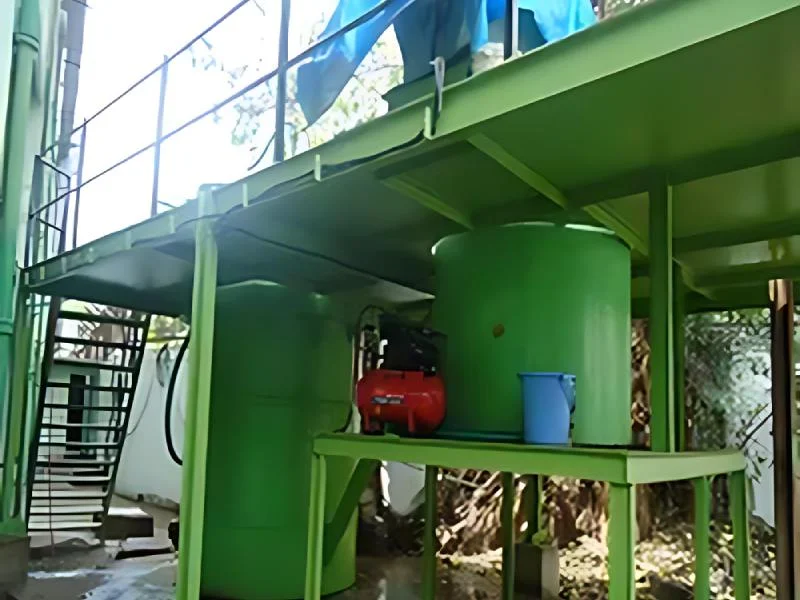
𝗪𝗵𝗮𝘁 𝗮𝗿𝗲 𝗜𝗻𝘀𝘁𝗮𝗹𝗹𝗮𝘁𝗶𝗼𝗻 & 𝗖𝗼𝗺𝗺𝗶𝘀𝘀𝗶𝗼𝗻𝗶𝗻𝗴 𝗦𝗲𝗿𝘃𝗶𝗰𝗲𝘀?
Installation and commissioning services are critical components in the lifecycle of industrial products and systems. These services encompass the physical installation of equipment, machinery, and systems, followed by thorough testing and validation to ensure they operate according to specified requirements. The primary focus is to facilitate a smooth transition from the manufacturing or procurement phase to operational readiness, guaranteeing that all installed systems function efficiently and safely.
These services are particularly important in various sectors, including manufacturing, construction, and energy. Businesses utilize installation and commissioning services to minimize downtime, ensure compliance with safety regulations, and enhance overall system performance. Proper installation and commissioning can significantly improve operational efficiency and reduce long-term maintenance costs, making these services essential for companies looking to optimize their investment in industrial technology.
In today's market, the relevance of installation and commissioning services continues to grow. As industries adopt more advanced technologies and complex systems, the demand for skilled professionals who can manage these processes effectively increases. Companies are increasingly recognizing the value of partnering with experienced service providers to ensure that their systems are installed and commissioned to the highest standards.
𝗞𝗲𝘆 𝗙𝗲𝗮𝘁𝘂𝗿𝗲𝘀 𝗮𝗻𝗱 𝗦𝗽𝗲𝗰𝗶𝗳𝗶𝗰𝗮𝘁𝗶𝗼𝗻𝘀
Installation and commissioning services come with various features that enhance their effectiveness and reliability. These features ensure that the services provided meet industry standards and customer expectations.
Key specifications include:
1. Project Management
- Detailed planning and coordination of all installation activities
- Technical oversight and resource allocation
2. Equipment Testing
- Comprehensive testing protocols to validate system performance
- Functionality checks and troubleshooting procedures
3. Compliance Verification
- Assurance that installations meet regulatory and safety standards
- Documentation of compliance for audits and inspections
4. Training and Support
- Provision of training for staff on new equipment and systems
- Ongoing support to address any operational issues
5. Customization Options
- Ability to tailor services based on specific client needs
- Flexibility in installation methods and techniques
6. Safety Protocols
- Implementation of rigorous safety measures during installation
- Regular safety audits to ensure adherence to best practices
7. Documentation and Reporting
- Detailed reports on installation processes and outcomes
- Maintenance of records for future reference and compliance
These specifications ensure that businesses receive high-quality installation and commissioning services that align with their operational goals.
𝗖𝗼𝗺𝗺𝗼𝗻 𝗔𝗽𝗽𝗹𝗶𝗰𝗮𝘁𝗶𝗼𝗻𝘀 𝗮𝗻𝗱 𝗨𝘀𝗲 𝗖𝗮𝘀𝗲𝘀
Installation and commissioning services find applications across a wide array of industries.
1. Manufacturing: In manufacturing, these services are crucial for setting up production lines and ensuring equipment operates at peak efficiency. Proper commissioning can lead to increased productivity and reduced downtime.
2. Construction: For construction projects, installation and commissioning services ensure that equipment like cranes, lifts, and HVAC systems are installed safely and function as intended, contributing to overall project success.
3. Energy: In the energy sector, these services are vital for the installation of renewable energy systems such as solar panels and wind turbines. Effective commissioning ensures these systems operate optimally, maximizing energy output.
4. Healthcare: In healthcare facilities, installation and commissioning of medical equipment, such as MRI machines and surgical instruments, are critical for patient safety and operational efficiency.
5. Transportation: For transportation systems, including rail and air, installation and commissioning services ensure that signaling and navigation systems are correctly implemented to enhance safety and efficiency.
𝗣𝗿𝗼𝗱𝘂𝗰𝘁 𝗩𝗮𝗿𝗶𝗮𝗻𝘁𝘀 𝗮𝗻𝗱 𝗦𝘂𝗯𝗰𝗮𝘁𝗲𝗴𝗼𝗿𝗶𝗲𝘀
While installation and commissioning services are generally standardized, they can vary based on specific project requirements.
Standard Installation Services
These services typically include the installation of various industrial equipment, machinery, and systems, ensuring they are set up correctly and ready for operation.
Custom Commissioning Services
These services may involve bespoke commissioning processes tailored to unique project specifications, ensuring that systems meet specific operational needs and performance criteria.
𝗕𝗲𝗻𝗲𝗳𝗶𝘁𝘀 𝗮𝗻𝗱 𝗔𝗱𝘃𝗮𝗻𝘁𝗮𝗴𝗲𝘀
Utilizing installation and commissioning services offers several key advantages for businesses.
1. Enhanced Efficiency: Proper installation and commissioning can lead to optimized system performance, reducing operational inefficiencies.
2. Cost Reduction: By ensuring systems are installed correctly from the start, companies can minimize costly repairs and maintenance in the future.
3. Improved Safety: Professional installation and commissioning services adhere to strict safety standards, reducing the risk of accidents and ensuring compliance with regulations.
4. Faster Time to Market: Effective commissioning can expedite project timelines, allowing businesses to begin operations sooner and gain a competitive edge.
5. Expert Support: Engaging with experienced service providers ensures access to expert knowledge and skills, enhancing overall project outcomes.
6. Custom Solutions: Many service providers offer tailored solutions that can be adapted to meet specific project needs, delivering greater value to clients.
𝗕𝘂𝘆𝗶𝗻𝗴 𝗚𝘂𝗶𝗱𝗲 𝗳𝗼𝗿 𝗕𝟮𝗕 𝗕𝘂𝘆𝗲𝗿𝘀
When sourcing installation and commissioning services, businesses should consider several important factors to ensure successful outcomes.
1. Quality Assessment: Evaluate the quality of services offered by reviewing past projects and client testimonials. Look for certifications that demonstrate compliance with industry standards.
2. Supplier Verification: Conduct thorough research on potential service providers, including checking their reputation and experience in the industry. Verify references to ensure credibility.
3. Pricing and MOQ: Understand the pricing structure and any minimum order quantities that may apply. Compare costs across different suppliers to find the best value.
4. Delivery and Lead Times: Inquire about project timelines and lead times for service delivery. Ensure that the provider can meet your schedule requirements.
5. Compliance Requirements: Confirm that the service provider is knowledgeable about relevant regulations and compliance standards in your industry to avoid legal issues.
𝗖𝗼𝗺𝗽𝗹𝗶𝗮𝗻𝗰𝗲 𝗮𝗻𝗱 𝗖𝗲𝗿𝘁𝗶𝗳𝗶𝗰𝗮𝘁𝗶𝗼𝗻𝘀
Compliance and certifications are crucial in ensuring that installation and commissioning services meet industry standards and safety requirements.
Key standards include ISO 9001, which emphasizes quality management systems and customer satisfaction. Adhering to this standard ensures that services are delivered consistently and effectively.
In addition, CE certification is essential for many products and systems in Europe, indicating conformity with health, safety, and environmental protection standards. This certification assures clients of the reliability and safety of installed systems.
Safety and testing requirements are also integral to installation and commissioning services. Providers must follow rigorous testing protocols to ensure equipment operates safely and efficiently.
Moreover, regional compliance considerations vary by location, necessitating that service providers are aware of and adhere to local regulations and standards to ensure successful project execution.
𝗪𝗵𝘆 𝗦𝗼𝘂𝗿𝗰𝗲 𝗜𝗻𝘀𝘁𝗮𝗹𝗹𝗮𝘁𝗶𝗼𝗻 & 𝗖𝗼𝗺𝗺𝗶𝘀𝘀𝗶𝗼𝗻𝗶𝗻𝗴 𝗦𝗲𝗿𝘃𝗶𝗰𝗲𝘀 𝗳𝗿𝗼𝗺 𝗣𝗲𝗽𝗮𝗴𝗼𝗿𝗮?
Pepagora offers a trusted platform for sourcing installation and commissioning services, providing several key advantages.
Verified Supplier Network: Pepagora connects businesses with a network of verified suppliers, ensuring that buyers engage with reputable service providers who meet industry standards. This network helps mitigate risks associated with sourcing.
Streamlined RFQ Process: The platform simplifies the request for quotation (RFQ) process, allowing businesses to receive competitive bids from multiple suppliers quickly and efficiently. This feature saves time and enhances the procurement experience.
Trade Assurance and Support: Pepagora provides trade assurance and buyer protection, ensuring that clients are supported throughout the sourcing process. This feature instills confidence and security in transactions.
Regional Coverage: With a strong presence in India, the GCC, and Southeast Asia, Pepagora offers extensive geographic reach, making it easier for businesses to find qualified suppliers in their region. This coverage enhances accessibility and fosters local partnerships.

 IN
IN