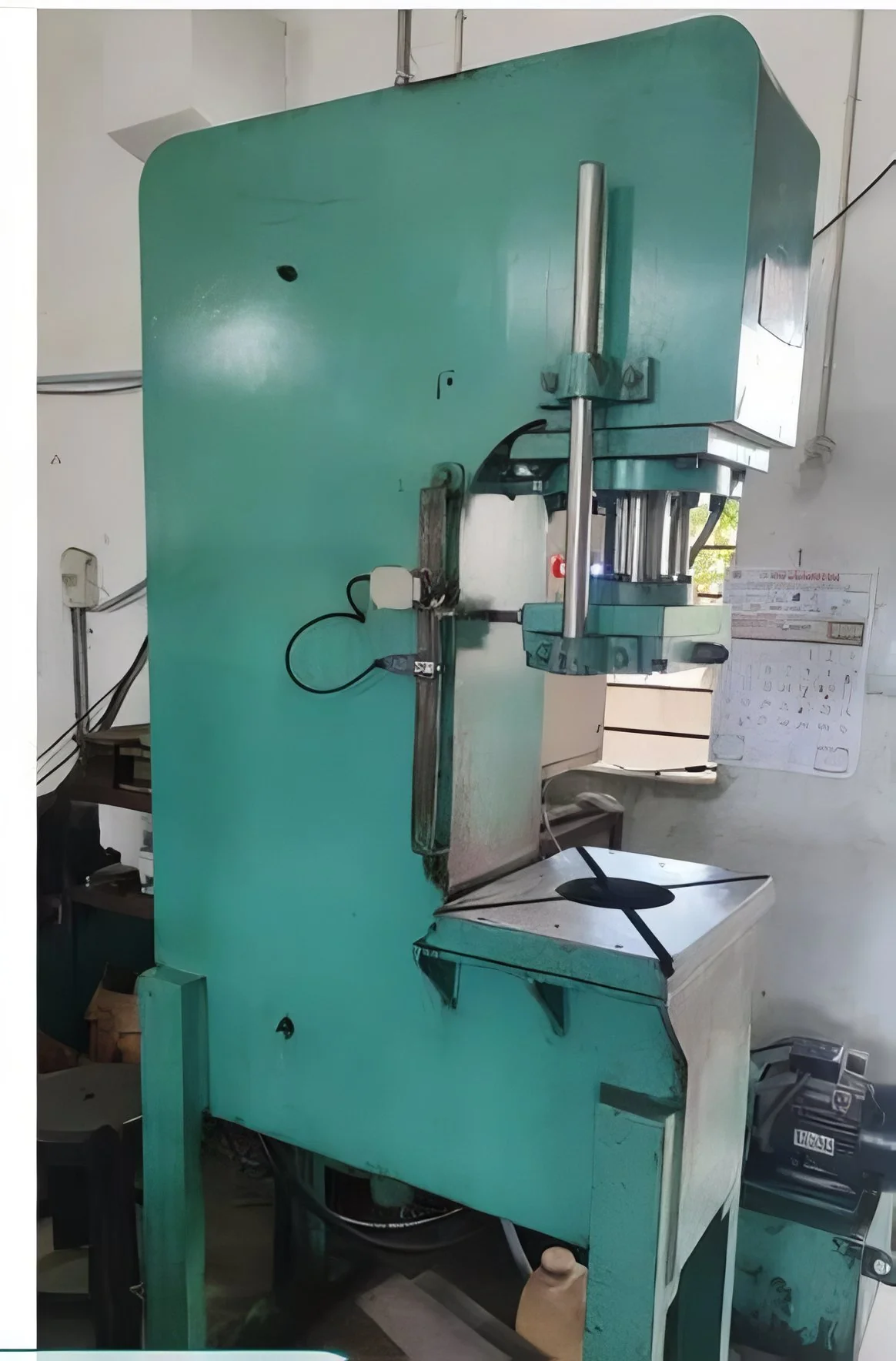
𝗪𝗵𝗮𝘁 𝗮𝗿𝗲 𝗛𝘆𝗱𝗿𝗮𝘂𝗹𝗶𝗰 𝗣𝗿𝗲𝘀𝘀𝗲𝘀?
Hydraulic presses are powerful machines that use hydraulic force to compress materials and perform various tasks. They operate on the principle of Pascal's law, where pressure applied to a confined fluid results in an equal pressure increase in all directions. This technology allows for the efficient application of force, making hydraulic presses ideal for industrial applications. These machines are widely recognized for their ability to handle heavy loads with precision and reliability.
Hydraulic presses find applications across multiple industries, including manufacturing, automotive, and metalworking. They are commonly used for tasks such as metal forming, molding plastics, and assembling components. The versatility of hydraulic presses allows them to be employed in tasks ranging from simple compressions to complex assembly processes. Their relevance in modern manufacturing cannot be overstated, as they help enhance productivity and ensure consistent quality in the production process.
𝗞𝗲𝘆 𝗙𝗲𝗮𝘁𝘂𝗿𝗲𝘀 𝗮𝗻𝗱 𝗦𝗽𝗲𝗰𝗶𝗳𝗶𝗰𝗮𝘁𝗶𝗼𝗻𝘀
Hydraulic presses come with a variety of features and specifications that cater to different industrial needs. When selecting a hydraulic press, it is essential to understand these specifications to ensure optimal performance.
Key specifications include:
1. Maximum Pressure Capacity
- This specification indicates the highest pressure the press can exert.
- Typical ranges are from 10 tons to 200 tons.
2. Working Area Dimensions
- This category details the size of the workspace available for processing materials.
- Dimensions may vary from compact models with a 12-inch square area to larger presses with a 48-inch square area.
3. Stroke Length
- This refers to the distance the ram travels during operation.
- Stroke lengths typically range from 6 inches to 24 inches.
4. Motor Power
- The power of the hydraulic pump motor affects the speed and efficiency of the press.
- Common motor power ranges from 1 HP to 10 HP.
5. Control Type
- Hydraulic presses can feature manual, semi-automatic, or fully automatic controls.
- Automatic controls allow for more sophisticated operations and increased productivity.
6. Frame Construction
- The frame material and design determine the durability and stability of the press.
- Common materials include steel and heavy-duty cast iron.
7. Safety Features
- Hydraulic presses may include safety mechanisms such as overload protection, emergency stops, and safety guards.
8. Energy Efficiency
- Modern hydraulic presses are designed to minimize energy consumption while maximizing output.
In summary, understanding these key specifications will help businesses select the right hydraulic press tailored to their operational requirements.
𝗖𝗼𝗺𝗺𝗼𝗻 𝗔𝗽𝗽𝗹𝗶𝗰𝗮𝘁𝗶𝗼𝗻𝘀 𝗮𝗻𝗱 𝗨𝘀𝗲 𝗖𝗮𝘀𝗲𝘀
Hydraulic presses are utilized in numerous industries due to their versatility and strength.
1. Automotive: Hydraulic presses are essential in automotive manufacturing for tasks such as stamping parts, assembling components, and shaping metal sheets.
2. Metalworking: These machines are used for forging, bending, and cutting metal materials, ensuring precision and quality in the production process.
3. Plastics: In the plastics industry, hydraulic presses are employed to mold and shape plastic products, providing a consistent finish and structural integrity.
4. Aerospace: Hydraulic presses play a critical role in fabricating aircraft components, where precision and strength are paramount.
5. Construction: In construction, they are used to compact materials and assemble structural components.
6. Electronics: Hydraulic presses are used for assembling electronic casings and parts, requiring careful handling and accurate pressure application.
7. Woodworking: In woodworking, they are used for laminating and shaping wood products to ensure durability and finish quality.
𝗣𝗿𝗼𝗱𝘂𝗰𝘁 𝗩𝗮𝗿𝗶𝗮𝗻𝘁𝘀 𝗮𝗻𝗱 𝗦𝘂𝗯𝗰𝗮𝘁𝗲𝗴𝗼𝗿𝗶𝗲𝘀
Hydraulic presses come in various configurations to meet specific industrial needs.
C-Frame Hydraulic Presses: These presses feature a C-shaped frame that allows for easy access and handling of materials. They are widely used in metalworking and automotive applications for tasks that require high precision.
H-Frame Hydraulic Presses: H-frame models are designed for heavy-duty applications and offer greater stability and strength. They are commonly utilized in manufacturing processes that involve larger components.
Bench Hydraulic Presses: Compact and suitable for smaller operations, bench hydraulic presses are ideal for workshops and small-scale production. They provide sufficient power for light to medium-duty tasks.
Column Hydraulic Presses: These presses consist of vertical columns that enhance stability and are used for heavy applications. They are prevalent in industries requiring high pressure and robust construction.
𝗕𝗲𝗻𝗲𝗳𝗶𝘁𝘀 𝗮𝗻𝗱 𝗔𝗱𝘃𝗮𝗻𝘁𝗮𝗴𝗲𝘀
Investing in hydraulic presses offers numerous advantages for industrial operations.
1. High Efficiency: Hydraulic presses provide rapid cycle times and can handle large volumes of work, improving overall productivity.
2. Precision: These machines offer accurate pressure control, ensuring consistent results in manufacturing processes.
3. Versatility: Hydraulic presses can be adapted for various applications, making them suitable for different industries and tasks.
4. Durability: Built with robust materials, hydraulic presses are designed to withstand heavy use and operate reliably over time.
5. Reduced Labor Costs: Automation capabilities in hydraulic presses can minimize manual labor, leading to cost savings in the long run.
6. Safety Features: Many hydraulic presses incorporate built-in safety measures to protect operators and ensure safe operation.
𝗕𝘂𝘆𝗶𝗻𝗴 𝗚𝘂𝗶𝗱𝗲 𝗳𝗼𝗿 𝗕𝟮𝗕 𝗕𝘂𝘆𝗲𝗿𝘀
When sourcing hydraulic presses, it is essential to consider several key factors to ensure a successful purchase.
1. Quality Assessment: Assess the build quality and performance of hydraulic presses by reviewing manufacturer specifications and user reviews. Look for certifications that demonstrate adherence to industry standards.
2. Supplier Verification: Vet suppliers by checking their reputation, customer feedback, and history in the industry. A reliable supplier should have a proven track record of delivering quality products.
3. Pricing and MOQ: Understand the pricing structure and minimum order quantity (MOQ) requirements. Compare quotes from different suppliers to find the best value for your investment.
4. Delivery and Lead Times: Inquire about delivery schedules and lead times to ensure timely arrival of equipment. Efficient logistics are crucial for maintaining production schedules.
5. Compliance Requirements: Verify that the hydraulic presses meet relevant industry regulations and safety standards. Compliance with certifications such as UL and CE is necessary for ensuring safety and reliability.
𝗖𝗼𝗺𝗽𝗹𝗶𝗮𝗻𝗰𝗲 𝗮𝗻𝗱 𝗖𝗲𝗿𝘁𝗶𝗳𝗶𝗰𝗮𝘁𝗶𝗼𝗻𝘀
Hydraulic presses must adhere to various quality standards and certifications to ensure their safe and effective operation. ISO 9001 is a prominent quality management standard that applies to manufacturing processes, ensuring that products meet customer and regulatory requirements.
Additionally, certifications like UL and CE signify compliance with safety and health regulations, providing assurance of the press's operational safety.
Safety testing requirements are crucial, as they help prevent accidents and ensure that machines perform as intended. Regular inspections and adherence to safety standards are vital for maintaining compliance and ensuring safety in the workplace.
Regional compliance considerations may vary, so it is important for businesses to familiarize themselves with local regulations and standards governing hydraulic presses.
𝗪𝗵𝘆 𝗦𝗼𝘂𝗿𝗰𝗲 𝗛𝘆𝗱𝗿𝗮𝘂𝗹𝗶𝗰 𝗣𝗿𝗲𝘀𝘀𝗲𝘀 𝗳𝗿𝗼𝗺 𝗣𝗲𝗽𝗮𝗴𝗼𝗿𝗮?
Pepagora offers a reliable platform for sourcing hydraulic presses, equipped with several key advantages for B2B buyers.
Verified Supplier Network: Pepagora connects businesses with a network of verified suppliers, ensuring that buyers can trust the quality and reliability of the products they purchase. The verification process helps mitigate risks associated with sourcing.
Streamlined RFQ Process: The request for quotation (RFQ) system simplifies the sourcing process, allowing buyers to receive competitive quotes from multiple suppliers quickly. This efficiency saves time and helps in making informed purchasing decisions.
Trade Assurance and Support: Pepagora provides trade assurance and support services that protect buyers throughout the purchasing process. This includes handling disputes and ensuring that suppliers meet their commitments.
Regional Coverage: With a strong presence in regions such as India, the GCC, and Southeast Asia, Pepagora offers wide geographic reach. This allows businesses to find suppliers that are close to their operations, reducing shipping times and costs.
By choosing Pepagora, businesses can confidently source hydraulic presses that meet their operational needs while benefiting from a robust support system.

 IN
IN