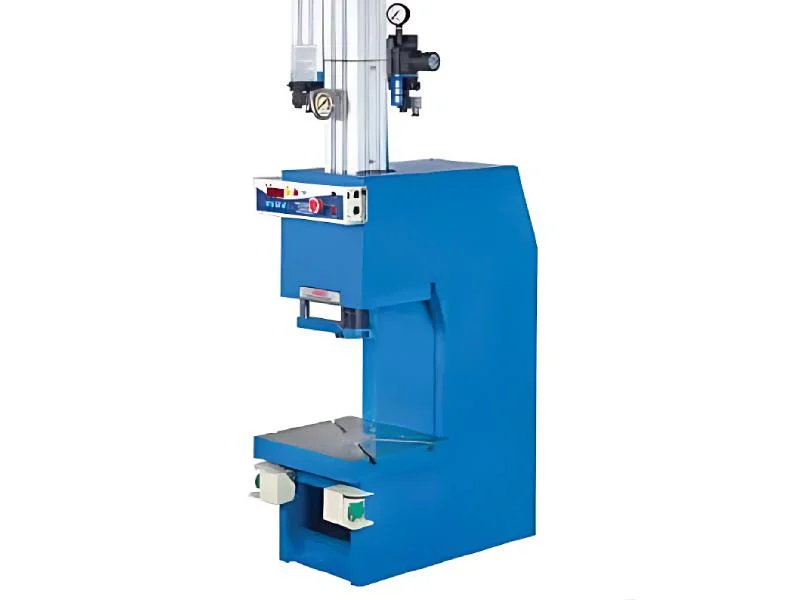
𝗪𝗵𝗮𝘁 𝗮𝗿𝗲 𝗛𝘆𝗱𝗿𝗮𝘂𝗹𝗶𝗰 𝗣𝗿𝗲𝘀𝘀𝗲𝘀?
Hydraulic presses are powerful machines that utilize hydraulic force to compress materials. They operate on the principle of Pascal's law, which states that pressure applied to a confined fluid is transmitted undiminished throughout the fluid. This allows hydraulic presses to generate significant force with relatively low input, making them suitable for a variety of applications. These machines can vary in size from small bench-top models to large industrial machines capable of exerting thousands of tons of force.
Hydraulic presses are widely used across multiple industries, including manufacturing, automotive, and metalworking. Common applications include shaping, molding, and assembling components. They are also employed in processes such as metal forming, plastic molding, and even the recycling of materials. The versatility and efficiency of hydraulic presses make them essential in modern manufacturing processes, where precision and speed are critical for productivity and profitability.
𝗞𝗲𝘆 𝗙𝗲𝗮𝘁𝘂𝗿𝗲𝘀 𝗮𝗻𝗱 𝗦𝗽𝗲𝗰𝗶𝗳𝗶𝗰𝗮𝘁𝗶𝗼𝗻𝘀
Hydraulic presses come with various features and specifications that define their performance and capabilities. Understanding these specifications is vital for selecting the right machine for specific applications.
Key specifications include:
1. Maximum Pressure
- The maximum pressure that the hydraulic system can achieve, typically measured in tons.
- Common ranges are from 10 tons to over 2000 tons.
2. Stroke Length
- The distance the ram travels during operation, which affects the depth of the press.
- Typical stroke lengths range from 100 mm to 1000 mm.
3. Bed Size
- The dimensions of the press bed that support the workpiece.
- Bed sizes can vary significantly, often ranging from 300 mm x 300 mm to 2000 mm x 2000 mm.
4. Motor Power
- The power rating of the motor driving the hydraulic pump.
- Common motor powers range from 1 kW to 30 kW.
5. Weight
- The overall weight of the hydraulic press, which can impact mobility and installation.
- Weights can range from several hundred kilograms to several tons.
6. Control System
- The type of control system used to operate the press, either manual or automated.
- Advanced models may feature programmable logic controllers (PLCs) for automation.
7. Cycle Time
- The time required to complete one full cycle of pressing.
- Cycle times can range from a few seconds to over a minute, depending on the application.
8. Safety Features
- Safety mechanisms such as emergency stops, pressure relief valves, and guards to protect operators.
- Compliance with safety standards is essential for safe operation.
In summary, understanding the specifications and features of hydraulic presses is crucial for businesses looking to invest in these machines. They offer a range of capabilities tailored to various industrial needs.
𝗖𝗼𝗺𝗺𝗼𝗻 𝗔𝗽𝗽𝗹𝗶𝗰𝗮𝘁𝗶𝗼𝗻𝘀 𝗮𝗻𝗱 𝗨𝘀𝗲 𝗖𝗮𝘀𝗲𝘀
Hydraulic presses find applications in numerous industries due to their versatility and efficiency.
1. Manufacturing: Hydraulic presses are integral in the manufacturing sector for processes such as stamping, forging, and assembly of components. They ensure precise shaping of materials and high production rates.
2. Automotive: In the automotive industry, hydraulic presses are used for metal forming, including the production of vehicle body parts. They play a crucial role in assembling and shaping components to meet stringent quality standards.
3. Metalworking: Hydraulic presses are essential in metalworking for tasks like bending, punching, and cutting metals. Their ability to exert high force makes them ideal for shaping and finishing metal products.
4. Plastics: The plastic injection molding process often relies on hydraulic presses to shape molten plastic into desired forms. This application allows for mass production of plastic components.
5. Recycling: Hydraulic presses are utilized in recycling facilities for compacting scrap materials. They facilitate the efficient processing of metals, plastics, and other recyclable materials.
6. Aerospace: In the aerospace industry, hydraulic presses are used to manufacture lightweight yet strong components. They assist in the production of parts that require precision and durability.
7. Woodworking: Hydraulic presses are used in woodworking to laminate and shape wooden materials. They ensure uniform pressure distribution for high-quality finishes.
𝗣𝗿𝗼𝗱𝘂𝗰𝘁 𝗩𝗮𝗿𝗶𝗮𝗻𝘁𝘀 𝗮𝗻𝗱 𝗦𝘂𝗯𝗰𝗮𝘁𝗲𝗴𝗼𝗿𝗶𝗲𝘀
Hydraulic presses come in various types to meet specific industrial needs, providing diverse solutions for different applications.
C-Frame Hydraulic Presses: These presses feature a C-shaped frame that provides easy access to the workpiece. They are commonly used for metal forming and assembly tasks due to their flexibility and space-saving design.
H-Frame Hydraulic Presses: Known for their robust construction, H-frame presses are ideal for heavy-duty applications. They support large workpieces and provide high stability, making them suitable for metal fabrication.
Bench Top Hydraulic Presses: These compact models are designed for smaller operations and are ideal for light-duty tasks. They are often used in workshops for tasks like bending and pressing small components.
𝗕𝗲𝗻𝗲𝗳𝗶𝘁𝘀 𝗮𝗻𝗱 𝗔𝗱𝘃𝗮𝗻𝘁𝗮𝗴𝗲𝘀
Choosing hydraulic presses offers several advantages for businesses looking to enhance their manufacturing processes.
Key benefits include:
1. High Efficiency: Hydraulic presses can apply significant force with minimal energy consumption, leading to cost savings in operational expenses.
2. Precision: These machines provide accurate pressure control, resulting in high-quality finished products that meet strict tolerances.
3. Versatility: Hydraulic presses can be adapted for various applications, making them suitable for different industries and processes.
4. Reduced Labor: Automation options available in hydraulic presses can minimize manual labor, leading to increased productivity and lower labor costs.
5. Safety: Built-in safety features and compliance with industry standards ensure safe operation, protecting both operators and equipment.
6. Longevity: Durable construction and reliable hydraulic systems contribute to the longevity of hydraulic presses, reducing the need for frequent replacements.
𝗕𝘂𝘆𝗶𝗻𝗴 𝗚𝘂𝗶𝗱𝗲 𝗳𝗼𝗿 𝗕𝟮𝗕 𝗕𝘂𝘆𝗲𝗿𝘀
When considering the purchase of hydraulic presses, potential buyers should take several factors into account to make informed decisions.
1. Quality Assessment: Evaluate the build quality, material durability, and reputation of the manufacturer. Look for certifications that indicate adherence to industry standards.
2. Supplier Verification: Conduct thorough research on suppliers. Check references, customer reviews, and accreditation to ensure you are dealing with a reputable source.
3. Pricing and MOQ: Understand the pricing structure and minimum order quantities (MOQ) of the hydraulic presses you are interested in. Compare prices across different suppliers while considering value for money.
4. Delivery and Lead Times: Discuss delivery schedules and lead times with suppliers. Ensure they align with your project timelines to avoid production delays.
5. Compliance Requirements: Verify that the hydraulic presses meet all relevant compliance and safety regulations for your industry. This may include certifications like CE or UL.
𝗖𝗼𝗺𝗽𝗹𝗶𝗮𝗻𝗰𝗲 𝗮𝗻𝗱 𝗖𝗲𝗿𝘁𝗶𝗳𝗶𝗰𝗮𝘁𝗶𝗼𝗻𝘀
Hydraulic presses must adhere to various compliance standards and certifications to ensure their safety and reliability in industrial applications.
Relevant quality standards such as ISO 9001 are crucial for maintaining high levels of quality management in manufacturing processes. These standards help ensure that hydraulic presses are consistently produced to meet customer and regulatory requirements.
Industry certifications like CE and UL signify that the equipment meets specific safety and performance standards. CE certification indicates compliance with European safety directives, while UL certification is essential for products sold in the United States.
Safety and testing requirements are critical for hydraulic presses, as they operate under high pressure. Regular testing and adherence to safety protocols are necessary to prevent accidents and ensure operator safety.
Regional compliance considerations may vary depending on local laws and industry regulations. It is essential for businesses to understand the compliance landscape in their respective markets to ensure that their hydraulic presses meet all necessary requirements.
𝗪𝗵𝘆 𝗦𝗼𝘂𝗿𝗰𝗲 𝗛𝘆𝗱𝗿𝗮𝘂𝗹𝗶𝗰 𝗣𝗿𝗲𝘀𝘀𝗲𝘀 𝗳𝗿𝗼𝗺 𝗣𝗲𝗽𝗮𝗴𝗼𝗿𝗮?
Pepagora offers a reliable platform for sourcing hydraulic presses, providing several advantages that benefit B2B buyers.
Verified Supplier Network: Pepagora connects buyers with a network of verified suppliers, ensuring that businesses can source high-quality hydraulic presses from trusted manufacturers. This verification process helps mitigate risks associated with unreliable suppliers.
Streamlined RFQ Process: The platform features a user-friendly Request for Quotation (RFQ) system, allowing buyers to easily submit their requirements and receive competitive quotes from multiple suppliers. This streamlining saves time and enhances purchasing efficiency.
Trade Assurance and Support: Pepagora provides trade assurance measures to protect buyers throughout the purchasing process. This includes support for resolving disputes and ensuring that products meet specified standards.
Regional Coverage: With a broad geographic reach, Pepagora caters to businesses in India, the GCC, and Southeast Asia. This extensive coverage ensures that buyers can find suitable hydraulic presses tailored to their regional needs.
In conclusion, Pepagora serves as a comprehensive solution for businesses seeking hydraulic presses, combining quality assurance, competitive pricing, and a wide supplier network to facilitate successful procurement.

 IN
IN