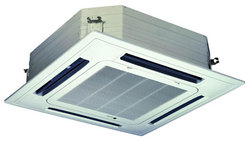
𝗪𝗵𝗮𝘁 𝗮𝗿𝗲 𝗛𝗩𝗔𝗖 𝗘𝗹𝗲𝗰𝘁𝗿𝗶𝗰𝗮𝗹 𝗜𝗻𝘁𝗲𝗴𝗿𝗮𝘁𝗶𝗼𝗻?
HVAC Electrical Integration refers to the process of connecting heating, ventilation, and air conditioning (HVAC) systems with electrical components for optimized performance and management. This integration facilitates seamless communication among various HVAC units, controls, and monitoring systems. It ensures that all components work cohesively, improving energy efficiency and enhancing indoor comfort levels.
The primary uses of HVAC Electrical Integration include the automation of climate control systems, energy management, and remote monitoring capabilities. Businesses rely on this integration to streamline their operations, reduce energy costs, and ensure compliance with environmental regulations. It is particularly vital in commercial and industrial settings where HVAC systems are complex and require advanced management to maintain consistent performance.
In the current market context, HVAC Electrical Integration is increasingly relevant due to the growing emphasis on energy efficiency and sustainability. Industries are adopting smarter technologies to meet regulatory requirements and improve their operational efficiency. This trend is driving demand for integrated solutions that provide better control and monitoring of HVAC systems.
𝗞𝗲𝘆 𝗙𝗲𝗮𝘁𝘂𝗿𝗲𝘀 𝗮𝗻𝗱 𝗦𝗽𝗲𝗰𝗶𝗳𝗶𝗰𝗮𝘁𝗶𝗼𝗻𝘀
HVAC Electrical Integration systems are designed with various features that enhance their effectiveness and usability. These features ensure that HVAC systems function optimally, providing both comfort and energy savings.
Key specifications include:
1. Communication Protocols
- Facilitates data exchange between HVAC components
- Examples include BACnet, Modbus, and LonWorks
2. Energy Monitoring
- Tracks energy consumption of HVAC systems
- Provides real-time data for analysis and optimization
3. Control Interfaces
- User-friendly interfaces for system management
- Options for remote access and mobile integration
4. System Compatibility
- Works with various HVAC brands and models
- Ensures flexibility in system upgrades and replacements
5. Automation Capabilities
- Allows for programmable schedules and settings
- Enhances efficiency by adjusting to occupancy and usage patterns
6. Safety Features
- Includes alarms and notifications for system malfunctions
- Ensures compliance with safety regulations
7. Data Logging
- Maintains historical data for performance analysis
- Aids in predictive maintenance and troubleshooting
8. Environmental Sensors
- Monitors temperature, humidity, and air quality
- Provides data to enhance indoor environmental quality
In summary, HVAC Electrical Integration leverages advanced features and specifications to optimize HVAC performance and energy efficiency.
𝗖𝗼𝗺𝗺𝗼𝗻 𝗔𝗽𝗽𝗹𝗶𝗰𝗮𝘁𝗶𝗼𝗻𝘀 𝗮𝗻𝗱 𝗨𝘀𝗲 𝗖𝗮𝘀𝗲𝘀
HVAC Electrical Integration has widespread applications across various industries, each benefiting from enhanced system performance.
1. Commercial Buildings: In office spaces, HVAC Electrical Integration ensures efficient climate control and energy management, allowing for programmable schedules that align with occupancy patterns.
2. Manufacturing Facilities: Integration streamlines the management of HVAC systems, critical for maintaining temperature-sensitive processes and ensuring worker comfort.
3. Healthcare Institutions: Hospitals utilize HVAC Electrical Integration to maintain strict environmental control, crucial for patient safety and comfort.
4. Data Centers: In data centers, precise climate control is essential for protecting sensitive equipment. Integration allows for real-time monitoring and adjustments to optimize cooling.
5. Retail Spaces: Retail environments benefit from integrated HVAC systems that ensure customer comfort while minimizing energy costs.
6. Educational Institutions: Schools and universities use HVAC Electrical Integration to maintain comfortable learning environments, with controls that adapt to varying occupancy levels.
7. Hospitality Industry: Hotels implement integrated HVAC solutions to enhance guest comfort and improve energy efficiency across large facilities.
𝗣𝗿𝗼𝗱𝘂𝗰𝘁 𝗩𝗮𝗿𝗶𝗮𝗻𝘁𝘀 𝗮𝗻𝗱 𝗦𝘂𝗯𝗰𝗮𝘁𝗲𝗴𝗼𝗿𝗶𝗲𝘀
While specific product variants are currently not available, HVAC Electrical Integration can encompass various configurations tailored to specific applications and industries.
Standard HVAC Integration Systems: These systems offer basic integration capabilities suitable for general commercial use, providing essential communication and control features.
Advanced HVAC Integration Systems: These systems include enhanced features like advanced energy monitoring and sophisticated automation, ideal for industrial applications where precise control is critical.
Custom HVAC Integration Solutions: Tailored to meet unique needs, these solutions can incorporate specialized features based on specific industry requirements, such as compliance with healthcare regulations or energy efficiency mandates.
𝗕𝗲𝗻𝗲𝗳𝗶𝘁𝘀 𝗮𝗻𝗱 𝗔𝗱𝘃𝗮𝗻𝘁𝗮𝗴𝗲𝘀
Investing in HVAC Electrical Integration brings numerous advantages to businesses and facilities.
1. Improved Energy Efficiency: Enhanced integration allows for better energy management, reducing overall consumption and operational costs.
2. Increased System Longevity: Regular monitoring and optimized performance lead to less wear on HVAC components, extending their lifespan.
3. Enhanced Comfort Levels: With precise control over climate conditions, businesses can ensure a comfortable environment for occupants.
4. Simplified Maintenance: Integrated systems provide valuable data for predictive maintenance, reducing unexpected downtime and repair costs.
5. Compliance with Regulations: HVAC Electrical Integration helps businesses meet energy efficiency and environmental regulations, avoiding potential fines.
6. Scalability: Integrated solutions can easily adapt to changing business needs, supporting future expansions without requiring complete system overhauls.
𝗕𝘂𝘆𝗶𝗻𝗴 𝗚𝘂𝗶𝗱𝗲 𝗳𝗼𝗿 𝗕𝟮𝗕 𝗕𝘂𝘆𝗲𝗿𝘀
When sourcing HVAC Electrical Integration, several key factors should be considered to ensure the right choice.
1. Quality Assessment: Evaluate the quality of products by checking certifications and reviewing performance data. Look for systems that meet industry standards to ensure reliability.
2. Supplier Verification: Vet potential suppliers by researching their reputation, customer reviews, and history in the market. A verified supplier network is crucial for ensuring product quality and support.
3. Pricing and MOQ: Understand the pricing structure and minimum order quantities (MOQ) required by suppliers. This will help in budgeting and planning purchases effectively.
4. Delivery and Lead Times: Inquire about delivery times and logistics to ensure that products are available when needed. Timely delivery is essential for project planning and execution.
5. Compliance Requirements: Familiarize yourself with relevant compliance requirements and regulations that your HVAC Electrical Integration must meet. This ensures that your systems are legally compliant and safe for use.
𝗖𝗼𝗺𝗽𝗹𝗶𝗮𝗻𝗰𝗲 𝗮𝗻𝗱 𝗖𝗲𝗿𝘁𝗶𝗳𝗶𝗰𝗮𝘁𝗶𝗼𝗻𝘀
HVAC Electrical Integration must adhere to various quality standards and certifications to ensure safety and reliability. Key standards include ISO 9001, which emphasizes quality management systems, ensuring that manufacturers consistently provide products that meet customer and regulatory requirements.
Industry certifications, such as CE marking, indicate that products comply with European safety and performance standards. This certification is essential for market acceptance and can influence purchasing decisions.
In addition to quality standards, HVAC systems must also comply with safety and testing requirements. These may include local regulations concerning electrical safety, energy efficiency, and environmental impact.
Furthermore, regional compliance considerations are crucial, as regulations can vary significantly by location. Businesses should ensure that their HVAC Electrical Integration solutions meet all applicable local guidelines and standards.
𝗪𝗵𝘆 𝗦𝗼𝘂𝗿𝗰𝗲 𝗛𝗩𝗔𝗖 𝗘𝗹𝗲𝗰𝘁𝗿𝗶𝗰𝗮𝗹 𝗜𝗻𝘁𝗲𝗴𝗿𝗮𝘁𝗶𝗼𝗻 𝗳𝗿𝗼𝗺 𝗣𝗲𝗽𝗮𝗴𝗼𝗿𝗮?
Pepagora provides a trusted platform for sourcing HVAC Electrical Integration with several key advantages.
Verified Supplier Network: The platform connects buyers with a network of verified suppliers. This ensures that businesses can find reliable products that meet their specific needs.
Streamlined RFQ Process: Pepagora offers a simplified request for quotation (RFQ) process, allowing buyers to obtain competitive pricing and product information quickly. This efficiency can save time and resources during procurement.
Trade Assurance and Support: Buyers benefit from trade assurance programs that protect their investments. Pepagora provides support throughout the purchasing process to ensure satisfaction and resolve any issues that may arise.
Regional Coverage: With a strong presence in regions like India, the GCC, and Southeast Asia, Pepagora offers extensive geographic reach. This allows businesses to find local suppliers that can meet their HVAC Electrical Integration needs efficiently.

 IN
IN