
 IN
Handmade Aromatic Soaps
33 products available
What are Handmade Aromatic Soaps?
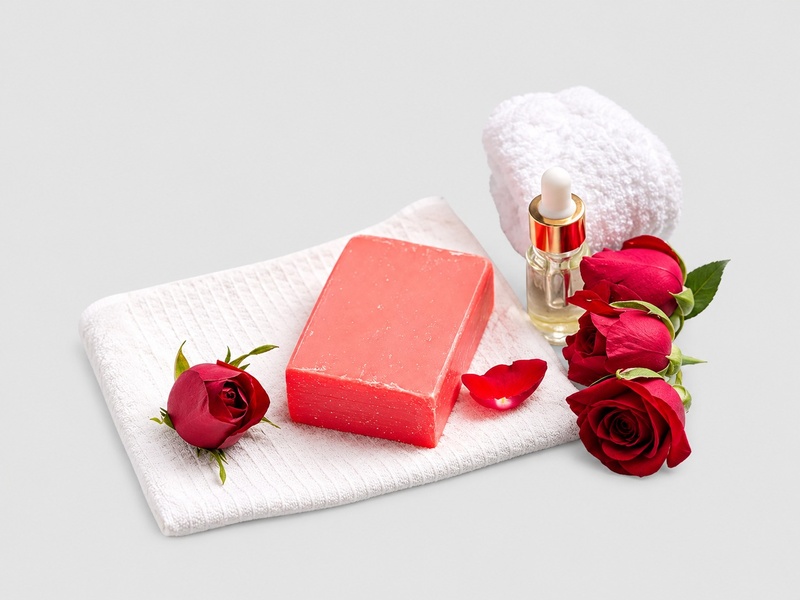
Handmade aromatic soaps are specially crafted cleansing products made from natural ingredients, including oils, fats, and fragrances. Unlike mass-produced soaps, these artisanal creations are often made in small batches, emphasizing quality and unique scents. The process usually involves cold or hot saponification methods, where oils react with an alkali to produce soap. The addition of essential oils and natural fragrances not only enhances their aromatic appeal but also provides various skin benefits.
The primary uses of handmade aromatic soaps extend beyond personal hygiene. They are popular in spas, resorts, and wellness centers, where they contribute to a luxurious and therapeutic bathing experience. In retail, businesses often offer these soaps as gift items or premium products, appealing to consumers looking for natural and eco-friendly options. The growing demand for organic and sustainable products in the personal care industry has made handmade aromatic soaps a relevant and profitable segment.
In the current market context, handmade aromatic soaps are gaining traction due to increased consumer awareness about the benefits of natural ingredients. The rise of eco-consciousness and the trend towards sustainable living have created a favorable environment for these products. As a result, businesses that offer handmade aromatic soaps are positioned well within the beauty and wellness sectors, catering to a niche market that values quality over quantity.
Key Features and Specifications
Handmade aromatic soaps boast a range of features that set them apart from commercial soaps. These features include the use of natural ingredients, customizable scents, and skin-friendly properties. Businesses looking to source these products should consider specific specifications to ensure quality and effectiveness.
Key specifications include:
1. Ingredients
- Typically composed of natural oils, fats, and essential oils
- Free from synthetic additives and harsh chemicals
2. Scent Profile
- Variety of fragrances available, including floral, herbal, and citrus
- Customizable options for unique scent combinations
3. Skin Benefits
- Often enriched with nourishing ingredients like shea butter and coconut oil
- Formulated to hydrate, soothe, and rejuvenate the skin
4. Packaging
- Typically eco-friendly and biodegradable options available
- Attractive designs that enhance marketability
5. Shelf Life
- Generally has a shelf life of 1 to 3 years, depending on the ingredients used
- Proper storage conditions can extend longevity
6. Production Method
- Handmade using traditional saponification techniques
- Small batch production ensures quality control
7. Certifications
- May include organic or cruelty-free certifications
- CE certification indicating compliance with European standards
8. Minimum Order Quantity (MOQ)
- Varies by supplier but typically ranges from 100 to 500 units
In summary, these specifications highlight the unique characteristics of handmade aromatic soaps, making them appealing to both consumers and businesses in the beauty industry.
Common Applications and Use Cases
Handmade aromatic soaps are versatile products with applications across various sectors. They are not only used for personal care but also serve as promotional items and gifts.
1. Spa and Wellness: Used in treatments and rituals to enhance relaxation and provide therapeutic benefits to clients.
2. Retail: Sold as premium products in boutiques, health stores, and online platforms, appealing to consumers seeking high-quality, natural options.
3. Hospitality: Often offered in hotels and resorts to elevate guest experiences, adding a touch of luxury to their stay.
4. Gift and Specialty Shops: Frequently packaged attractively for special occasions, making them popular gift items.
5. Corporate Gifting: Used by businesses for promotional purposes, often branded with company logos for marketing events.
6. Personal Care Products: Included in skincare routines for their gentle cleansing and nourishing properties.
7. Craft and DIY: Sought after by hobbyists who create their own custom soap blends for personal use or resale.
Product Variants and Subcategories
Handmade aromatic soaps come in various forms, each catering to different preferences and needs. This diversity allows businesses to offer tailored products to their customers.
Lavender Infused Soap
This variant is known for its calming and soothing properties. Infused with lavender essential oil, it is ideal for relaxation and stress relief. It is popular among consumers looking for a gentle cleansing experience that promotes tranquility.
Citrus Burst Soap
With a refreshing blend of citrus essential oils, this soap variant is invigorating and energizing. It is perfect for morning use, helping to awaken the senses and provide a refreshing cleanse.
Herbal Essence Soap
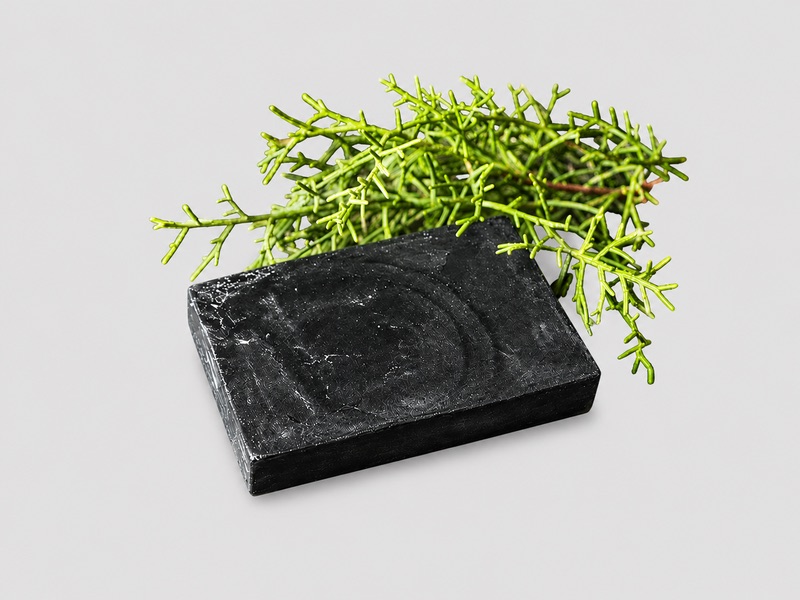
Made with a combination of various herbal extracts, this variant is designed to nourish and rejuvenate the skin. It appeals to consumers who prefer natural ingredients and holistic wellness.
Exotic Spice Soap
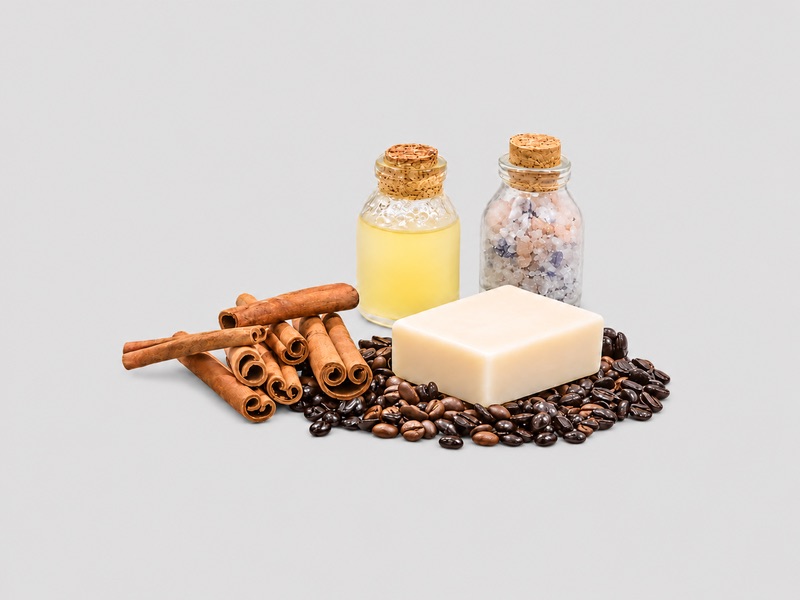
Infused with warming spices, this variant offers a unique sensory experience. It is favored by those who enjoy rich, complex scents and seek a more aromatic bathing experience.
Benefits and Advantages
Choosing handmade aromatic soaps offers numerous advantages over conventional options. These benefits make them an attractive choice for consumers and businesses alike.
1. Natural Ingredients: Handmade soaps are typically free from harsh chemicals, making them gentler on the skin and suitable for sensitive skin types.
2. Customization: Many suppliers offer the option to customize scents and formulations, allowing businesses to cater to specific customer preferences.
3. Eco-Friendly: These soaps often come in sustainable packaging, appealing to environmentally conscious consumers who prioritize eco-friendly products.
4. Artisan Quality: Handmade soaps are crafted with care, ensuring a higher quality product compared to mass-produced alternatives.
5. Unique Fragrances: The variety of scents available allows consumers to find products that resonate with their personal style and preferences.
6. Health Benefits: Enriched with nourishing ingredients, handmade aromatic soaps can provide additional skincare benefits, such as hydration and soothing properties.
Buying Guide for B2B Buyers
When sourcing handmade aromatic soaps, businesses should consider several critical factors to ensure they make informed purchasing decisions.
1. Quality Assessment: It is essential to evaluate the quality of the soaps by checking ingredient lists and requesting samples. Look for certifications that validate the quality and safety of the products.
2. Supplier Verification: Conduct thorough research on potential suppliers, including their reputation, production methods, and previous customer reviews. Reliable suppliers should demonstrate transparency and reliability.
3. Pricing and MOQ: Compare prices among different suppliers while considering the minimum order quantity. Ensure that the pricing aligns with your budget and sales strategy.
4. Delivery and Lead Times: Discuss logistics with suppliers to understand their delivery capabilities and lead times. Timely delivery is crucial for maintaining inventory levels.
5. Compliance Requirements: Be aware of any industry regulations and compliance standards that may apply to handmade aromatic soaps, particularly if you plan to distribute them in multiple regions.
Compliance and Certifications
Handmade aromatic soaps must adhere to various quality standards and certifications to ensure safety and effectiveness. Key standards include ISO 9001, which focuses on quality management systems, ensuring products meet customer and regulatory requirements.
Additionally, HACCP (Hazard Analysis and Critical Control Points) practices may be implemented in the production process to ensure food safety when ingredients are derived from food sources. Compliance with GDP (Good Distribution Practices) is also essential, particularly for suppliers shipping products across borders.
In the European market, CE certification is important as it indicates that the products meet the necessary health, safety, and environmental protection standards. Regional compliance considerations also play a role, as different countries may have specific regulations regarding cosmetic products. It is crucial for businesses to verify that their suppliers meet these compliance requirements to mitigate risks and ensure product safety.
Why Source Handmade Aromatic Soaps from Pepagora?
Pepagora offers a reliable platform for sourcing handmade aromatic soaps, providing several distinct advantages for B2B buyers.
Verified Supplier Network: Pepagora has established a robust network of verified suppliers, ensuring that businesses can connect with reputable manufacturers. This reduces the risks associated with sourcing and guarantees quality products.
Streamlined RFQ Process: The platform simplifies the request for quotation process, allowing buyers to easily compare offers from multiple suppliers. This efficiency saves time and enhances decision-making.
Trade Assurance and Support: Pepagora provides trade assurance features that protect buyers against potential risks. This includes support for dispute resolution and assistance throughout the purchasing process.
Regional Coverage: With a focus on key markets such as India, the GCC, and Southeast Asia, Pepagora ensures that buyers have access to a diverse range of handmade aromatic soaps tailored to various regional preferences. This geographic reach enhances product availability and sourcing options for businesses.











Frequently Asked Questions
What are Handmade Aromatic Soaps?
Handmade Aromatic Soaps are soaps crafted using natural ingredients, often infused with essential oils and fragrances. These soaps are typically produced in small batches, which allows for greater quality control and customization compared to mass-produced soaps.
What are the different types of Handmade Aromatic Soaps?
There are various types of Handmade Aromatic Soaps, including glycerin soaps, herbal soaps, and exfoliating soaps. Each type may incorporate different natural ingredients such as herbs, flowers, or exfoliants to enhance the aromatic and skin-beneficial properties.
How do I choose the right Handmade Aromatic Soaps?
To choose the right Handmade Aromatic Soaps, consider your skin type and any specific skin concerns you may have. Additionally, look for soaps with ingredients that align with your personal preferences, such as fragrance and texture.
What are the standard specifications for Handmade Aromatic Soaps?
Standard specifications for Handmade Aromatic Soaps typically include the use of natural ingredients, absence of synthetic additives, and adherence to safety regulations. They should also meet specific pH levels suitable for skin use.
What is the price range for Handmade Aromatic Soaps?
The price range for Handmade Aromatic Soaps can vary widely based on ingredients, size, and brand. Generally, prices may range from INR 50 to INR 500 per bar, depending on the quality and unique features of the soap.
What quality standards apply to Handmade Aromatic Soaps?
Quality standards for Handmade Aromatic Soaps often include compliance with safety regulations, ingredient sourcing, and proper labeling. Additionally, soaps should be tested for skin compatibility and should not contain harmful chemicals.
Where can I find Handmade Aromatic Soaps suppliers in India?
You can find Handmade Aromatic Soaps suppliers in India through online B2B marketplaces like Pepagora.com, local craft fairs, or specialty stores focusing on natural products. Networking with local artisans can also provide leads on reliable suppliers.
Can Handmade Aromatic Soaps be customized?
Yes, many manufacturers offer customization options for Handmade Aromatic Soaps. You can request specific scents, colors, and ingredients to meet your personal or business needs.
What is the typical minimum order quantity for Handmade Aromatic Soaps?
The typical minimum order quantity (MOQ) for Handmade Aromatic Soaps can vary by supplier but generally ranges from 50 to 100 pieces. It is advisable to check with individual suppliers for their specific MOQ requirements.
What is the typical lead time for Handmade Aromatic Soaps?
The typical lead time for Handmade Aromatic Soaps can range from 1 to 4 weeks, depending on the supplier and order size. Factors such as customization and availability of ingredients may also affect the delivery timeline.
Why Businesses Trust Pepagora
Thousands of companies trust Pepagora to source smarter and sell faster
Expand Your Sales Globally

Source Smarter,Grow Faster
