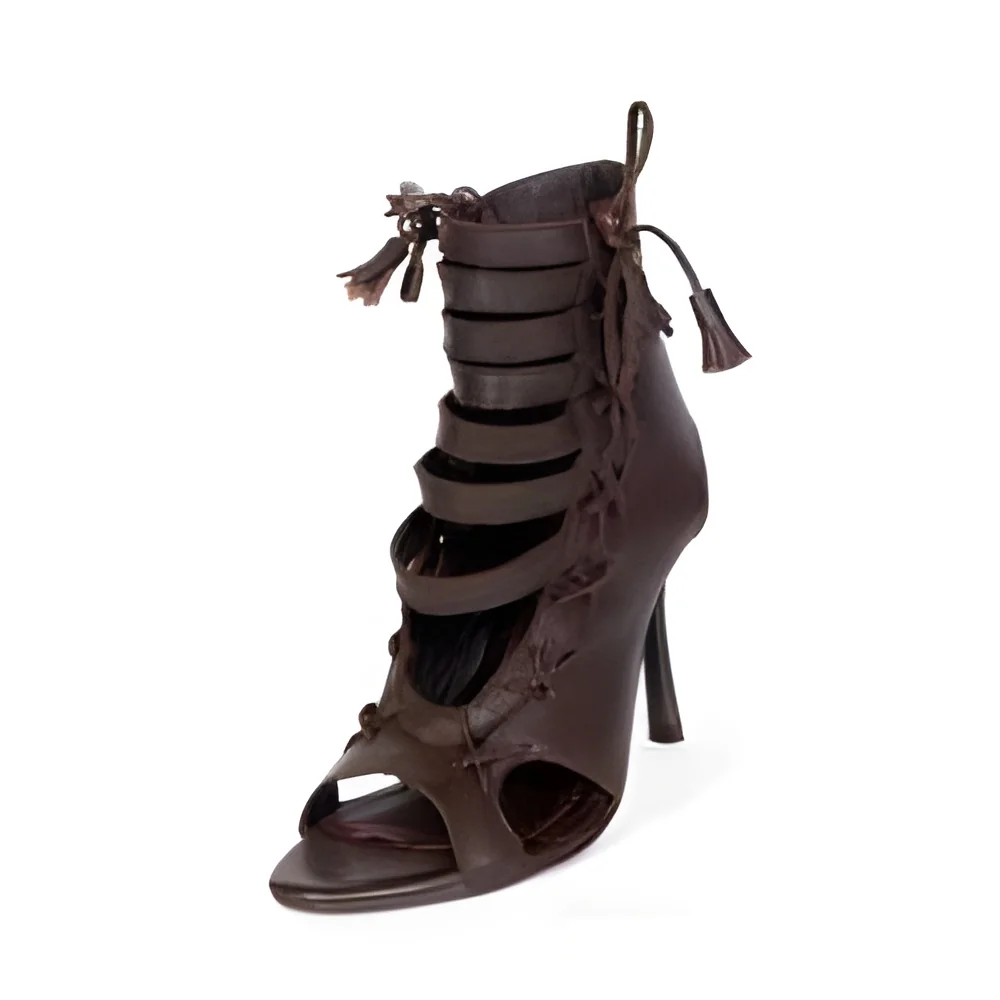
What are Handcrafted Leather Footwear?
Handcrafted leather footwear refers to shoes, boots, and other types of footwear made from leather through artisanal techniques. These products are typically crafted by skilled artisans who pay close attention to detail, ensuring high quality and unique designs. The process often involves traditional methods that enhance the durability and aesthetic appeal of the footwear, making it a premium choice for consumers.
These footwear items are commonly used in various business applications, from formal settings to casual environments. They cater to a diverse range of markets, including fashion, hospitality, and corporate sectors. Handcrafted leather footwear is especially valued for its comfort, style, and longevity, making it a worthwhile investment for businesses looking to provide quality products to their customers. In the current market context, there is a growing demand for sustainable and ethically-produced goods, which further enhances the relevance of handcrafted leather footwear.
Key Features and Specifications
Handcrafted leather footwear is characterized by its quality materials and expert craftsmanship. It stands out for its unique styles and personalized options, which can cater to specific customer preferences.
Key specifications include:
1. Material Quality
- High-grade leather sourced from reputable suppliers
- Various types of leather such as full-grain, top-grain, and suede
2. Craftsmanship
- Handmade by skilled artisans with years of experience
- Attention to detail in stitching and finishing
3. Comfort Features
- Cushioned insoles for added comfort
- Breathable linings to regulate temperature
4. Durability
- Reinforced stitching to withstand wear and tear
- High-quality soles designed for longevity
5. Customization Options
- Availability of personalized designs, colors, and sizes
- Options for unique embellishments or branding
6. Sizing Variability
- Range of sizes to accommodate different foot shapes
- Half sizes and width options for a better fit
7. Style Diversity
- Various styles including loafers, oxfords, boots, and sandals
- Seasonal collections to keep up with fashion trends
In summary, handcrafted leather footwear combines high-quality materials, expert craftsmanship, and customizable options, making it an attractive choice for businesses seeking durable and stylish products.
Common Applications and Use Cases
Handcrafted leather footwear serves numerous industries and applications, meeting the specific needs of various sectors.
1. Fashion Retail: Retailers benefit from offering unique styles that appeal to fashion-conscious consumers. These products enhance brand image and attract customers looking for quality.
2. Hospitality: Hotels and restaurants often use handcrafted footwear as part of their staff uniforms to promote a polished and professional appearance.
3. Corporate Environments: Businesses prefer handcrafted leather shoes for their employees to convey professionalism and sophistication during meetings and events.
4. E-commerce: Online platforms can capitalize on the growing trend of personalized footwear by offering custom options for consumers seeking distinctive products.
5. Footwear Distributors: Distributors can expand their product lines with handcrafted options to meet the demand for quality and artisanal offerings.
6. Event Organizers: Special events may require specific footwear for staff, making handcrafted options ideal for providing a cohesive look.
7. Cultural Markets: Certain regions value traditional craftsmanship, making handcrafted leather footwear a sought-after item that reflects cultural heritage.
Product Variants and Subcategories
Handcrafted leather footwear offers a variety of styles, allowing businesses to cater to diverse customer preferences.
Formal Shoes
Formal shoes are designed for business and formal occasions. They often feature sleek designs, premium materials, and a polished finish, making them suitable for corporate settings.
Casual Footwear
Casual footwear includes loafers and slip-ons that provide comfort without sacrificing style. These options are ideal for relaxed environments and everyday wear.
Boots
Boots are versatile and can be used in various settings, from casual outings to formal events. They often feature durable construction and stylish designs.
Sandals
Handcrafted sandals provide a comfortable option for warmer climates. They combine style and functionality, making them popular for both casual and semi-formal occasions.
Benefits and Advantages
Handcrafted leather footwear offers several advantages that make them a preferred choice for businesses.
1. Quality Assurance: The meticulous craftsmanship ensures high-quality products that often outperform mass-produced alternatives.
2. Unique Designs: Businesses can provide customers with distinctive footwear options that stand out in a crowded market.
3. Sustainability: Many artisans prioritize eco-friendly practices, appealing to environmentally conscious consumers.
4. Comfort and Fit: The ability to customize sizing and styles allows for enhanced comfort, which is crucial for everyday wear.
5. Brand Image: Offering high-quality handcrafted footwear can elevate a brand's reputation and attract discerning consumers.
6. Long-term Value: While the initial investment may be higher, the durability of handcrafted footwear leads to long-term savings due to reduced replacement needs.
Buying Guide for B2B Buyers
When sourcing handcrafted leather footwear, several factors should be considered to ensure a successful purchase.
1. Quality Assessment: Evaluate the materials and craftsmanship to ensure the footwear meets industry standards. Look for samples or references from previous clients.
2. Supplier Verification: Vet suppliers by checking their credentials and reputation in the market. Reliable suppliers often have verified customer feedback and industry certifications.
3. Pricing and MOQ: Understand the pricing structure and minimum order quantities. This information helps in budgeting and assessing the feasibility of purchasing.
4. Delivery and Lead Times: Inquire about the typical lead times for production and delivery. Timely fulfillment is crucial for maintaining inventory and meeting customer demands.
5. Compliance Requirements: Ensure that the footwear meets relevant regulatory standards and certifications, such as CE marking or local compliance laws.
Compliance and Certifications
Handcrafted leather footwear must adhere to specific quality standards to ensure safety and reliability. Common standards include ISO 9001, which focuses on quality management systems, and HACCP, which emphasizes risk management in production processes.
Industry certifications, such as CE marking, indicate compliance with European safety and health requirements. These certifications assure buyers of the product's quality and safety.
Additionally, manufacturers should consider safety and testing requirements, such as testing for chemical content and durability. Regional compliance may vary, so understanding local regulations is key to successful sourcing.
Why Source Handcrafted Leather Footwear from Pepagora?
Pepagora offers a trusted platform for sourcing handcrafted leather footwear, providing several key advantages for businesses.
Verified Supplier Network: Pepagora connects buyers with a network of verified suppliers who have undergone thorough vetting. This ensures reliable sourcing and quality products.
Streamlined RFQ Process: The platform simplifies the request for quotation process, allowing buyers to quickly receive competitive quotes from multiple suppliers.
Trade Assurance and Support: Buyers benefit from trade assurance programs that protect their investments and ensure product quality. Pepagora provides support throughout the purchasing process.
Regional Coverage: With a strong presence in India, the GCC, and Southeast Asia, Pepagora facilitates access to a diverse range of handcrafted leather footwear, catering to various market needs.

 IN
IN