
 IN
Grocery Paper Bags
1 products available
What are Grocery Paper Bags?
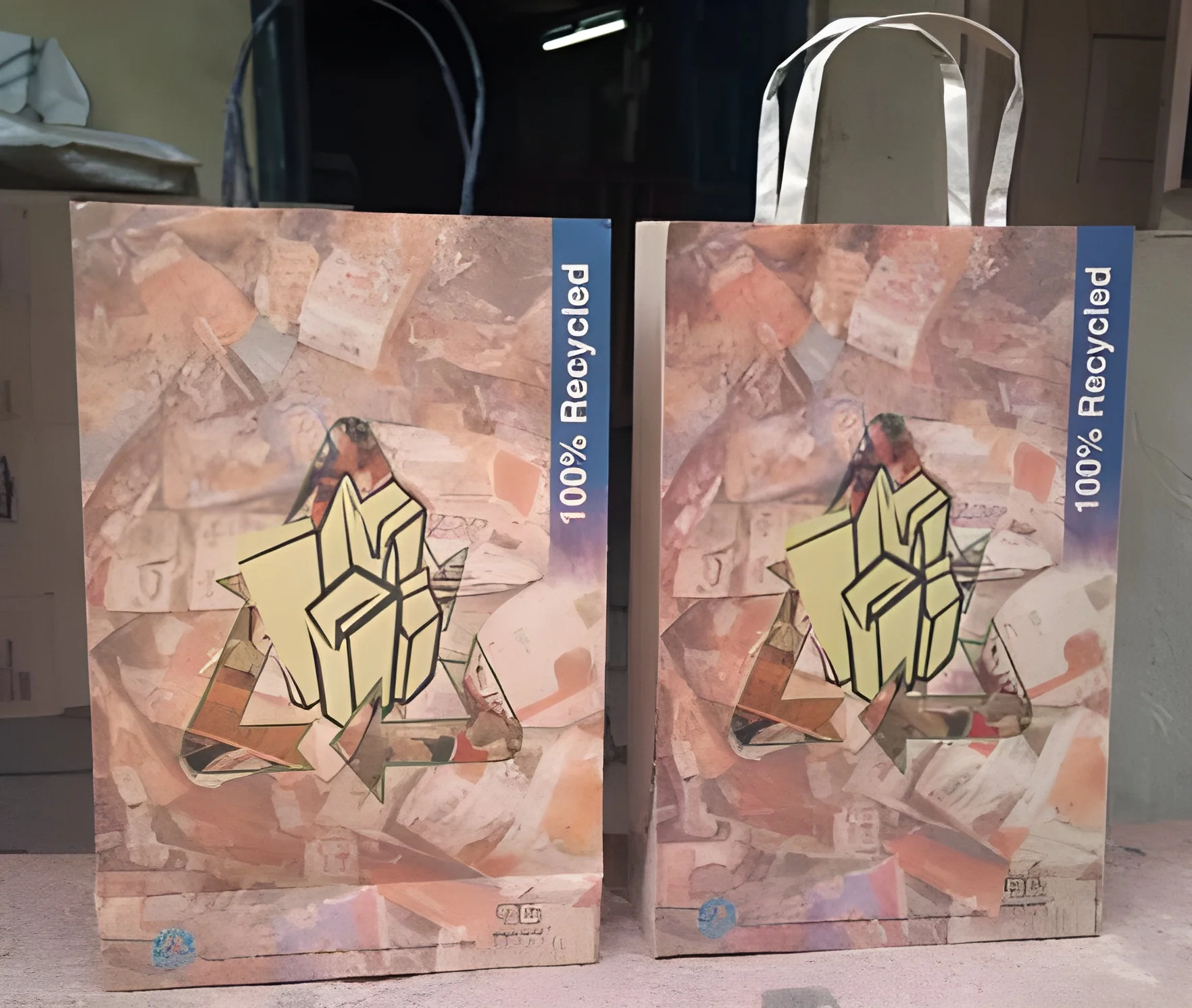
Grocery paper bags are eco-friendly packaging solutions designed for carrying groceries and other retail items. These bags are typically made from recyclable paper materials, offering an alternative to plastic bags that are often detrimental to the environment. Grocery paper bags come in various sizes and styles, making them suitable for a wide range of products, from fresh produce to packaged goods.
These bags are primarily used in grocery stores, supermarkets, and retail outlets. They are ideal for both small and large businesses looking to provide customers with sustainable shopping options. Many retailers opt for grocery paper bags to enhance their brand image as environmentally conscious entities. The demand for such bags has increased significantly as consumers become more aware of sustainability and environmental issues.
In the current market context, the grocery paper bag industry is experiencing growth driven by the global push for sustainability. Many governments are enacting regulations to reduce plastic usage, further boosting the demand for paper-based packaging solutions. Businesses that adopt grocery paper bags not only comply with regulations but also align with consumer preferences for responsible product choices.
Key Features and Specifications
Grocery paper bags come with various features and specifications that cater to different business needs. These specifications help businesses select the right bag for their products and customer preferences.
Key specifications include:
1. Material Type
- Made from high-quality, recyclable paper
- Options for unbleached, bleached, or kraft paper
2. Bag Size
- Available in multiple sizes ranging from small to large
- Custom sizes can also be requested based on business needs
3. Weight Capacity
- Typically capable of holding between 5 to 20 pounds
- Strength varies based on paper quality and bag design
4. Handle Type
- Options include flat handles, twisted handles, and die-cut handles
- Handle types can affect comfort and usability
5. Printing Options
- Custom printing available for branding purposes
- Options for one-color or full-color prints
6. Closure Type
- Some bags come with a flat or fold-over closure
- Designed for easy sealing to secure contents
7. Eco-Friendliness
- Made from biodegradable materials
- Options for recycled paper available
8. Compliance Certifications
- Certified by relevant industry standards such as CE
- Ensures safety and quality assurance
Grocery paper bags offer a combination of practicality and sustainability, making them an excellent choice for businesses focused on environmentally-friendly practices.
Common Applications and Use Cases
Grocery paper bags are versatile and find applications across various industries.
1. Retail Grocery Stores: These bags are used for carrying groceries, providing customers with a sturdy and eco-friendly option.
2. Farmers' Markets: Vendors use grocery paper bags to package fresh produce, promoting sustainable practices among consumers.
3. Restaurants and Cafes: Many establishments use these bags for takeout orders, enhancing their commitment to environmental responsibility.
4. Health Food Stores: Grocery paper bags are ideal for packaging organic and natural products, aligning with the values of health-conscious consumers.
5. Specialty Shops: Retailers selling items like baked goods or bulk items often utilize grocery paper bags for their convenience and sustainability.
6. E-commerce: Businesses shipping products can use grocery paper bags as an eco-friendly packaging solution to reduce waste.
7. Gift Shops: These bags serve as attractive packaging for gifts, especially when customized with branding.
Product Variants and Subcategories
Grocery paper bags offer a diverse range of options to meet different business needs.
Standard Grocery Paper Bags: These are the most commonly used variant, typically made from kraft paper. They are durable and available in various sizes, making them suitable for everyday grocery shopping.
Custom Printed Grocery Bags: These bags can be personalized with logos and branding. They are ideal for businesses looking to enhance their visibility while promoting sustainability.
Reinforced Grocery Bags: Designed for heavier loads, these bags feature additional support, making them perfect for carrying bulk items. They are commonly used in grocery stores for larger purchases.
Biodegradable Paper Bags: Made from fully biodegradable materials, these bags are an eco-friendly option for businesses committed to sustainability. They decompose naturally, leaving no harmful waste.
Benefits and Advantages
Grocery paper bags provide numerous advantages that appeal to businesses and consumers alike.
1. Environmental Sustainability: Made from recyclable materials, these bags contribute to reducing plastic waste.
2. Customization Options: Businesses can personalize bags to enhance branding and improve customer engagement.
3. Strength and Durability: High-quality paper bags can handle significant weight, providing reliable support for various products.
4. Consumer Appeal: Eco-conscious consumers prefer grocery paper bags, which can help businesses attract a more environmentally aware customer base.
5. Compliance with Regulations: Using grocery paper bags can help businesses comply with growing regulations against plastic usage.
6. Versatility: These bags can be used across various industries, making them a flexible packaging solution.
Buying Guide for B2B Buyers
When sourcing grocery paper bags, several factors should be considered to ensure you make the best decision for your business needs.
1. Quality Assessment: Evaluate the quality of paper and durability of the bags. Look for suppliers that offer samples to test before committing to larger orders.
2. Supplier Verification: Research potential suppliers to ensure they have a good reputation and provide reliable products. Check for customer reviews and industry certifications.
3. Pricing and MOQ: Understand the pricing structure and minimum order quantities. This will help you manage your budget effectively while ensuring you meet your supply needs.
4. Delivery and Lead Times: Inquire about delivery options and lead times to ensure you receive your orders promptly. Consider suppliers that offer flexible shipping solutions.
5. Compliance Requirements: Ensure that the bags meet any relevant industry standards and regulations, such as CE certification, to avoid compliance issues.
Compliance and Certifications
Grocery paper bags must comply with various quality standards and industry certifications to ensure safety and reliability.
Quality standards such as ISO 9001 and HACCP apply to the production processes of grocery paper bags, ensuring that they are manufactured in a controlled and safe environment. These standards help guarantee the bags meet customer expectations for quality and performance.
Industry certifications, like CE, signify that products adhere to European safety and health regulations. This is crucial for suppliers who wish to market their products internationally.
Safety and testing requirements typically involve assessments for material quality and durability, ensuring that bags can safely carry products without risk of tearing or leakage.
Regional compliance considerations may vary, so it is essential for businesses to be aware of local regulations regarding packaging materials, especially in areas with strict environmental laws.
Why Source Grocery Paper Bags from Pepagora?
Pepagora provides a trusted platform for sourcing grocery paper bags, offering several key advantages that appeal to B2B buyers.
Verified Supplier Network: Pepagora has a robust network of verified suppliers. Each supplier is thoroughly vetted to ensure they adhere to quality and compliance standards, giving buyers peace of mind.
Streamlined RFQ Process: The platform simplifies the request for quotation (RFQ) process, allowing businesses to quickly obtain competitive pricing and terms from multiple suppliers, making it easier to find the best deal.
Trade Assurance and Support: Pepagora offers trade assurance, which protects buyers throughout the purchasing process. This feature provides added security, ensuring that businesses receive quality products as promised.
Regional Coverage: With a strong presence in India, the GCC, and Southeast Asia, Pepagora connects buyers to a wide range of suppliers, making it easier to source grocery paper bags tailored to specific market needs.


Frequently Asked Questions
What are Grocery Paper Bags?
Grocery paper bags are eco-friendly packaging solutions designed for carrying groceries and other retail products. Made from paper, they are biodegradable and recyclable, making them a sustainable alternative to plastic bags.
What are the different types of Grocery Paper Bags?
There are several types of grocery paper bags, including flat bags, stand-up bags, and paper sacks. Each type is designed for specific uses, with variations in size, strength, and design to accommodate different grocery items.
How do I choose the right Grocery Paper Bags?
To choose the right grocery paper bags, consider factors such as the weight of the items to be carried, the desired size, and the bag's design. Additionally, evaluate the environmental impact and whether the bags are made from recycled materials.
What are the standard specifications for Grocery Paper Bags?
Standard specifications for grocery paper bags include weight capacity, dimensions, and material thickness. Common materials are kraft paper and recycled paper, with thickness typically ranging from 60 to 120 GSM, depending on the intended use.
What is the price range for Grocery Paper Bags?
The price range for grocery paper bags varies based on factors such as material, size, and order quantity. Generally, prices can range from INR 5 to INR 15 per bag, with bulk orders often receiving discounts.
What quality standards apply to Grocery Paper Bags?
Quality standards for grocery paper bags include strength, durability, and safety for food contact. Bags should comply with local regulations regarding materials and labeling to ensure they are safe for consumer use.
Where can I find Grocery Paper Bags suppliers in India?
You can find grocery paper bags suppliers in India through online marketplaces like Pepagora.com, trade shows, and industry directories. Conducting a search for 'best grocery paper bags suppliers in India' can also yield reputable manufacturers.
Can Grocery Paper Bags be customized?
Yes, grocery paper bags can be customized in terms of size, design, and printing options. Many manufacturers offer personalized printing services to include logos or branding elements on the bags.
What is the typical minimum order quantity for Grocery Paper Bags?
The typical minimum order quantity (MOQ) for grocery paper bags varies by supplier, but it often ranges from 500 to 1,000 bags. It's advisable to check with suppliers for specific MOQs based on the type and customization of bags required.
What is the typical lead time for Grocery Paper Bags?
The typical lead time for grocery paper bags can vary based on order size and customization. Generally, it ranges from 2 to 4 weeks, but it's best to confirm with the supplier for more accurate timelines.
Why Businesses Trust Pepagora
Thousands of companies trust Pepagora to source smarter and sell faster
Expand Your Sales Globally

Source Smarter,Grow Faster
