𝗪𝗵𝗮𝘁 𝗮𝗿𝗲 𝗚𝗼𝗮𝘁 & 𝗦𝗵𝗲𝗲𝗽 𝗛𝗼𝘂𝘀𝗶𝗻𝗴 𝗦𝘁𝗿𝘂𝗰𝘁𝘂𝗿𝗲𝘀?
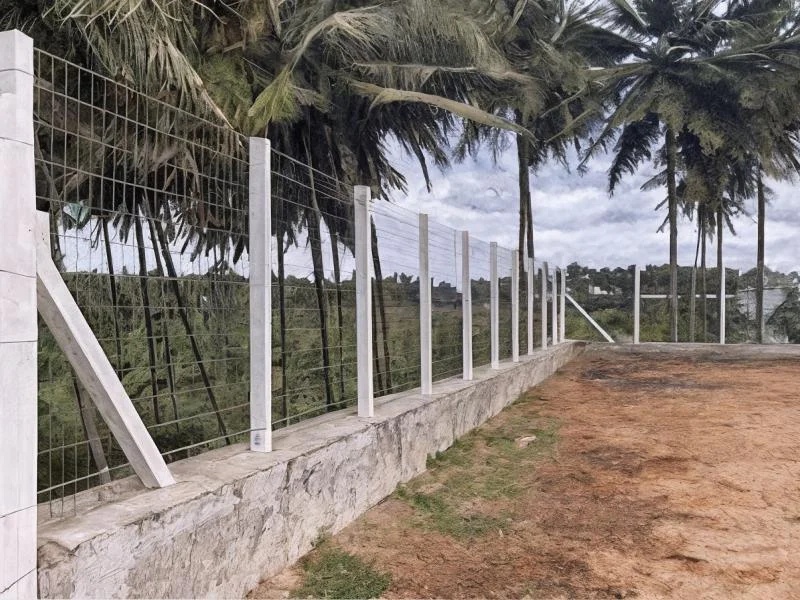
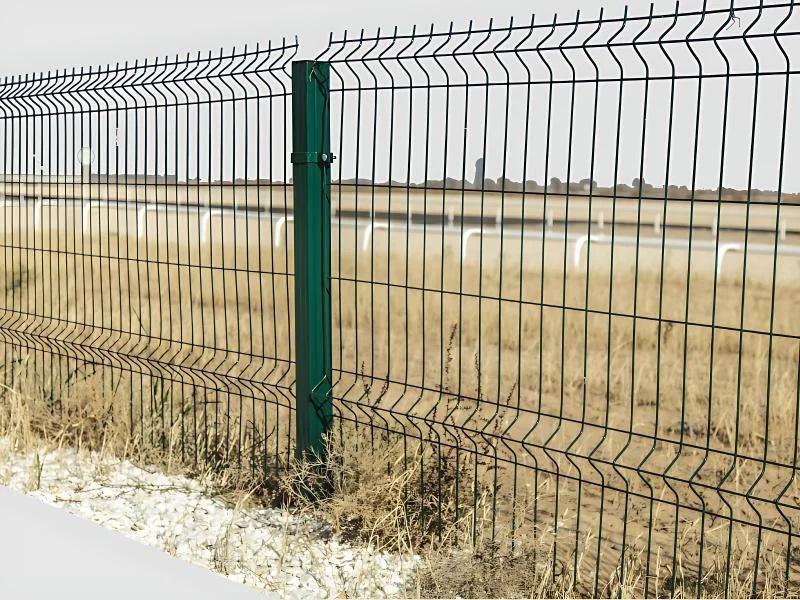
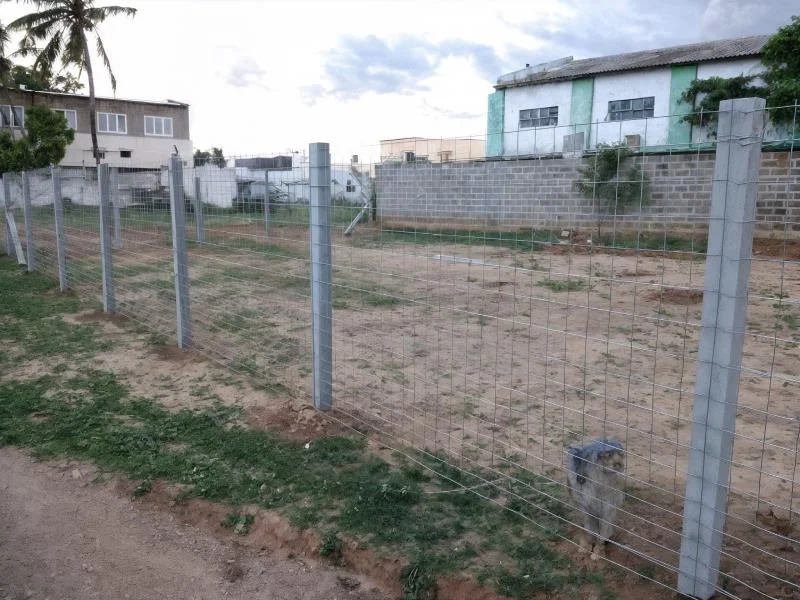
Goat and sheep housing structures are specialized facilities designed to provide safe, comfortable, and functional environments for livestock. These structures can vary in size and complexity, but their primary goal is to shelter animals from harsh weather conditions, ensure their well-being, and facilitate efficient management practices. Proper housing is crucial for the health and productivity of goats and sheep, as it helps reduce stress and exposure to predators.
These housing solutions are widely used in agriculture and livestock farming, serving as essential components for both small-scale farms and larger commercial operations. They are particularly beneficial in regions with extreme weather, where adequate shelter can dramatically impact animal welfare and productivity. Furthermore, these structures can be customized to meet the specific needs of different breeds and farming practices, enhancing their utility across various applications.
In today's agricultural landscape, the demand for efficient livestock housing is growing, driven by the need for higher productivity and sustainable farming practices. This trend highlights the importance of investing in quality goat and sheep housing structures that comply with industry standards and address the evolving needs of livestock farmers.
𝗞𝗲𝘆 𝗙𝗲𝗮𝘁𝘂𝗿𝗲𝘀 𝗮𝗻𝗱 𝗦𝗽𝗲𝗰𝗶𝗳𝗶𝗰𝗮𝘁𝗶𝗼𝗻𝘀
Goat and sheep housing structures come with a range of features and specifications to ensure optimal conditions for livestock. These features can enhance animal comfort, improve management efficiency, and ensure the longevity of the structures.
Key specifications include:
1. Construction Material
- Typically made from durable materials like steel, wood, or composite materials
- Designed to withstand various environmental conditions
2. Ventilation Systems
- Equipped with natural or mechanical ventilation to ensure fresh air circulation
- Helps control temperature and humidity levels within the structure
3. Size and Capacity
- Available in various sizes to accommodate different herd sizes
- Should provide ample space per animal to promote comfort and reduce stress
4. Flooring Options
- Options include slatted, solid, or raised flooring to enhance sanitation
- Designed to minimize waste accumulation and improve hygiene
5. Insulation Properties
- Insulated designs to maintain stable internal temperatures during extreme weather
- Helps reduce heating or cooling costs
6. Accessibility Features
- Includes features like sliding doors and pens for easy access to animals
- Facilitates easier management and care routines
7. Waste Management Systems
- Integrated systems for effective waste disposal and management
- Supports environmental sustainability practices
8. Customization Options
- Ability to modify designs based on specific needs and preferences
- Offers flexibility for different farming operations
These specifications play a critical role in ensuring that goat and sheep housing structures meet the needs of both the animals and the farmers.
𝗖𝗼𝗺𝗺𝗼𝗻 𝗔𝗽𝗽𝗹𝗶𝗰𝗮𝘁𝗶𝗼𝗻𝘀 𝗮𝗻𝗱 𝗨𝘀𝗲 𝗖𝗮𝘀𝗲𝘀
Goat and sheep housing structures have diverse applications across various industries.
1. Agriculture: Farmers use these structures to shelter livestock, enhancing their health and productivity. Proper housing leads to better growth rates and improved quality of meat and wool.
2. Dairy Production: In dairy farming, these structures provide a controlled environment for milking goats and sheep, ensuring hygiene and comfort during milking sessions.
3. Research and Development: Universities and agricultural research institutions utilize goat and sheep housing for studies on animal behavior, nutrition, and health management.
4. Organic Farming: Organic farms often require specific housing solutions that align with their sustainable practices, focusing on animal welfare and natural living conditions.
5. Educational Programs: Agricultural schools and training centers use these structures for teaching students about livestock management and animal husbandry practices.
6. Breeding Programs: Specialized housing is essential for breeding programs to ensure the health and safety of breeding stock, leading to better genetic outcomes.
7. Agritourism: Some farms incorporate livestock housing as part of an agritourism experience, where visitors can learn about animal husbandry and sustainable practices.
𝗣𝗿𝗼𝗱𝘂𝗰𝘁 𝗩𝗮𝗿𝗶𝗮𝗻𝘁𝘀 𝗮𝗻𝗱 𝗦𝘂𝗯𝗰𝗮𝘁𝗲𝗴𝗼𝗿𝗶𝗲𝘀
Goat and sheep housing structures come in various forms to cater to different needs and farming practices.
Prefabricated Barns: These are modular structures that can be quickly assembled on-site. They are designed for flexibility and can be customized for specific herd sizes and management practices.
Mobile Shelters: These lightweight, transportable structures allow farmers to rotate grazing areas while providing shelter. They are ideal for pasture-based systems, enabling better land management.
Open-sided Sheds: These structures offer shelter while promoting airflow. They are typically used in milder climates where full enclosure is not necessary.
Insulated Barns: Designed for extreme climates, these barns feature enhanced insulation to maintain stable temperatures, ensuring animal comfort year-round.
𝗕𝗲𝗻𝗲𝗳𝗶𝘁𝘀 𝗮𝗻𝗱 𝗔𝗱𝘃𝗮𝗻𝘁𝗮𝗴𝗲𝘀
Investing in goat and sheep housing structures provides numerous benefits for livestock farmers and their animals.
1. Improved Animal Welfare: Proper housing ensures that animals are protected from harsh weather, reducing stress and promoting overall health.
2. Enhanced Productivity: Comfortable living conditions lead to better growth rates and increased milk production, positively impacting the bottom line for farmers.
3. Disease Prevention: Well-designed housing minimizes the risk of disease transmission by providing adequate space and sanitation.
4. Efficient Management: These structures facilitate easier access for feeding, cleaning, and veterinary care, streamlining daily operations.
5. Customization: Farmers can tailor housing solutions to fit their specific needs, maximizing efficiency and comfort.
6. Sustainability: Many housing options incorporate eco-friendly materials and practices, supporting sustainable farming goals.
𝗕𝘂𝘆𝗶𝗻𝗴 𝗚𝘂𝗶𝗱𝗲 𝗳𝗼𝗿 𝗕𝟮𝗕 𝗕𝘂𝘆𝗲𝗿𝘀
When sourcing goat and sheep housing structures, it is important for buyers to consider several key factors to ensure a successful purchase.
1. Quality Assessment: Evaluate the materials and construction quality to ensure longevity and durability. Look for structures built to withstand local environmental conditions.
2. Supplier Verification: Research and verify suppliers to ensure they meet industry standards and have a good reputation. Consider their experience and client testimonials.
3. Pricing and MOQ: Understand the pricing structure and minimum order quantity (MOQ) to align with your budget and needs. Compare quotes from multiple suppliers.
4. Delivery and Lead Times: Discuss logistics with suppliers to understand delivery schedules and lead times. Ensure they can meet your operational timelines.
5. Compliance Requirements: Familiarize yourself with local regulations and compliance standards for livestock housing. Ensure the structures meet necessary safety and quality certifications.
𝗖𝗼𝗺𝗽𝗹𝗶𝗮𝗻𝗰𝗲 𝗮𝗻𝗱 𝗖𝗲𝗿𝘁𝗶𝗳𝗶𝗰𝗮𝘁𝗶𝗼𝗻𝘀
Compliance and certifications play a crucial role in ensuring that goat and sheep housing structures meet industry standards and regulations. Relevant quality standards like ISO 9001 ensure that manufacturers adhere to processes that guarantee quality management systems.
Additionally, certifications such as CE indicate that the product complies with European safety, health, and environmental requirements. This is especially important for businesses looking to expand into international markets.
Moreover, safety and testing requirements dictate that structures must be evaluated for durability, safety, and effectiveness in protecting livestock. Buyers should also consider regional compliance aspects, as regulations can vary significantly based on location. This ensures that the housing structures not only meet legal requirements but also support best practices in livestock management.
𝗪𝗵𝘆 𝗦𝗼𝘂𝗿𝗰𝗲 𝗚𝗼𝗮𝘁 & 𝗦𝗵𝗲𝗲𝗽 𝗛𝗼𝘂𝘀𝗶𝗻𝗴 𝗦𝘁𝗿𝘂𝗰𝘁𝘂𝗿𝗲𝘀 𝗳𝗿𝗼𝗺 𝗣𝗲𝗽𝗮𝗴𝗼𝗿𝗮?
Pepagora provides a trusted platform for sourcing goat and sheep housing structures, offering several key advantages to B2B buyers.
Verified Supplier Network: Pepagora connects buyers with a network of verified suppliers, ensuring that they can source high-quality housing structures that meet their specific needs. This verification process helps mitigate risks associated with supplier selection.
Streamlined RFQ Process: The quotation system at Pepagora allows buyers to easily request quotes from multiple suppliers, facilitating comparison and informed decision-making. This process saves time and enhances efficiency in procurement.
Trade Assurance and Support: Pepagora offers trade assurance to protect buyers in their transactions, providing an added layer of security when sourcing products. This support instills confidence in the purchasing process.
Regional Coverage: With a strong presence in India, the GCC, and Southeast Asia, Pepagora enables buyers to access a wide range of housing solutions tailored to regional needs. This geographic reach ensures that farmers can find suitable options that align with their operational requirements.

 IN
IN