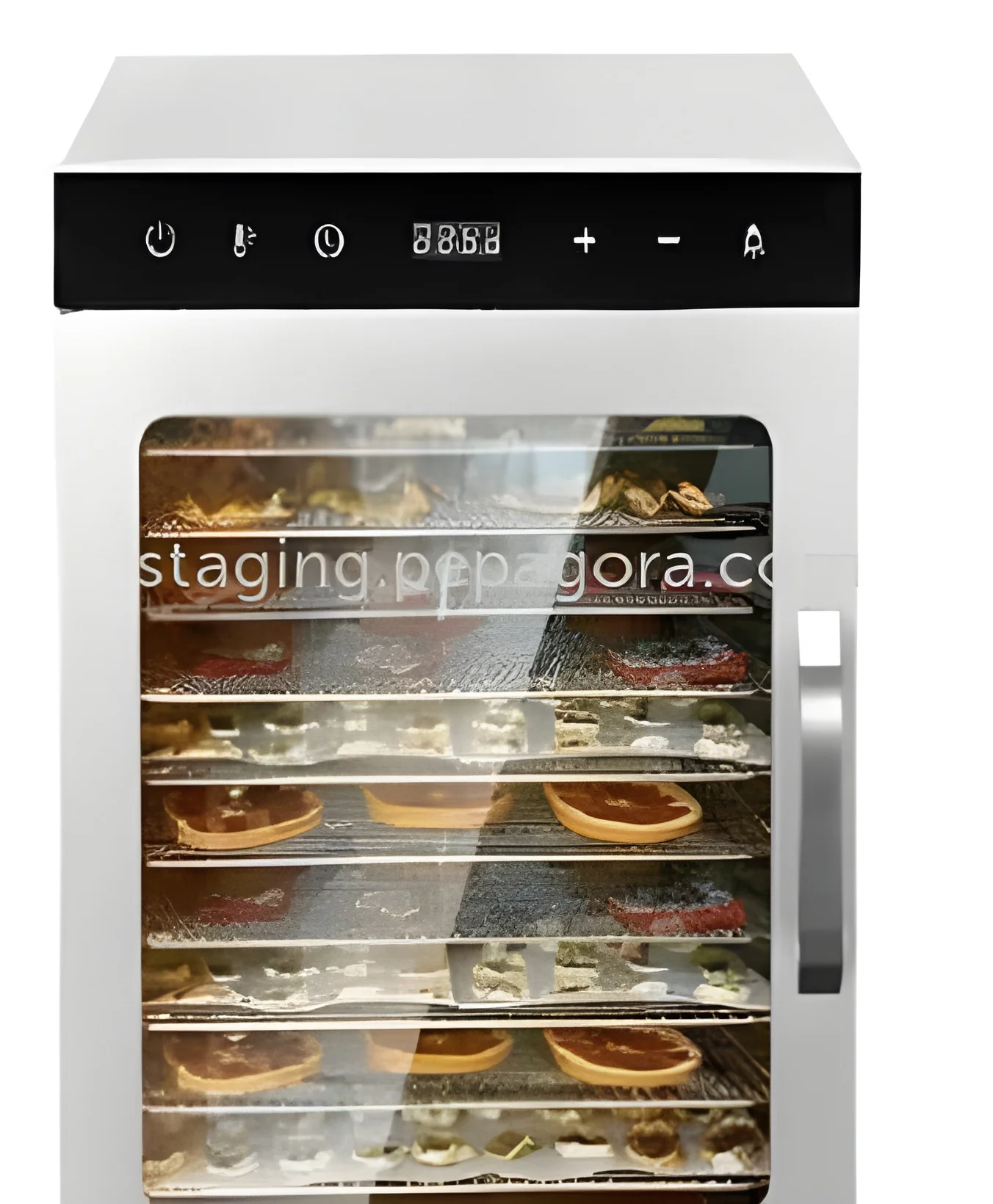
𝗪𝗵𝗮𝘁 𝗮𝗿𝗲 𝗙𝗼𝗼𝗱 𝗗𝗲𝗵𝘆𝗱𝗿𝗮𝘁𝗼𝗿𝘀?
Food dehydrators are specialized appliances designed to remove moisture from food. This process preserves the food's nutritional value, flavor, and texture while extending its shelf life. By utilizing low heat and airflow, dehydrators can effectively dry fruits, vegetables, herbs, and meats, making them ideal for various culinary applications.
In a business context, food dehydrators are commonly used in food processing industries, catering services, and restaurants. They are particularly beneficial for companies focused on producing snacks, dried fruits, or health foods. By dehydrating products, businesses can reduce waste, improve storage efficiency, and meet consumer demand for convenient, shelf-stable food options.
The market for food dehydrators is expanding, driven by the growing interest in healthy eating and sustainable food practices. As consumers increasingly seek out natural and preservative-free products, the demand for dehydrated foods is on the rise. This trend is creating opportunities for manufacturers and suppliers in the food industry, prompting innovations in dehydrator technology and design.
𝗞𝗲𝘆 𝗙𝗲𝗮𝘁𝘂𝗿𝗲𝘀 𝗮𝗻𝗱 𝗦𝗽𝗲𝗰𝗶𝗳𝗶𝗰𝗮𝘁𝗶𝗼𝗻𝘀
Food dehydrators come equipped with several features that enhance their performance and usability. When considering a food dehydrator, it is essential to pay attention to specific key specifications that define its capabilities.
Key specifications include:
1. Temperature Control
- Adjustable temperature settings for optimal drying
- Ranges between 95°F to 155°F (data not available)
2. Airflow System
- Convection or fan-assisted airflow for uniform drying
- Ensures even heat distribution across trays
3. Tray Capacity
- Number of trays available for drying food simultaneously
- Typically ranges from 4 to 12 trays
4. Timer Function
- Built-in timer for automatic shut-off
- Allows for precise drying times
5. Material Quality
- Construction from food-safe materials
- Durable and easy to clean components
6. Noise Level
- Operation sound ratings
- Generally below 60dB for quiet use
7. Energy Efficiency
- Power consumption ratings
- Designed for low energy usage
8. Size and Weight
- Dimensions and weight for portability and storage
- Compact designs for easy placement in kitchens
Overall, these specifications help buyers assess the suitability of food dehydrators for their specific needs.
𝗖𝗼𝗺𝗺𝗼𝗻 𝗔𝗽𝗽𝗹𝗶𝗰𝗮𝘁𝗶𝗼𝗻𝘀 𝗮𝗻𝗱 𝗨𝘀𝗲 𝗖𝗮𝘀𝗲𝘀
Food dehydrators serve a diverse range of industries and applications.
1. Food Processing: Dehydrators are extensively used to create dried fruits and vegetables, enhancing product variety and shelf life.
2. Catering Services: Chefs utilize dehydrators to prepare snacks and garnishes, adding unique flavors to their menus.
3. Restaurants: Establishments focus on health-conscious offerings can use dehydrators to create nutritious options, such as dried fruit snacks.
4. Snack Production: Companies specializing in healthy snacks leverage dehydrators to produce low-calorie, nutrient-rich products.
5. Retail Food Products: Retailers can offer a range of dehydrated items, appealing to consumers seeking convenient and long-lasting food choices.
6. Home Use: Many consumers purchase dehydrators for personal use, allowing them to create homemade snacks and preserve seasonal produce.
7. Health Food Businesses: Brands focused on natural and organic products often incorporate dehydrated foods into their offerings, meeting market demands.
𝗣𝗿𝗼𝗱𝘂𝗰𝘁 𝗩𝗮𝗿𝗶𝗮𝗻𝘁𝘀 𝗮𝗻𝗱 𝗦𝘂𝗯𝗰𝗮𝘁𝗲𝗴𝗼𝗿𝗶𝗲𝘀
Food dehydrators come in various models to cater to different user needs.
Compact Dehydrators
These models are designed for home kitchens or small-scale operations. They offer limited tray capacity but are ideal for personal use or small batches.
Commercial Dehydrators
Built for larger operations, commercial dehydrators feature higher capacity and more robust heating systems. They are suitable for food processing businesses that require consistent, high-volume drying.
Stackable Dehydrators
These units allow users to add additional trays as needed, providing flexibility in drying capacity. They are ideal for users who may need to adjust drying amounts frequently.
𝗕𝗲𝗻𝗲𝗳𝗶𝘁𝘀 𝗮𝗻𝗱 𝗔𝗱𝘃𝗮𝗻𝘁𝗮𝗴𝗲𝘀
Food dehydrators offer numerous benefits that enhance their appeal to businesses and consumers alike.
1. Nutritional Preservation: Dehydration retains vitamins and minerals, making dried foods a healthy option for consumers.
2. Extended Shelf Life: Dried foods can be stored for months or even years, reducing waste and improving inventory management.
3. Cost-Effectiveness: By drying excess produce, businesses can minimize costs associated with spoilage and waste.
4. Enhanced Flavor Concentration: Dehydration intensifies the flavors of food, creating richer tastes in snacks and meals.
5. Versatility: Food dehydrators can handle a wide variety of products, from fruits to meats, enabling diverse product lines.
6. Easy to Use: Most dehydrators come with user-friendly controls, making them accessible for both professionals and home users.
𝗕𝘂𝘆𝗶𝗻𝗴 𝗚𝘂𝗶𝗱𝗲 𝗳𝗼𝗿 𝗕𝟮𝗕 𝗕𝘂𝘆𝗲𝗿𝘀
When sourcing food dehydrators, several factors should be considered to ensure a suitable purchase.
1. Quality Assessment: Evaluate the quality of materials and construction. Look for durable units that can withstand regular use and meet food safety standards.
2. Supplier Verification: Conduct thorough research on suppliers. Check their credentials, customer reviews, and industry reputation to ensure reliability.
3. Pricing and MOQ: Understand the pricing structure and minimum order quantities. Compare different suppliers to find competitive pricing that aligns with your budget.
4. Delivery and Lead Times: Confirm lead times for delivery to ensure timely availability of products. This is crucial for maintaining production schedules.
5. Compliance Requirements: Be aware of any regulatory compliance needed for food safety. Ensure that the dehydrators meet relevant quality standards and certifications.
𝗖𝗼𝗺𝗽𝗹𝗶𝗮𝗻𝗰𝗲 𝗮𝗻𝗱 𝗖𝗲𝗿𝘁𝗶𝗳𝗶𝗰𝗮𝘁𝗶𝗼𝗻𝘀
Food dehydrators must adhere to various quality and safety standards to ensure they are suitable for commercial use. Relevant standards include ISO 9001, which outlines requirements for a quality management system, and HACCP, which focuses on food safety management.
Additionally, certain certifications, such as CE, indicate that the product meets European health, safety, and environmental protection standards.
Safety and testing requirements are also critical for food dehydrators. They must undergo rigorous testing to ensure they operate safely under specified conditions.
Regional compliance considerations may vary, so it is essential to verify the specific requirements based on the location of use.
𝗪𝗵𝘆 𝗦𝗼𝘂𝗿𝗰𝗲 𝗙𝗼𝗼𝗱 𝗗𝗲𝗵𝘆𝗱𝗿𝗮𝘁𝗼𝗿𝘀 𝗳𝗿𝗼𝗺 𝗣𝗲𝗽𝗮𝗴𝗼𝗿𝗮?
Pepagora provides a trusted platform for sourcing food dehydrators, offering several key advantages to buyers.
Verified Supplier Network: Pepagora boasts a network of verified suppliers, ensuring that buyers can access high-quality products from reputable manufacturers. This reduces the risk of purchasing subpar equipment.
Streamlined RFQ Process: The platform features a streamlined request for quotation (RFQ) process, allowing businesses to receive competitive quotes quickly. This efficiency saves time and enhances decision-making.
Trade Assurance and Support: Buyers benefit from trade assurance services that protect their purchases and provide support throughout the buying process. This instills confidence and security in transactions.
Regional Coverage: With a strong presence in India, the GCC, and Southeast Asia, Pepagora offers regional coverage that facilitates access to local suppliers and products. This geographic reach allows businesses to find dehydrators tailored to their market needs.

 IN
IN