
 IN
Floor Mats & Carpet Mats
132 products available
What are Floor Mats & Carpet Mats?
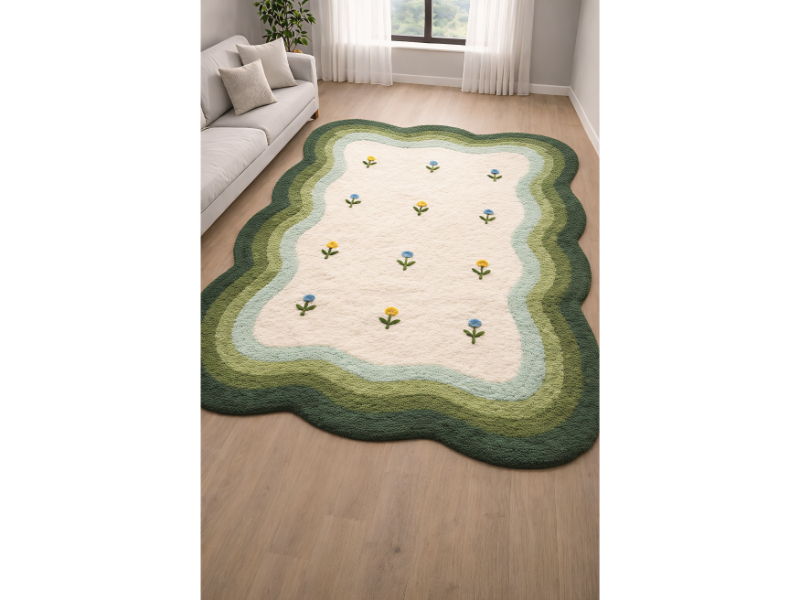
Floor mats and carpet mats are essential products designed to enhance safety, comfort, and cleanliness in various environments. Floor mats are typically made from durable materials that can withstand heavy foot traffic, while carpet mats often feature a softer texture, providing aesthetic appeal and added comfort underfoot. These products are available in various sizes, colors, and designs, making them suitable for diverse applications ranging from commercial spaces to industrial settings.
The primary uses of floor mats and carpet mats include protecting flooring surfaces, reducing slip hazards, and trapping dirt and moisture. In business applications, they are commonly found in entryways, hallways, and work areas, where they help maintain cleanliness and safety. Industries such as hospitality, healthcare, and manufacturing heavily rely on these mats to create a welcoming environment and promote hygiene. As businesses increasingly prioritize safety and cleanliness, the demand for high-quality floor mats and carpet mats continues to grow.
Key Features and Specifications
Floor mats and carpet mats come with a variety of features that enhance their functionality and suitability for different applications. Understanding these specifications is crucial for selecting the right products for your needs.
Key specifications include:
1. Material Composition
- Common materials include rubber, vinyl, nylon, and polyamide.
- Each material offers different properties, such as durability and ease of cleaning.
2. Thickness
- Thickness levels typically range from 0.5 inches to 1 inch.
- Thicker mats may provide better cushioning and support.
3. Non-Slip Backing
- Many mats feature a non-slip backing to prevent movement.
- This is especially important in high-traffic areas to enhance safety.
4. Water Absorption
- Mats can absorb varying levels of moisture, typically ranging from 1 liter to 3 liters per square meter.
- High absorption rates help keep floors dry and reduce slip risks.
5. Fire Resistance
- Some mats meet specific fire safety standards, such as Class 1 or Class A.
- Fire-resistant mats are essential for certain commercial environments.
6. Cleaning and Maintenance
- Mats may be machine washable or require specific cleaning methods.
- Ease of maintenance impacts long-term usability.
7. Customization Options
- Many suppliers offer customization in size, shape, and branding.
- Custom mats can enhance brand visibility and aesthetics.
8. Warranty Period
- Warranty periods can vary, often ranging from 1 year to 5 years.
- A longer warranty may indicate higher quality.
In summary, choosing the right floor mats and carpet mats involves understanding the features and specifications that best meet your business needs.
Common Applications and Use Cases
Floor mats and carpet mats are versatile products that serve various industries and applications.
1. Hospitality: In hotels and restaurants, floor mats enhance guest comfort and safety while also contributing to the overall décor.
2. Healthcare: Hospitals and clinics use specialized mats to provide slip resistance and support in patient care areas.
3. Retail: Stores utilize mats at entrances to trap dirt and moisture, keeping floors clean and safe for customers.
4. Manufacturing: Industrial settings rely on mats to reduce worker fatigue and improve safety in production areas.
5. Education: Schools and universities use floor mats in hallways and classrooms to promote a clean environment and reduce injuries.
6. Offices: Corporate offices often use carpet mats to enhance aesthetics and provide comfort in common areas.
7. Transportation: Airports and train stations use durable mats to manage foot traffic and maintain cleanliness.
Product Variants and Subcategories
Floor mats and carpet mats come in various types to cater to different needs and preferences.
Entry Mats
Entry mats are designed specifically for use at doorways, featuring high durability and moisture absorption properties. They help keep indoor spaces clean and safe by trapping dirt and water.
Anti-Fatigue Mats
Anti-fatigue mats are engineered to provide cushioning and support for individuals who stand for long periods. They reduce fatigue and discomfort, making them ideal for workplaces such as retail and manufacturing.
Commercial Carpet Mats
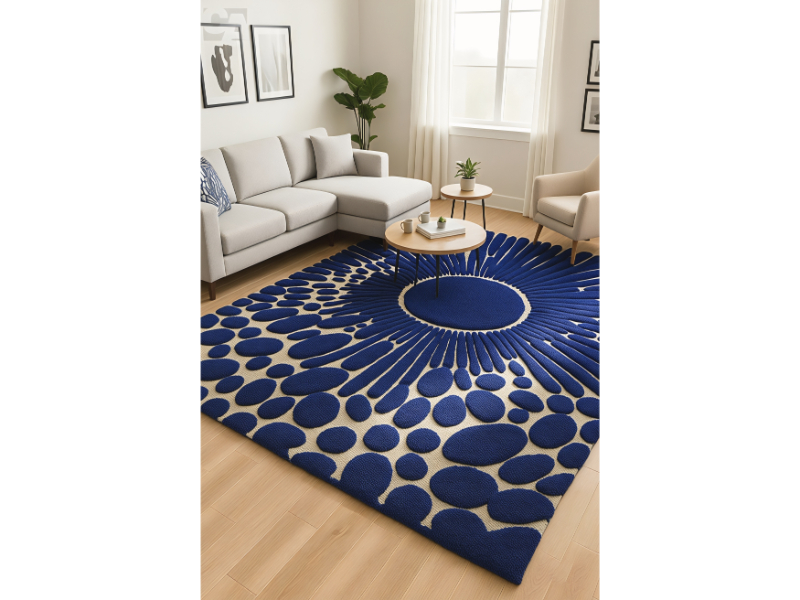
Commercial carpet mats are designed for office and retail environments, offering a blend of aesthetics and functionality. They often feature attractive designs while maintaining durability and ease of cleaning.
Safety Mats
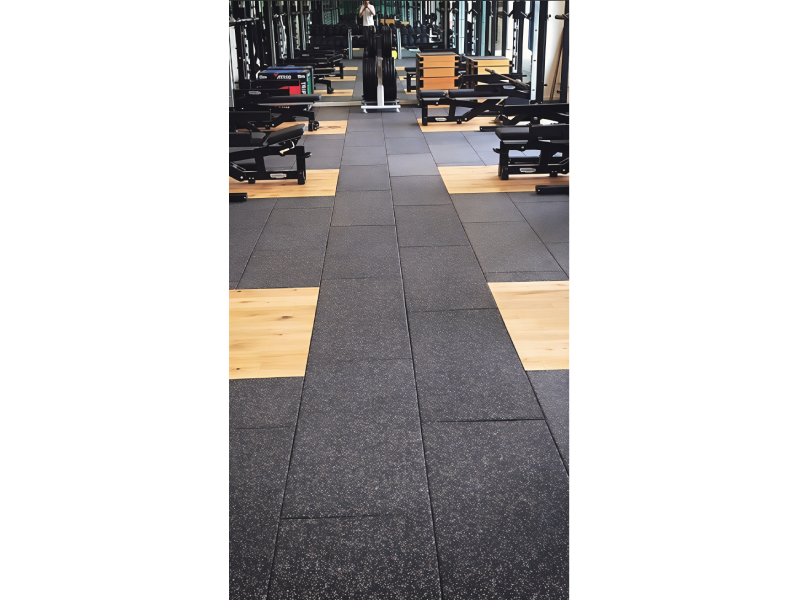
Safety mats are specifically designed for industrial settings, featuring non-slip surfaces and high durability. They help prevent slips and falls in areas with high foot traffic.
Benefits and Advantages
Investing in floor mats and carpet mats offers numerous benefits for businesses.
1. Enhanced Safety: Mats reduce slip and fall accidents, providing a safer environment for employees and customers.
2. Improved Hygiene: By trapping dirt and moisture, mats help maintain cleanliness and promote better hygiene in commercial spaces.
3. Increased Comfort: Floor mats, particularly anti-fatigue options, provide cushioning that enhances comfort for individuals standing for extended periods.
4. Durability: High-quality mats are designed to withstand heavy foot traffic, offering long-lasting performance and reducing replacement costs.
5. Aesthetic Appeal: Carpet mats can enhance the visual appeal of a space, contributing to a welcoming environment for guests and clients.
6. Brand Promotion: Customizable mats allow businesses to showcase their branding, enhancing visibility and recognition.
Buying Guide for B2B Buyers
When sourcing floor mats and carpet mats, B2B buyers should consider several critical factors to ensure they make informed decisions.
1. Quality Assessment: Evaluate the material composition, durability, and performance features of the mats. Look for mats that meet your specific needs and industry standards.
2. Supplier Verification: Conduct thorough research on potential suppliers. Check their reputation, customer reviews, and certifications to ensure reliability.
3. Pricing and MOQ: Understand the pricing structure and minimum order quantities. Request quotes from multiple suppliers to compare costs and terms.
4. Delivery and Lead Times: Inquire about logistics, including delivery schedules and lead times. Ensure the supplier can meet your timelines.
5. Compliance Requirements: Ensure that the mats comply with relevant industry regulations and safety standards. This may include certifications such as CE or other applicable standards.
Compliance and Certifications
Floor mats and carpet mats must adhere to various compliance standards to ensure quality and safety. Relevant quality standards may include ISO 9001, which outlines requirements for quality management systems, ensuring consistent production and quality control.
Industry certifications, such as CE marking, indicate that products meet European safety, health, and environmental requirements. This certification is crucial for businesses operating in markets that demand compliance with strict regulations.
Safety testing is also an essential aspect of compliance. Products should undergo rigorous testing for slip resistance, fire safety, and material safety to ensure they meet industry standards.
Additionally, regional compliance considerations may vary based on local regulations, making it imperative for buyers to be aware of specific requirements in their geographic area.
Why Source Floor Mats & Carpet Mats from Pepagora?
Pepagora provides a trusted platform for sourcing floor mats and carpet mats, offering significant advantages to B2B buyers.
Verified Supplier Network: Pepagora has a robust network of verified suppliers, ensuring that buyers can access high-quality products from reputable manufacturers. This verification process helps mitigate risks and enhance buyer confidence.
Streamlined RFQ Process: The platform offers an efficient request for quotation (RFQ) process, allowing buyers to easily compare quotes from multiple suppliers. This transparency aids in informed decision-making and cost-effective sourcing.
Trade Assurance and Support: Pepagora prioritizes buyer protection through trade assurance programs, providing peace of mind in transactions. The platform also offers support throughout the sourcing process, ensuring that buyers receive the necessary assistance.
Regional Coverage: With a strong presence in India, the GCC, and Southeast Asia, Pepagora connects buyers with suppliers across these key markets. This regional coverage allows businesses to source products locally while benefiting from competitive pricing and diverse options.


Frequently Asked Questions
What are Floor Mats & Carpet Mats?
Floor Mats & Carpet Mats are protective coverings designed to enhance the aesthetic appeal and functionality of flooring surfaces. They serve various purposes, including safety, comfort, and cleanliness, by trapping dirt and moisture from footwear.
What are the different types of Floor Mats & Carpet Mats?
There are several types of Floor Mats & Carpet Mats, including entry mats, anti-fatigue mats, area rugs, and carpet tiles. Each type is designed for specific applications, such as indoor or outdoor use, and can vary in material, texture, and size.
How do I choose the right Floor Mats & Carpet Mats?
Choosing the right Floor Mats & Carpet Mats involves considering factors such as the intended use, location, material, and design. It is important to assess the level of foot traffic, exposure to moisture, and aesthetic preferences to make an informed decision.
What are the standard specifications for Floor Mats & Carpet Mats?
Standard specifications for Floor Mats & Carpet Mats typically include dimensions, thickness, material composition, and weight. Additionally, some mats may have specific features such as slip resistance, water absorption, and ease of maintenance.
What is the price range for Floor Mats & Carpet Mats?
The price range for Floor Mats & Carpet Mats can vary widely based on factors such as size, material, and brand. Generally, prices can start from a few hundred rupees for basic mats and go up to several thousand rupees for high-quality or customized options.
What quality standards apply to Floor Mats & Carpet Mats?
Quality standards for Floor Mats & Carpet Mats can include durability, slip resistance, and environmental safety. Many manufacturers adhere to industry standards such as ISO certifications to ensure their products meet performance and safety benchmarks.
Where can I find Floor Mats & Carpet Mats suppliers in India?
Floor Mats & Carpet Mats suppliers in India can be found through various online B2B marketplaces, trade directories, and local manufacturers. Websites like Pepagora.com facilitate connections between buyers and suppliers in this product category.
Can Floor Mats & Carpet Mats be customized?
Yes, many manufacturers offer customization options for Floor Mats & Carpet Mats, allowing buyers to specify designs, sizes, and materials. Customization can help businesses align mats with their branding and specific needs.
What is the typical minimum order quantity for Floor Mats & Carpet Mats?
The typical minimum order quantity (MOQ) for Floor Mats & Carpet Mats can vary by supplier and product type. Generally, MOQs can range from a few pieces for standard items to larger quantities for customized orders.
What is the typical lead time for Floor Mats & Carpet Mats?
The typical lead time for Floor Mats & Carpet Mats can vary depending on the supplier, product type, and order complexity. Generally, lead times can range from a few days for readily available products to several weeks for custom orders.
Why Businesses Trust Pepagora
Thousands of companies trust Pepagora to source smarter and sell faster
Expand Your Sales Globally

Source Smarter,Grow Faster
