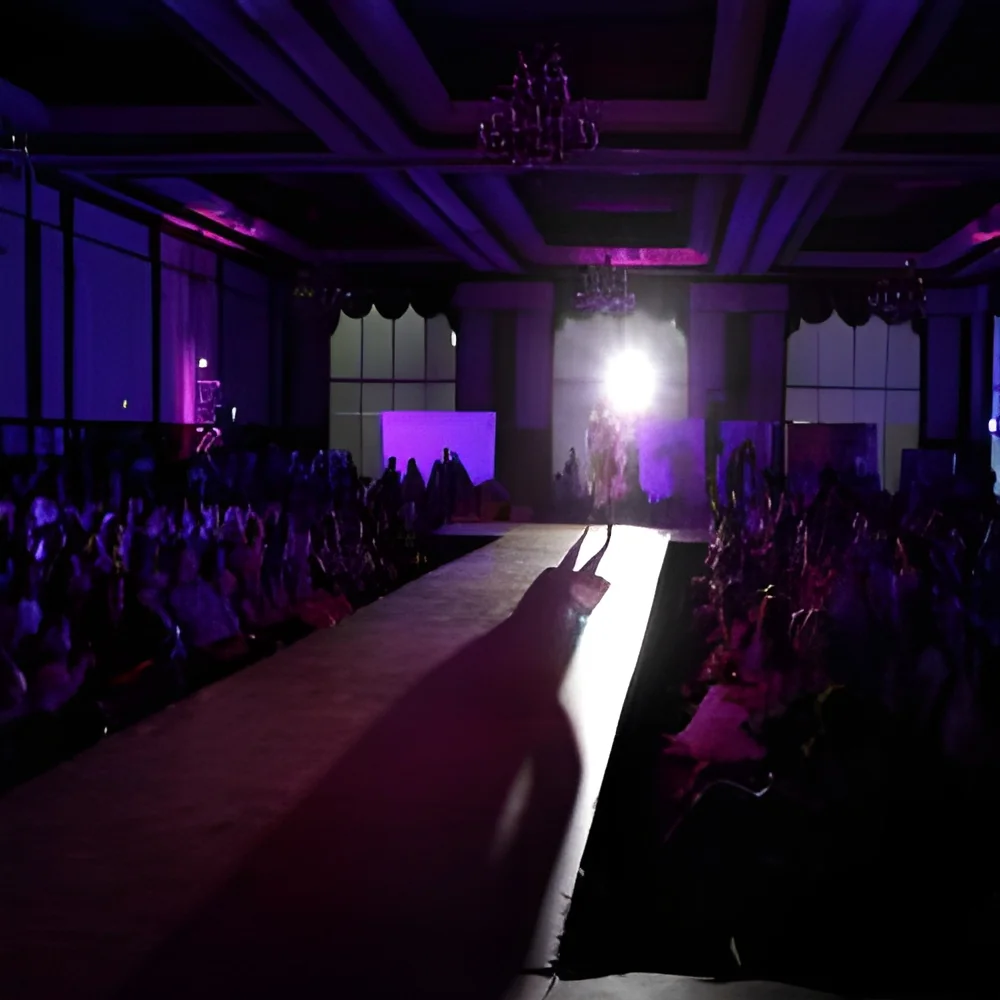
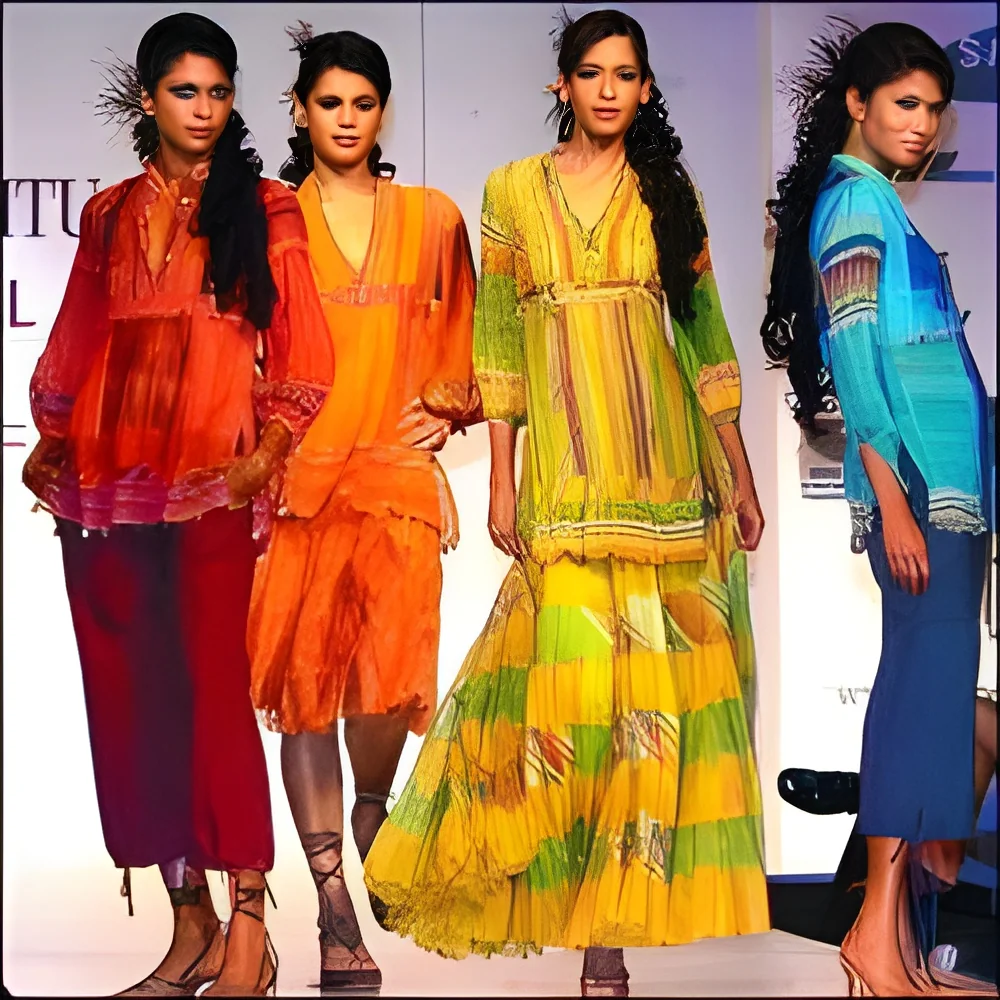
What are Fashion Show Management?
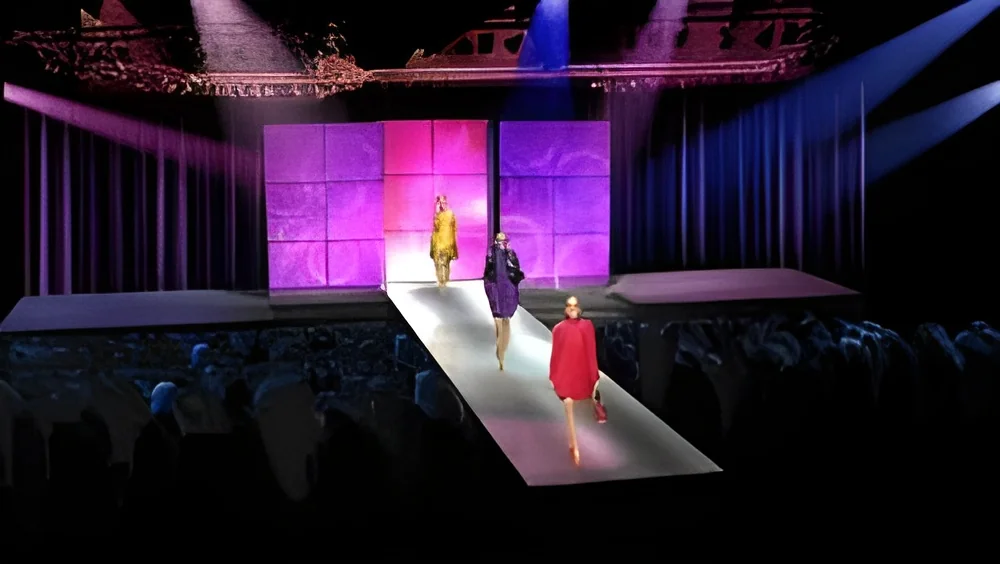
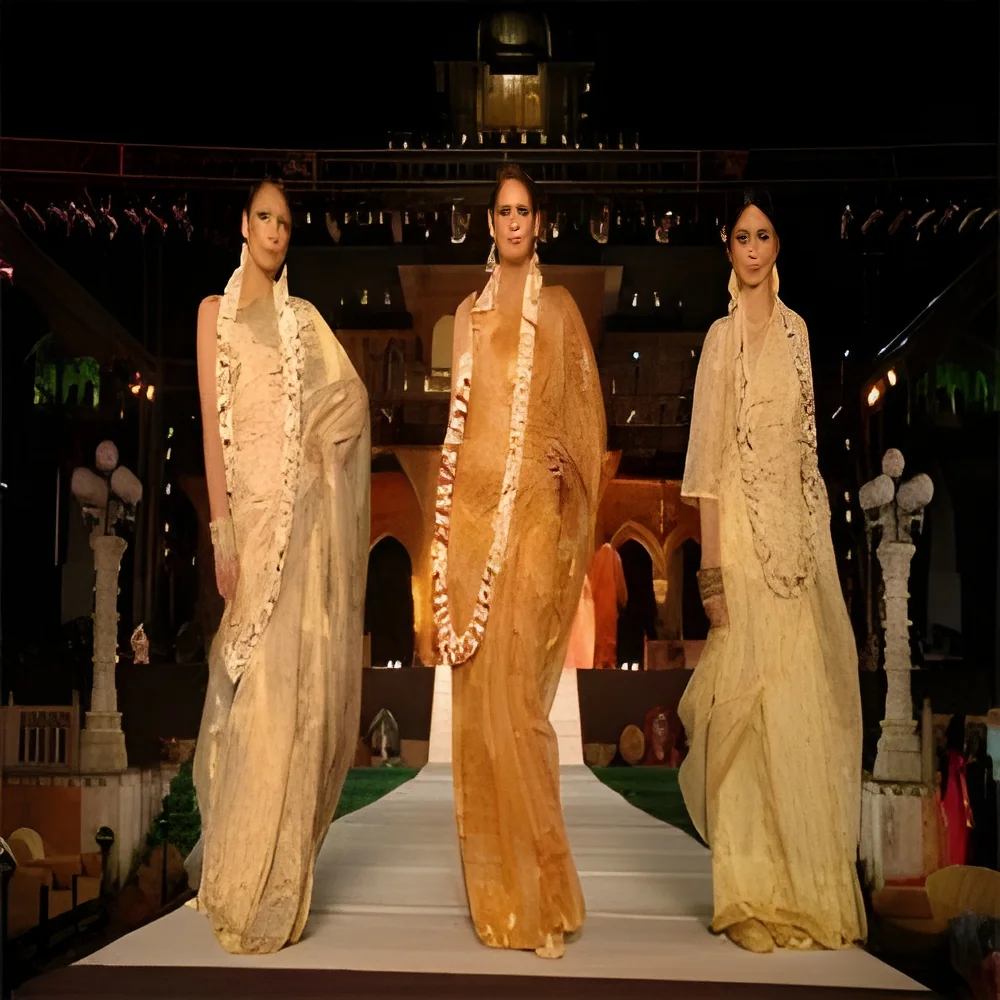
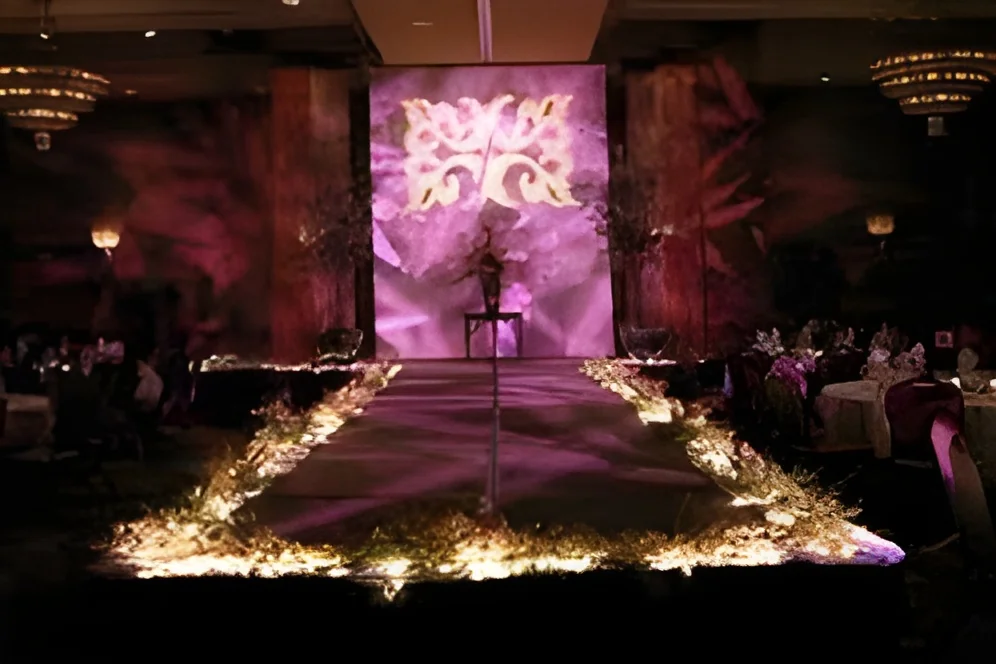
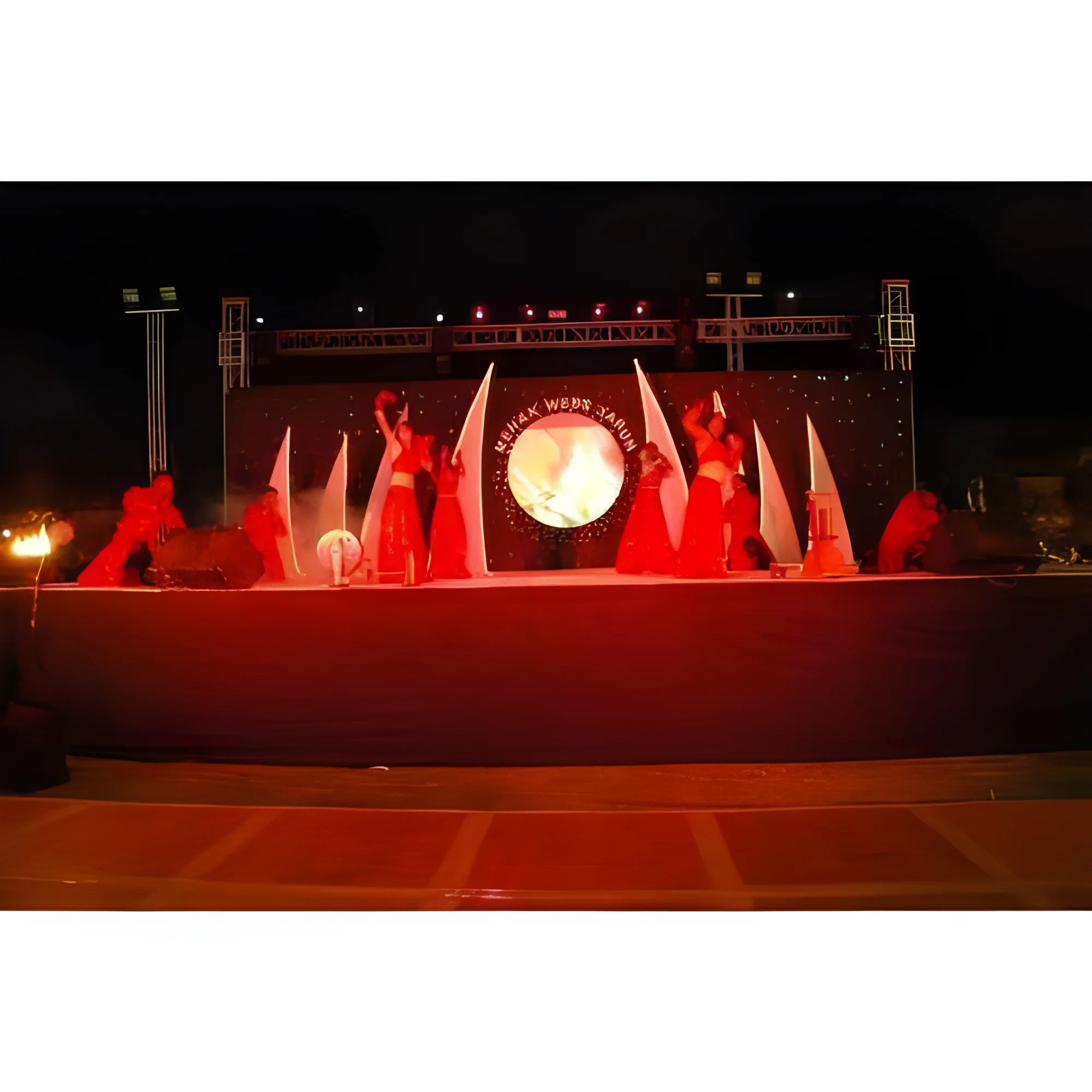
Fashion Show Management refers to the comprehensive planning and execution of fashion events, including runway shows, exhibitions, and presentations. This process involves coordinating various elements such as venue selection, model management, scheduling, and logistics. Fashion Show Management ensures that every aspect of the event aligns with the brand's vision and objectives, creating a seamless and engaging experience for attendees.
The primary use of Fashion Show Management is to showcase designers' collections to buyers, media, and the general public. It plays a crucial role in marketing and promoting fashion brands, allowing them to establish a presence in the competitive fashion industry. Additionally, effective management of these events can lead to increased sales, brand recognition, and networking opportunities.
In the context of the fashion industry, Fashion Show Management is essential for both emerging and established brands. With the growing importance of digital platforms, the relevance of these events has evolved, necessitating innovative approaches to engage audiences both in-person and online. The market for fashion shows continues to expand, driven by an increasing demand for unique and immersive experiences.
Key Features and Specifications
Fashion Show Management encompasses several features that enhance the effectiveness and efficiency of managing fashion events. These specifications are designed to support the complex requirements of the fashion industry.
Key specifications include:
1. Venue Selection
- Facilitates the choice of locations that align with brand identity.
- Considers factors such as capacity, accessibility, and ambiance.
2. Scheduling and Coordination
- Involves detailed planning of timelines for rehearsals and show runs.
- Ensures all stakeholders are informed and aligned on schedules.
3. Model Management
- Includes selections, fittings, and scheduling of models for the event.
- Ensures a diverse and appropriate representation for the brand.
4. Logistics and Transportation
- Involves arranging transportation for models, equipment, and attendees.
- Focuses on timely delivery and setup at the venue.
5. Technical Support
- Covers sound, lighting, and visual effects necessary for the show.
- Ensures technical equipment is tested and functional before the event.
6. Marketing and Promotion
- Involves strategies to publicize the event through various channels.
- Engages influencers and media to maximize reach and visibility.
7. Budget Management
- Covers planning and tracking expenses to ensure financial control.
- Involves negotiating contracts with suppliers and vendors.
8. Post-Event Evaluation
- Involves analyzing feedback and performance metrics after the event.
- Aims to identify areas for improvement for future shows.
In summary, Fashion Show Management combines various features that contribute to a successful event, from logistical arrangements to marketing strategies.
Common Applications and Use Cases
Fashion Show Management is applicable across multiple industries, each with unique needs and specifications.
1. Fashion Industry: Fashion shows are primarily held to present new collections, allowing designers to showcase their work to buyers and media.
2. Retail Sector: Retail brands use fashion shows to launch new product lines, attracting customers and generating buzz around their offerings.
3. Event Planning: Event planners utilize fashion show management services to organize thematic events, corporate presentations, and promotional activities.
4. Education and Training: Fashion schools conduct shows to provide students with hands-on experience in managing events and showcasing their designs.
5. Entertainment: Fashion shows are often incorporated into larger entertainment events, such as music festivals and celebrity appearances, enhancing audience engagement.
6. Marketing Agencies: Agencies may host fashion shows to promote brands and products, utilizing the event as a marketing tool to reach target audiences.
7. Non-Profit Organizations: Charity fashion shows can raise funds and awareness for various causes, combining fashion with philanthropy.
Product Variants and Subcategories
Fashion Show Management offers a diverse range of options tailored to different needs and preferences. While specific subcategories are not available, the diversity in services allows for customization based on event scale and purpose.
Event Coordination Services
These services focus on the overall management of the fashion show, including logistics, scheduling, and vendor coordination, ensuring smooth execution from start to finish.
Marketing and Public Relations Support
This variant emphasizes promoting fashion shows through strategic marketing efforts, engaging media, and creating promotional materials to attract attendees and generate interest.
Technical Production Services
Focusing on behind-the-scenes elements, this variant manages sound, lighting, and staging, ensuring that the show meets technical specifications for a successful presentation.
Benefits and Advantages
Fashion Show Management offers several key benefits that enhance the effectiveness of fashion events.
1. Professional Execution: Engaging experienced professionals ensures that every aspect of the show is executed flawlessly, reducing the risk of errors.
2. Enhanced Brand Visibility: Well-managed fashion shows can significantly increase brand exposure, attracting media attention and engaging target audiences.
3. Streamlined Logistics: Professional management simplifies the logistics involved, ensuring that timelines are adhered to and resources are allocated efficiently.
4. Networking Opportunities: Fashion shows provide a platform for designers and brands to connect with industry stakeholders, including buyers, influencers, and media personnel.
5. Creative Expression: A well-managed show allows for creative freedom in presentation, leading to memorable experiences that resonate with attendees.
6. Data-Driven Insights: Post-event evaluations provide valuable feedback and metrics, enabling brands to refine their strategies for future events.
Buying Guide for B2B Buyers
When sourcing Fashion Show Management services, it is important for buyers to consider several key factors to ensure a successful partnership.
1. Quality Assessment: Evaluate the quality of services offered by potential providers. Look for experience, client testimonials, and past event portfolios to gauge their capabilities.
2. Supplier Verification: Conduct thorough vetting of suppliers to ensure they have a proven track record in managing fashion shows and possess the necessary industry knowledge.
3. Pricing and MOQ: Understand the pricing structure and any minimum order quantities that may apply. Assess whether the budget aligns with the services offered.
4. Delivery and Lead Times: Confirm lead times for event setup and execution. Ensure that the supplier can meet your specific timelines and deliver on schedule.
5. Compliance Requirements: Be aware of any regulatory or compliance needs specific to your industry or location. Ensure that the supplier adheres to relevant standards and certifications.
Compliance and Certifications
Fashion Show Management is subject to various quality standards and certifications that ensure safety and industry compliance.
ISO 9001 is a widely recognized standard that outlines quality management principles. Companies involved in fashion show management may adhere to this standard to demonstrate their commitment to quality and continuous improvement.
CE certification signifies that products and services meet European health, safety, and environmental protection standards. While specific certifications for Fashion Show Management may vary, ensuring compliance with recognized standards is essential for credibility.
Safety and testing requirements are critical in ensuring the well-being of participants and attendees during events. Event organizers must adhere to local safety regulations and practices to mitigate risks.
Regional compliance considerations vary based on geographic location. Understanding local regulations related to event management, safety, and labor laws is crucial for successful operation in different markets.
Why Source Fashion Show Management from Pepagora?
Pepagora provides a trusted platform for sourcing Fashion Show Management, offering several key advantages to B2B buyers.
Verified Supplier Network: Pepagora connects buyers with a network of verified suppliers, ensuring that each provider meets stringent quality standards. This reduces the risks associated with sourcing and guarantees reliable service.
Streamlined RFQ Process: The request for quotation process on Pepagora is designed to be user-friendly, allowing buyers to easily compare offers from multiple suppliers. This transparency helps in making informed decisions based on services and pricing.
Trade Assurance and Support: Buyers on Pepagora benefit from trade assurance programs that protect their investments. The platform offers support throughout the sourcing process to address any concerns and ensure a smooth transaction.
Regional Coverage: Pepagora has a strong presence in key markets such as India, the GCC, and Southeast Asia. This geographic reach enables buyers to access a diverse range of Fashion Show Management services tailored to their specific regional needs.
In summary, Pepagora is an ideal partner for businesses seeking reliable Fashion Show Management services, combining a verified supplier network with comprehensive support and coverage across important markets.

 IN
IN
 India
India