
 IN
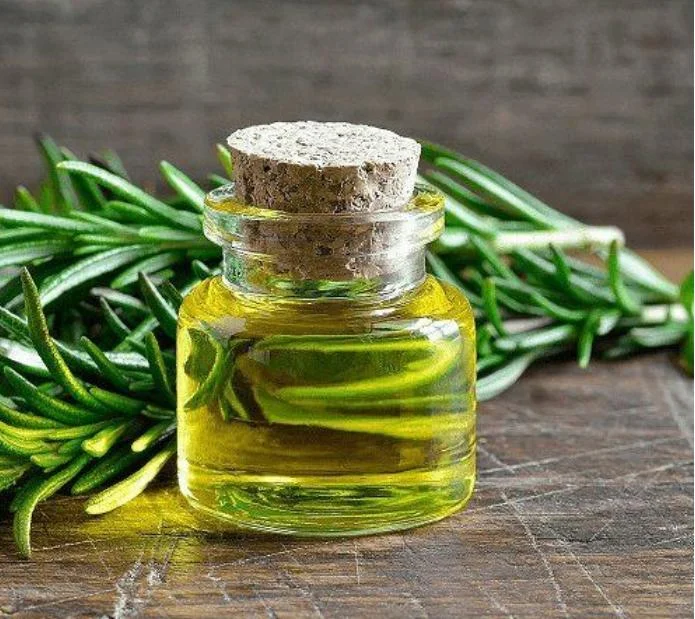
Essential Oils (Lavender, Eucalyptus, Peppermint, etc.)
6 products available
Key Features and Specifications
Essential oils possess various features that make them suitable for different applications. Understanding these specifications is crucial for businesses looking to incorporate them into their products.
Key specifications include:
1. Purity
- Essential oils should be 100% pure without additives.
- Purity levels are often tested via gas chromatography.
2. Extraction Method
- Different methods include steam distillation, cold pressing, and solvent extraction.
- Each method affects the oil’s quality and scent profile.
3. Shelf Life
- Essential oils typically have a shelf life ranging from 1 to 3 years.
- Proper storage conditions can extend their usability.
4. Aroma Profile
- Each oil has a distinct scent that varies in intensity.
- Aroma can range from floral and fruity to minty and earthy.
5. Chemical Composition
- Essential oils contain various compounds, influencing their therapeutic properties.
- Common compounds include linalool in lavender and eucalyptol in eucalyptus.
6. Packaging
- Essential oils are usually sold in amber or cobalt blue bottles to protect against light.
- Packaging size can vary from small vials to larger bulk containers.
7. Compliance with Standards
- Oils should meet industry standards for safety and quality.
- Relevant certifications ensure the product's integrity.
8. Temperature and Humidity Control
- Essential oils must be stored in controlled environments to maintain quality.
- Optimal conditions usually involve cool temperatures and low humidity.
In summary, understanding these key features helps businesses select the right essential oils for their specific needs.
Common Applications and Use Cases
Essential oils serve diverse industries due to their unique properties and benefits.
1. Aromatherapy: Essential oils are widely used in aromatherapy practices to promote relaxation and well-being. They can be diffused, inhaled, or used in massage therapy.
2. Cosmetics: Many cosmetic products incorporate essential oils for their fragrance and skin benefits. Examples include lotions, perfumes, and creams.
3. Food and Beverage: Essential oils are utilized as natural flavorings in food products and drinks. They also offer potential preservative qualities.
4. Cleaning Products: Essential oils are becoming popular in the formulation of natural cleaning agents. Their antimicrobial properties make them effective in disinfectants.
5. Spa and Wellness: Spas frequently use essential oils in treatments to enhance the sensory experience and provide therapeutic benefits.
6. Pharmaceuticals: Some essential oils are explored for their medicinal properties. They may be included in herbal remedies and wellness products.
7. Candle Making: Essential oils are commonly used in candle production to provide appealing scents and enhance the ambiance of spaces.
8. Veterinary Care: Certain essential oils are also used in veterinary applications, offering calming effects for pets and helping with various ailments.
Product Variants and Subcategories
Essential oils come in various forms, each with unique characteristics.
Lavender Essential Oil
Lavender oil is known for its calming properties and is frequently used in aromatherapy. It is effective in reducing stress and promoting sleep, making it ideal for wellness products.
Eucalyptus Essential Oil
Eucalyptus oil is recognized for its refreshing and invigorating scent. It is often used in respiratory health products and topical applications for muscle relief.
Peppermint Essential Oil
Peppermint oil is celebrated for its cooling sensation and energizing aroma. It is commonly utilized in personal care products and for digestive health applications.
Tea Tree Essential Oil
Tea tree oil is valued for its antimicrobial properties. It is often used in skincare formulations targeting acne and infections.
Lemon Essential Oil
Lemon oil offers a bright and uplifting scent. It is frequently incorporated into cleaning products and personal care items for its refreshing fragrance.
Benefits and Advantages
Essential oils provide numerous advantages for businesses looking to enhance their products.
1. Natural Ingredients: Essential oils are derived from plants, appealing to consumers seeking natural and organic products.
2. Versatility: These oils can be used across various applications, from food and beauty to cleaning and wellness.
3. Therapeutic Benefits: Many essential oils have recognized health benefits, making them valuable in wellness-focused products.
4. Aromatic Appeal: The unique scents of essential oils can enhance product attractiveness and consumer satisfaction.
5. Market Demand: With the rise in popularity of natural products, essential oils offer businesses a competitive edge in the marketplace.
6. Customization Potential: Essential oils can be blended or used individually, allowing businesses to create unique formulations tailored to consumer preferences.
Buying Guide for B2B Buyers
When sourcing essential oils, businesses should consider several important factors.
1. Quality Assessment: Ensure the oils are 100% pure and free from synthetic additives. Request certificates of analysis to verify quality.
2. Supplier Verification: Vet suppliers to confirm their credibility and reputation. Look for established businesses with positive reviews and industry experience.
3. Pricing and MOQ: Understand the pricing structure and minimum order quantities. Factor in the total cost of ownership, including shipping and duties.
4. Delivery and Lead Times: Inquire about logistics and expected delivery times. Timely delivery is crucial for maintaining supply chains.
5. Compliance Requirements: Be aware of relevant regulatory standards and certifications, such as CE. Ensure products meet safety and quality requirements for your market.
Compliance and Certifications
Compliance with industry standards is vital for ensuring the quality and safety of essential oils.
Essential oils should adhere to relevant quality standards such as ISO 9001, which focuses on quality management systems. This certification ensures that suppliers maintain consistent quality in their products.
HACCP (Hazard Analysis Critical Control Point) is another important standard, particularly in the food and beverage industry. It outlines processes to identify and manage food safety risks associated with essential oils used as flavorings or preservatives.
CE certification is crucial for products sold in the European Union. It indicates conformity with health, safety, and environmental protection standards.
Safety and testing requirements are necessary to verify the purity and efficacy of essential oils. This includes testing for contaminants and ensuring that the oils are safe for consumer use.
Regional compliance considerations may vary, so it is essential to understand and follow local regulations based on where the oils will be sold or used.
Why Source Essential Oils (Lavender, Eucalyptus, Peppermint, etc.) from Pepagora?
Pepagora offers a reliable platform for sourcing essential oils with multiple advantages that cater to B2B buyers.
Verified Supplier Network: Pepagora connects businesses with a network of verified suppliers. This network ensures that buyers have access to quality products and reputable manufacturers, reducing the risk of sourcing issues.
Streamlined RFQ Process: The request for quotation (RFQ) process on Pepagora is efficient and user-friendly. Buyers can easily submit their requirements and receive competitive quotes from multiple suppliers, facilitating better purchasing decisions.
Trade Assurance and Support: Pepagora provides trade assurance to protect buyers throughout the purchasing process. This includes support for resolving disputes and ensuring that products meet buyer expectations.
Regional Coverage: With a strong presence in regions like India, the GCC, and Southeast Asia, Pepagora offers extensive geographic reach. This allows businesses to source essential oils from a diverse range of suppliers, catering to specific market needs.



 India

 India
Frequently Asked Questions
What are Essential Oils (Lavender, Eucalyptus, Peppermint, etc.)?
Essential oils are concentrated plant extracts obtained through various methods, including distillation and cold pressing. They capture the natural fragrance and beneficial properties of plants, making them popular in aromatherapy, cosmetics, and wellness products.
What are the different types of Essential Oils (Lavender, Eucalyptus, Peppermint, etc.)?
There are numerous types of essential oils, each derived from different plants. Common examples include Lavender, Eucalyptus, Peppermint, Tea Tree, and Lemon, each offering unique scents and therapeutic benefits.
How do I choose the right Essential Oils (Lavender, Eucalyptus, Peppermint, etc.)?
Choosing the right essential oil depends on your intended use and personal preferences. Consider factors like scent profile, therapeutic properties, and any specific needs, such as relaxation or respiratory support.
What are the standard specifications for Essential Oils (Lavender, Eucalyptus, Peppermint, etc.)?
Standard specifications for essential oils typically include purity levels, chemical composition, and odor characteristics. It's essential to ensure that the oils meet industry standards for quality and safety.
What is the price range for Essential Oils (Lavender, Eucalyptus, Peppermint, etc.)?
The price range for essential oils can vary widely based on the type, quality, and extraction method. Generally, prices may range from a few hundred to several thousand Indian Rupees per liter.
What quality standards apply to Essential Oils (Lavender, Eucalyptus, Peppermint, etc.)?
Quality standards for essential oils include adherence to specifications set by organizations like the International Organization for Standardization (ISO) and the Food and Drug Administration (FDA). These standards ensure that the oils are pure, undiluted, and free from contaminants.
Where can I find Essential Oils (Lavender, Eucalyptus, Peppermint, etc.) suppliers in India?
You can find essential oil suppliers in India through various B2B marketplaces like Pepagora, trade shows, and industry directories. It's advisable to research suppliers for quality and reliability before making a purchase.
Can Essential Oils (Lavender, Eucalyptus, Peppermint, etc.) be customized?
Yes, some manufacturers offer customization options for essential oils, allowing you to blend different oils or create specific formulations. Contact suppliers to discuss available customization services.
What is the typical minimum order quantity for Essential Oils (Lavender, Eucalyptus, Peppermint, etc.)?
The typical minimum order quantity (MOQ) for essential oils varies by supplier and can range from 1 liter to several liters. It's important to check with individual suppliers for their specific MOQ requirements.
What is the typical lead time for Essential Oils (Lavender, Eucalyptus, Peppermint, etc.)?
The typical lead time for essential oils can vary based on the supplier and order volume, usually ranging from a few days to several weeks. Always confirm lead times with your supplier when placing an order.
Why Businesses Trust Pepagora
Thousands of companies trust Pepagora to source smarter and sell faster
Expand Your Sales Globally

Source Smarter,Grow Faster
