What are Engineering & Technical Outsourcing?
Engineering and technical outsourcing refers to the practice of delegating engineering and technical tasks to external service providers. This approach allows businesses to leverage specialized expertise, reduce operational costs, and focus on core activities. By outsourcing, companies can access advanced skills and technologies that may not be available in-house, thereby enhancing efficiency and innovation.
The primary uses of engineering and technical outsourcing encompass a wide range of activities, including product design, software development, research and development, and technical support. Organizations across various sectors utilize these services to improve productivity, accelerate project timelines, and gain a competitive edge. This trend is particularly relevant in industries such as manufacturing, technology, and telecommunications, where rapid advancements demand agile responses.
In the current market context, engineering and technical outsourcing has gained significant momentum, driven by globalization and the need for cost-effective solutions. Companies increasingly recognize the value of partnering with specialized firms that can provide tailored services, helping them navigate complex projects and meet evolving market demands.
Key Features and Specifications
Engineering and technical outsourcing services come with several key features that enhance their value to businesses. These features cater to the diverse needs of industries, ensuring that clients receive high-quality services tailored to their specifications.
Key specifications include:
1. Expertise Level
- Access to specialized knowledge and skills
- Professionals trained in the latest technologies and methodologies
2. Scalability
- Ability to adjust resources according to project size
- Flexible engagement models to match client requirements
3. Quality Assurance
- Adherence to industry best practices
- Regular quality checks and updates throughout project duration
4. Communication Channels
- Established processes for effective collaboration
- Use of project management tools to ensure transparency
5. Cost Efficiency
- Competitive pricing models
- Reduction in overhead costs associated with in-house teams
6. Turnaround Time
- Accelerated project completion rates
- Efficient resource allocation to meet deadlines
7. Technical Support
- Ongoing assistance and troubleshooting
- Dedicated teams for post-project maintenance
8. Compliance Standards
- Services designed to meet industry regulations
- Alignment with international standards and certifications
In summary, the key features of engineering and technical outsourcing focus on providing businesses with the necessary expertise, flexibility, and support to achieve their goals effectively.
Common Applications and Use Cases
Engineering and technical outsourcing is applicable across various industries, enabling organizations to enhance their operations and innovation capabilities.
1. Manufacturing: Companies in this sector often outsource product design and prototyping, allowing them to bring new products to market more quickly and efficiently.
2. Information Technology: IT firms leverage outsourcing for software development and maintenance, benefiting from specialized skills and reduced costs.
3. Telecommunications: Service providers utilize outsourced technical support to improve customer service and handle complex networking issues.
4. Aerospace: Engineering firms in the aerospace sector outsource design and testing services to ensure compliance with strict safety regulations.
5. Automotive: Automotive manufacturers often engage outsourcing for research and development, enabling them to innovate while managing costs.
6. Healthcare: Healthcare providers outsource technical services related to electronic health records and data management to enhance operational efficiency.
7. Construction: Construction companies use outsourcing for project management and engineering services, ensuring that projects are completed on time and within budget.
Product Variants and Subcategories
Engineering and technical outsourcing offers a diverse range of services tailored to meet specific business needs. While there are no defined subcategories, the variations in service offerings can be categorized based on the type of expertise required.
Consulting Services
These services focus on strategic guidance and planning, helping businesses develop effective engineering solutions tailored to their projects.
Design Services
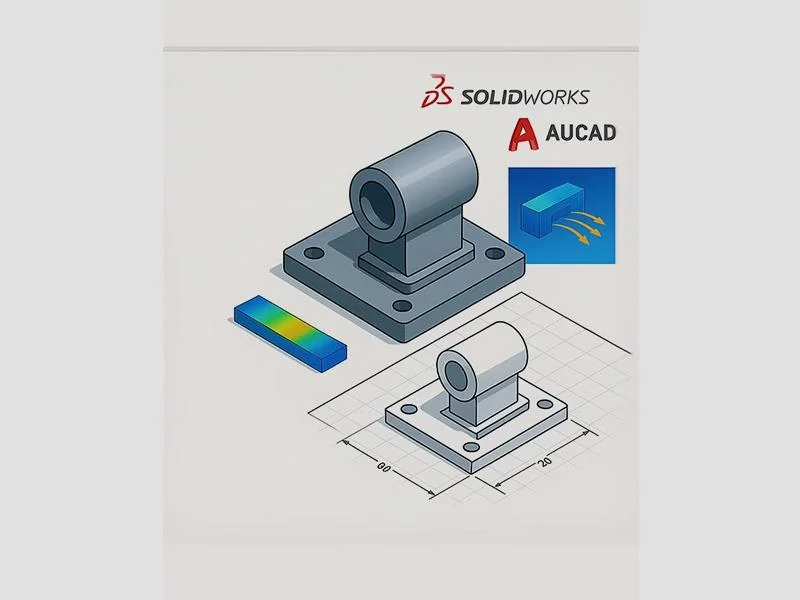
This variant encompasses product design, CAD modeling, and prototyping, allowing companies to visualize and test concepts before production.
Development Services
These services include software development and system integration, enabling businesses to implement advanced technologies efficiently.
Technical Support Services
This variant provides ongoing assistance for troubleshooting, maintenance, and system upgrades, ensuring seamless operations for clients.
Benefits and Advantages
Organizations that choose engineering and technical outsourcing can experience a range of benefits that enhance their operational effectiveness.
Key benefits include:
1. Cost Savings: Outsourcing reduces overhead costs associated with hiring and training in-house staff, allowing businesses to allocate resources more efficiently.
2. Access to Expertise: Companies gain access to specialized knowledge and skills that may not be available internally, ensuring high-quality deliverables.
3. Flexibility: Outsourcing allows businesses to scale resources up or down based on project demands, providing greater operational agility.
4. Focus on Core Competencies: By delegating technical tasks, organizations can concentrate on their primary business activities, driving growth and innovation.
5. Faster Time to Market: Engineering and technical outsourcing can accelerate project timelines, helping companies launch products and services more quickly.
6. Risk Mitigation: Partnering with experienced service providers can reduce risks associated with project execution and compliance.
Buying Guide for B2B Buyers
When sourcing engineering and technical outsourcing services, it is essential for B2B buyers to consider several critical factors to ensure they select the right partner.
1. Quality Assessment: Evaluate potential service providers based on their track record and client testimonials. Look for evidence of successful project completions and adherence to quality standards.
2. Supplier Verification: Perform due diligence on suppliers to ensure they have the necessary expertise and resources to meet project requirements. Assess their industry certifications and experience.
3. Pricing and MOQ: Understand the pricing models offered by suppliers and inquire about minimum order quantities. This will help you gauge the cost-effectiveness of outsourcing.
4. Delivery and Lead Times: Discuss delivery timelines with potential partners to ensure they align with your project schedules. Consider any potential delays and how they might impact your operations.
5. Compliance Requirements: Ensure that the service provider can meet relevant regulatory standards and compliance requirements specific to your industry.
Compliance and Certifications
Compliance and certifications play a critical role in ensuring the quality and reliability of engineering and technical outsourcing services. Organizations should look for service providers that adhere to recognized quality standards such as ISO 9001, which emphasizes quality management systems and continuous improvement.
Additionally, industry certifications like CE are important as they demonstrate compliance with safety and performance standards. These certifications assure clients that the services provided meet rigorous quality benchmarks.
In terms of safety and testing requirements, it is vital for service providers to implement stringent measures to ensure that their processes are compliant with regulatory demands. Regional compliance considerations also vary, and businesses should ensure that their outsourcing partners are familiar with local regulations to avoid any legal issues.
Why Source Engineering & Technical Outsourcing from Pepagora?
Pepagora offers a trusted platform for sourcing engineering and technical outsourcing, providing several key advantages to businesses seeking reliable solutions.
Verified Supplier Network: Our platform features a network of thoroughly vetted suppliers who are recognized for their expertise and commitment to quality. This verification process gives buyers confidence in their choices.
Streamlined RFQ Process: Pepagora provides an efficient request for quotation system, allowing buyers to obtain competitive pricing and detailed proposals from multiple suppliers quickly. This process simplifies decision-making and enhances transparency.
Trade Assurance and Support: We prioritize buyer protection by offering trade assurance services. This includes support throughout the sourcing process, ensuring that transactions are secure and that any disputes are managed effectively.
Regional Coverage: Pepagora has a wide geographic reach, serving clients in India, the GCC, and Southeast Asia. This regional presence allows us to connect buyers with local suppliers who understand the unique challenges and opportunities within their markets.

 IN
IN