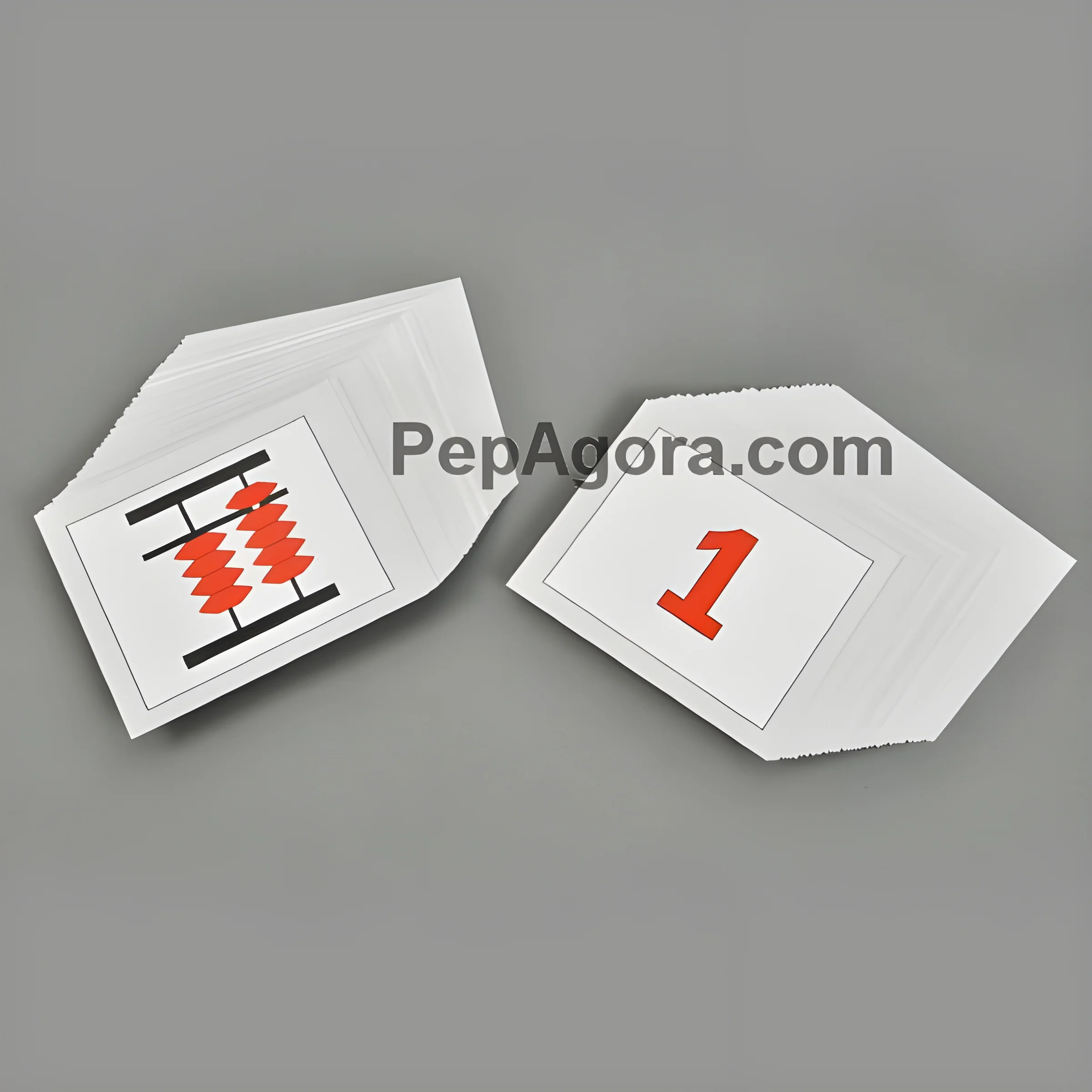
𝗪𝗵𝗮𝘁 𝗮𝗿𝗲 𝗘𝗱𝘂𝗰𝗮𝘁𝗶𝗼𝗻𝗮𝗹 𝗙𝗹𝗮𝘀𝗵𝗰𝗮𝗿𝗱𝘀 & 𝗕𝗼𝗼𝗸𝘀?
Educational flashcards and books are tools designed to facilitate learning and knowledge retention. Flashcards typically feature a question or concept on one side and the answer or definition on the other, making them ideal for quick review and memorization. Books complement this by providing in-depth information, exercises, and narrative content, catering to various learning styles and educational needs.
These products are primarily used in educational institutions, corporate training programs, and self-study environments. Teachers and trainers often utilize flashcards to enhance classroom engagement and reinforce lesson material. Companies may adopt educational books as part of their onboarding process or employee development initiatives. The growing emphasis on continuous learning in professional settings further drives the demand for these educational resources.
In the current market, the relevance of educational flashcards and books cannot be overstated. With the rise of online learning and educational technology, there is a significant shift towards innovative teaching methods. However, traditional tools like flashcards and books continue to play a vital role in effective education. Industries focused on training, development, and education are increasingly integrating these resources to meet the evolving needs of learners.
𝗞𝗲𝘆 𝗙𝗲𝗮𝘁𝘂𝗿𝗲𝘀 𝗮𝗻𝗱 𝗦𝗽𝗲𝗰𝗶𝗳𝗶𝗰𝗮𝘁𝗶𝗼𝗻𝘀
Educational flashcards and books come with various features and specifications that enhance their usability and effectiveness. These features are tailored to meet the diverse needs of educators and learners alike.
Key specifications include:
1. Material Quality
- Flashcards are often made from durable cardstock or laminated materials for longevity.
- Books typically use high-quality paper to withstand frequent handling.
2. Size and Format
- Flashcards vary in size, commonly measuring 3x5 inches or 4x6 inches for easy handling.
- Books may come in various formats, including hardcover, paperback, and digital versions.
3. Customization Options
- Many suppliers offer customization for flashcards, allowing for tailored content according to specific educational needs.
- Educational books can also be personalized for branding or targeted learning objectives.
4. Visual Design
- Flashcards often incorporate vibrant colors and images to enhance memory retention.
- Books may include illustrations, diagrams, and charts to support learning.
5. Language Options
- Flashcards can be available in multiple languages to cater to diverse learner demographics.
- Educational books may also offer bilingual editions to facilitate learning for non-native speakers.
6. Learning Levels
- Flashcards are categorized by age or skill level, ensuring appropriate content for various learners.
- Books are similarly structured for different educational stages, from early childhood to adult learning.
In summary, the specifications of educational flashcards and books are designed to meet the unique needs of learners and educators, providing essential features that enhance the learning experience.
𝗖𝗼𝗺𝗺𝗼𝗻 𝗔𝗽𝗽𝗹𝗶𝗰𝗮𝘁𝗶𝗼𝗻𝘀 𝗮𝗻𝗱 𝗨𝘀𝗲 𝗖𝗮𝘀𝗲𝘀
Educational flashcards and books have a wide range of applications across various industries.
1. Education: In schools and universities, flashcards are used for language learning, vocabulary building, and exam preparation. Books serve as foundational texts for courses across disciplines.
2. Corporate Training: Businesses utilize flashcards for skills training and assessments. Educational books are often included in employee development programs to enhance knowledge and competencies.
3. Healthcare: Flashcards are used for training medical staff on terminology and procedures. Educational books are essential for ongoing professional development and certification preparation.
4. Language Learning: Flashcards aid in memorizing vocabulary and grammar rules. Books provide structured lessons and cultural context for learners.
5. Special Education: Flashcards are tailored for students with learning disabilities to support individualized learning plans. Books are designed to cater to diverse learning needs and styles.
6. Tutoring Services: Tutors use flashcards to reinforce concepts taught during sessions. Educational books provide supplemental material for additional practice.
7. Parenting: Parents often use flashcards at home to engage children in learning activities. Educational books serve as resources for teaching various subjects.
𝗣𝗿𝗼𝗱𝘂𝗰𝘁 𝗩𝗮𝗿𝗶𝗮𝗻𝘁𝘀 𝗮𝗻𝗱 𝗦𝘂𝗯𝗰𝗮𝘁𝗲𝗴𝗼𝗿𝗶𝗲𝘀
Educational flashcards and books come in various forms to cater to different educational needs.
𝗙𝗹𝗮𝘀𝗵𝗰𝗮𝗿𝗱 𝗩𝗮𝗿𝗶𝗮𝗻𝘁𝘀
Standard Flashcards: These are typically used for general education and can cover a wide range of subjects. They are often used for memorization and quick review.
Custom Flashcards: Tailored to specific learning needs, these flashcards can include personalized content based on the learner’s requirements. They are ideal for businesses or educational institutions seeking targeted training resources.
Digital Flashcards: Available as mobile applications or online tools, these flashcards often include interactive features such as quizzes and games, making learning more engaging.
𝗘𝗱𝘂𝗰𝗮𝘁𝗶𝗼𝗻𝗮𝗹 𝗕𝗼𝗼𝗸 𝗩𝗮𝗿𝗶𝗮𝗻𝘁𝘀
Textbooks: Used primarily in formal educational settings, these books provide comprehensive coverage of specific subjects and are often aligned with curriculum standards.
Workbooks: These are designed for practical application, including exercises and activities that reinforce learning and facilitate practice.
Digital Books: E-books offer a convenient alternative to traditional printed materials, often featuring interactive elements and multimedia resources.
𝗕𝗲𝗻𝗲𝗳𝗶𝘁𝘀 𝗮𝗻𝗱 𝗔𝗱𝘃𝗮𝗻𝘁𝗮𝗴𝗲𝘀
Educational flashcards and books offer numerous benefits to users, enhancing the learning process.
1. Improved Retention: Flashcards promote active recall, helping learners remember information more effectively through repetition.
2. Versatility: These resources can be used in various learning environments, including classrooms, training sessions, and self-study.
3. Customization: Many flashcards and books can be tailored to meet specific learner needs, making them highly adaptable.
4. Engaging Learning: The interactive nature of flashcards and the variety in books can make learning more enjoyable and engaging for students.
5. Cost-Effectiveness: Compared to other educational tools, flashcards and books are often more affordable, providing a budget-friendly option for institutions and individuals.
6. Accessibility: With both physical and digital formats available, these educational tools can be easily accessed by a wide range of users.
𝗕𝘂𝘆𝗶𝗻𝗴 𝗚𝘂𝗶𝗱𝗲 𝗳𝗼𝗿 𝗕𝟮𝗕 𝗕𝘂𝘆𝗲𝗿𝘀
When sourcing educational flashcards and books, several factors should be considered to ensure the best purchase decisions.
1. Quality Assessment: Evaluate the materials used in flashcards and books to ensure durability and usability. High-quality construction is essential for products that will be used frequently.
2. Supplier Verification: It is crucial to vet suppliers for reliability and reputation. Look for reviews, certifications, and industry experience to ensure you are partnering with a trustworthy provider.
3. Pricing and MOQ: Consider the pricing structure and minimum order quantities (MOQ) offered by suppliers. Ensure that the costs align with your budget and purchasing needs.
4. Delivery and Lead Times: Assess the logistics involved in the delivery of products. Understanding lead times will help in planning for availability and stocking.
5. Compliance Requirements: Be aware of any regulatory standards that may apply to educational materials in your region. Ensuring compliance with these requirements is critical for smooth operations.
𝗖𝗼𝗺𝗽𝗹𝗶𝗮𝗻𝗰𝗲 𝗮𝗻𝗱 𝗖𝗲𝗿𝘁𝗶𝗳𝗶𝗰𝗮𝘁𝗶𝗼𝗻𝘀
Educational flashcards and books must adhere to various compliance and certification standards to ensure safety and quality.
ISO 9001 certification is a widely recognized standard that ensures quality management systems are in place. This certification is essential for suppliers to demonstrate their commitment to quality.
CE certification indicates conformity with health, safety, and environmental protection standards for products sold within the European Economic Area. This certification assures buyers of the product's safety and reliability.
Safety and testing requirements are critical in ensuring that educational materials are appropriate for their intended audience. Flashcards and books should be free from harmful substances and designed to withstand regular use.
Regional compliance considerations may vary, so it is important for buyers to understand the specific regulations that apply in their geographic area, ensuring that all purchased materials meet local standards.
𝗪𝗵𝘆 𝗦𝗼𝘂𝗿𝗰𝗲 𝗘𝗱𝘂𝗰𝗮𝘁𝗶𝗼𝗻𝗮𝗹 𝗙𝗹𝗮𝘀𝗵𝗰𝗮𝗿𝗱𝘀 & 𝗕𝗼𝗼𝗸𝘀 𝗳𝗿𝗼𝗺 𝗣𝗲𝗽𝗮𝗴𝗼𝗿𝗮?
Pepagora provides a trusted platform for sourcing educational flashcards and books, offering several key advantages to B2B buyers.
Verified Supplier Network: Pepagora collaborates with a network of verified suppliers, ensuring that buyers have access to high-quality educational products. Each supplier undergoes thorough vetting processes, providing peace of mind to buyers.
Streamlined RFQ Process: The request for quotation (RFQ) system on Pepagora simplifies the procurement process. Buyers can easily submit their requirements and receive competitive quotes from multiple suppliers, saving time and effort.
Trade Assurance and Support: Pepagora offers trade assurance to protect buyers throughout the purchasing process. This includes support for any disputes that may arise, ensuring a safe and secure buying experience.
Regional Coverage: With a strong presence in India, the GCC, and Southeast Asia, Pepagora provides geographic reach that caters to various markets. This allows buyers to access educational flashcards and books tailored to regional needs and preferences.

 IN
IN