IN
INundefined
DIY Home Kits
0 products available
𝗪𝗵𝗮𝘁 𝗮𝗿𝗲 𝗗𝗜𝗬 𝗛𝗼𝗺𝗲 𝗞𝗶𝘁𝘀?
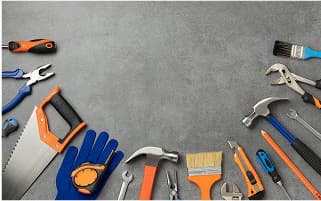
DIY Home Kits are comprehensive packages designed for consumers and businesses looking to undertake home improvement projects on their own. These kits typically include all necessary components, tools, and instructions required to complete a specific project, ranging from simple repairs to more complex installations. The concept behind DIY Home Kits is to empower individuals to take charge of their home maintenance and improvement tasks without needing professional assistance.
These kits are widely used across various sectors, including residential, commercial, and industrial applications. In the residential market, DIY Home Kits enable homeowners to personalize their living spaces, while businesses can leverage these kits for maintenance tasks or to enhance their facilities. The increasing trend towards home automation and sustainable living has further fueled the demand for DIY Home Kits, making them an essential product in today’s market.
As the DIY culture grows, the market for DIY Home Kits continues to expand. This trend is driven by a desire for cost-effective solutions and the satisfaction of completing projects independently. Businesses in the construction and home improvement sectors are capitalizing on this trend, offering diverse product lines that cater to varying consumer needs and preferences.
𝗞𝗲𝘆 𝗙𝗲𝗮𝘁𝘂𝗿𝗲𝘀 𝗮𝗻𝗱 𝗦𝗽𝗲𝗰𝗶𝗳𝗶𝗰𝗮𝘁𝗶𝗼𝗻𝘀
DIY Home Kits come equipped with several key features that enhance their usability and effectiveness. These features facilitate easy assembly and ensure that users can achieve professional results without extensive prior knowledge.
Key specifications include:
1. Comprehensive Components
- Kits include all necessary materials such as tools, fittings, and supplies.
- Ensures no additional purchases are required for project completion.
2. User-Friendly Instructions
- Step-by-step guides help users navigate the project seamlessly.
- Visual aids and diagrams improve understanding and usability.
3. Versatile Applications
- Suitable for a wide range of projects including renovations, repairs, and installations.
- Adaptable to different skill levels and project complexities.
4. Quality Materials
- Made from durable and reliable materials to ensure longevity.
- Meets industry standards for safety and performance.
5. Customization Options
- Some kits may offer customizable features to meet specific project needs.
- Allows users to tailor their projects according to personal preferences.
6. Safety Features
- Kits may include safety gear or equipment to protect users during installation.
- Adheres to safety standards to minimize risks.
7. Environmental Considerations
- Many kits are designed with eco-friendly materials or processes.
- Aligns with the growing trend towards sustainability in home improvement.
8. Warranty and Support
- Typically includes a warranty for added customer assurance.
- Access to customer support for assistance with project-related queries.
In summary, the features and specifications of DIY Home Kits cater to a broad audience, making them an appealing choice for both homeowners and businesses looking to engage in self-directed projects.
𝗖𝗼𝗺𝗺𝗼𝗻 𝗔𝗽𝗽𝗹𝗶𝗰𝗮𝘁𝗶𝗼𝗻𝘀 𝗮𝗻𝗱 𝗨𝘀𝗲 𝗖𝗮𝘀𝗲𝘀
DIY Home Kits serve a multitude of industries and applications, reflecting their versatility and widespread appeal.
1. Residential Renovation: Homeowners can utilize DIY Home Kits to undertake projects such as kitchen upgrades, bathroom remodels, or outdoor enhancements, allowing for personalized improvements without professional labor costs.
2. Educational Institutions: Schools and colleges may adopt DIY Home Kits for teaching purposes, enabling students to learn practical skills in construction, design, and engineering.
3. Office Spaces: Businesses can use DIY Home Kits for small renovations or to create functional workspaces that enhance productivity and employee satisfaction.
4. Retail Environments: Retailers may implement DIY Home Kits to set up displays or fixtures, allowing for quick and efficient store layouts that can be easily modified as needed.
5. Community Projects: Local organizations often use DIY Home Kits for community enhancement projects, such as building parks, community gardens, or playgrounds, fostering community engagement and collaboration.
6. Hospitality Industry: Hotels and restaurants can benefit from DIY Home Kits for refurbishing guest rooms or dining areas, providing an upgraded experience for their customers.
7. Maintenance Services: Property management companies can leverage DIY Home Kits for routine maintenance tasks, reducing the need for external contractors and streamlining operations.
𝗣𝗿𝗼𝗱𝘂𝗰𝘁 𝗩𝗮𝗿𝗶𝗮𝗻𝘁𝘀 𝗮𝗻𝗱 𝗦𝘂𝗯𝗰𝗮𝘁𝗲𝗴𝗼𝗿𝗶𝗲𝘀
While specific subcategories for DIY Home Kits are not available, the product diversity within this category allows for various options tailored to specific needs.
Home Improvement Kits: These kits focus on renovations and upgrades, providing tools and materials for projects such as painting, flooring, and cabinetry.
Garden and Landscaping Kits: Aimed at outdoor enthusiasts, these kits include everything needed for gardening, landscaping, and outdoor living space enhancements.
Repair and Maintenance Kits: Designed for quick fixes, these kits contain essential tools and supplies for handling common household repairs, ensuring effectiveness and efficiency.
Craft and Hobby Kits: Tailored for creative projects, these kits cater to individuals looking to engage in arts, crafts, and DIY hobbies, enhancing personal expression.
𝗕𝗲𝗻𝗲𝗳𝗶𝘁𝘀 𝗮𝗻𝗱 𝗔𝗱𝘃𝗮𝗻𝘁𝗮𝗴𝗲𝘀
DIY Home Kits offer numerous benefits that make them an attractive option for both consumers and businesses.
Key benefits include:
1. Cost-Effectiveness: By enabling individuals to complete projects without hiring professionals, DIY Home Kits significantly reduce labor costs associated with home improvement.
2. Empowerment and Satisfaction: Completing a project independently fosters a sense of achievement and confidence in skills, enhancing the overall experience.
3. Flexibility: DIY Home Kits can be utilized at any time, allowing users to work at their own pace and on their own schedule.
4. Skill Development: Engaging in DIY projects helps individuals develop practical skills and knowledge that can be applied to future tasks.
5. Customization: Many kits allow users to personalize projects according to their tastes and preferences, resulting in unique and tailored outcomes.
6. Accessibility: With a variety of options available, DIY Home Kits cater to different skill levels, making them accessible to a broad audience.
𝗕𝘂𝘆𝗶𝗻𝗴 𝗚𝘂𝗶𝗱𝗲 𝗳𝗼𝗿 𝗕𝟮𝗕 𝗕𝘂𝘆𝗲𝗿𝘀
When sourcing DIY Home Kits, it is essential for B2B buyers to consider several factors to ensure a successful purchase.
1. Quality Assessment: Buyers should evaluate the quality of materials and components included in the kits. Look for brands with a reputation for durability and reliability.
2. Supplier Verification: Vetting suppliers is crucial to ensure they are reputable and provide high-quality products. Check for reviews and testimonials from previous customers.
3. Pricing and MOQ: Understanding the pricing structure and minimum order quantities is vital for budgeting. Compare different suppliers to find the best value for money.
4. Delivery and Lead Times: Consider the logistics of delivery and any associated lead times. Ensure that suppliers can meet your project schedules without delays.
5. Compliance Requirements: Familiarize yourself with any regulatory requirements that may apply to DIY Home Kits, including safety standards and certifications, to ensure compliance.
𝗖𝗼𝗺𝗽𝗹𝗶𝗮𝗻𝗰𝗲 𝗮𝗻𝗱 𝗖𝗲𝗿𝘁𝗶𝗳𝗶𝗰𝗮𝘁𝗶𝗼𝗻𝘀
Compliance with quality standards and certifications is crucial for DIY Home Kits to ensure safety and reliability. Many kits adhere to relevant quality standards such as ISO 9001, which governs quality management systems. This certification indicates that the products meet high-quality benchmarks consistently.
Additionally, the CE certification signifies that the kits conform to European safety, health, and environmental protection standards. This certification is essential for products sold within the European market, ensuring they are safe for consumer use.
Safety and testing requirements are also critical, as they help mitigate risks associated with DIY projects. Buyers should look for products that have undergone rigorous testing to verify their safety and effectiveness.
Regional compliance considerations may vary, so it is essential to understand the specific requirements applicable to your market. Ensuring that DIY Home Kits meet these compliance benchmarks can enhance customer trust and satisfaction.
𝗪𝗵𝘆 𝗦𝗼𝘂𝗿𝗰𝗲 𝗗𝗜𝗬 𝗛𝗼𝗺𝗲 𝗞𝗶𝘁𝘀 𝗳𝗿𝗼𝗺 𝗣𝗲𝗽𝗮𝗴𝗼𝗿𝗮?
Pepagora provides a trusted platform for sourcing DIY Home Kits, offering several key advantages to B2B buyers.
Verified Supplier Network: Pepagora connects buyers with a network of verified suppliers, ensuring that all listed products meet high standards of quality and reliability. This verification process helps reduce the risks associated with sourcing.
Streamlined RFQ Process: The platform features a streamlined Request for Quotation (RFQ) system that allows buyers to quickly and easily request pricing from multiple suppliers. This efficiency saves time and enables better decision-making.
Trade Assurance and Support: Pepagora offers trade assurance to protect buyers in their transactions. This includes support for addressing any issues that may arise during the purchasing process, ensuring a smooth experience.
Regional Coverage: With a focus on markets in India, the GCC, and Southeast Asia, Pepagora provides comprehensive geographic coverage. This makes it easier for buyers in these regions to access quality DIY Home Kits tailored to their local needs.
Newly Added
Currently, no products are listed. Explore other categories listed below or post your buying request
Explore Verified Categories
Browse trusted industries powered by verified suppliers.
Recently Added













Why Businesses Trust Pepagora
Thousands of companies trust Pepagora to source smarter and sell faster
Expand Your Sales Globally
25000+Products listed.Get discovered by global buyers
Tools to boost visibility
Build your own catalog

Source Smarter,Grow Faster
4000+Active RFQs
100+ Countries served
Easy Sourcing Tools