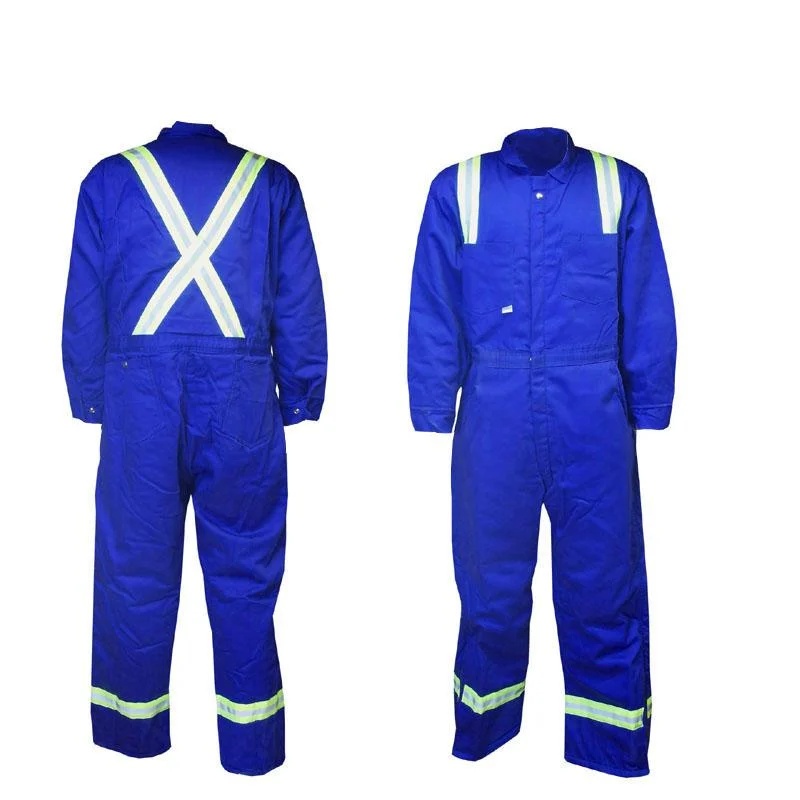
𝗪𝗵𝗮𝘁 𝗮𝗿𝗲 𝗗𝗶𝘃𝗲 𝗦𝘂𝗶𝘁𝘀 & 𝗥𝗮𝘀𝗵 𝗚𝘂𝗮𝗿𝗱𝘀?
Dive suits and rash guards are specialized garments designed for aquatic activities. Dive suits, often made from neoprene, provide thermal insulation and protection against water and marine life. They are typically used in scuba diving, snorkeling, and other underwater sports. Rash guards, on the other hand, are lightweight and made from synthetic materials, offering protection from sun exposure, abrasions, and stings.
These products are essential for various industries, including marine tourism, water sports, and commercial diving. Businesses in these sectors rely on high-quality dive suits and rash guards to ensure the safety and comfort of their personnel. The market for these products is growing as more individuals participate in water-based activities, highlighting the importance of durable and effective protective gear.
As the demand for aquatic activities increases, so does the need for reliable dive suits and rash guards. Companies are seeking innovative materials and designs to enhance performance and safety. This growing industry context underscores the relevance of sourcing high-quality products that meet specific operational needs.
𝗞𝗲𝘆 𝗙𝗲𝗮𝘁𝘂𝗿𝗲𝘀 𝗮𝗻𝗱 𝗦𝗽𝗲𝗰𝗶𝗳𝗶𝗰𝗮𝘁𝗶𝗼𝗻𝘀
Dive suits and rash guards come with a range of features tailored to meet the demands of aquatic environments. Understanding these specifications is vital for making informed purchasing decisions.
Key specifications include:
1. Material Composition
- Dive suits are primarily made from neoprene, which provides insulation and buoyancy.
- Rash guards are made from polyester or nylon blends for lightweight comfort.
2. Thickness
- Dive suits typically range from 2mm to 7mm in thickness, depending on water temperature and intended use.
- Rash guards generally have a consistent thickness to ensure flexibility and comfort.
3. Size Availability
- Dive suits come in a variety of sizes, catering to different body types and ensuring a snug fit.
- Rash guards are available in both men’s and women’s sizes, often with options for fit adjustments.
4. UV Protection
- Rash guards offer UV protection ratings of UPF 30 or higher to shield the skin from harmful sun exposure.
5. Closure Types
- Dive suits may feature back zippers, front zippers, or no zippers for easy wear and removal.
- Rash guards typically have a simple pull-over design.
6. Thermal Insulation Properties
- Dive suits are designed to retain body heat, making them suitable for cold water conditions.
7. Flexibility and Mobility
- Both products are engineered to allow for maximum movement, essential for diving and water sports activities.
8. Durability
- High-quality stitching and reinforced seams contribute to the overall durability of both dive suits and rash guards.
In summary, selecting the right dive suit or rash guard involves considering various specifications that impact performance, comfort, and safety in aquatic environments.
𝗖𝗼𝗺𝗺𝗼𝗻 𝗔𝗽𝗽𝗹𝗶𝗰𝗮𝘁𝗶𝗼𝗻𝘀 𝗮𝗻𝗱 𝗨𝘀𝗲 𝗖𝗮𝘀𝗲𝘀
Dive suits and rash guards are utilized across multiple industries, each with unique applications.
1. Marine Tourism: Dive suits are essential for diving instructors and tourists participating in scuba diving and snorkeling tours, providing safety and warmth.
2. Water Sports: Athletes engaging in activities such as surfing or paddleboarding often wear rash guards to protect against sun exposure and abrasions.
3. Commercial Diving: Professionals in underwater construction or inspection rely on dive suits for thermal protection and safety in potentially hazardous environments.
4. Environmental Research: Scientists conducting underwater research use specialized dive suits to protect against cold water while collecting samples.
5. Aquaculture: Workers in fish farming and aquaculture environments use dive suits to maintain comfort and safety while working in aquatic settings.
6. Lifeguarding: Lifeguards may wear rash guards to protect against sun exposure while ensuring mobility during rescue operations.
By understanding these applications, companies can better align their procurement strategies with their operational needs.
𝗣𝗿𝗼𝗱𝘂𝗰𝘁 𝗩𝗮𝗿𝗶𝗮𝗻𝘁𝘀 𝗮𝗻𝗱 𝗦𝘂𝗯𝗰𝗮𝘁𝗲𝗴𝗼𝗿𝗶𝗲𝘀
Dive suits and rash guards are available in various forms to cater to diverse requirements.
Full Dive Suits: These provide comprehensive coverage and thermal protection. They are ideal for cold-water diving and are available in various thicknesses.
Shorty Dive Suits: These feature short sleeves and legs, offering flexibility and comfort in warmer waters. They are perfect for snorkeling and casual diving.
Long-Sleeve Rash Guards: Designed for sun protection, these rash guards cover the arms and torso, making them suitable for extended outdoor water activities.
Short-Sleeve Rash Guards: These provide lightweight protection against sun and abrasions while allowing for greater freedom of movement.
𝗕𝗲𝗻𝗲𝗳𝗶𝘁𝘀 𝗮𝗻𝗱 𝗔𝗱𝘃𝗮𝗻𝘁𝗮𝗴𝗲𝘀
Investing in high-quality dive suits and rash guards brings several advantages.
1. Enhanced Safety: These garments protect divers and water sports enthusiasts from environmental hazards, including marine life and extreme temperatures.
2. Improved Comfort: With features like thermal insulation and flexibility, these products ensure users can perform optimally during their activities.
3. UV Protection: Rash guards shield the skin from harmful UV rays, reducing the risk of sunburn during prolonged exposure.
4. Durability: Quality materials and construction ensure that dive suits and rash guards withstand rigorous conditions, providing long-lasting use.
5. Versatility: Suitable for various activities, these products cater to a wide range of professional and recreational needs.
6. Easy Maintenance: Many dive suits and rash guards are designed for quick drying and easy cleaning, making them convenient for regular use.
𝗕𝘂𝘆𝗶𝗻𝗴 𝗚𝘂𝗶𝗱𝗲 𝗳𝗼𝗿 𝗕𝟮𝗕 𝗕𝘂𝘆𝗲𝗿𝘀
When sourcing dive suits and rash guards, businesses should consider several important factors.
1. Quality Assessment: Evaluate the materials and construction quality to ensure durability and performance in aquatic environments. Look for customer reviews and industry certifications.
2. Supplier Verification: Vet suppliers to ensure they have a reliable track record in manufacturing high-quality products. Consider their reputation in the industry and their compliance with safety standards.
3. Pricing and MOQ: Understand the pricing structures and minimum order quantities (MOQs) to align with your budget and procurement strategy. Compare multiple suppliers for competitive pricing.
4. Delivery and Lead Times: Inquire about logistics and lead times to ensure timely delivery. This is crucial for meeting project deadlines and operational needs.
5. Compliance Requirements: Ensure that the products meet relevant industry standards and certifications, such as CE certification, to guarantee safety and compliance with regulatory requirements.
𝗖𝗼𝗺𝗽𝗹𝗶𝗮𝗻𝗰𝗲 𝗮𝗻𝗱 𝗖𝗲𝗿𝘁𝗶𝗳𝗶𝗰𝗮𝘁𝗶𝗼𝗻𝘀
Compliance and certifications play a significant role in the quality and safety of dive suits and rash guards.
Relevant quality standards include ISO 9001, which ensures consistent quality management systems in manufacturing. Compliance with HACCP and GDP may be necessary for products used in specialized environments.
Industry certifications such as CE indicate that the products meet European health, safety, and environmental protection standards. This certification is crucial for ensuring product reliability and safety.
Safety and testing requirements vary by region, with different countries having specific regulations that need to be adhered to. Businesses should ensure that their suppliers are compliant with local and international standards to avoid legal complications.
Regional considerations also play a role, as manufacturers must adapt their products to meet the climate and environmental conditions of different areas.
𝗪𝗵𝘆 𝗦𝗼𝘂𝗿𝗰𝗲 𝗗𝗶𝘃𝗲 𝗦𝘂𝗶𝘁𝘀 & 𝗥𝗮𝘀𝗵 𝗚𝘂𝗮𝗿𝗱𝘀 𝗳𝗿𝗼𝗺 𝗣𝗲𝗽𝗮𝗴𝗼𝗿𝗮?
Pepagora offers a trusted platform for sourcing dive suits and rash guards, providing numerous advantages for B2B buyers.
Verified Supplier Network: Pepagora has established a network of verified suppliers, ensuring that buyers have access to high-quality products. This verification process helps mitigate risks associated with supplier reliability.
Streamlined RFQ Process: The platform simplifies the request for quotation (RFQ) process, allowing buyers to easily compare offers from multiple suppliers. This efficiency saves time and helps in making informed purchasing decisions.
Trade Assurance and Support: Pepagora provides trade assurance to protect buyers’ investments. This includes support for resolving disputes and ensuring that product quality meets expectations.
Regional Coverage: With a strong presence in India, the GCC, and Southeast Asia, Pepagora offers extensive regional coverage. This geographic reach allows buyers to connect with suppliers best suited to their specific location and market needs.
By choosing Pepagora, businesses can confidently source dive suits and rash guards that meet their operational requirements and safety standards.

 IN
IN