What are Cosmetic Packaging with Branding?
Cosmetic packaging with branding refers to the specialized containers and materials used to package cosmetic products while incorporating brand identity elements. This type of packaging not only protects the product but also plays a crucial role in marketing and consumer perception. It acts as a visual representation of the brand, helping to communicate the product's values, quality, and unique selling points.
This packaging is widely used across various sectors of the cosmetics industry, including skincare, makeup, haircare, and personal care products. Businesses often employ customized packaging solutions to stand out in a competitive market. The aesthetic appeal and functionality of the packaging can significantly influence consumer purchasing decisions. As the beauty and personal care market continues to grow, the demand for innovative and aesthetically pleasing packaging solutions is also on the rise.
In today's market, cosmetic packaging with branding is more than just a protective layer; it serves as a critical marketing tool. Companies are increasingly focusing on sustainable, user-friendly, and visually appealing designs to attract environmentally-conscious consumers. The industry's shift towards personalization and customization further emphasizes the importance of branding in cosmetic packaging.
Key Features and Specifications
Cosmetic packaging with branding encompasses various features tailored to enhance product presentation and functionality. These features are essential for ensuring product integrity while effectively communicating the brand message.
Key specifications include:
1. Material Quality
- High-quality materials such as glass, plastic, or eco-friendly options
- Durability and resistance to breakage or leakage
2. Customization Options
- Variety of sizes, shapes, and colors available
- Ability to incorporate custom logos and designs
3. Seal and Closure Mechanisms
- Options for various types of closures such as pumps, droppers, or screw caps
- Ensures product protection and user convenience
4. Eco-Friendly Solutions
- Availability of recyclable or biodegradable materials
- Commitment to sustainability and reducing environmental impact
5. Labeling and Printing Capabilities
- High-quality printing for branding and product information
- Options for matte or glossy finishes to enhance visual appeal
6. Compliance with Safety Standards
- Adherence to industry regulations and safety requirements
- Ensures consumer safety and product efficacy
7. Temperature and Humidity Resistance
- Capability to withstand various environmental conditions
- Maintains product quality and shelf life
8. Versatile Applications
- Suitable for a wide range of cosmetic products
- Accommodates both liquid and solid formulations
In summary, the specifications of cosmetic packaging with branding are designed to meet the diverse needs of the cosmetics industry while ensuring product safety and enhancing brand visibility.
Common Applications and Use Cases
Cosmetic packaging with branding is utilized in various industries, providing tailored solutions for different applications.
1. Skincare: This industry often requires packaging that protects delicate formulations from light and air exposure. Options like airless pumps and UV-protective materials are popular.
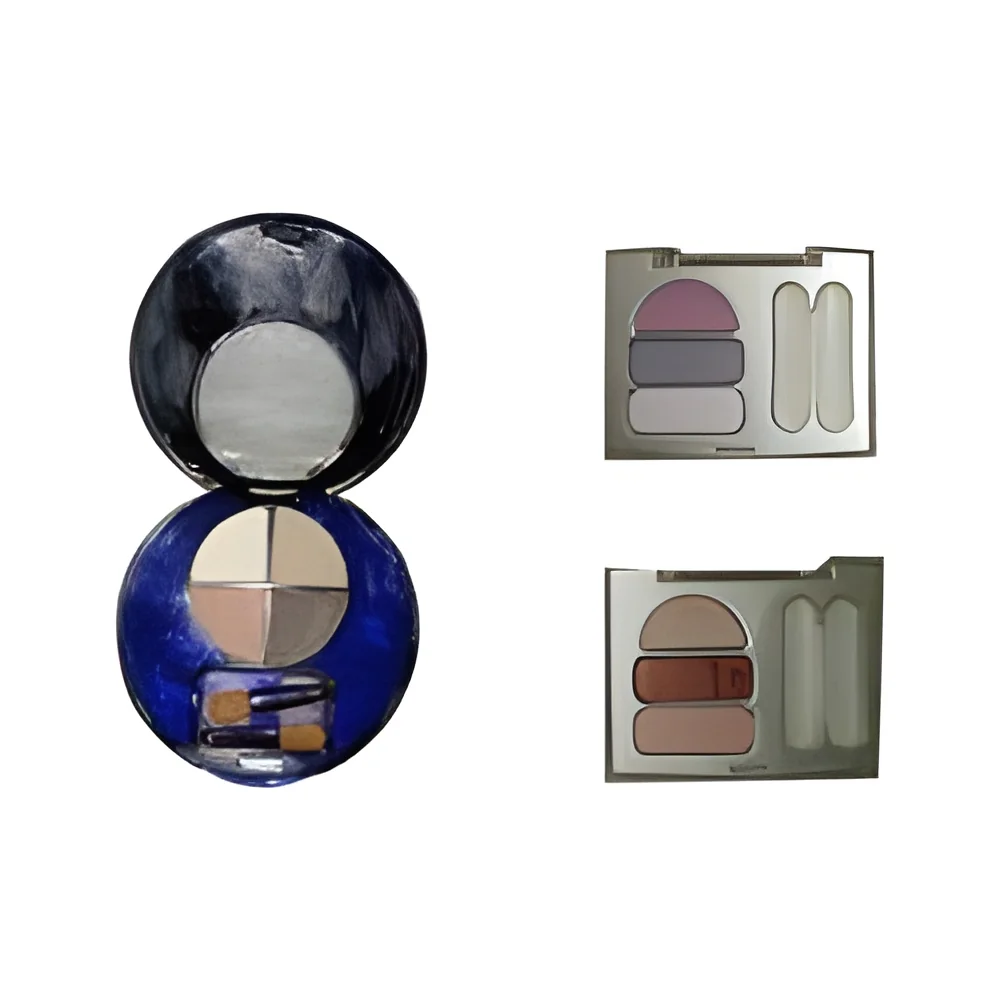
2. Makeup: Packaging for makeup products needs to be visually appealing to attract consumers. Custom compacts, tubes, and bottles with unique designs are commonly used.
3. Haircare: Haircare products require packaging that is functional and durable. Squeeze bottles and spray containers are popular choices for ease of use.
4. Fragrances: Perfume packaging focuses heavily on aesthetics. Glass bottles with intricate designs often create a luxurious feel.
5. Personal Care: Everyday personal care products, such as deodorants and lotions, benefit from user-friendly packaging that emphasizes convenience and functionality.
6. Organic and Natural Products: Brands focusing on organic cosmetics often use eco-friendly packaging to align with their sustainable values, appealing to environmentally-conscious consumers.
7. Men's Grooming: The men's grooming market is growing, and packaging that reflects masculinity and sophistication is essential for attracting this demographic.
Product Variants and Subcategories
Cosmetic packaging with branding comes in a variety of forms to meet the unique needs of different products.
Glass Bottles: These are often used for serums and oils due to their premium feel and ability to protect contents from light. They can be customized with various closures and labeling options.
Plastic Tubes: Ideal for creams and lotions, plastic tubes offer convenience and are lightweight. They can be easily customized and are available in different sizes.
Airless Pumps: These are designed to prevent air from entering the container, preserving the integrity of the product. They are commonly used for skincare products.
Roll-On Containers: Perfect for liquid cosmetics like perfumes or oils, roll-on containers offer precision application and ease of use.
Benefits and Advantages
Cosmetic packaging with branding provides numerous advantages for businesses in the cosmetics industry.
1. Brand Recognition: Customized packaging enhances brand identity, making products easily recognizable to consumers.
2. Product Protection: Quality packaging shields products from external factors such as light, air, and moisture, ensuring longevity.
3. Consumer Appeal: Attractive designs draw consumers' attention, increasing the likelihood of purchase.
4. Differentiation: Unique packaging helps brands stand out in a crowded market, allowing them to showcase their values and product benefits.
5. Sustainability: Eco-friendly packaging options appeal to environmentally-conscious consumers, enhancing brand reputation.
6. Versatility: The wide range of packaging options available allows brands to cater to diverse product lines and customer preferences.
Buying Guide for B2B Buyers
When sourcing cosmetic packaging with branding, it is crucial for businesses to consider several key factors to ensure they make informed decisions.
1. Quality Assessment: Evaluate the quality of materials used in packaging. Look for certifications and standards that guarantee durability and safety.
2. Supplier Verification: Conduct thorough background checks on suppliers to ensure they are reliable and have a proven track record in the industry.
3. Pricing and MOQ: Understand the pricing structures and minimum order quantities required by suppliers to align with your budget and inventory needs.
4. Delivery and Lead Times: Factor in logistics and delivery timelines to ensure timely availability of packaging for your products.
5. Compliance Requirements: Be aware of regulatory requirements for cosmetic packaging in your target markets to ensure compliance and avoid legal issues.
Compliance and Certifications
Cosmetic packaging with branding must adhere to various quality standards and certifications to ensure safety and efficacy.
Relevant quality standards include ISO 9001, which focuses on quality management systems, and HACCP, which ensures food safety, applicable to cosmetic products with food-grade ingredients. GDP (Good Distribution Practice) also plays a role in ensuring quality throughout the supply chain.
In addition to these standards, industry certifications such as CE (Conformité Européenne) indicate compliance with European safety requirements, providing assurance to consumers and businesses alike.
Safety and testing requirements are critical in this industry, as products must be safe for consumer use. Companies should invest in rigorous testing to ensure their packaging materials do not leach harmful substances.
Regional compliance considerations vary by market. Businesses should be aware of specific regulations in their target regions to ensure their packaging meets local standards and requirements.
Why Source Cosmetic Packaging with Branding from Pepagora?
Pepagora provides a trusted platform for sourcing cosmetic packaging with branding, offering several key advantages to B2B buyers.
Verified Supplier Network: Pepagora has a comprehensive network of verified suppliers, ensuring that buyers can connect with reputable manufacturers who meet industry standards.
Streamlined RFQ Process: The platform simplifies the request for quotation (RFQ) process, allowing businesses to obtain competitive quotes quickly and efficiently, saving time and resources.
Trade Assurance and Support: Pepagora offers trade assurance programs that protect buyers' interests, providing peace of mind throughout the procurement process.
Regional Coverage: With a strong presence in India, the GCC, and Southeast Asia, Pepagora enables businesses to access a diverse range of suppliers and products, facilitating international trade and partnerships.

 IN
IN