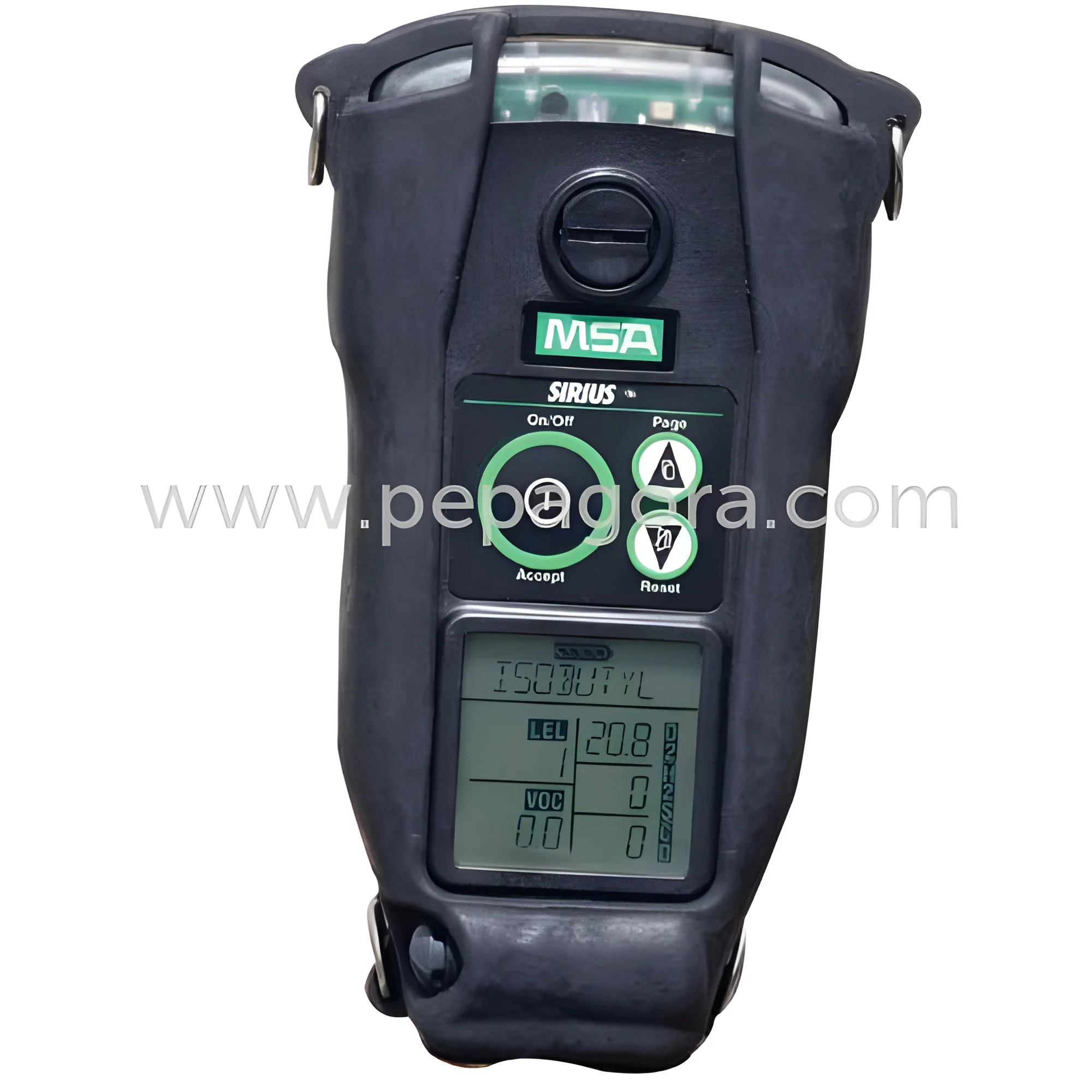
What are Conventional Fire Alarm Systems?
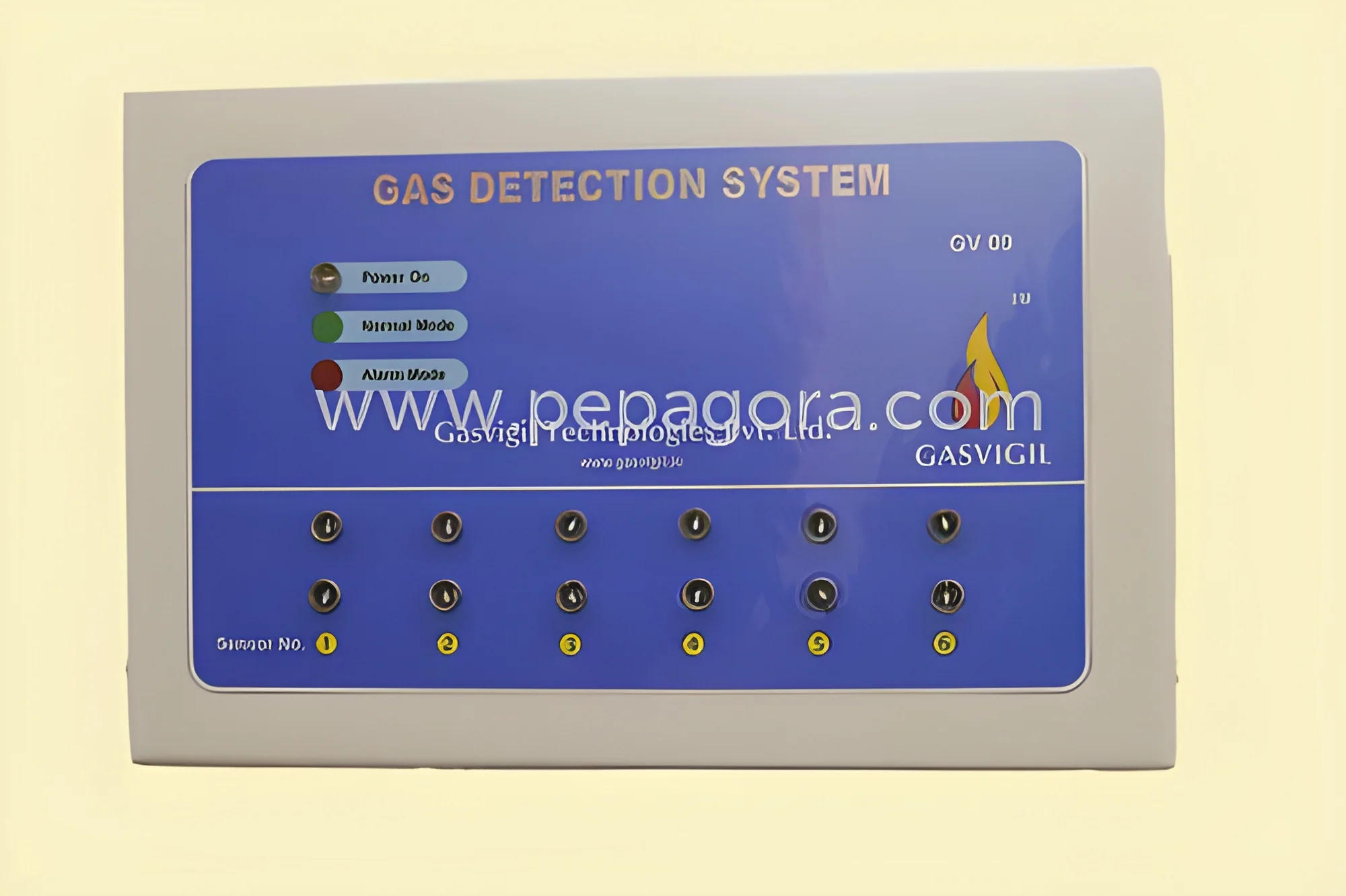
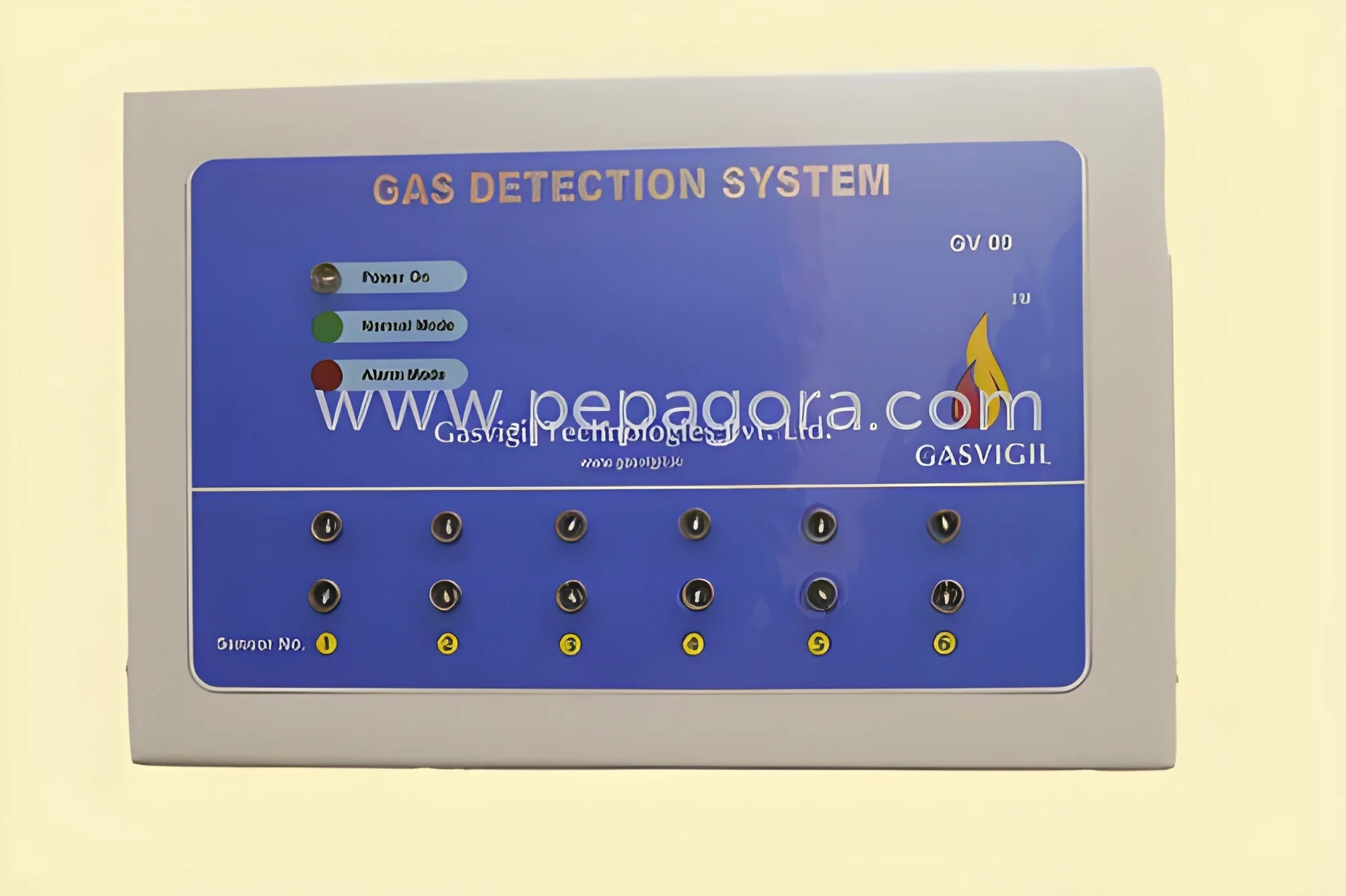
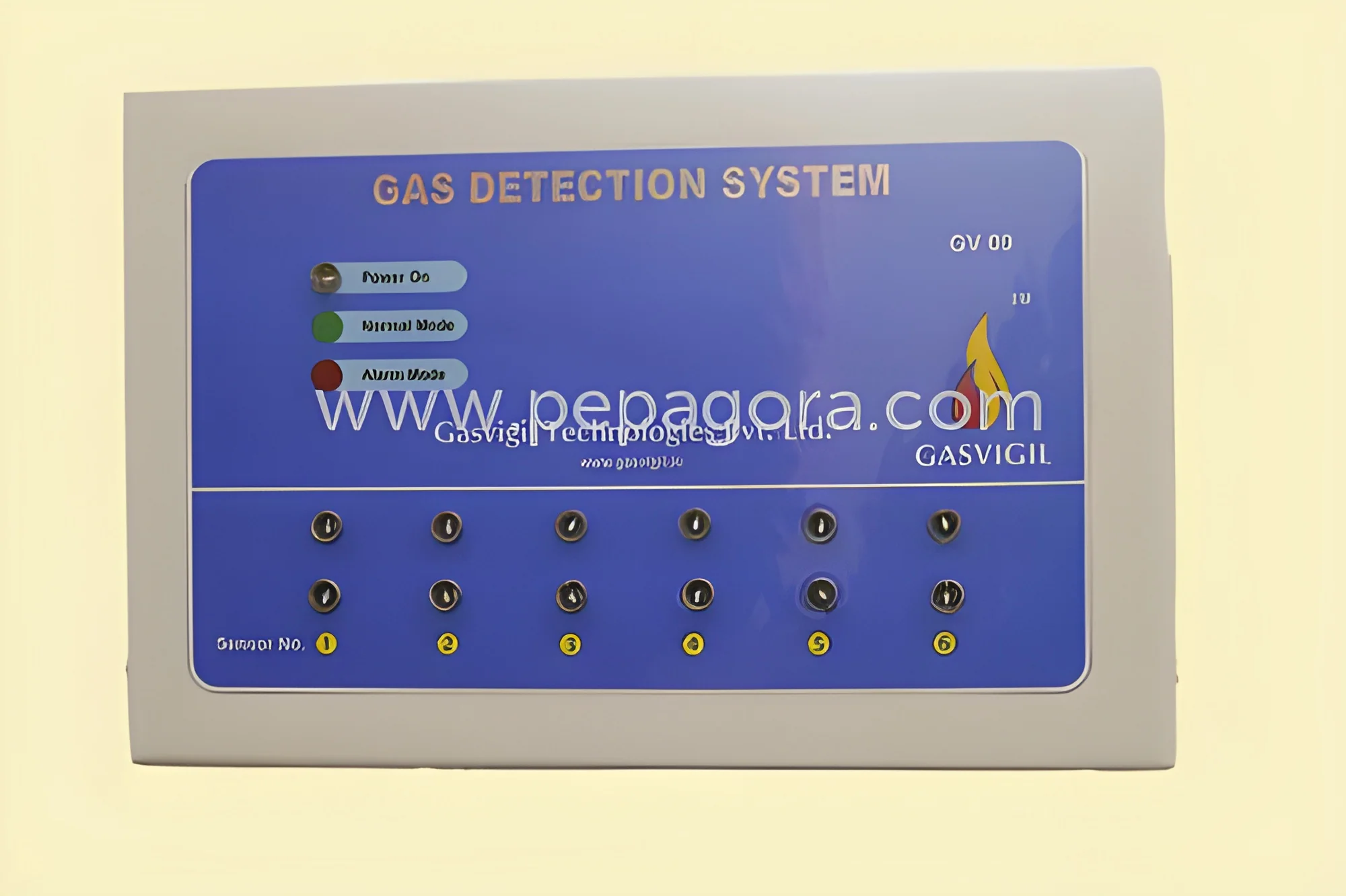
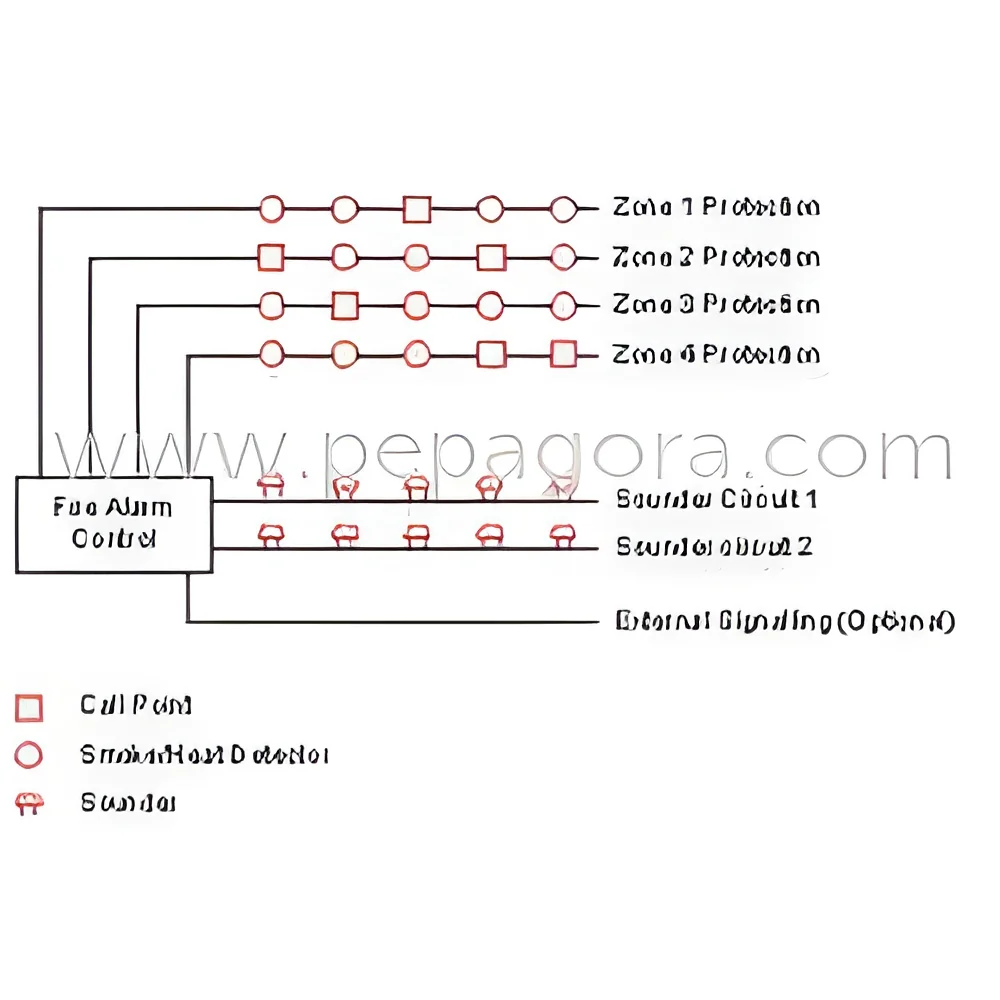
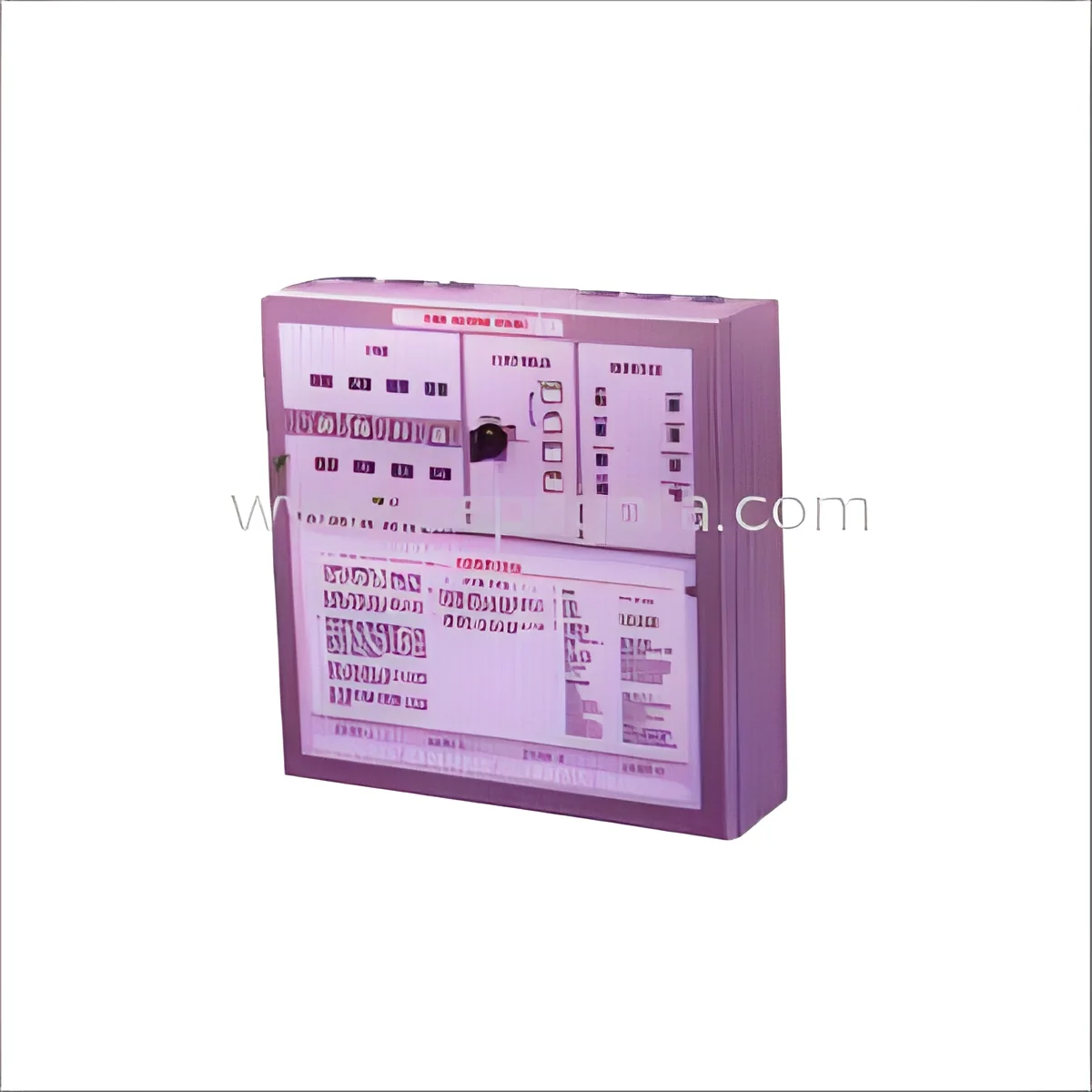
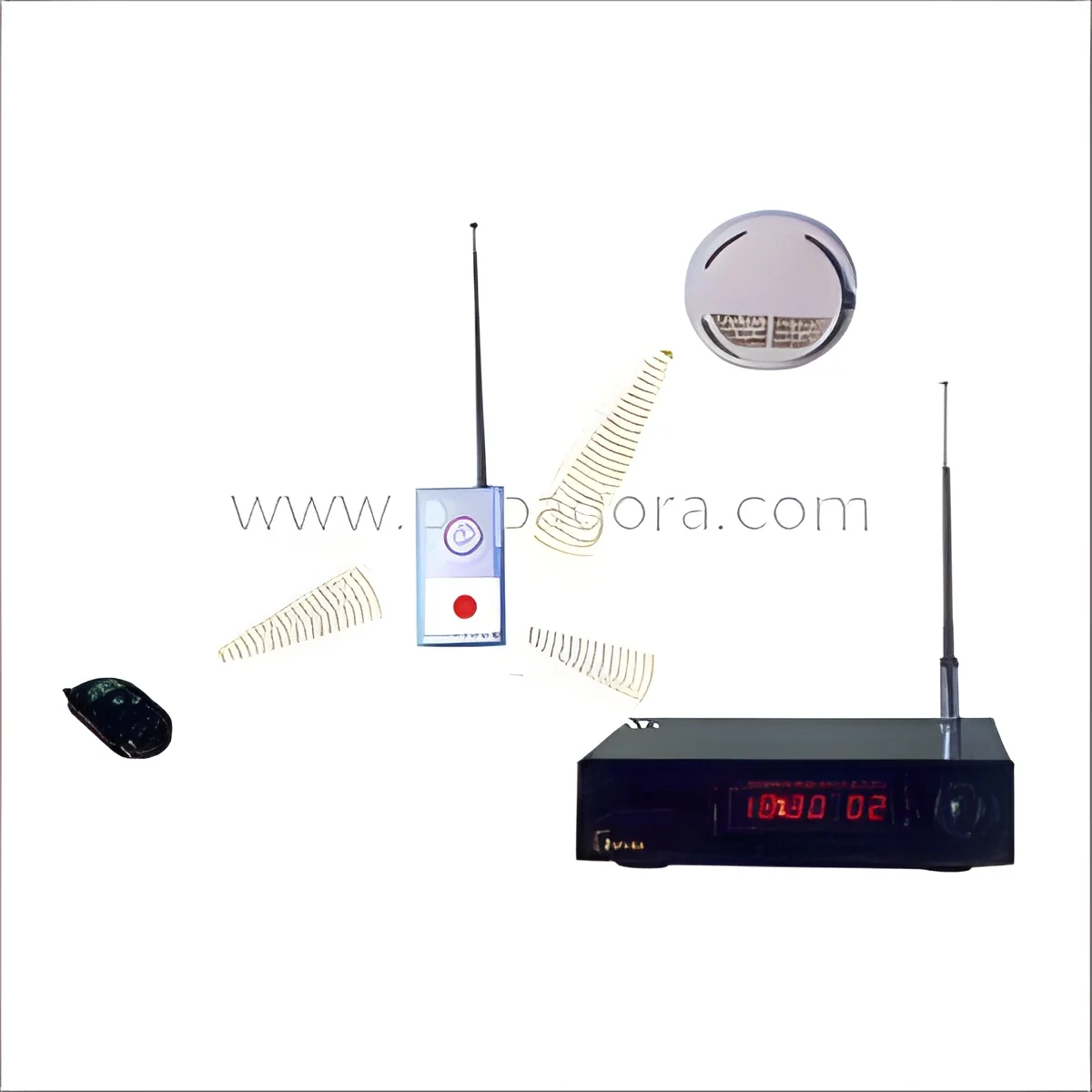
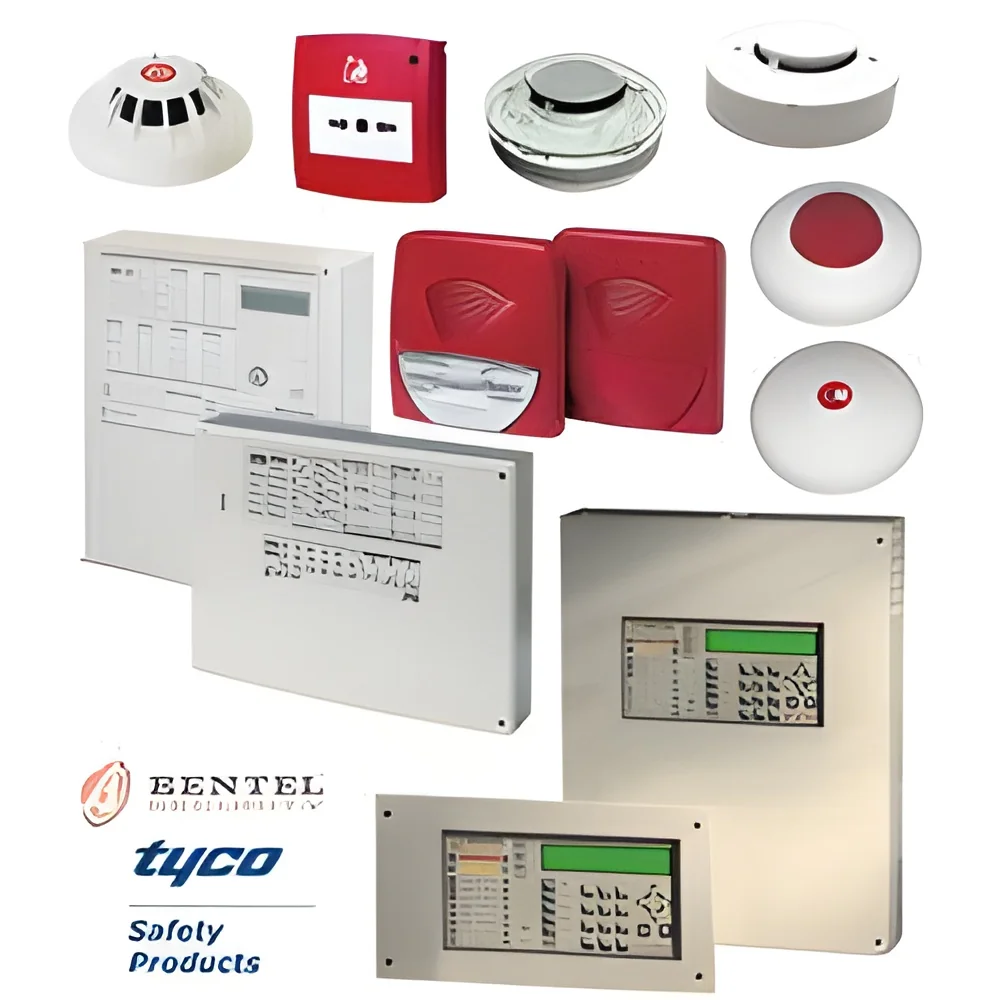
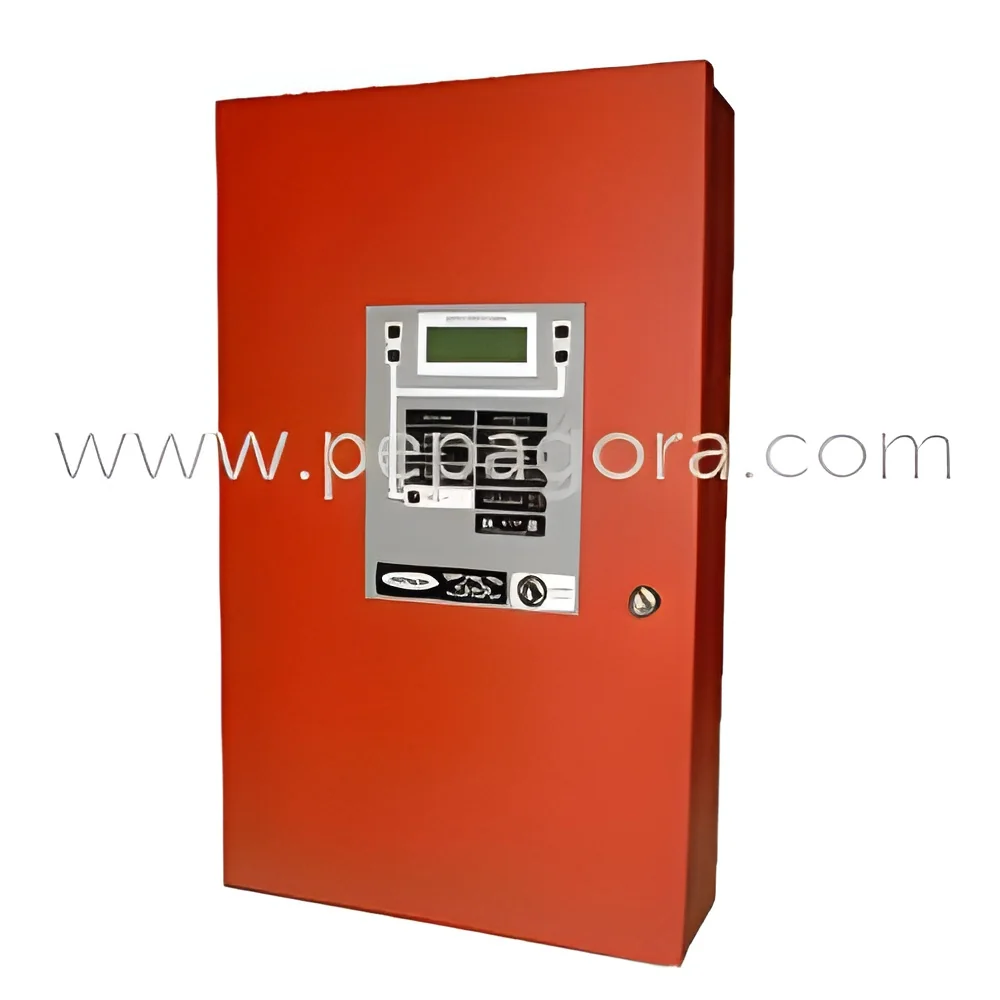
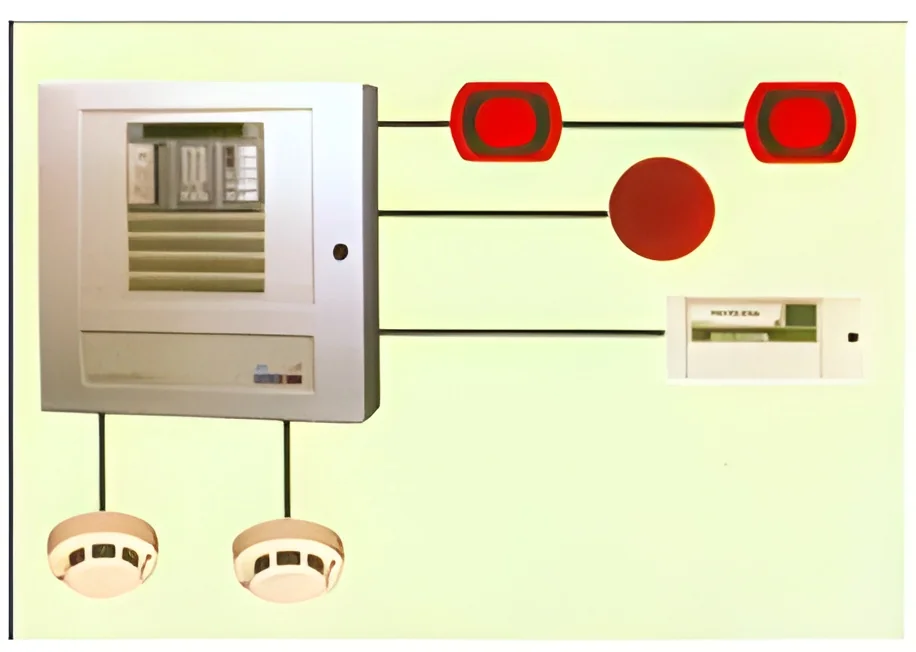
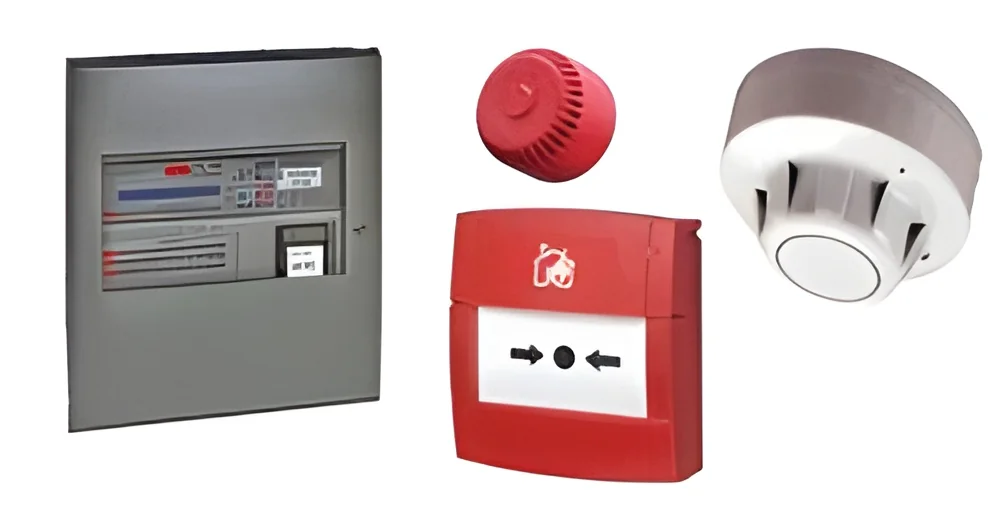
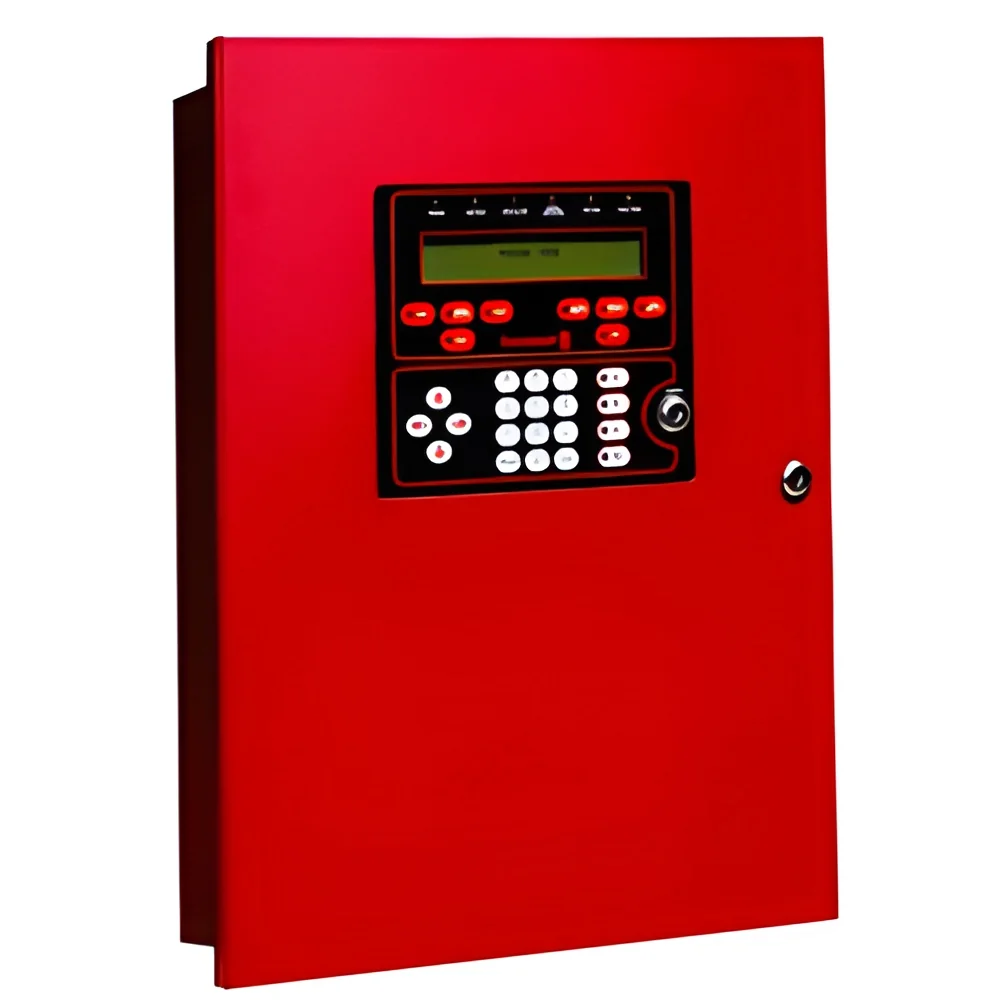
Conventional fire alarm systems are essential safety devices designed to detect smoke, heat, and other fire indicators within a facility. These systems typically consist of a control panel, various detectors, and alarm devices. The control panel serves as the central hub, receiving signals from detectors and activating alarms when necessary. Conventional systems operate on a zone-based model, allowing for the identification of a fire's location within a designated area, which aids in efficient evacuation and response.
These systems find primary applications in commercial buildings, industrial settings, and educational institutions, where they provide critical protection against fire hazards. Businesses use conventional fire alarm systems to ensure the safety of occupants and protect assets from fire damage. Given regulatory requirements and the need for insurance compliance, these systems have become a standard feature in many organizational safety protocols.
In today's market, conventional fire alarm systems are relevant as they meet the fundamental needs of fire safety across various industries. Despite the emergence of more advanced technologies, such as addressable systems, conventional systems remain popular due to their cost-effectiveness and reliability. They are particularly useful for facilities with simpler layouts where detailed monitoring is not as critical.
Key Features and Specifications
Conventional fire alarm systems come equipped with a range of features that enhance their functionality and reliability. Understanding these specifications is crucial for businesses looking to implement effective fire safety measures.
Key specifications include:
1. Control Panel
- The central processing unit that receives signals from detectors.
- Typically supports multiple zones for location identification.
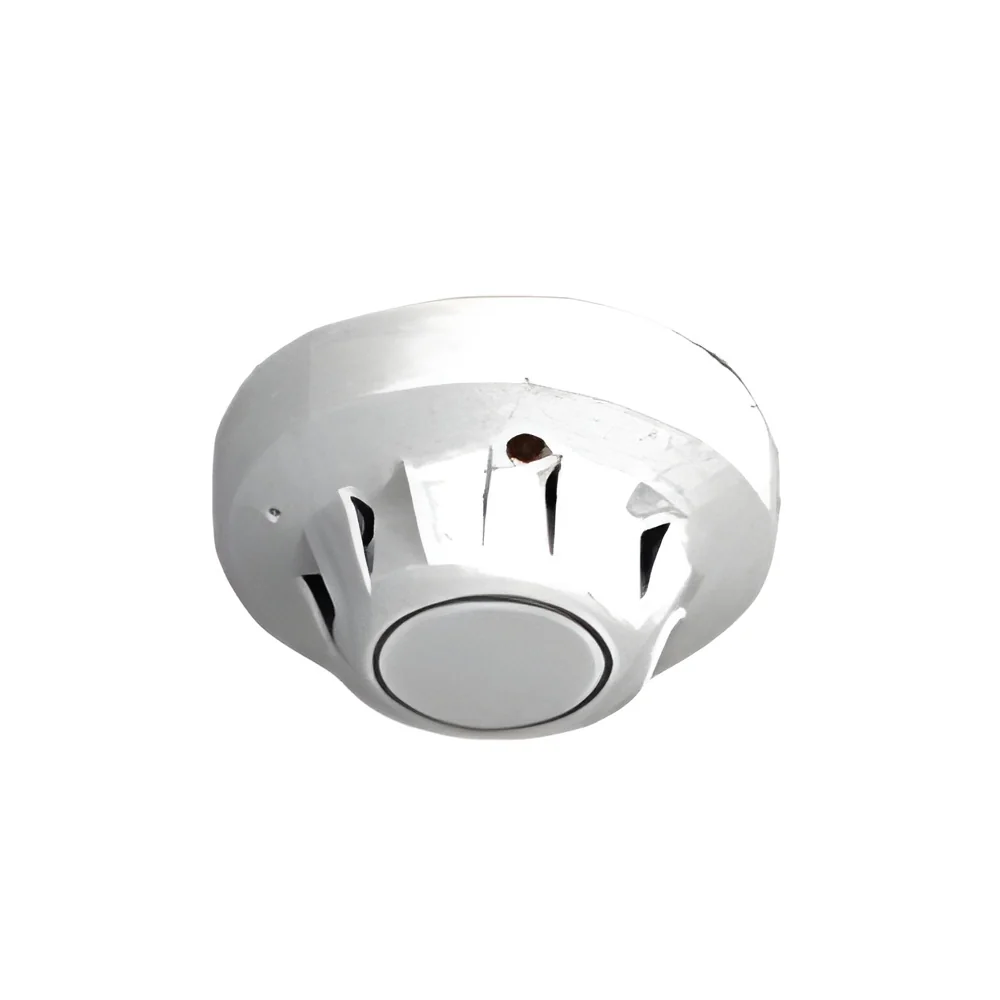
2. Smoke Detectors
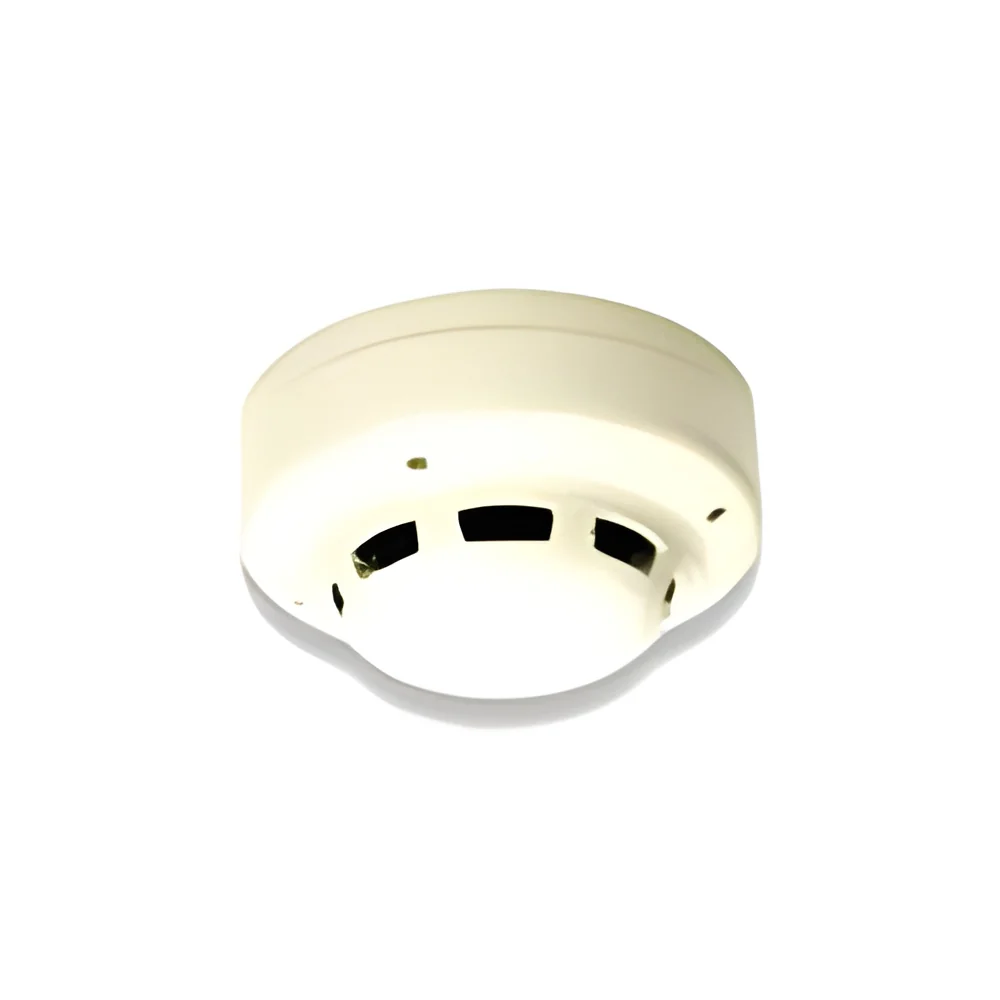
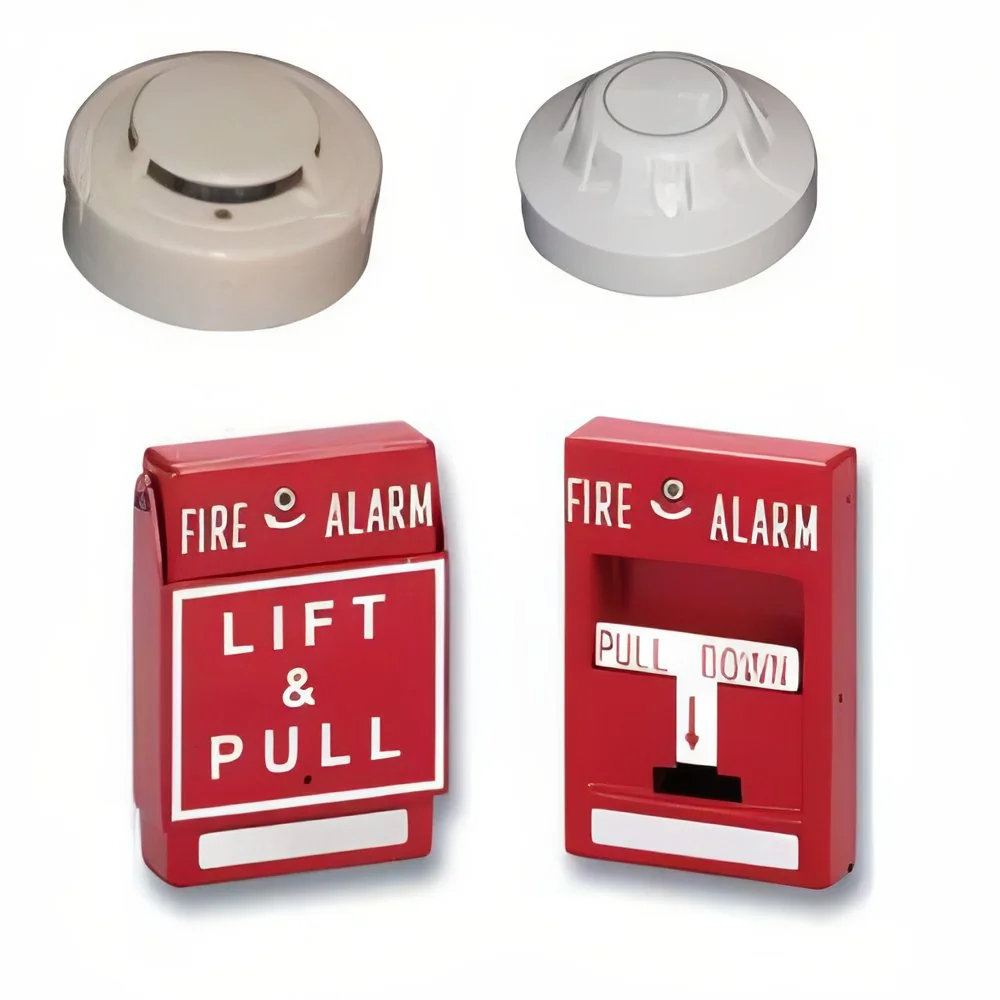
- Devices that sense smoke particles in the air.
- Available in ionization and photoelectric types, each with distinct detection capabilities.
3. Heat Detectors
- Sensors that detect changes in temperature.
- Suitable for areas where smoke detectors may give false alarms, like kitchens.
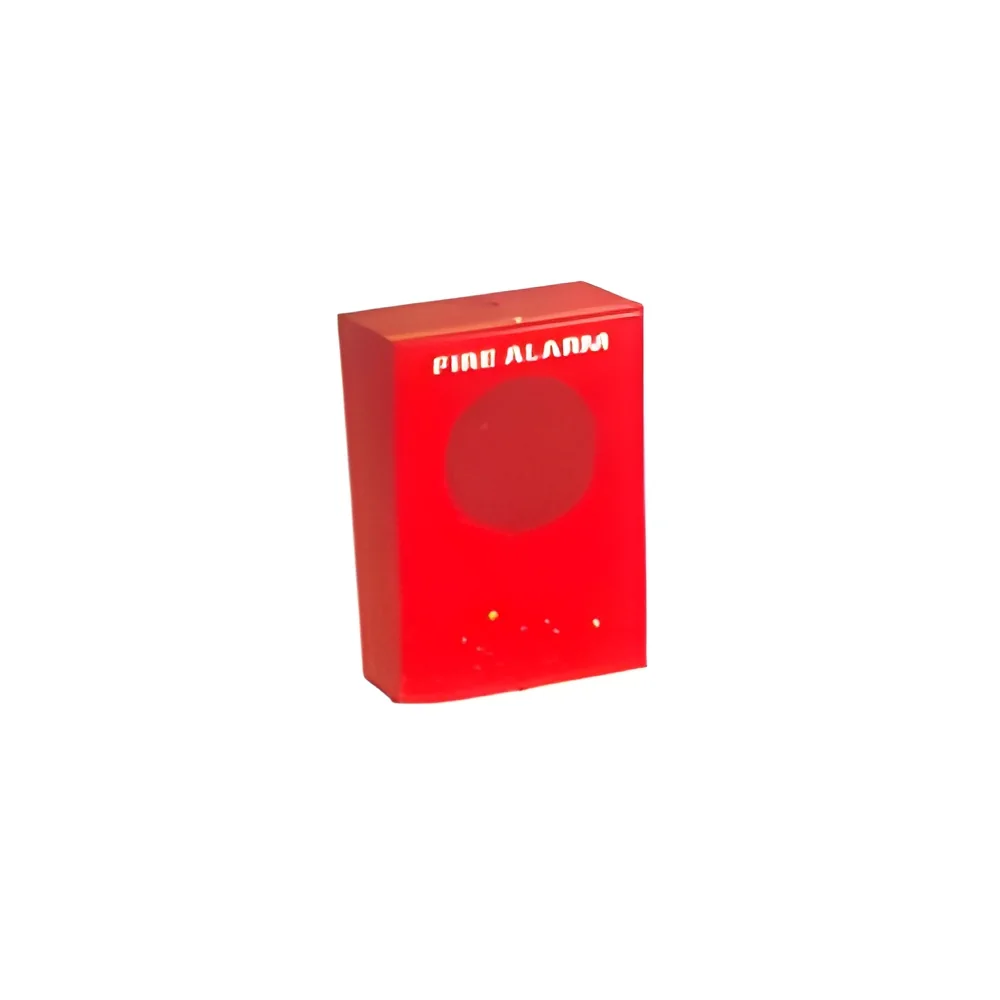
4. Manual Call Points
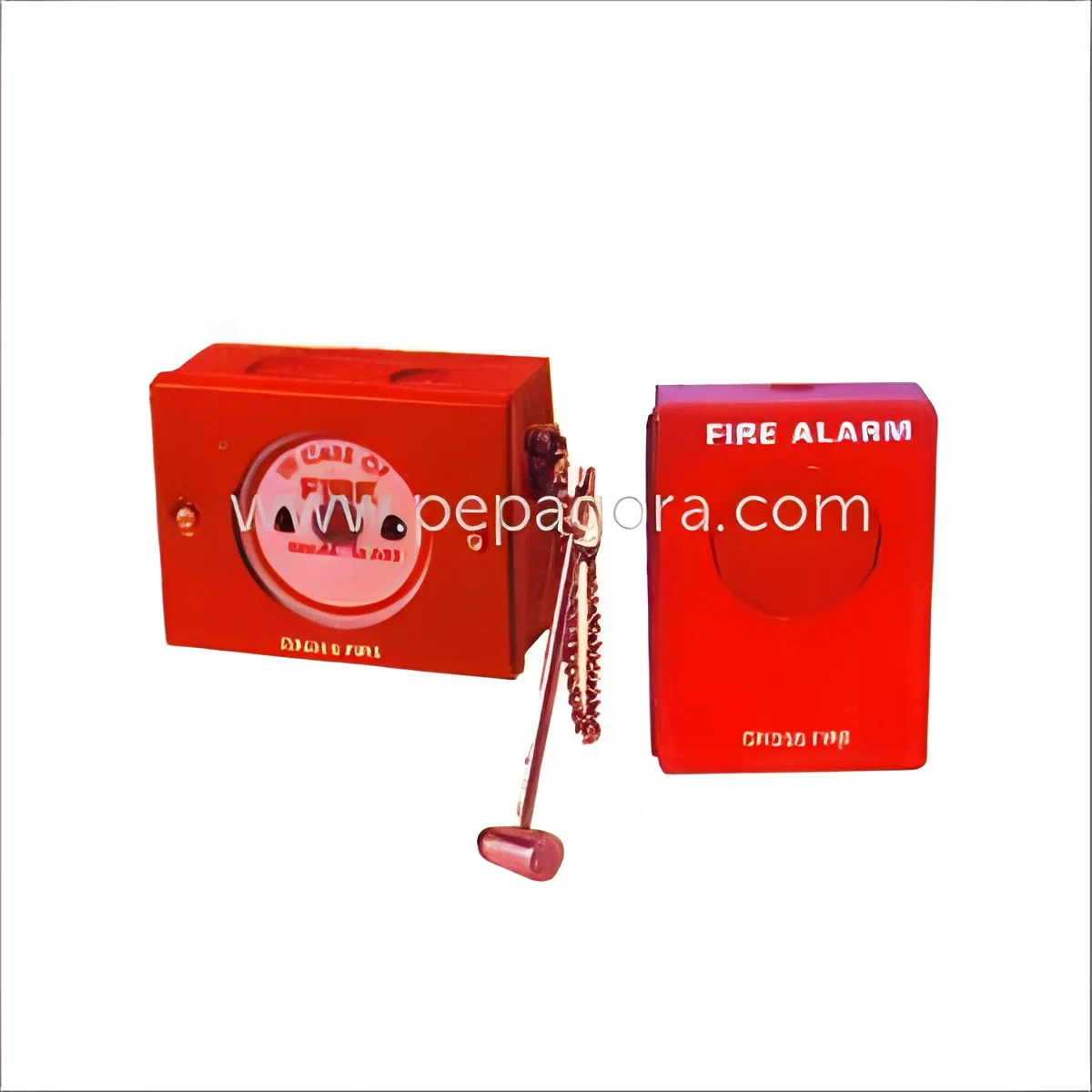
- Devices that allow occupants to manually trigger the alarm.
- Strategically placed for easy access in emergencies.
5. Alarm Sounders
- Audible alerts that notify occupants of a fire.
- Available in varying decibel levels to ensure visibility across different environments.
6. Power Supply
- The system's power source, often featuring battery backups.
- Ensures functionality during power outages.
7. Installation Requirements
- Guidelines for mounting and positioning devices.
- Compliance with local fire safety regulations essential for effective operation.
8. System Maintenance
- Recommendations for regular checks and servicing to ensure reliability.
- Maintenance logs are critical for compliance and safety audits.
In summary, conventional fire alarm systems are characterized by their straightforward functionality and essential components, making them an effective choice for a wide range of applications.
Common Applications and Use Cases
Conventional fire alarm systems are utilized in numerous industries, providing essential fire safety measures.
1. Commercial Buildings: These systems are widely used in offices and retail spaces to protect employees and customers from fire hazards.
2. Industrial Facilities: Factories and warehouses rely on conventional systems to safeguard against potential fire outbreaks caused by machinery or materials.
3. Educational Institutions: Schools and universities implement these systems to ensure the safety of students and staff in case of emergencies.
4. Healthcare Facilities: Hospitals and clinics use conventional fire alarms to protect patients, staff, and sensitive equipment from fire risks.
5. Hospitality Sector: Hotels and restaurants prioritize fire safety for guest protection and regulatory compliance.
6. Residential Buildings: Multi-family housing units often install conventional systems to enhance resident safety.
7. Government Buildings: Public sector offices use these systems to meet safety regulations and protect governmental assets.
Product Variants and Subcategories
Conventional fire alarm systems exhibit a diversity of product variants tailored to specific needs and environments.
Control Panel Variants: Different models are available to accommodate varying numbers of zones, allowing for customization based on facility size and layout.
Detector Types: Options include photoelectric and ionization detectors, enabling businesses to select the most appropriate technology for their specific fire risk profile.
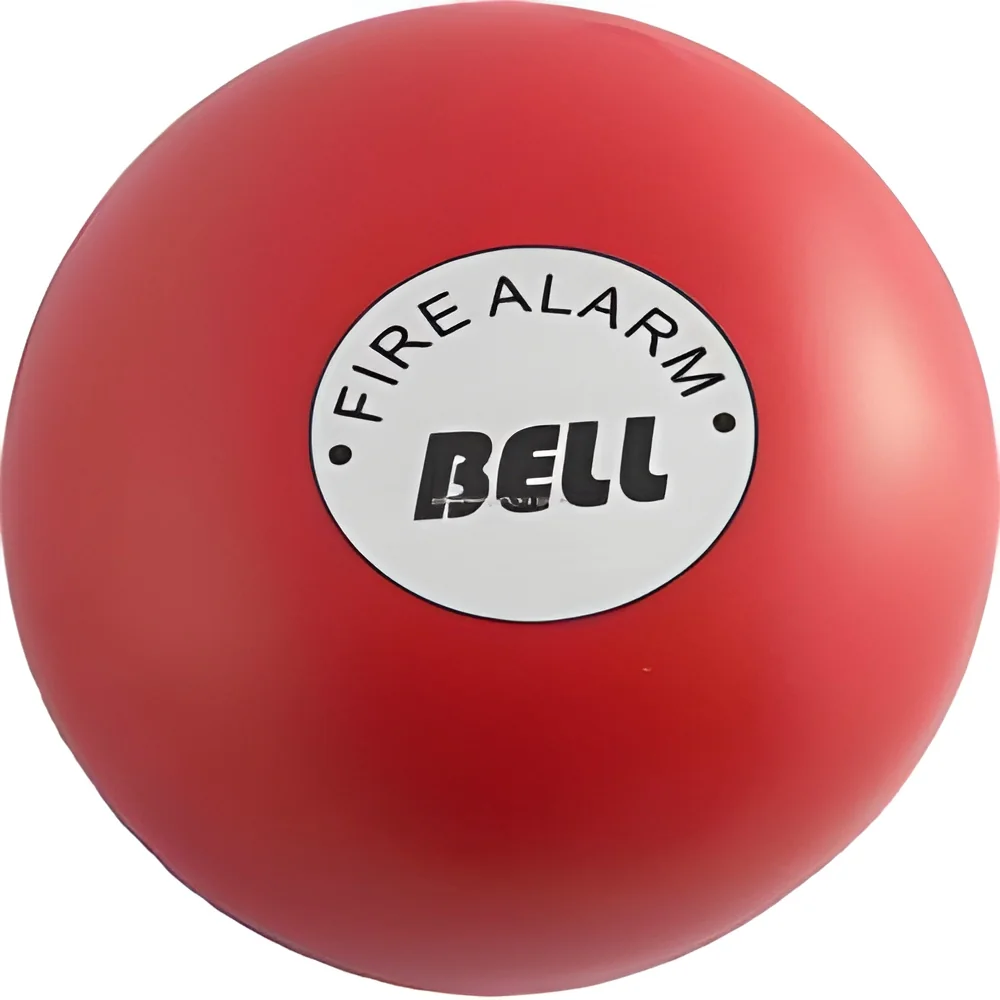
Alarm Notification Devices: Various sounders and visual alarms exist to meet diverse building requirements and ensure effective communication during emergencies.
Benefits and Advantages
Implementing conventional fire alarm systems offers several key benefits for businesses and organizations.
1. Cost-Effectiveness: These systems generally have lower initial costs compared to more advanced fire detection systems, making them accessible for many businesses.
2. Simplicity of Installation: Conventional systems are easier to install, especially in smaller facilities, reducing labor costs and time.
3. Reliable Performance: Their proven technology ensures consistent operation and effective fire detection capabilities.
4. Regulatory Compliance: Conventional fire alarm systems help organizations meet local safety regulations, minimizing legal risks.
5. Easy Maintenance: Routine checks and maintenance are straightforward, ensuring systems remain in functional condition.
6. Improved Safety: By providing early fire detection, these systems enhance overall safety for occupants, reducing potential fire-related injuries.
Buying Guide for B2B Buyers
When sourcing conventional fire alarm systems, businesses should consider several critical factors to ensure they select the right system for their needs.
1. Quality Assessment: Evaluate the quality of components and systems. Look for reputable brands and reviews to ensure reliability and effectiveness.
2. Supplier Verification: Verify suppliers' credentials and track records. Choose suppliers with experience in fire safety products and positive customer feedback.
3. Pricing and MOQ: Consider cost structures and minimum order quantities when evaluating suppliers. Ensure that pricing aligns with budget constraints while meeting quality standards.
4. Delivery and Lead Times: Understand logistics and expected delivery times to avoid delays in installation and compliance.
5. Compliance Requirements: Familiarize yourself with local regulations and standards to ensure the selected system meets all necessary compliance criteria.
Compliance and Certifications
Conventional fire alarm systems must adhere to various quality standards and certifications to ensure safety and reliability. Relevant quality standards include ISO 9001, which outlines requirements for quality management systems, ensuring consistent quality in manufacturing processes.
Additionally, industry certifications such as CE mark indicate compliance with essential health, safety, and environmental protection standards within the European Economic Area.
Safety and testing requirements are critical for ensuring that fire alarm systems function correctly under emergency conditions. Regular testing and certification help to validate system performance.
Regional compliance considerations may vary, necessitating adherence to local fire codes and regulations, which can influence system selection.
Why Source Conventional Fire Alarm Systems from Pepagora?
Pepagora provides a trusted platform for sourcing conventional fire alarm systems, offering numerous advantages to B2B buyers.
Verified Supplier Network: Pepagora connects buyers with a network of verified suppliers, ensuring access to quality products and reliable service.
Streamlined RFQ Process: The platform facilitates a straightforward request for quotation system, allowing buyers to compare offers easily and make informed purchasing decisions.
Trade Assurance and Support: Buyers benefit from trade assurance, which provides protection during transactions and fosters trust between suppliers and customers.
Regional Coverage: With a focus on India, GCC, and Southeast Asia, Pepagora offers extensive regional coverage, catering to the diverse needs of businesses in these markets.

 IN
IN

 India
India