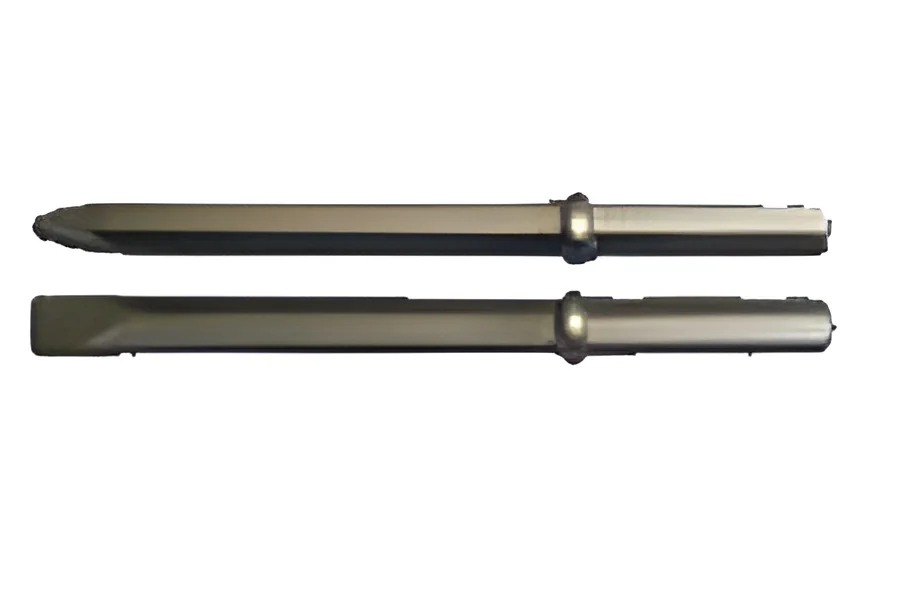
𝗪𝗵𝗮𝘁 𝗮𝗿𝗲 𝗖𝗼𝗹𝗱 𝗖𝗵𝗶𝘀𝗲𝗹𝘀?
Cold chisels are hand tools designed for cutting and shaping hard materials such as metal, stone, and concrete. Made from high-carbon steel, these chisels are engineered to withstand the impact of hammer strikes while maintaining their sharp edges. The specific design and hardness of cold chisels make them ideal for tasks that require precision and control, allowing users to perform detailed work.
The primary applications of cold chisels include metalworking, masonry, and construction. They are commonly used to cut, notch, or chip away material, making them essential for tasks such as removing rivets, shaping metal sheets, and cutting bricks. In various industries, cold chisels play a vital role in maintenance, repair, and fabrication work, contributing significantly to the efficiency and quality of projects.
In today's market, cold chisels are relevant across multiple sectors, including manufacturing, construction, and automotive industries. Their durability and versatility make them a preferred choice for professionals who need reliable tools to complete demanding tasks. As the demand for high-quality tools continues to rise, manufacturers are focusing on innovation and performance to meet the needs of various trades.
𝗞𝗲𝘆 𝗙𝗲𝗮𝘁𝘂𝗿𝗲𝘀 𝗮𝗻𝗱 𝗦𝗽𝗲𝗰𝗶𝗳𝗶𝗰𝗮𝘁𝗶𝗼𝗻𝘀
Cold chisels come with several key features that enhance their performance and usability. Understanding these specifications will help buyers select the right tools for their applications.
Key specifications include:
1. Material Quality
- Cold chisels are typically made from high-carbon steel, which offers excellent hardness and durability.
- They are heat-treated to improve strength and resistance to wear.
2. Blade Width
- The width of the blade varies, allowing for different cutting capacities.
- Common sizes range from 1/2 inch to 1 inch, depending on the intended use.
3. Length
- Cold chisels come in various lengths, generally from 6 inches to 12 inches.
- Longer chisels provide better leverage for heavy-duty applications.
4. Tip Shape
- The tip can be flat, pointed, or shaped for specific tasks.
- Flat tips are ideal for cutting, while pointed tips are suitable for precision work.
5. Handle Design
- Many cold chisels feature ergonomic handles for comfortable grip.
- Some models may have protective coatings to enhance grip and reduce slippage.
6. Heat Treatment
- Chisels undergo specific heat treatment processes to achieve optimal hardness.
- Proper heat treatment increases durability and extends the tool's lifespan.
7. Surface Finish
- Chisels may have a polished or coated finish to reduce friction and improve performance.
- Surface treatments can also prevent rust and corrosion.
8. Certification
- Many cold chisels comply with safety and quality certifications like CE.
- Compliance ensures the tools meet industry standards for performance and safety.
In summary, selecting cold chisels with the right specifications is crucial for ensuring efficiency and effectiveness in various applications. Understanding these features will guide buyers in making informed decisions.
𝗖𝗼𝗺𝗺𝗼𝗻 𝗔𝗽𝗽𝗹𝗶𝗰𝗮𝘁𝗶𝗼𝗻𝘀 𝗮𝗻𝗱 𝗨𝘀𝗲 𝗖𝗮𝘀𝗲𝘀
Cold chisels are utilized in numerous industries, each having unique applications that highlight the tool's versatility.
1. Metalworking: In metal fabrication, cold chisels are used for cutting and shaping metal pieces, including sheet metal and rods. They are essential for tasks like removing rivets and creating notches.
2. Construction: Cold chisels are widely employed in masonry for cutting bricks and stones. They are invaluable for creating precise edges and fitting blocks together.
3. Automotive: In automotive repair, cold chisels assist in removing rusted components and cutting through metal parts. Technicians rely on these tools for efficient repairs.
4. Woodworking: Though less common, cold chisels can also be used in woodworking for detailed carving and shaping. They allow woodworkers to achieve intricate designs.
5. Plumbing: Cold chisels are beneficial in plumbing applications for breaking through walls to access pipes or cutting through metal fixtures.
6. Sculpting: Artists and sculptors often use cold chisels to carve stone and metal sculptures, relying on their precision for intricate designs.
7. Maintenance: In facility maintenance, cold chisels are used for a variety of tasks, such as removing old materials and preparing surfaces for new installations.
𝗣𝗿𝗼𝗱𝘂𝗰𝘁 𝗩𝗮𝗿𝗶𝗮𝗻𝘁𝘀 𝗮𝗻𝗱 𝗦𝘂𝗯𝗰𝗮𝘁𝗲𝗴𝗼𝗿𝗶𝗲𝘀
Cold chisels come in various forms, each tailored for specific applications within different industries.
Flat Chisel
The flat chisel is one of the most common variants, designed for general cutting and shaping tasks. Its wide, flat blade allows for efficient material removal, making it ideal for tasks in metalworking and masonry.
Pointed Chisel
The pointed chisel features a tapered end, making it perfect for precision work. It is often used in applications that require careful cutting or detailing, such as in automotive repairs or artistic sculpting.
Cold Chisel Set
A set of cold chisels typically includes multiple sizes and shapes, providing versatility for various tasks. These sets are ideal for professionals who need different chisels for different applications.
𝗕𝗲𝗻𝗲𝗳𝗶𝘁𝘀 𝗮𝗻𝗱 𝗔𝗱𝘃𝗮𝗻𝘁𝗮𝗴𝗲𝘀
Cold chisels offer numerous benefits that make them essential tools in various industries.
1. Durability: Made from high-carbon steel, cold chisels are built to withstand heavy use and resist wear, ensuring long-lasting performance.
2. Precision: The design of cold chisels allows for accurate cutting and shaping, making them ideal for detailed work in metal and masonry.
3. Versatility: With various tip shapes and sizes available, cold chisels can be used in multiple applications across different industries.
4. Cost-Effectiveness: Investing in high-quality cold chisels can lead to lower replacement costs over time due to their durability.
5. Ergonomic Design: Many cold chisels feature handles designed for comfort, reducing fatigue during prolonged use.
6. Wide Availability: Cold chisels are readily available from various suppliers, making it easy for businesses to source them as needed.
𝗕𝘂𝘆𝗶𝗻𝗴 𝗚𝘂𝗶𝗱𝗲 𝗳𝗼𝗿 𝗕𝟮𝗕 𝗕𝘂𝘆𝗲𝗿𝘀
When sourcing cold chisels, several factors should be considered to ensure you select the right tools for your needs.
1. Quality Assessment: Look for chisels made from high-carbon steel, as this material offers the best performance. Check for heat treatment processes that enhance durability and hardness.
2. Supplier Verification: Vet suppliers by checking reviews, asking for references, and confirming their compliance with industry standards. A reputable supplier will provide documentation of quality assurance.
3. Pricing and MOQ: Understand the pricing structure and minimum order quantities (MOQ). Compare prices among suppliers to ensure you get the best value for your investment.
4. Delivery and Lead Times: Inquire about delivery schedules and lead times. Timely delivery is crucial for maintaining project timelines.
5. Compliance Requirements: Ensure that the chisels meet relevant safety and quality standards. Check for certifications like CE to confirm compliance with industry regulations.
𝗖𝗼𝗺𝗽𝗹𝗶𝗮𝗻𝗰𝗲 𝗮𝗻𝗱 𝗖𝗲𝗿𝘁𝗶𝗳𝗶𝗰𝗮𝘁𝗶𝗼𝗻𝘀
Cold chisels must adhere to various compliance and certification standards to ensure their safety and effectiveness in industrial applications.
Relevant quality standards include ISO 9001, which outlines requirements for quality management systems. This certification assures buyers that the products meet consistent quality benchmarks throughout the manufacturing process.
Additionally, many cold chisels carry the CE certification, indicating that they comply with European safety, health, and environmental protection standards. This certification is essential for tools used in industries that prioritize worker safety.
Safety and testing requirements are also crucial for cold chisels. Manufacturers must conduct rigorous testing to ensure that their products can withstand the demands of industrial use without compromising safety.
Regional compliance considerations vary by market, with different regions imposing specific regulations on tool manufacturing and performance. It is vital for buyers to familiarize themselves with these regional standards to ensure they are sourcing compliant products.
𝗪𝗵𝘆 𝗦𝗼𝘂𝗿𝗰𝗲 𝗖𝗼𝗹𝗱 𝗖𝗵𝗶𝘀𝗲𝗹𝘀 𝗳𝗿𝗼𝗺 𝗣𝗲𝗽𝗮𝗴𝗼𝗿𝗮?
Pepagora provides a trusted platform for sourcing cold chisels, offering several key advantages that cater to B2B buyers.
Verified Supplier Network: Pepagora connects buyers with a network of verified suppliers. Each supplier undergoes a thorough vetting process to ensure they meet industry standards and provide high-quality products.
Streamlined RFQ Process: The platform features a streamlined Request for Quotation (RFQ) process that simplifies the sourcing experience. Buyers can easily request quotes from multiple suppliers, facilitating informed decision-making.
Trade Assurance and Support: Pepagora offers trade assurance and support to protect buyers throughout the sourcing process. This includes assistance with negotiations and ensuring that orders are fulfilled as agreed.
Regional Coverage: With a geographic reach that includes India, the GCC, and Southeast Asia, Pepagora ensures that buyers can access a wide range of cold chisels tailored to their specific needs and regional requirements. This extensive coverage makes it easier for businesses to find suitable tools for their operations.

 IN
IN