What are Coffee Makers (Espresso, Drip, French Press)?
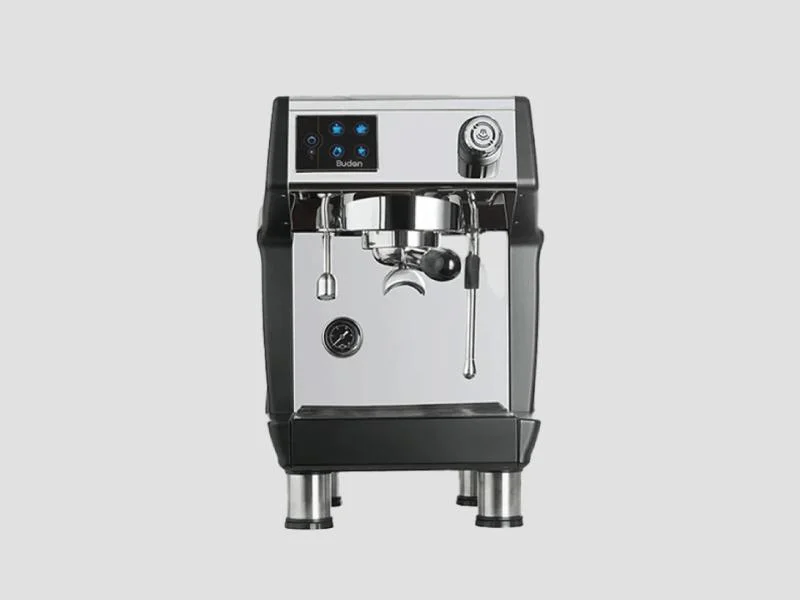
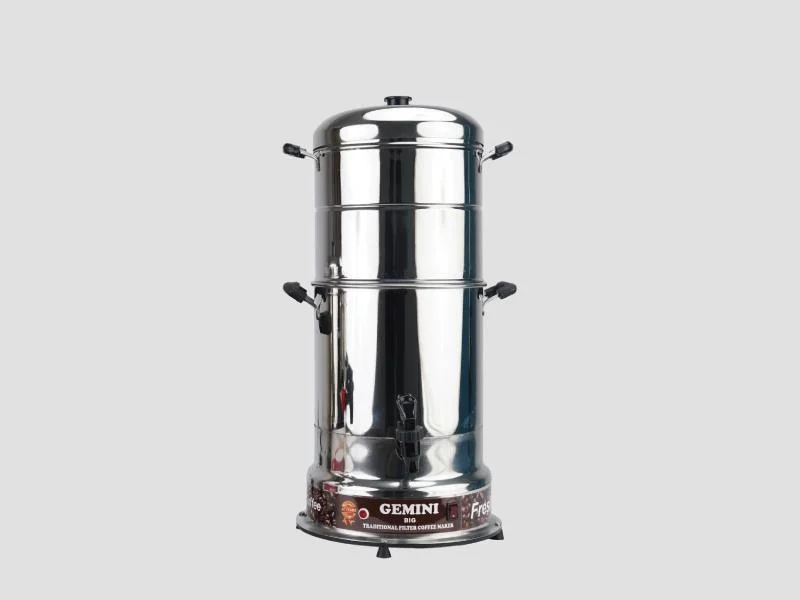
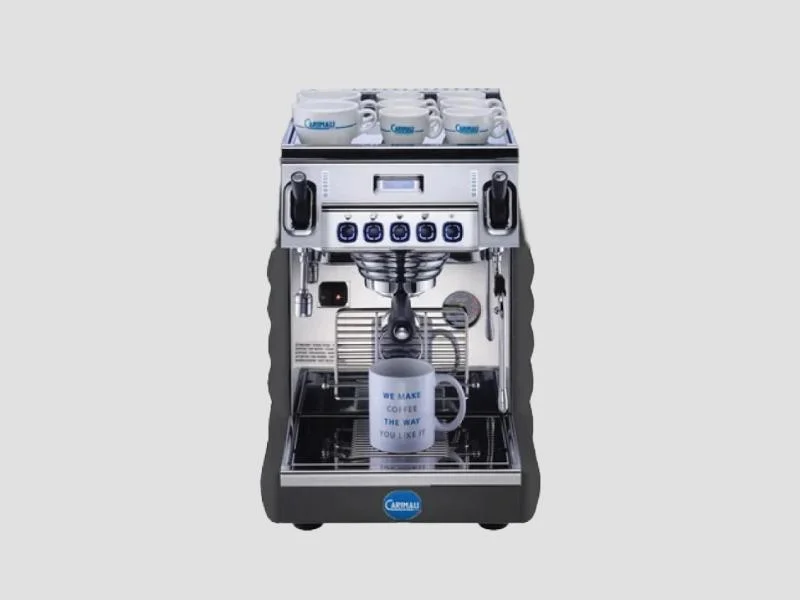
Coffee makers are appliances designed for brewing coffee through various methods, including espresso machines, drip coffee makers, and French presses. Each type has its unique brewing process and flavor profile, allowing coffee enthusiasts to enjoy a diverse range of coffee experiences. Espresso machines force hot water through finely-ground coffee, creating a concentrated coffee shot. Drip coffee makers use a simple process where water is heated and dripped over ground coffee, while French presses steep coffee grounds in hot water before pressing down a mesh plunger.
These coffee makers are primarily used in commercial settings, including cafes, restaurants, and offices, where the demand for quality coffee is high. They are essential for meeting customer expectations in taste and presentation. Businesses can leverage the versatility of these machines to cater to varying preferences, from a quick cup of drip coffee to an artisanal espresso. The coffee maker market is competitive, with many brands offering advanced features to enhance user experience and efficiency.
𝗞𝗲𝘆 𝗙𝗲𝗮𝘁𝘂𝗿𝗲𝘀 𝗮𝗻𝗱 𝗦𝗽𝗲𝗰𝗶𝗳𝗶𝗰𝗮𝘁𝗶𝗼𝗻𝘀
When considering coffee makers, it's essential to understand their features and specifications. Key specifications can significantly influence the choice of equipment based on business needs.
Key specifications include:
1. Brewing Capacity
- This specification indicates how much coffee can be brewed at once.
- Capacities typically range from single-serve to 12 cups or more.
2. Brewing Time
- This refers to how long it takes to brew coffee.
- Brewing times can vary from a few minutes for drip makers to around 30 seconds for espresso machines.
3. Temperature Control
- This feature allows for precise heating of water to optimal brewing temperatures.
- Ideal brewing temperatures are generally between 195°F to 205°F.
4. Material Quality
- The materials used can affect durability and taste.
- Stainless steel and glass are common materials that enhance performance.
5. Ease of Cleaning
- Some models come with removable components for easier cleaning.
- Features like self-cleaning modes can save time and effort.
6. Programmable Settings
- These settings allow users to schedule brewing times.
- Many modern machines offer digital controls and customizable options.
7. Power Consumption
- This specification indicates the energy efficiency of the machine.
- Typical power consumption ranges from 800 to 1500 watts.
8. Safety Features
- Includes features like auto shut-off and insulated surfaces.
- Safety features help prevent accidents in busy environments.
In summary, understanding these specifications is crucial for selecting the right coffee maker that meets both operational needs and quality standards.
𝗖𝗼𝗺𝗺𝗼𝗻 𝗔𝗽𝗽𝗹𝗶𝗰𝗮𝘁𝗶𝗼𝗻𝘀 𝗮𝗻𝗱 𝗨𝘀𝗲 𝗖𝗮𝘀𝗲𝘀
Coffee makers serve various industries, each with specific applications designed to enhance customer experience and operational efficiency.
1. Cafes: These establishments rely on high-quality espresso machines to produce signature drinks, catering to coffee aficionados looking for a rich, flavorful experience.
2. Restaurants: Many restaurants use drip coffee makers to offer diners a comforting finish to their meals, often featuring house blends or specialty coffees.
3. Offices: Coffee makers in corporate environments provide employees with quick access to fresh coffee, promoting productivity and workplace satisfaction.
4. Hotels: Many hotels offer coffee makers in guest rooms or dining areas, contributing to guest comfort and convenience during their stay.
5. Catering Services: Mobile coffee solutions, like portable espresso machines, are essential for catering events, ensuring quality coffee is available on-site.
6. Coffee Shops: Specialty coffee shops often feature a range of coffee makers to experiment with different brewing techniques, attracting a diverse clientele.
7. Retail: Retailers selling coffee products often use coffee makers for demonstrations, enhancing customer engagement and promoting sales.
𝗣𝗿𝗼𝗱𝘂𝗰𝘁 𝗩𝗮𝗿𝗶𝗮𝗻𝘁𝘀 𝗮𝗻𝗱 𝗦𝘂𝗯𝗰𝗮𝘁𝗲𝗴𝗼𝗿𝗶𝗲𝘀
The coffee maker market is diverse, with various models tailored for specific brewing preferences and applications.
Espresso Machines
These machines are designed to produce rich, concentrated coffee shots by forcing hot water through finely-ground coffee. They are ideal for cafes and restaurants that want to offer high-quality espresso-based drinks.
Drip Coffee Makers
These are the most common type of coffee maker, known for their simplicity and efficiency. They are suitable for offices and homes, allowing users to brew multiple cups at a time with minimal effort.
French Press
This method involves steeping ground coffee in hot water and then using a plunger to separate the grounds. French presses are popular for their ability to produce a full-bodied cup of coffee and are often used in cafes that emphasize artisanal brewing.
𝗕𝗲𝗻𝗲𝗳𝗶𝘁𝘀 𝗮𝗻𝗱 𝗔𝗱𝘃𝗮𝗻𝘁𝗮𝗴𝗲𝘀
Coffee makers offer numerous benefits that can enhance both customer satisfaction and operational efficiency.
1. Quality Coffee: High-quality coffee makers ensure a consistent brew, providing customers with a reliable taste experience.
2. Variety of Brews: Different types of coffee makers allow businesses to offer a wide range of coffee styles, appealing to diverse customer preferences.
3. Time Efficiency: Modern coffee makers often feature programmable settings, enabling quick brewing and minimizing wait times for customers.
4. Cost-Effective: Investing in quality coffee makers can lead to savings on coffee costs and reduce the need for outsourcing coffee services.
5. Enhanced Customer Experience: Offering quality coffee can improve customer satisfaction, leading to repeat business and favorable reviews.
6. Improved Staff Productivity: Providing employees with easy access to coffee helps maintain energy levels and productivity in the workplace.
𝗕𝘂𝘆𝗶𝗻𝗴 𝗚𝘂𝗶𝗱𝗲 𝗳𝗼𝗿 𝗕𝟮𝗕 𝗕𝘂𝘆𝗲𝗿𝘀
When sourcing coffee makers, businesses should consider several critical factors to ensure they make informed decisions.
1. Quality Assessment: Evaluating the quality of materials and construction is essential. Look for reputable brands known for durability and performance.
2. Supplier Verification: Vetting suppliers for reliability and service standards helps ensure that you receive consistent quality and support.
3. Pricing and MOQ: Understanding pricing structures and minimum order quantities is crucial for budgeting and ensuring that the investment aligns with operational needs.
4. Delivery and Lead Times: Consider logistics and lead times to ensure timely delivery, especially in industries where coffee supply is critical.
5. Compliance Requirements: Verify that the coffee makers meet relevant safety and quality standards, including certifications like CE, to ensure compliance with regulations.
𝗖𝗼𝗺𝗽𝗹𝗶𝗮𝗻𝗰𝗲 𝗮𝗻𝗱 𝗖𝗲𝗿𝘁𝗶𝗳𝗶𝗰𝗮𝘁𝗶𝗼𝗻𝘀
Coffee makers must adhere to various quality standards and certifications to ensure safety and reliability in commercial settings.
Relevant quality standards include ISO 9001, which focuses on quality management systems, ensuring that manufacturers maintain high production standards. HACCP (Hazard Analysis Critical Control Point) is another critical standard, particularly for food safety, ensuring that coffee makers do not pose health risks.
Certification like CE indicates that the products comply with European safety requirements, making them suitable for markets within the European Union.
Safety and testing requirements involve thorough evaluations to ensure that coffee makers operate efficiently without posing hazards.
Regional compliance considerations may vary, so it is essential for businesses to understand local regulations regarding food safety and equipment standards.
Why Source Coffee Makers (Espresso, Drip, French Press) from Pepagora?
Pepagora offers a trusted platform for sourcing coffee makers, providing several key advantages to B2B buyers.
Verified Supplier Network: Pepagora features a comprehensive network of verified suppliers, ensuring that businesses can source quality coffee makers with confidence. The verification process includes assessing supplier credentials and product quality.
Streamlined RFQ Process: The platform simplifies the request for quotation (RFQ) process, allowing buyers to receive competitive quotes from multiple suppliers quickly. This efficiency helps businesses make informed purchasing decisions.
Trade Assurance and Support: Buyers benefit from trade assurance measures that protect their investments. Pepagora offers support throughout the buying process, addressing any concerns that may arise.
Regional Coverage: With a geographic reach extending across India, the GCC, and Southeast Asia, Pepagora connects buyers with local and international suppliers, enhancing accessibility to quality coffee makers.
By leveraging these advantages, businesses can efficiently source high-quality coffee makers that meet their operational needs.

 IN
IN