
 IN
Claw Hammers & Club Hammers
1 products available
What are Claw Hammers & Club Hammers?
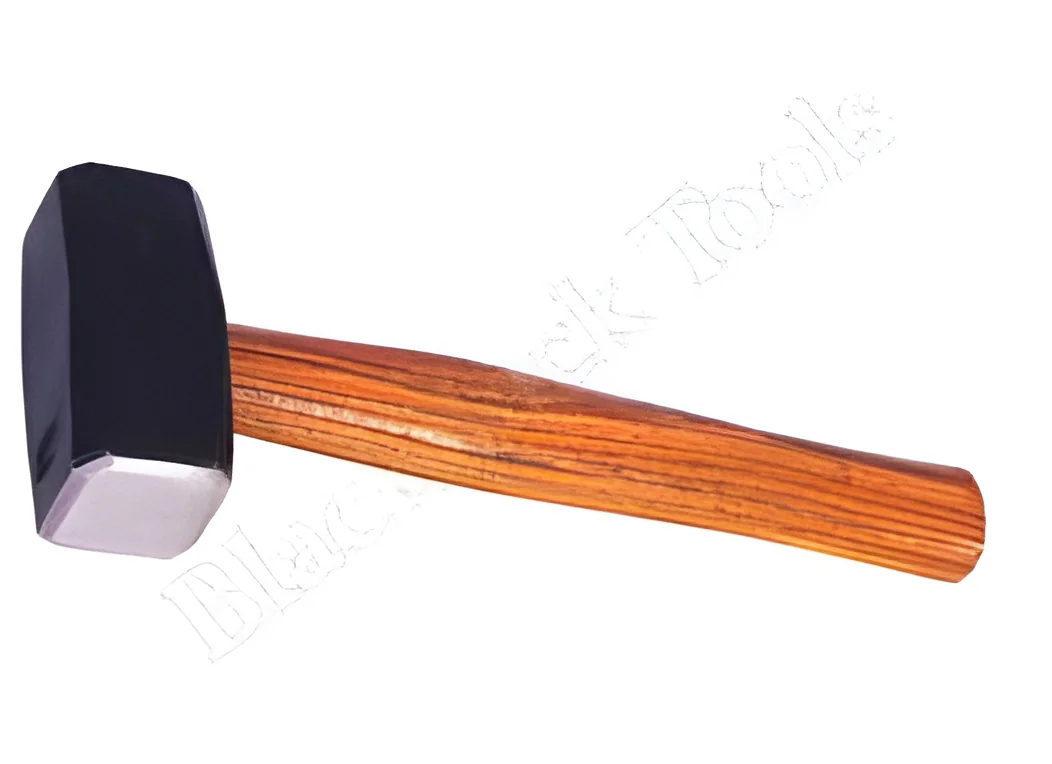
Claw hammers and club hammers are essential hand tools widely used in various industries for driving nails and striking objects. A claw hammer features a dual-ended design: one side has a flat face for hammering, while the other has a curved claw for pulling out nails. In contrast, a club hammer, also known as a lump hammer, is heavier and has a solid head, designed primarily for delivering forceful strikes to break or drive objects.
These tools serve multiple applications across construction, manufacturing, and maintenance sectors. Claw hammers are often utilized in woodworking, framing, and general repairs, making them indispensable for carpenters and DIY enthusiasts. Club hammers are more suited for tasks requiring greater impact, such as driving chisels or breaking masonry, making them vital for stonemasons and metalworkers. Their versatility and durability ensure that they remain relevant in today's market, catering to both professionals and hobbyists alike.
Key Features and Specifications
Claw hammers and club hammers come equipped with various features tailored to meet the needs of different applications. Understanding these specifications helps buyers choose the right tool for their specific tasks.
Key specifications include:
1. Head Material
- Typically made from forged steel or carbon steel
- Provides durability and resistance to wear
2. Handle Material
- Commonly constructed from wood, fiberglass, or steel
- Each material offers unique benefits such as shock absorption or enhanced grip
3. Head Weight
- Available in various weights, typically ranging from 16 oz to 32 oz
- Heavier hammers deliver more impact for demanding applications
4. Claw Design (for claw hammers)
- Curved or straight claw options available
- Curved claws are ideal for nail removal, while straight claws are for prying
5. Handle Length
- Ranges from 12 inches to 16 inches
- Longer handles provide additional leverage for greater striking force
6. Grip Type
- May feature rubberized or textured grips
- Enhances comfort and control during use
7. Certification
- Many models are CE certified
- Ensures compliance with safety standards
In summary, understanding the key features and specifications of claw hammers and club hammers is crucial for making informed purchasing decisions. Buyers should consider the material, weight, and handle design to select the best tool for their needs.
Common Applications and Use Cases
Claw hammers and club hammers are utilized across a variety of industries, demonstrating their versatility and essential function.
1. Construction: In the construction industry, claw hammers are commonly used for framing and assembling structures. They are essential for driving nails into wood and removing them when needed.
2. Carpentry: Carpenters rely on claw hammers for detailed work, such as cabinetry and furniture making. The precision and control offered by these hammers make them ideal for fine woodworking tasks.
3. Metalworking: Club hammers are frequently used in metalworking for driving chisels and shaping metal. Their heavy weight allows for powerful strikes that are essential in this field.
4. Masonry: In masonry, club hammers are effective for breaking stone and driving masonry tools into harder materials. Their robust design makes them suitable for tough jobs.
5. DIY Projects: Home improvement enthusiasts often use claw hammers for various tasks, from hanging pictures to assembling furniture. Their accessibility and ease of use make them a staple in many households.
6. Automotive Repair: In automotive repair, club hammers can be used to remove stubborn parts or reshape metal components. Their impact power is beneficial in this setting.
7. Landscaping: Landscapers may use both types of hammers for tasks like installing fence posts or breaking up hard soil, showcasing their functionality beyond traditional uses.
Product Variants and Subcategories
Claw hammers and club hammers come in various styles to cater to different user preferences and applications.
Claw Hammer Variants
Claw hammers can be found in several variants, including those with different head weights and handle materials. For example, a 16 oz claw hammer is suitable for general use, while a heavier 20 oz version is ideal for more demanding tasks. Fiberglass handles are gaining popularity due to their shock-absorbing qualities.
Club Hammer Variants
Club hammers also have variants based on weight and size. Lighter club hammers are ideal for precision work, while heavier models are designed for heavy-duty applications. These variations allow users to select a hammer that meets their specific needs, whether for professional or home use.
Benefits and Advantages
Investing in quality claw hammers and club hammers provides several benefits to professionals and businesses alike.
1. Durability: High-quality materials ensure longevity, reducing the need for frequent replacements and saving costs in the long run.
2. Precision: Claw hammers offer precise striking capabilities, making them suitable for detailed work, while club hammers provide the necessary force for tougher jobs.
3. Versatility: Both types of hammers can be used across various industries and applications, making them essential tools in any toolkit.
4. Comfort: Ergonomically designed handles provide better grip and reduce hand fatigue, enhancing user experience during extended use.
5. Safety: CE certification and adherence to safety standards ensure that these hammers are reliable and safe for use in different environments.
6. Cost-Effectiveness: Quality hammers offer great value, combining performance with a reasonable price point, making them accessible for businesses of all sizes.
Buying Guide for B2B Buyers
When sourcing claw hammers and club hammers for your business, several key factors should be considered.
1. Quality Assessment: Evaluate the materials used in the hammer's construction, ensuring they meet industry standards. Look for hammers that are forged from high-quality steel for durability.
2. Supplier Verification: Vet suppliers to ensure they have a good reputation and provide reliable products. Check reviews and ratings from other businesses to gauge their reliability.
3. Pricing and MOQ: Compare pricing across different suppliers, keeping in mind the minimum order quantity (MOQ). Ensure that the costs align with your budget while maintaining quality.
4. Delivery and Lead Times: Inquire about the delivery times and logistics involved in getting the products to your location. Reliable delivery is crucial for maintaining your operations.
5. Compliance Requirements: Ensure that the hammers you purchase comply with relevant safety regulations and standards. This includes checking for certifications like CE to guarantee quality and safety.
Compliance and Certifications
Compliance and certifications are critical aspects of sourcing claw hammers and club hammers for industrial applications.
Many tools in the market adhere to quality standards such as ISO 9001, which ensures a consistent level of quality in manufacturing processes. This certification is vital for buyers looking for reliable tools that will perform well over time.
Additionally, industry certifications like CE indicate compliance with European safety standards. Tools bearing the CE mark have been tested and meet specific safety requirements, providing assurance to buyers.
Safety and testing requirements must also be considered, as tools should be rigorously tested for performance and safety before reaching the market. Buyers should inquire about these testing protocols to ensure that the tools they purchase will not compromise safety.
Regional compliance considerations may vary based on location. Buyers must familiarize themselves with local regulations and standards to ensure compliance during procurement.
Why Source Claw Hammers & Club Hammers from Pepagora?
Pepagora stands out as a trusted platform for sourcing claw hammers and club hammers, providing several key advantages.
Verified Supplier Network: Pepagora offers a network of verified suppliers, ensuring that businesses can find reliable manufacturers and distributors. This verification process reduces the risk of purchasing subpar products.
Streamlined RFQ Process: The Request for Quotation (RFQ) system simplifies the sourcing process, allowing buyers to quickly receive competitive quotes from multiple suppliers. This efficiency helps businesses make informed decisions without delay.
Trade Assurance and Support: Pepagora provides trade assurance and support, protecting buyers throughout the purchasing process. This includes assistance with disputes and ensuring that transactions are secure.
Regional Coverage: With a strong presence in India, the GCC, and Southeast Asia, Pepagora offers extensive regional coverage. This geographical reach allows businesses to source tools locally, enhancing convenience and reducing shipping times.
In conclusion, sourcing claw hammers and club hammers from Pepagora ensures that businesses receive quality products backed by a reliable network, streamlined processes, and comprehensive support.

Frequently Asked Questions
What are Claw Hammers & Club Hammers?
Claw hammers are hand tools used primarily for driving nails and pulling them out. They feature a flat striking surface on one side and a claw on the other for nail removal. Club hammers, on the other hand, are heavier and designed for striking chisels, driving stakes, or breaking objects.
What are the different types of Claw Hammers & Club Hammers?
Claw hammers come in various types, including rip claw hammers, which have a straight claw for pulling nails, and curved claw hammers, which are more versatile. Club hammers typically vary by weight and handle material, with options like fiberglass, steel, and wood handles.
How do I choose the right Claw Hammers & Club Hammers?
To select the right claw or club hammer, consider the intended use, weight, and handle material. For general purposes, a standard curved claw hammer weighing around 16 ounces is suitable, while heavier club hammers are ideal for more strenuous tasks like demolition.
What are the standard specifications for Claw Hammers & Club Hammers?
Standard specifications for claw hammers include weight, typically ranging from 12 to 20 ounces, and handle length, which can vary from 12 to 16 inches. Club hammers usually have weights ranging from 1 to 4 pounds, with a variety of handle lengths and materials.
What is the price range for Claw Hammers & Club Hammers?
The price range for claw hammers typically starts around INR 200 and can go up to INR 1,500 depending on the brand and features. Club hammers generally range from INR 300 to INR 2,500, influenced by the weight and material quality.
What quality standards apply to Claw Hammers & Club Hammers?
Quality standards for claw and club hammers often include material durability, handle comfort, and overall construction integrity. Tools should ideally meet industry certifications such as ISI standards in India, ensuring safety and reliability.
Where can I find Claw Hammers & Club Hammers suppliers in India?
You can find claw hammers and club hammers suppliers in India by searching online B2B marketplaces like Pepagora.com. Additionally, local hardware stores and tool manufacturers often stock these tools and can provide bulk purchase options.
Can Claw Hammers & Club Hammers be customized?
Yes, claw hammers and club hammers can be customized based on specific requirements such as weight, handle material, and branding options. Many manufacturers offer customization services to meet the needs of businesses.
What is the typical minimum order quantity for Claw Hammers & Club Hammers?
The typical minimum order quantity (MOQ) for claw hammers and club hammers can vary by supplier but often ranges from 50 to 100 units. It's advisable to confirm the MOQ with the supplier before placing an order.
What is the typical lead time for Claw Hammers & Club Hammers?
The typical lead time for claw hammers and club hammers is usually between 1 to 4 weeks, depending on the supplier's inventory and customization requirements. It's best to discuss lead times with suppliers when placing an order.
Why Businesses Trust Pepagora
Thousands of companies trust Pepagora to source smarter and sell faster
Expand Your Sales Globally

Source Smarter,Grow Faster
