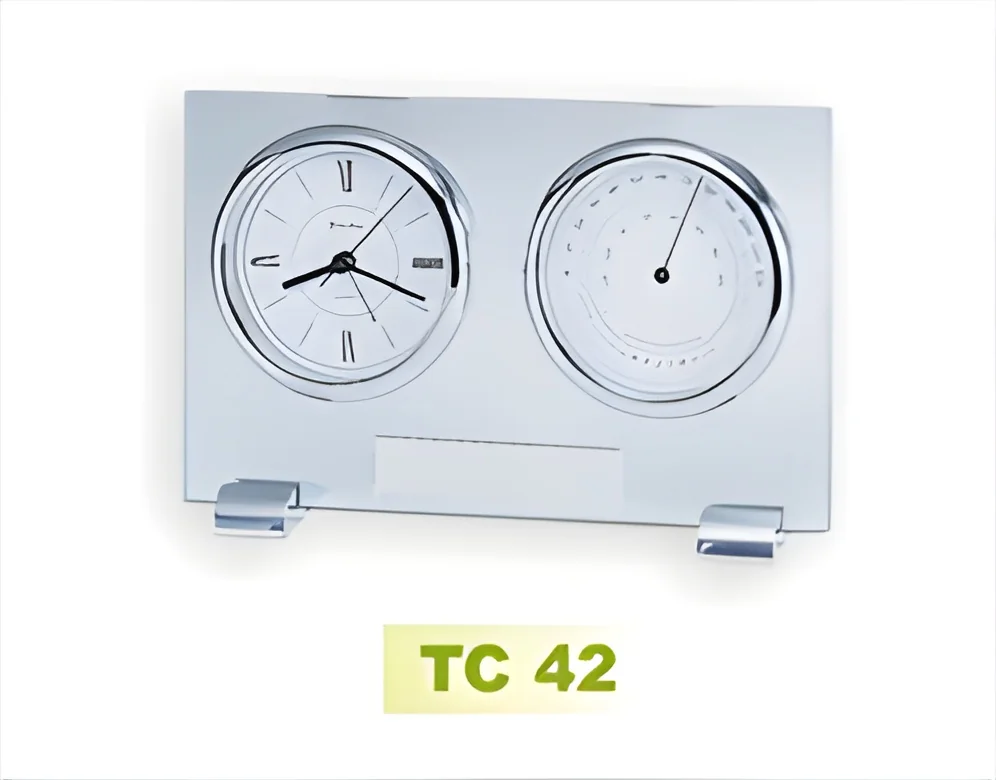
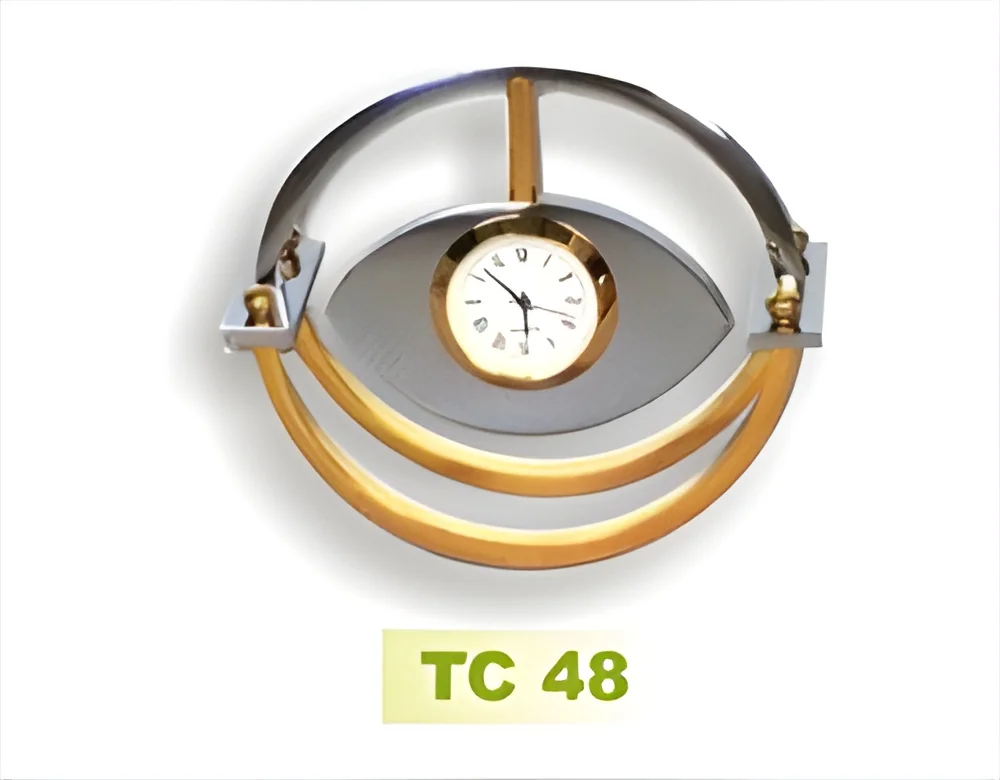
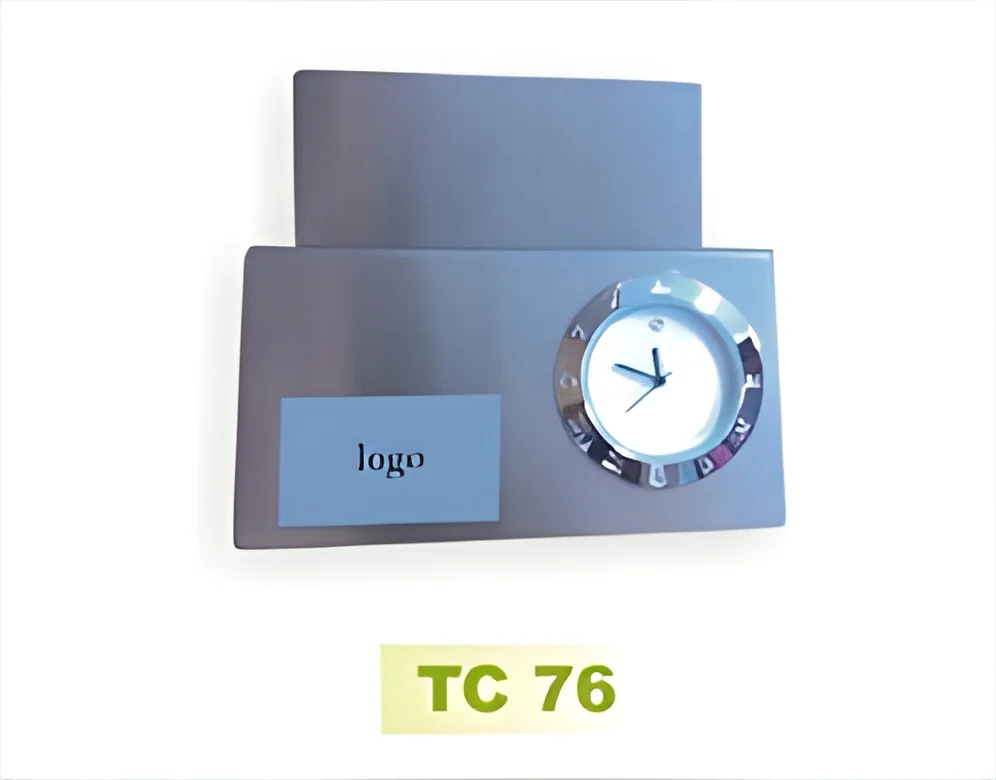
What are Calendars & Table Clocks?
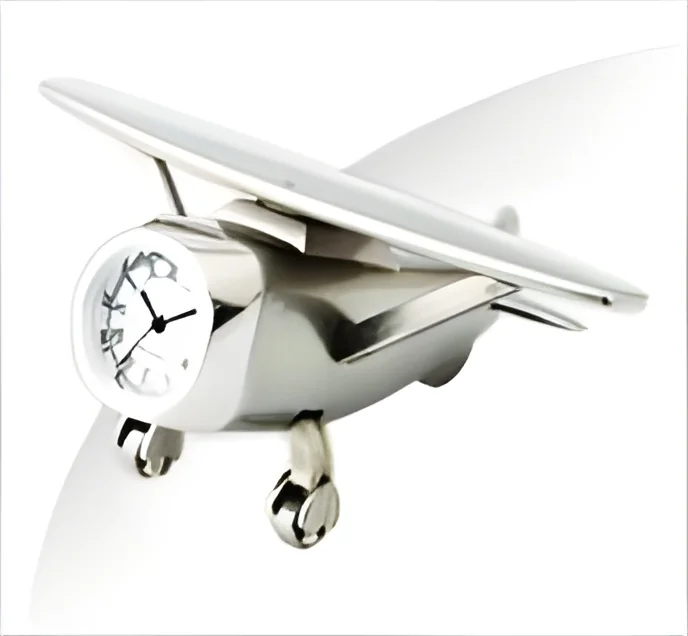
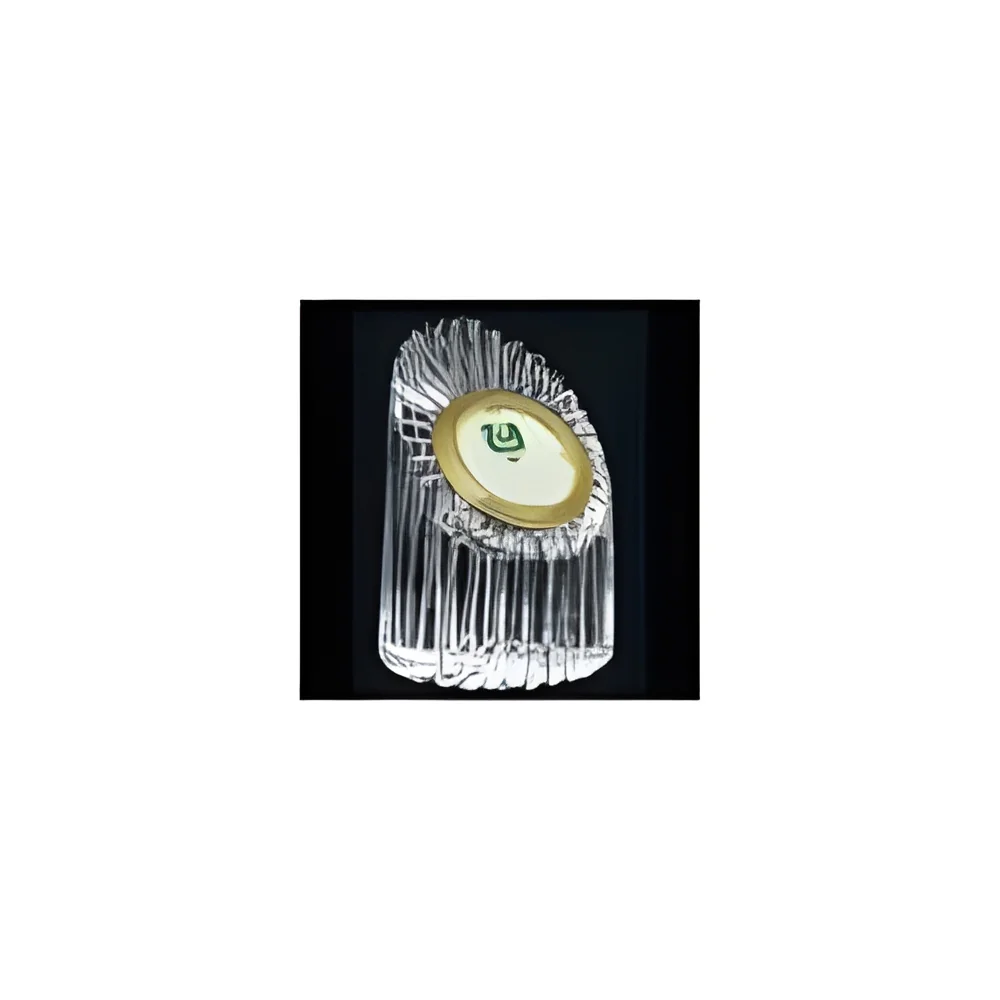
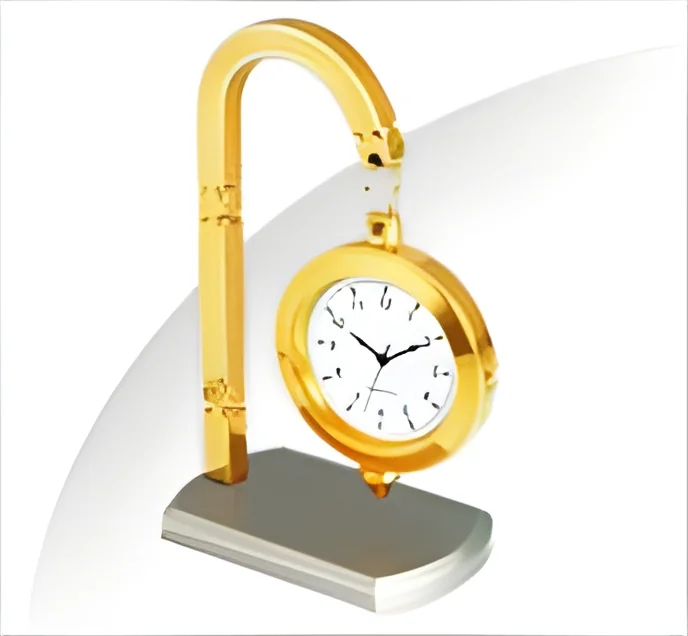
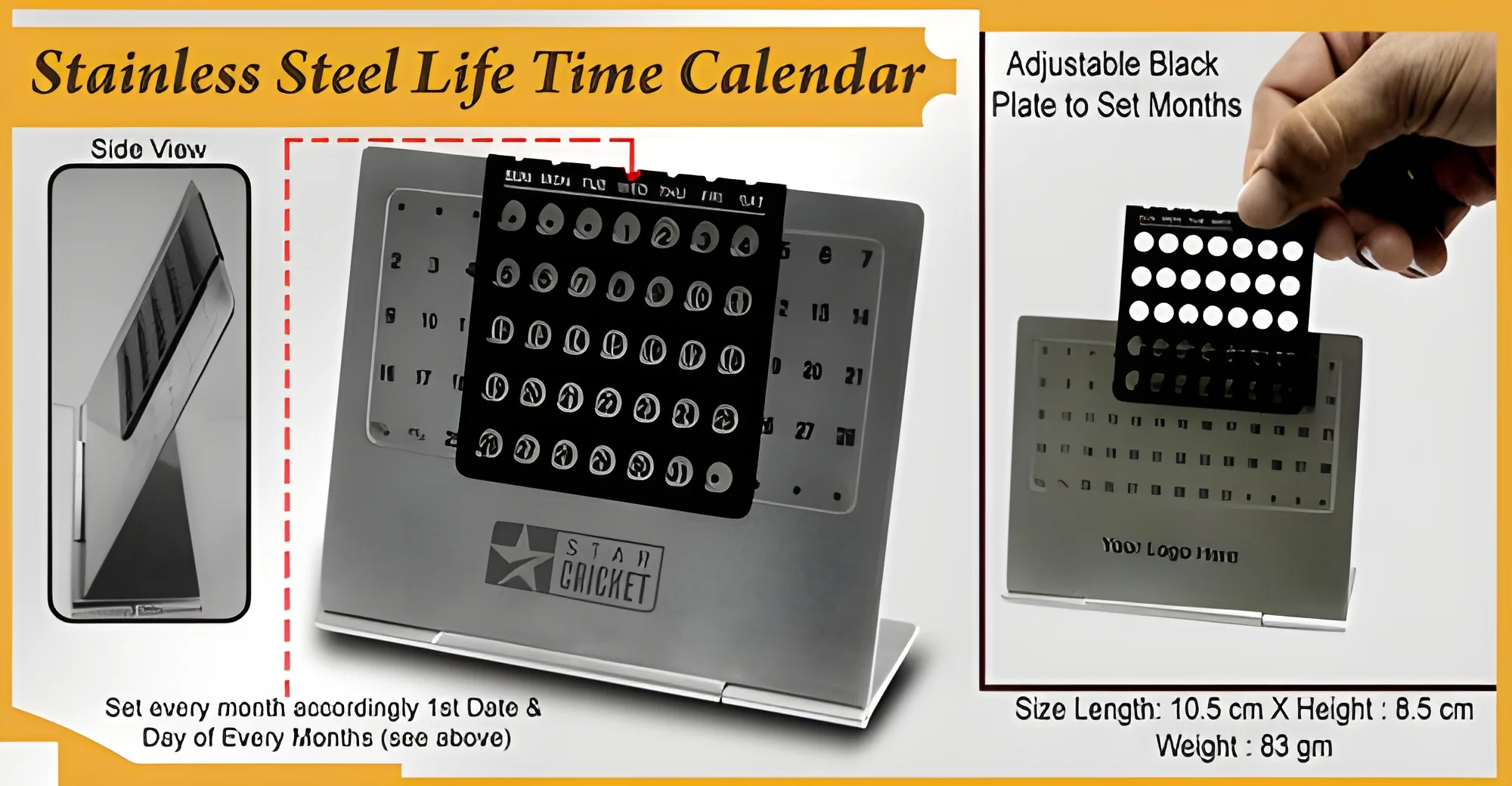
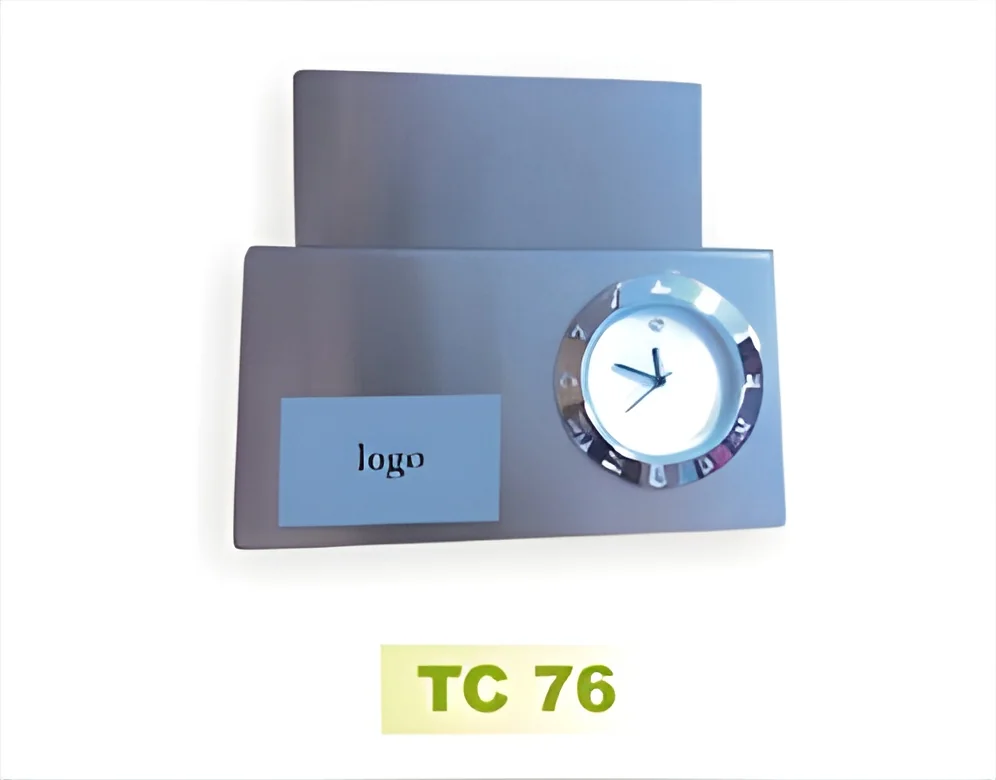
Calendars and table clocks are essential tools used in various professional environments to manage time and schedules effectively. Calendars typically provide a visual representation of days, weeks, and months, helping individuals and organizations track important dates, deadlines, and events. Table clocks, on the other hand, serve as timekeeping devices that can be placed on desks or tables, offering quick access to the current time. Together, they enhance productivity and organization within a workspace.
In business applications, calendars and table clocks play a critical role in scheduling meetings, tracking project timelines, and ensuring timely attendance at events. They are commonly used in offices, conference rooms, and reception areas. The presence of these items not only aids in time management but also contributes to the overall professional appearance of a workspace. In today's fast-paced business environment, having reliable calendars and table clocks can significantly impact workflow efficiency.
The market for calendars and table clocks is diverse, with various styles, designs, and functionalities available to meet the needs of different industries. Businesses are increasingly looking for products that combine aesthetics with functionality, making these tools not just practical but also visually appealing elements of office decor. As remote work becomes more prevalent, the demand for digital calendars and smart table clocks that integrate with technology is also rising.
Key Features and Specifications
Calendars and table clocks come with a range of features and specifications that cater to the needs of different businesses. Understanding these specifications is essential for buyers to make informed decisions.
Key specifications include:
1. Material Quality
- Common materials include plastic, metal, and wood
- Durability often varies based on the material used
2. Display Type
- Analog or digital displays are available
- Digital displays may offer backlighting for visibility
3. Size and Dimensions
- Various sizes to fit different desk spaces
- Common dimensions range from small (5 inches) to large (12 inches)
4. Customization Options
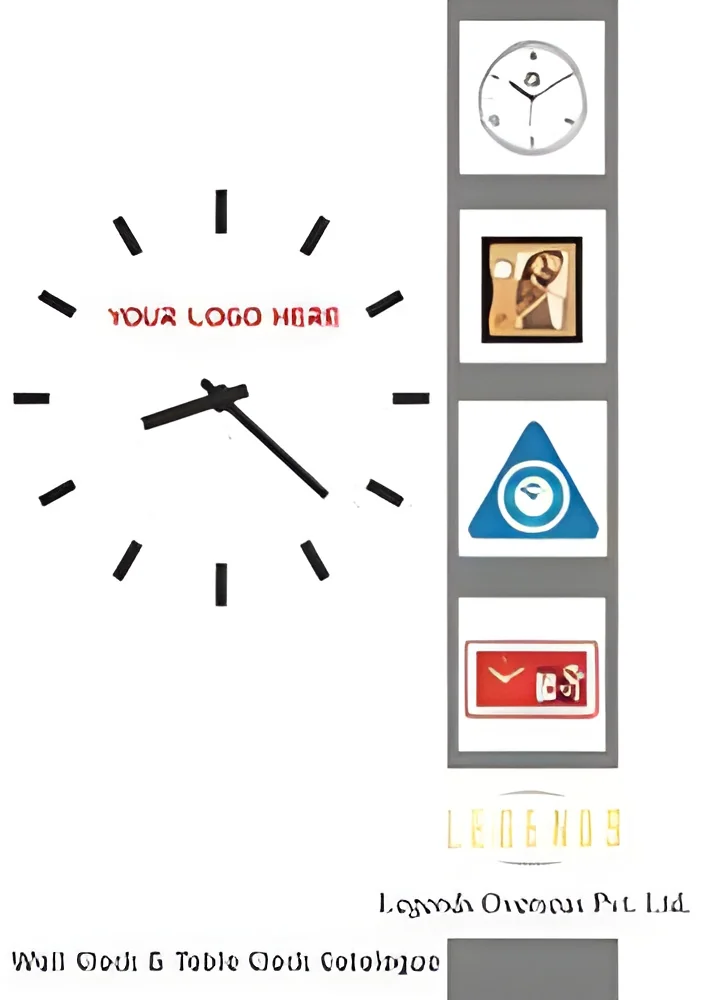
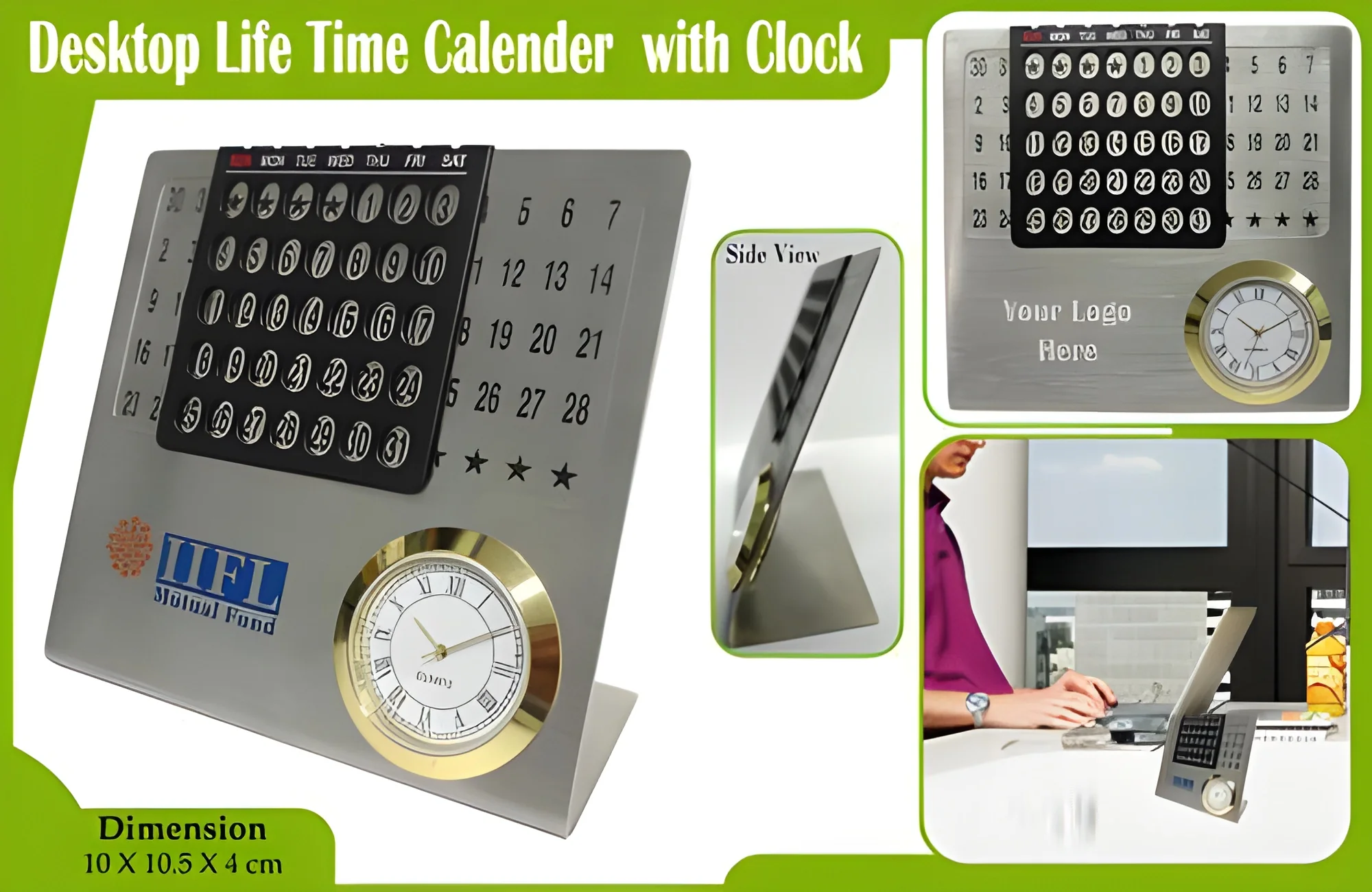
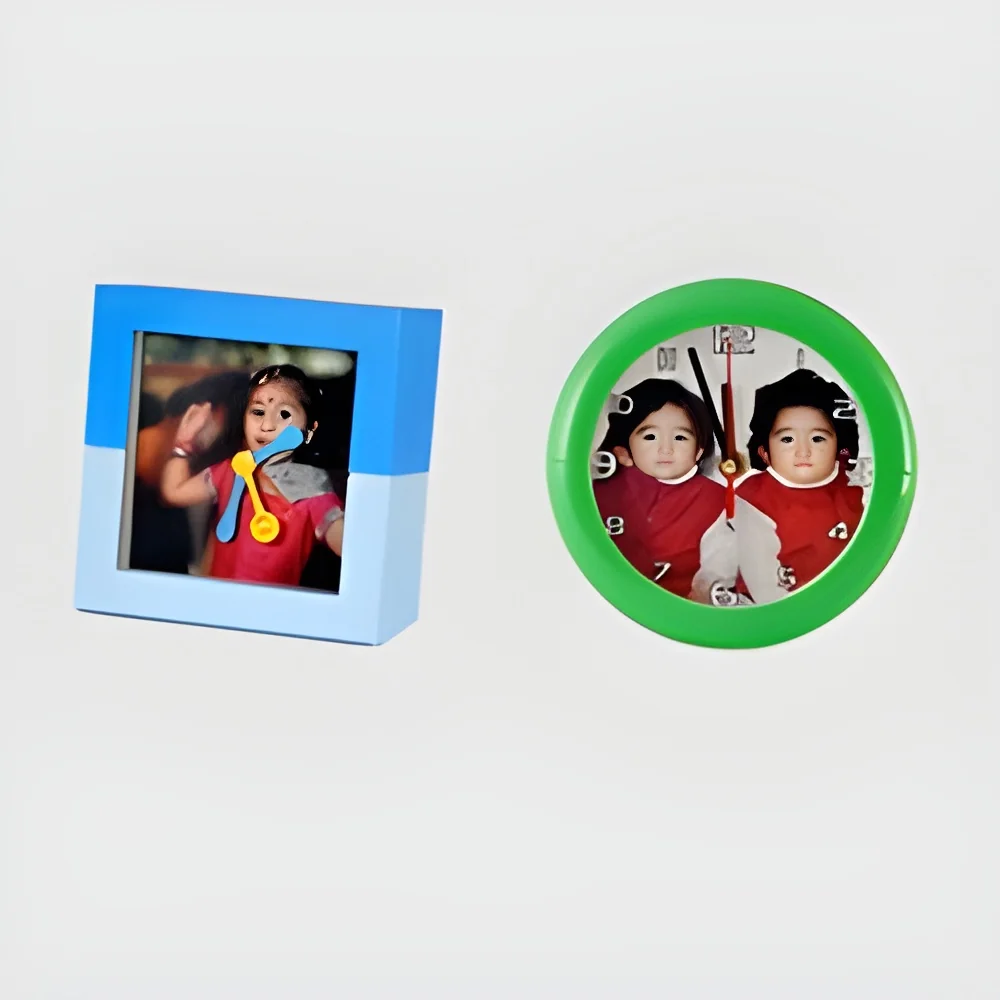
- Personalization with company logos or specific designs
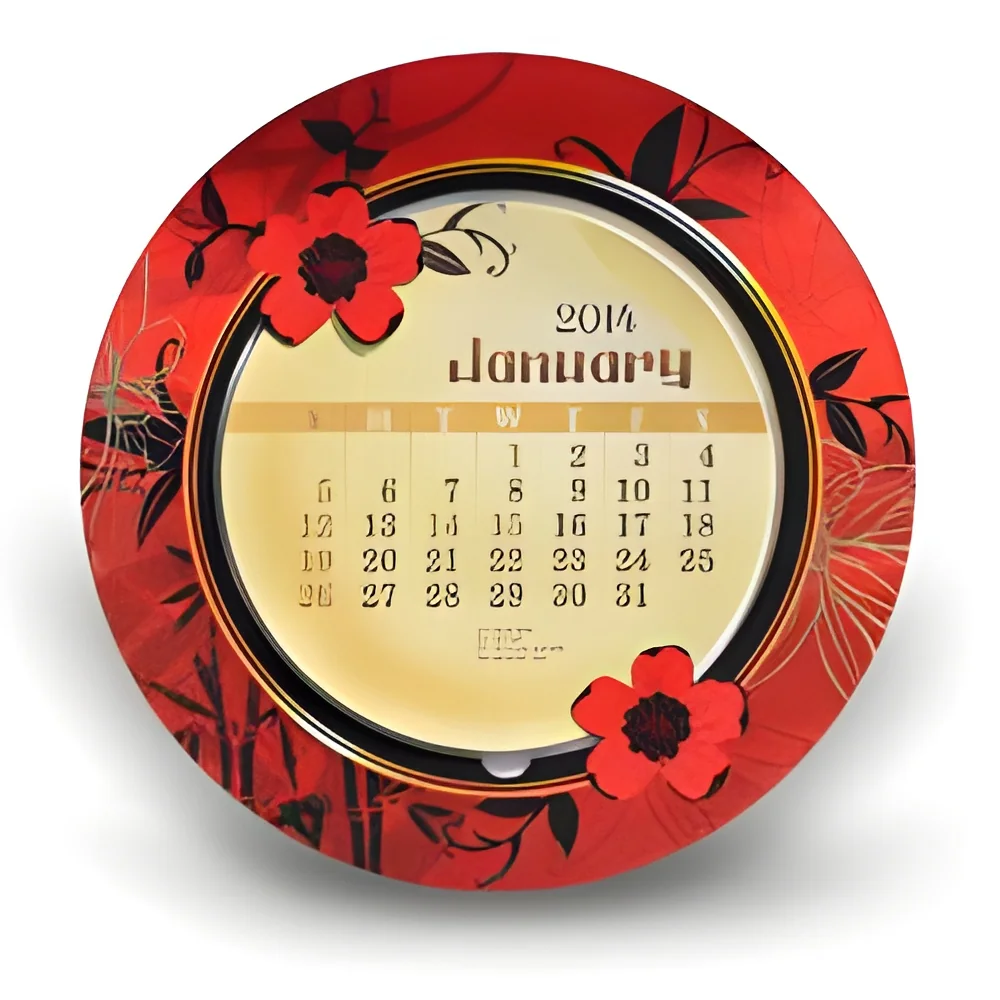
- Options for different colors and styles
5. Functionality
- Some table clocks include additional features like alarms or timers
- Calendars may offer magnetic or wall-mounted options
6. Power Source
- Battery-operated or plug-in options for clocks
- Calendars may not require power
7. Ease of Use
- Simple user interfaces for adjusting settings
- Intuitive designs for quick reference
8. Warranty and Support
- Warranty periods can vary by manufacturer
- Availability of customer support for product inquiries
In summary, selecting the right calendar and table clock involves considering various features and specifications that align with business needs and preferences.
Common Applications and Use Cases
Calendars and table clocks serve a multitude of applications across different industries. Their diverse functionalities make them invaluable in various settings.
1. Corporate Offices: Calendars help employees track deadlines and meetings, while table clocks ensure punctuality.
2. Educational Institutions: Calendars are used for scheduling academic events, while clocks assist in maintaining class schedules.
3. Healthcare Facilities: Calendars aid in managing patient appointments, and clocks are crucial for timing medical procedures.
4. Retail Environments: Calendars are used for promotions and sales events, while clocks help manage store hours.
5. Hospitality Industry: Calendars assist with booking schedules, while table clocks enhance guestroom decor and functionality.
6. Manufacturing: Calendars help in tracking production schedules, and clocks ensure timely operations.
7. Event Planning: Calendars are essential for coordinating events, while clocks help manage time during functions.
Product Variants and Subcategories
The diversity of calendars and table clocks allows businesses to choose products that best suit their needs.
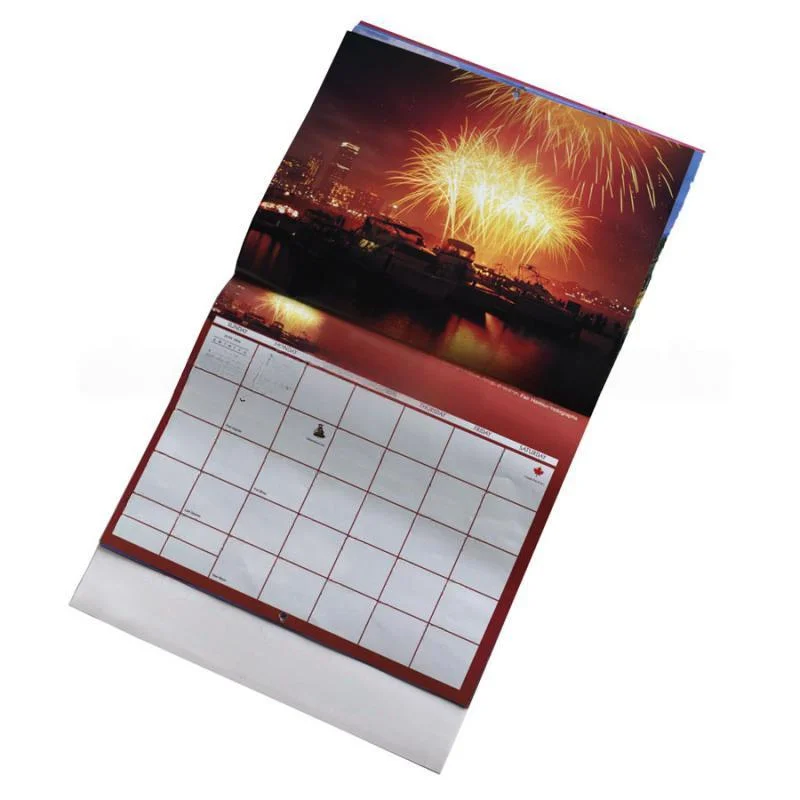
Wall Calendars
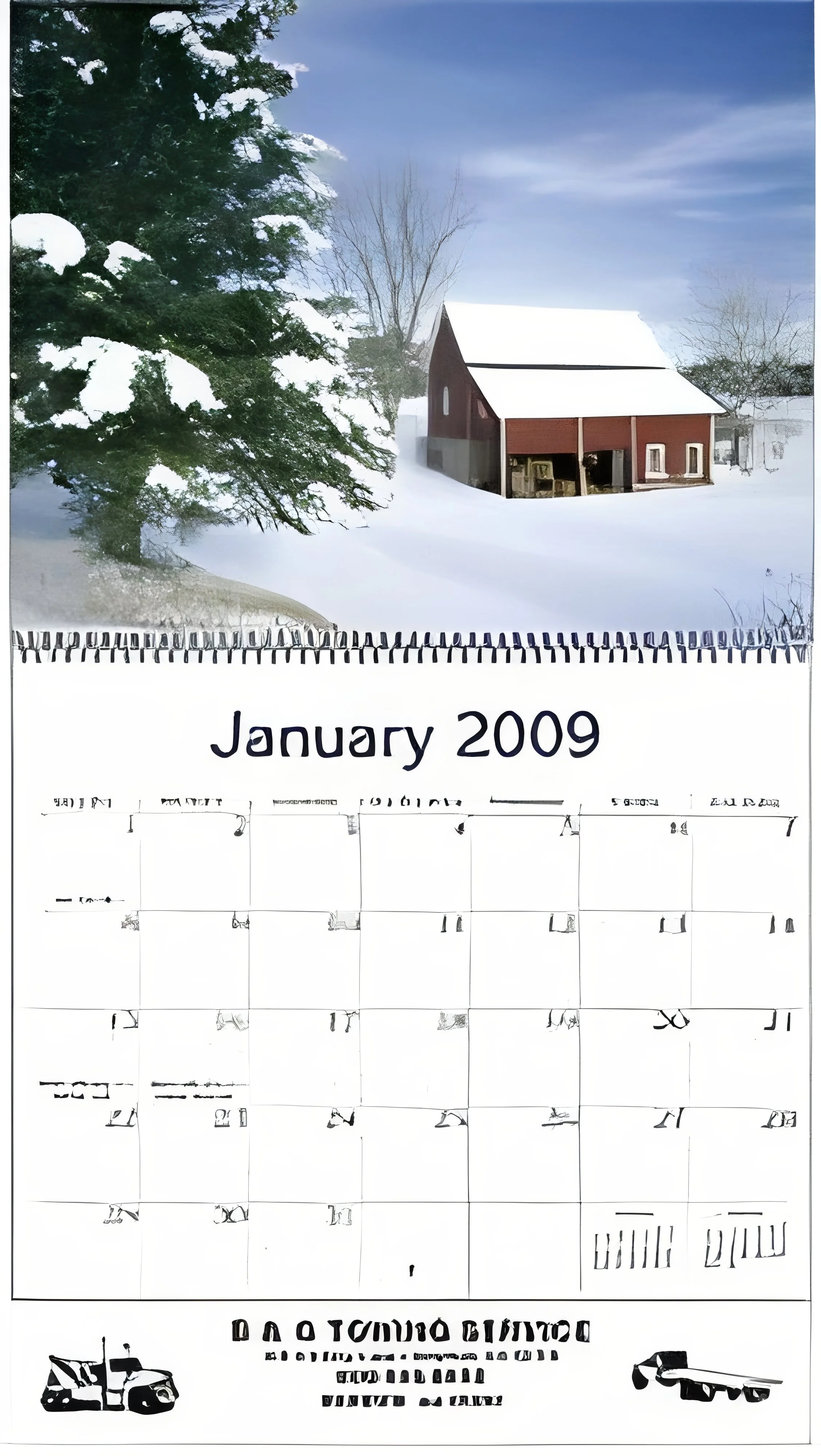
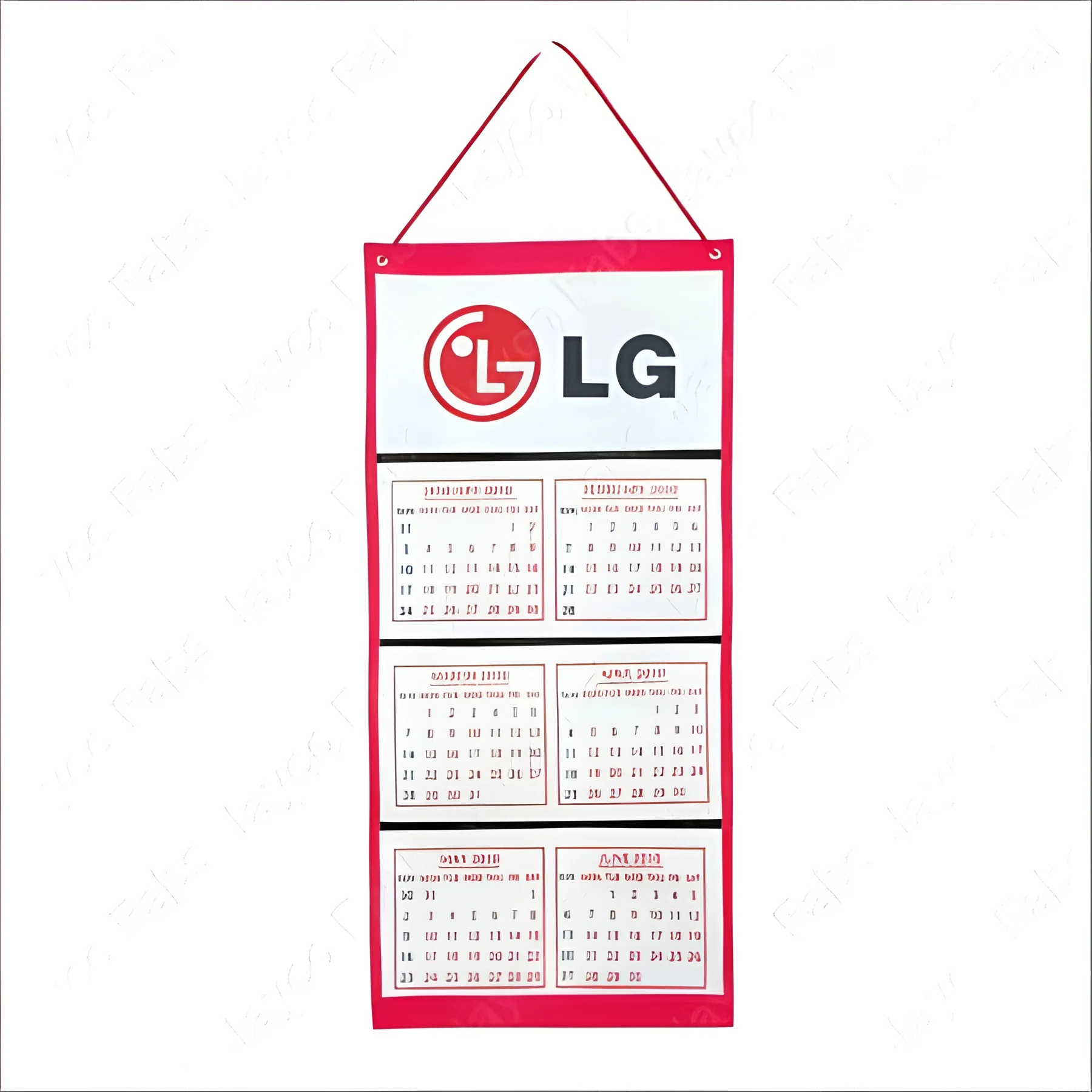
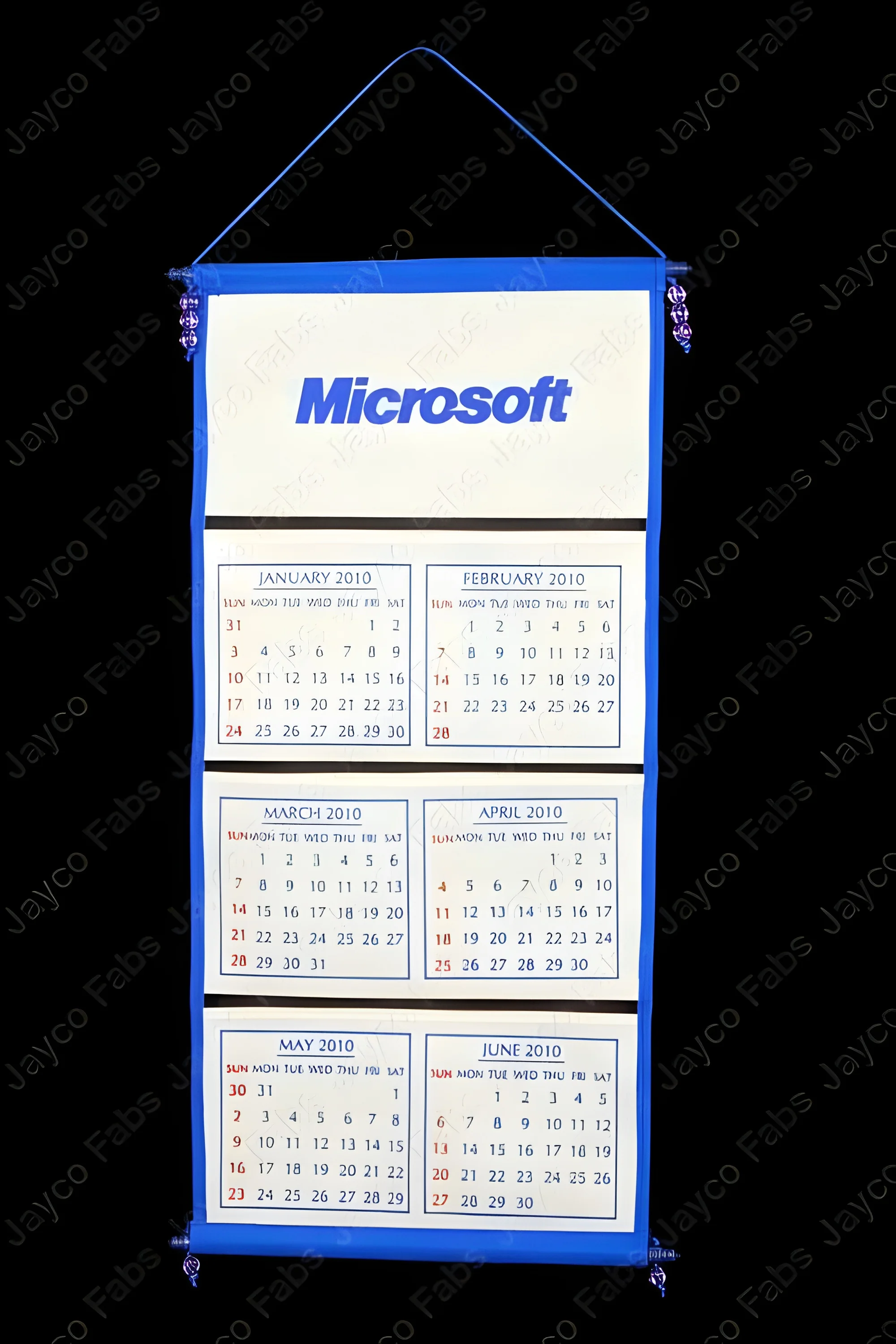
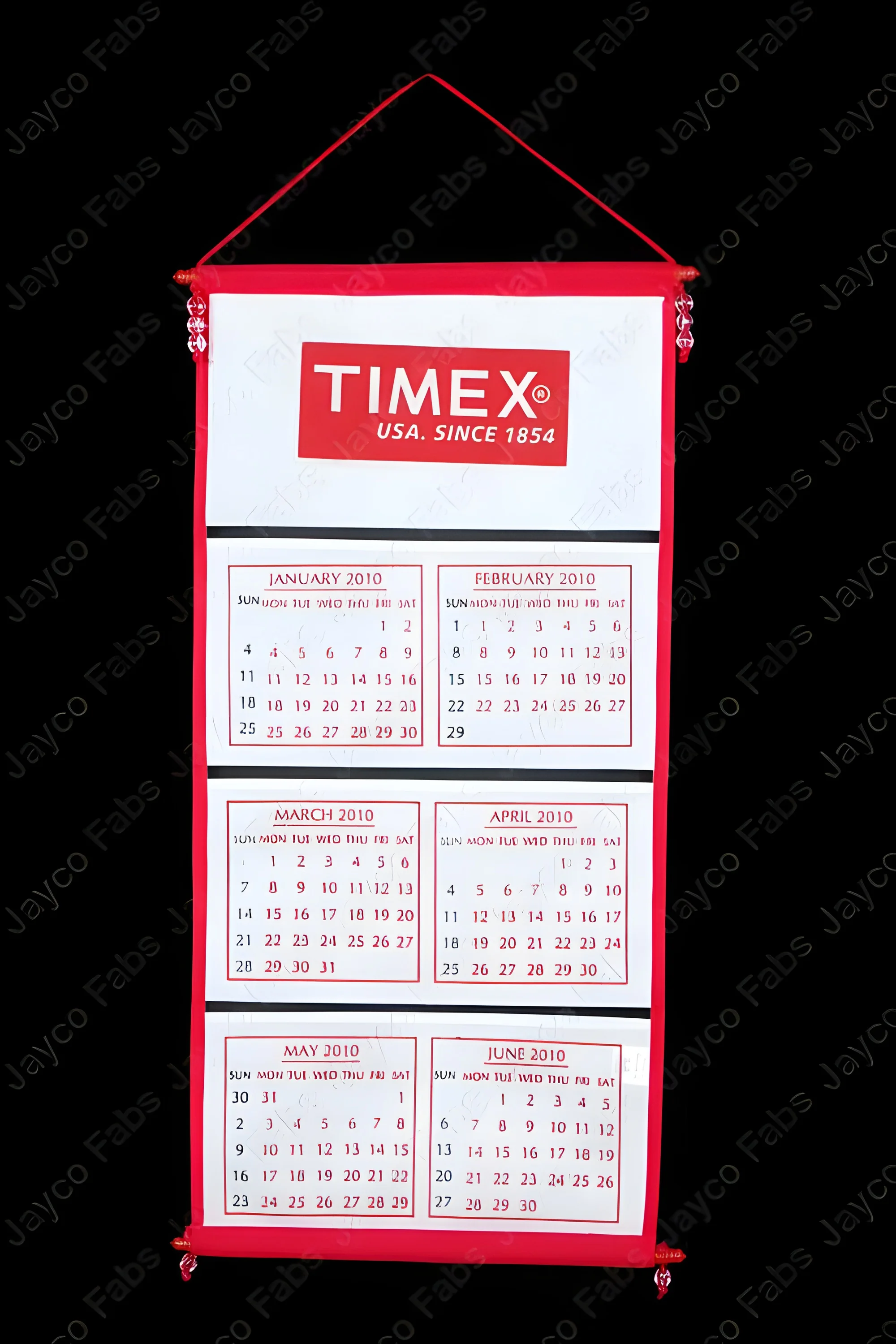
Wall calendars are designed for hanging on walls, providing a large visual space for marking important dates. They are often used in offices and public spaces where visibility is key.
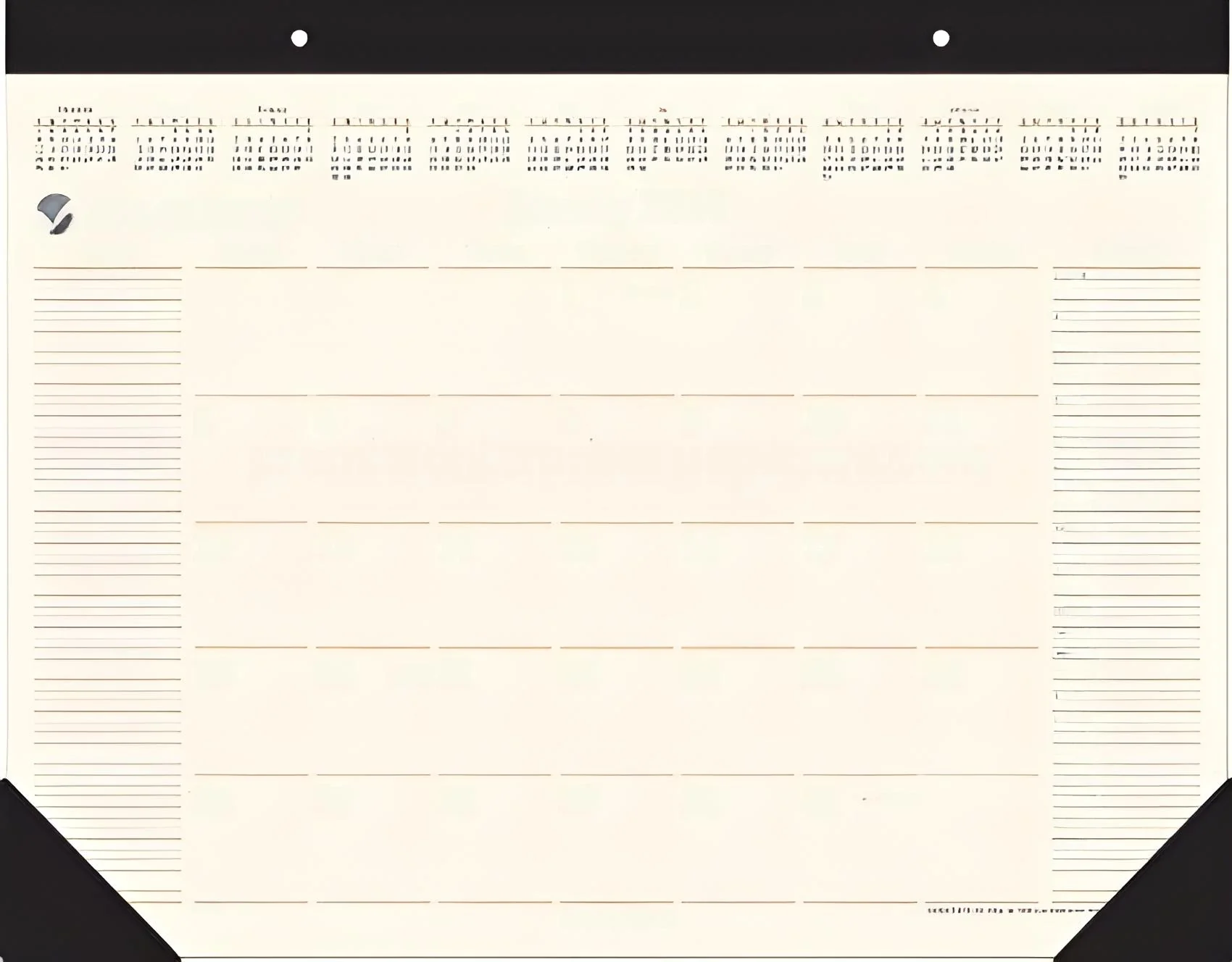
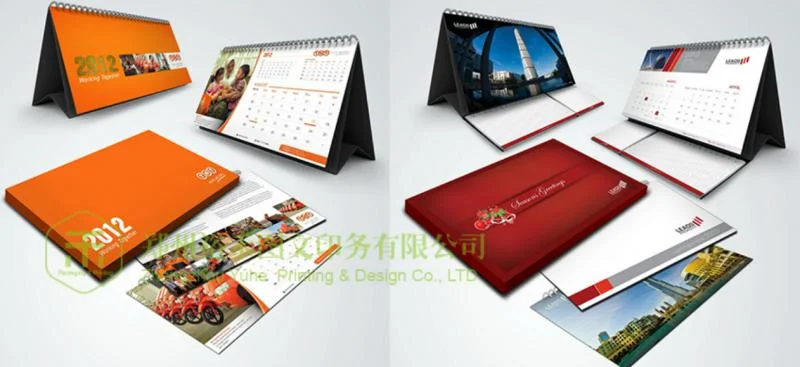
Desk Calendars
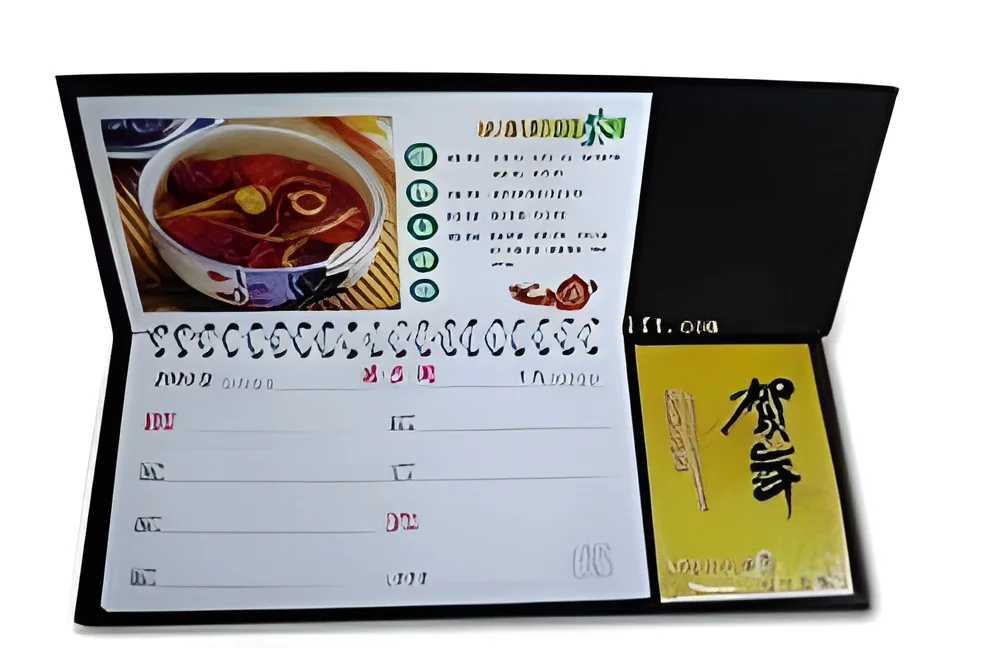
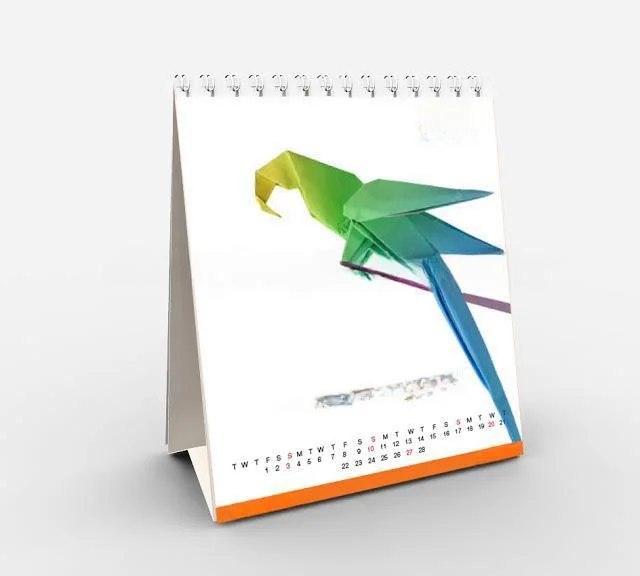
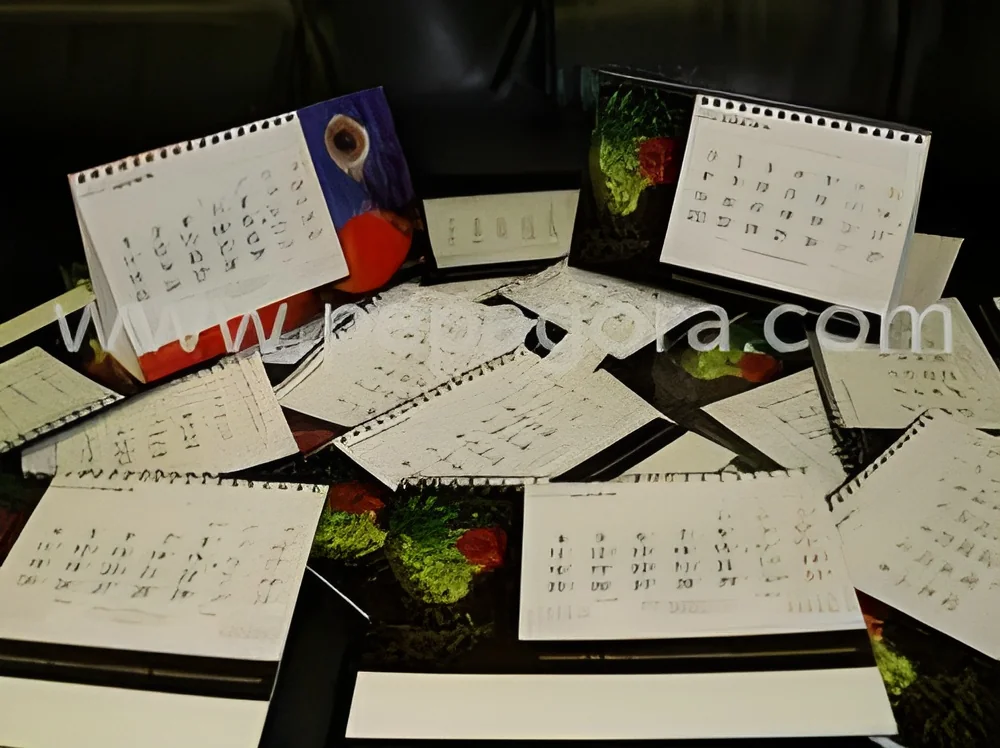
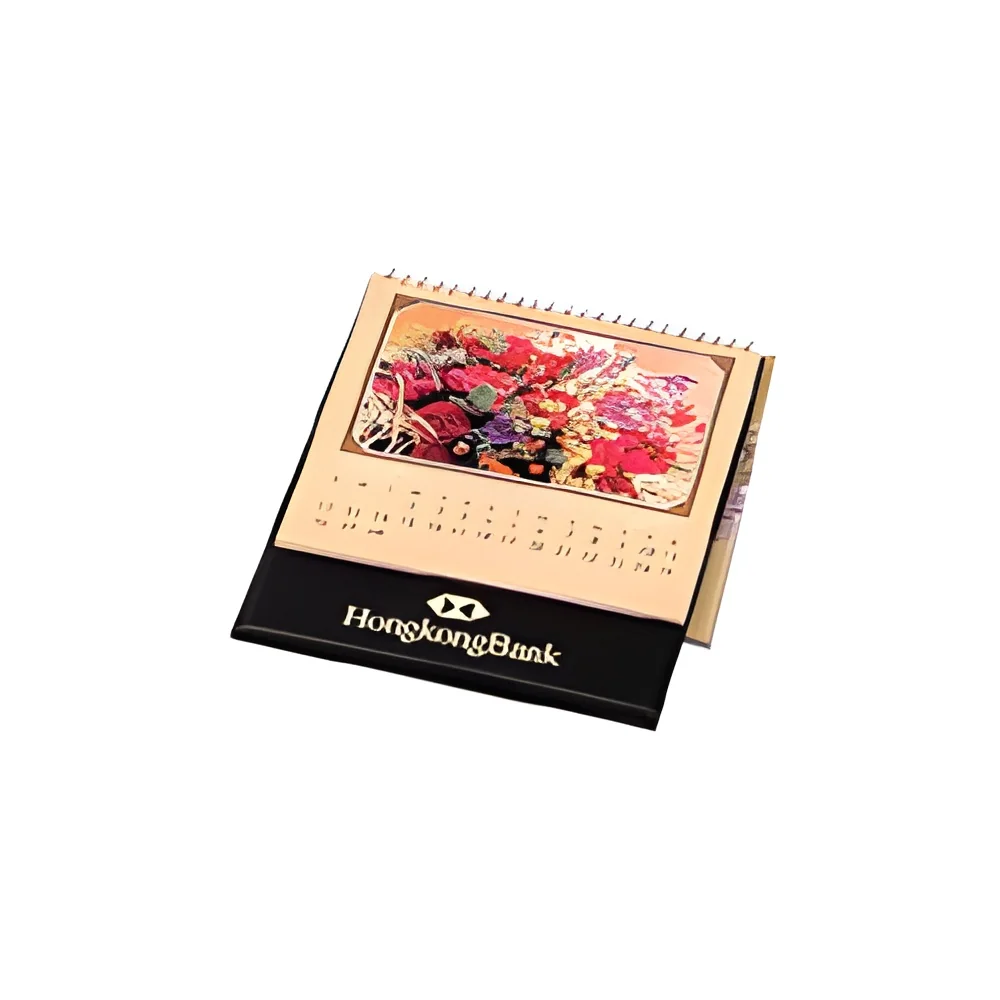
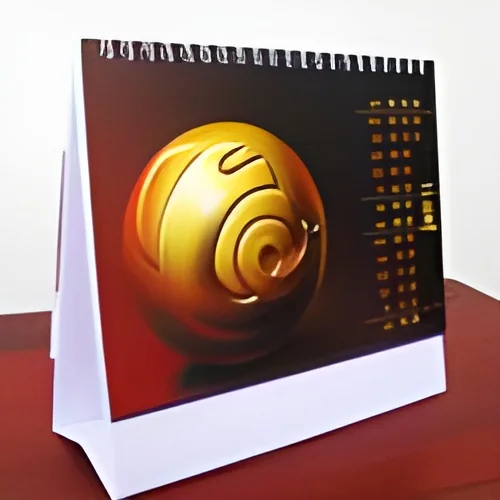
These calendars are compact and designed to sit on desks. They offer a convenient way for individuals to track daily activities and appointments directly at their workspace.
Digital Clocks
Digital clocks provide time in a clear and modern format. Many include additional features such as alarms or temperature displays, making them suitable for tech-savvy environments.
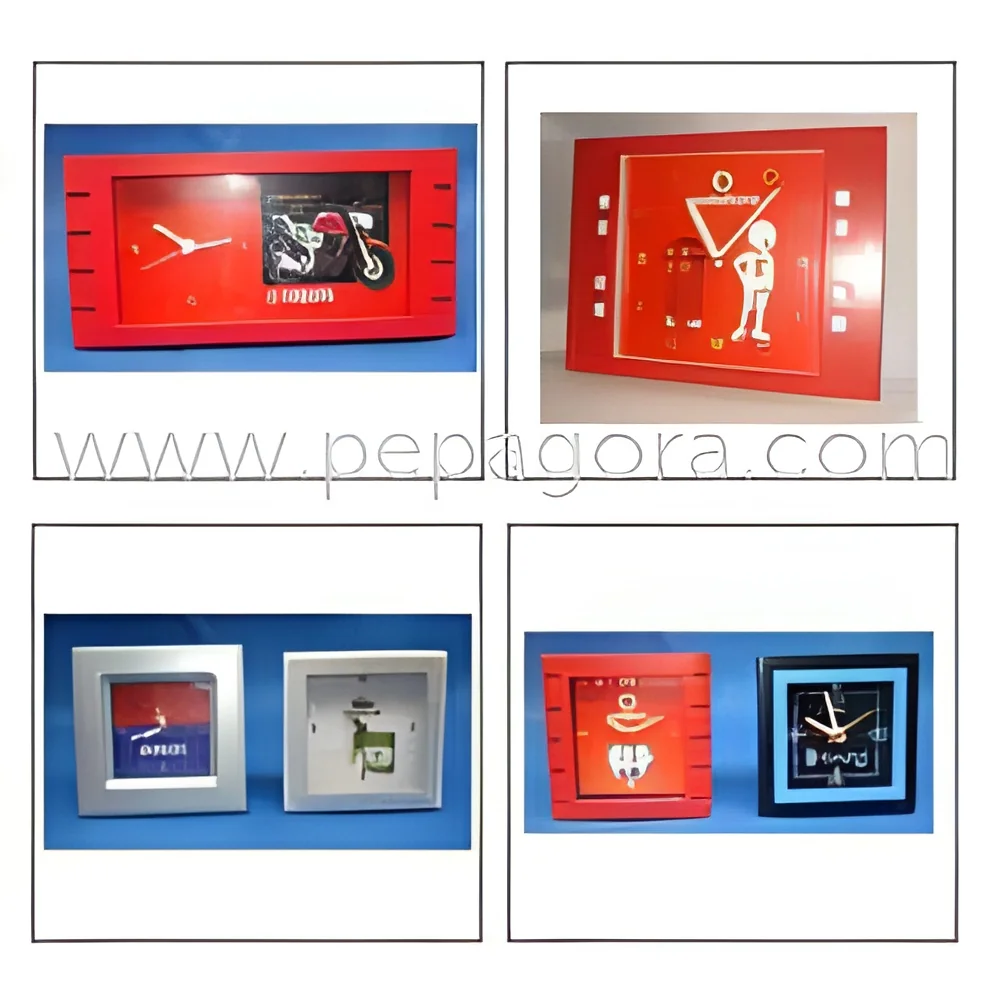
Analog Clocks
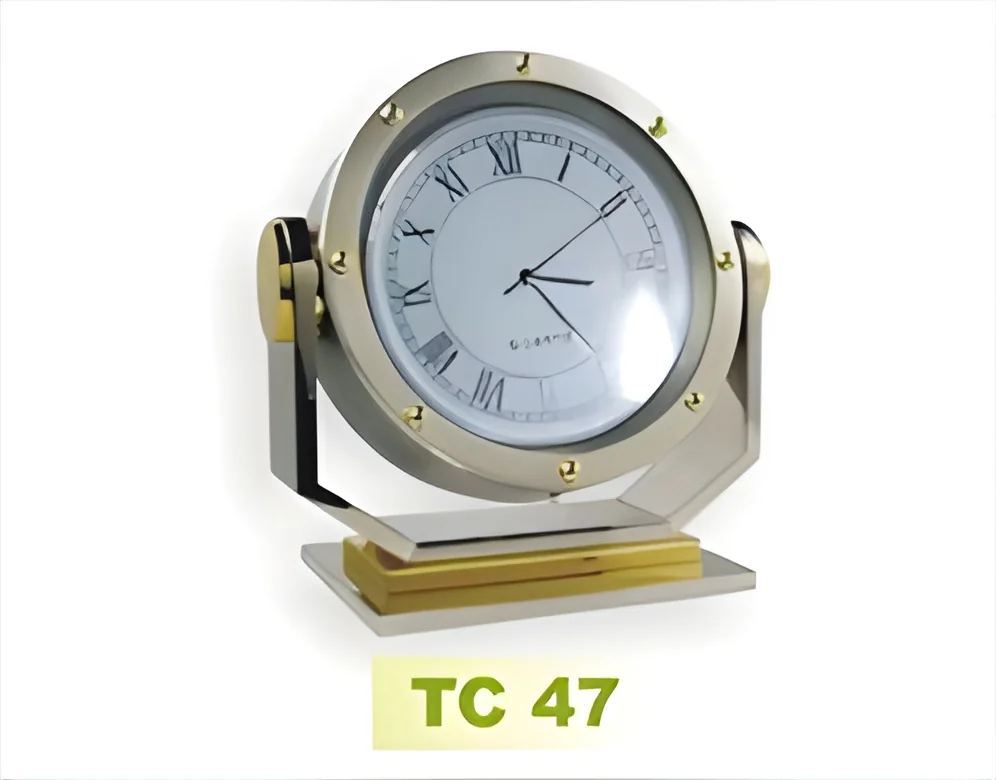
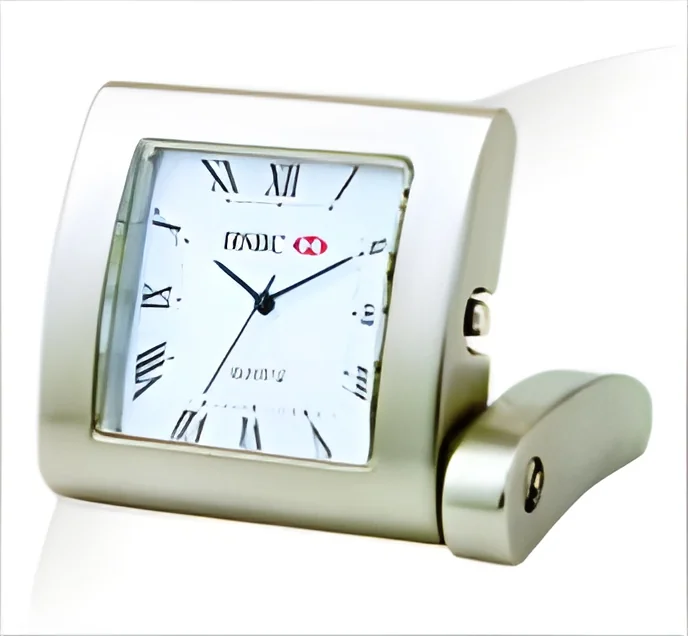
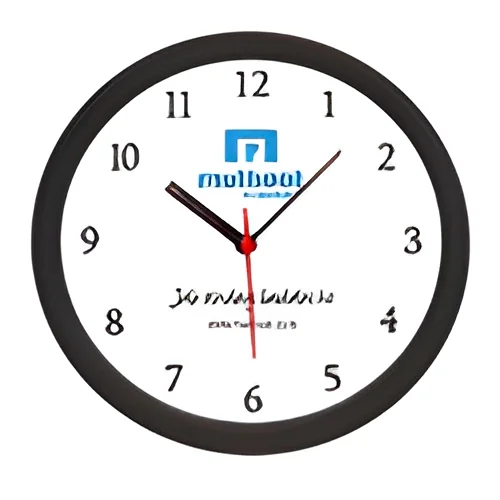
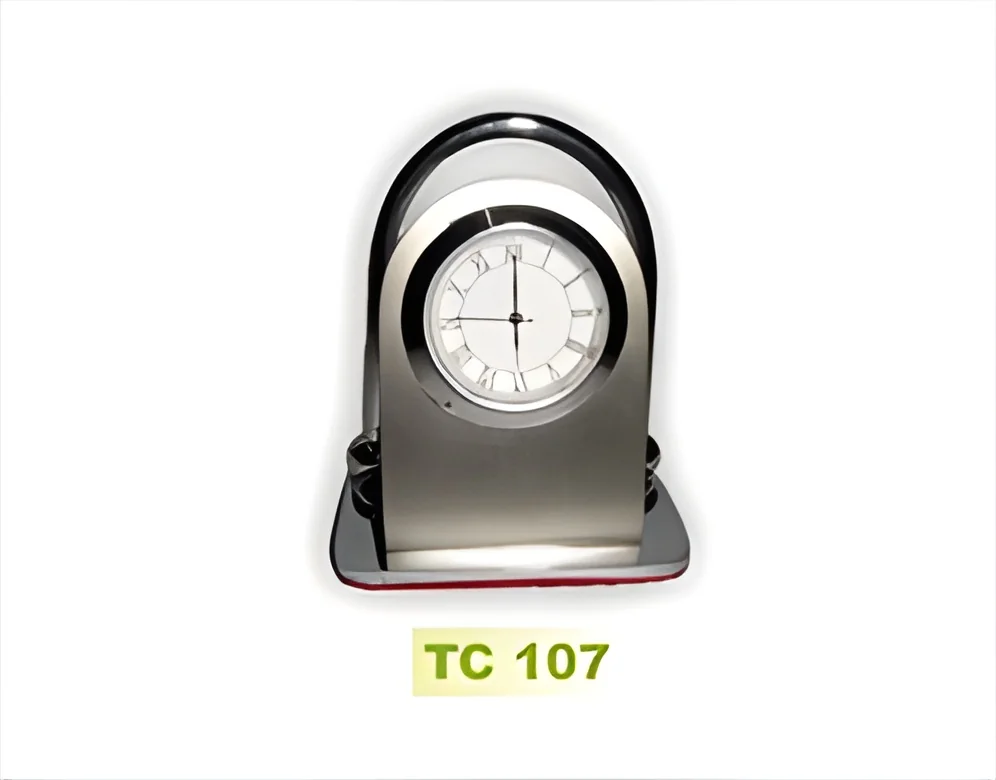
Analog clocks offer a classic look and are often preferred in more traditional settings. They can add an aesthetic appeal while serving the practical function of timekeeping.
Benefits and Advantages
Investing in calendars and table clocks offers several key benefits for businesses.
1. Improved Time Management: These tools help employees stay on top of schedules and deadlines, enhancing overall productivity.
2. Professional Appearance: Well-designed calendars and clocks contribute to a polished office environment, reflecting positively on the business.
3. Enhanced Organization: By providing visual cues for important dates and times, these products enable better organization within teams.
4. Customization Potential: Many calendars and clocks can be customized, allowing businesses to promote their brand effectively.
5. Versatile Use: Suitable for various settings, from corporate offices to educational institutions, maximizing their utility across industries.
6. Increased Accountability: With clear reminders and time indicators, employees are more likely to adhere to schedules and commitments.
Buying Guide for B2B Buyers
When sourcing calendars and table clocks, it is essential for B2B buyers to consider several factors to ensure they make the best purchase.
1. Quality Assessment: Look for products made from durable materials that can withstand regular use. Check for reviews and ratings from previous buyers to gauge quality.
2. Supplier Verification: Conduct thorough research to verify suppliers' credibility. Look for established companies with a history of reliable service and positive feedback.
3. Pricing and MOQ: Compare pricing across different suppliers. Be aware of minimum order quantities (MOQ) and ensure pricing aligns with your budget.
4. Delivery and Lead Times: Inquire about delivery options and lead times. Timely delivery is crucial, especially for businesses with tight schedules.
5. Compliance Requirements: Ensure that the products meet any relevant industry standards or regulations. This may include safety certifications or compliance with local laws.
Compliance and Certifications
Compliance and certifications are crucial in the manufacturing and sourcing of calendars and table clocks. These products should adhere to relevant quality standards to ensure reliability and safety.
ISO 9001 is a widely recognized standard that signifies a commitment to quality management systems. Manufacturers that comply with this standard demonstrate their ability to consistently provide products that meet customer and regulatory requirements.
CE certification is another important aspect, particularly for products sold in European markets. It indicates that the product complies with EU safety, health, and environmental protection legislation.
Safety testing is necessary to ensure that all components of calendars and table clocks are safe for use. This includes evaluating materials for toxicity and ensuring that electrical components meet safety standards.
Finally, regional compliance considerations may vary. Buyers should be aware of local regulations governing the sale and use of these products in their specific markets.
Why Source Calendars & Table Clocks from Pepagora?
Pepagora offers a trusted platform for sourcing calendars and table clocks, providing several key advantages for B2B buyers.
Verified Supplier Network: Pepagora's network consists of thoroughly vetted suppliers. This ensures buyers can trust the quality of products and the reliability of suppliers.
Streamlined RFQ Process: The request for quotation (RFQ) process is designed to be efficient, allowing buyers to easily obtain competitive quotes from multiple suppliers.
Trade Assurance and Support: Pepagora offers trade assurance to protect buyers against potential issues, providing peace of mind during the purchasing process.
Regional Coverage: With a focus on markets in India, the GCC, and Southeast Asia, Pepagora ensures that buyers can find suitable products tailored to their regional needs.
In conclusion, sourcing calendars and table clocks from Pepagora not only simplifies the purchasing process but also ensures access to quality products from trusted suppliers.

 IN
IN