
 IN
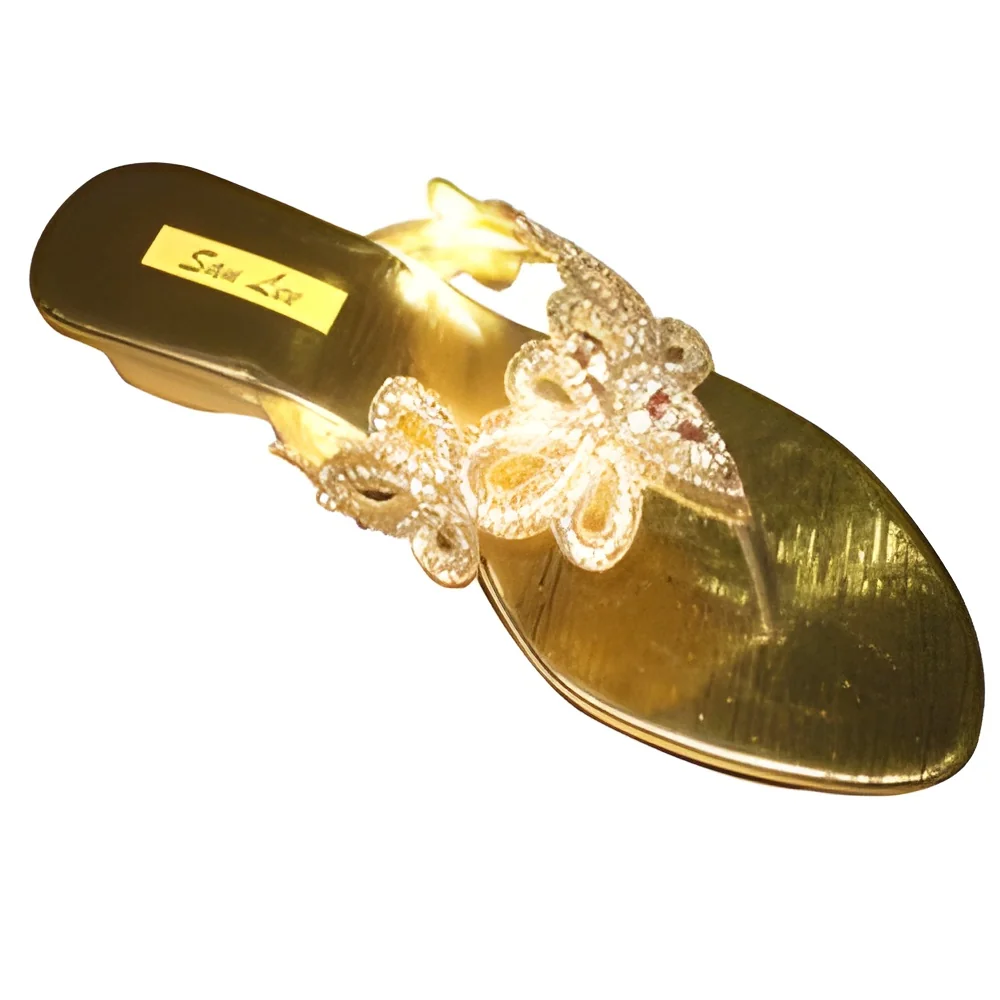
Beaded Ethnic Shoes
1 products available
What are Beaded Ethnic Shoes?
Beaded ethnic shoes are traditional footwear that incorporates intricate beadwork, reflecting the cultural heritage of various regions. These shoes are often handmade and feature vibrant designs that showcase artistic craftsmanship. Typically crafted from materials like leather, fabric, or synthetic alternatives, beaded ethnic shoes serve both functional and aesthetic purposes, providing comfort while making a cultural statement.
In the B2B context, beaded ethnic shoes are utilized in various applications, including fashion retail, cultural events, and as part of traditional attire. Businesses often source these shoes for resale or for use in performances, festivals, and cultural exhibitions. The growing interest in sustainable and ethically sourced products has also led to an increase in demand for these unique footwear options.
The market for beaded ethnic shoes is influenced by trends in global fashion, cultural appreciation, and the rise of sustainable consumerism. As businesses look to diversify their product offerings and appeal to conscious consumers, beaded ethnic shoes present an opportunity to enhance cultural representation and support artisans in developing regions.
Key Features and Specifications
Beaded ethnic shoes stand out due to their unique craftsmanship and cultural significance. They typically feature a variety of designs that reflect traditional motifs and patterns. The beadwork not only enhances the visual appeal but also contributes to the durability of the shoes.
Key specifications include:
1. Material Composition
- Commonly made from leather, fabric, or synthetic materials
- Varies based on manufacturer and design
2. Beadwork Quality
- Handcrafted bead designs with varying complexity
- Use of high-quality beads that are durable and vibrant
3. Size Range
- Available in various sizes to accommodate different foot shapes
- Custom sizing options may be available on request
4. Weight
- Lightweight construction for enhanced comfort
- Typically weighs between 300 to 500 grams per pair
5. Sole Type
- Rubber or leather soles for grip and durability
- Options for cushioned insoles for added comfort
6. Design Variability
- Wide range of colors and patterns to choose from
- Custom designs may be available based on client needs
7. Production Method
- Primarily handcrafted, emphasizing artisanal techniques
- Some variants may be produced in small batches for exclusivity
8. Certifications
- CE certification for safety and quality assurance
- Compliance with local and international standards for textiles
In summary, the key features and specifications of beaded ethnic shoes highlight their unique craftsmanship, material diversity, and cultural significance, making them an appealing choice for businesses looking to offer distinctive products.
Common Applications and Use Cases
Beaded ethnic shoes serve various industries, providing unique opportunities for cultural expression and fashion.
1. Fashion Retail: Retailers often stock beaded ethnic shoes to attract customers interested in unique, handcrafted products that tell a story.
2. Cultural Events: These shoes are commonly worn during cultural festivals and celebrations, making them essential for performers and participants.
3. Traditional Attire: Beaded ethnic shoes complement traditional clothing, enhancing the overall aesthetic for weddings and cultural ceremonies.
4. Artisans and Crafts: Many artisans use these shoes as a medium to showcase their craftsmanship, often leading to collaborations with designers and brands.
5. Eco-Friendly Markets: As sustainability becomes a priority, businesses that focus on ethically sourced products include beaded ethnic shoes in their inventory.
6. Travel and Tourism: Souvenir shops in tourist destinations often sell beaded ethnic shoes, appealing to travelers looking for authentic cultural items.
7. E-commerce Platforms: Online marketplaces provide a platform for artisans to reach a global audience, increasing the availability of beaded ethnic shoes.
Product Variants and Subcategories
Beaded ethnic shoes come in various forms, each with its own unique characteristics. This diversity allows businesses to cater to different customer preferences.
Traditional Beaded Moccasins
These shoes feature soft leather and intricate beadwork, often used in indigenous cultures. They provide comfort and are ideal for casual wear.
Embroidered Beaded Sandals
These sandals combine beadwork with embroidery, offering a stylish option for summer wear. They are lightweight and suitable for warm climates.
Native Patterned Slip-Ons
Featuring distinctive patterns inspired by Native American designs, these slip-ons provide easy wear and are popular among fashion-conscious consumers.
Festive Beaded Heels
These high-heeled shoes are adorned with elaborate beadwork, perfect for formal occasions or cultural events, adding elegance to traditional attire.
Benefits and Advantages
Beaded ethnic shoes offer several advantages that appeal to both consumers and businesses.
1. Unique Aesthetic: The intricate designs and craftsmanship make these shoes stand out, appealing to customers looking for unique products.
2. Cultural Representation: Sourcing beaded ethnic shoes allows businesses to celebrate and promote cultural heritage, enhancing their brand identity.
3. Artisan Support: Purchasing these shoes supports local artisans and their communities, contributing to sustainable economic development.
4. Versatility: Beaded ethnic shoes can be worn for various occasions, from casual outings to formal events, making them a versatile addition to any wardrobe.
5. Comfort and Fit: Many beaded ethnic shoes are designed for comfort, with materials that provide a good fit and ease of wear.
6. Sustainable Practices: Many artisans use eco-friendly materials and production methods, aligning with the growing consumer demand for sustainable products.
Buying Guide for B2B Buyers
When sourcing beaded ethnic shoes, buyers should consider several important factors to ensure they make informed decisions.
1. Quality Assessment: Evaluate the craftsmanship and materials used in the shoes. Look for signs of quality such as even stitching and durable beads.
2. Supplier Verification: Vet potential suppliers through reviews and references. Ensure they have a reputation for reliability and ethical practices.
3. Pricing and MOQ: Understand the pricing structure and minimum order quantities. This will help manage budgets while ensuring adequate stock.
4. Delivery and Lead Times: Discuss logistics with suppliers to determine delivery schedules. Timely delivery is crucial for maintaining inventory levels.
5. Compliance Requirements: Be aware of any applicable local and international regulations regarding materials and production standards to ensure compliance.
Compliance and Certifications
Beaded ethnic shoes must adhere to various compliance and certification standards to ensure safety and quality. Relevant quality standards may include ISO 9001, which ensures consistent quality management systems, and CE certification, indicating compliance with European health, safety, and environmental protection standards.
Safety and testing requirements are essential, particularly for materials used in production. Buyers should verify that the shoes meet regional compliance considerations, which may vary by market. Understanding these standards is crucial for businesses to ensure that their products meet customer expectations and regulatory requirements.
Why Source Beaded Ethnic Shoes from Pepagora?
Pepagora provides a trusted platform for sourcing beaded ethnic shoes, offering several key advantages that benefit B2B buyers.
Verified Supplier Network: Pepagora connects buyers with a network of verified suppliers, ensuring that businesses can source high-quality products from reliable partners.
Streamlined RFQ Process: The request for quotation (RFQ) system simplifies the procurement process, allowing buyers to efficiently compare offers and select the best options for their needs.
Trade Assurance and Support: Pepagora offers trade assurance, providing buyers with protection and support throughout the purchasing process, fostering a secure environment for transactions.
Regional Coverage: With a strong presence in India, the GCC, and Southeast Asia, Pepagora enables businesses to access a wide range of beaded ethnic shoes, catering to diverse market demands and cultural preferences.


Frequently Asked Questions
What are Beaded Ethnic Shoes?
Beaded Ethnic Shoes are traditional footwear adorned with intricate beadwork, reflecting the cultural heritage of various regions in India. These shoes are often hand-crafted and come in various styles, making them both stylish and comfortable.
What are the different types of Beaded Ethnic Shoes?
The different types of Beaded Ethnic Shoes include Juttis, Mojaris, and Kolhapuris, each showcasing unique designs and craftsmanship. These shoes may vary in shape, material, and beading techniques, catering to diverse fashion preferences.
How do I choose the right Beaded Ethnic Shoes?
When choosing Beaded Ethnic Shoes, consider factors such as size, style, and occasion. It's also important to assess the quality of materials and craftsmanship to ensure durability and comfort.
What are the standard specifications for Beaded Ethnic Shoes?
Standard specifications for Beaded Ethnic Shoes typically include the type of material used (such as leather or fabric), sole type, bead quality, and design details. These specifications can vary based on the manufacturer and intended use.
What is the price range for Beaded Ethnic Shoes?
The price range for Beaded Ethnic Shoes can vary widely, typically ranging from INR 500 to INR 5000 or more, depending on factors like design complexity, materials used, and brand reputation.
What quality standards apply to Beaded Ethnic Shoes?
Quality standards for Beaded Ethnic Shoes include durability, comfort, and craftsmanship. Shoes should be free from defects and made from high-quality materials that withstand regular wear.
Where can I find Beaded Ethnic Shoes suppliers in India?
You can find Beaded Ethnic Shoes suppliers in India through online B2B marketplaces like Pepagora, trade shows, and local artisan markets. Additionally, many manufacturers have their own websites where you can browse and contact them directly.
Can Beaded Ethnic Shoes be customized?
Yes, many manufacturers offer customization options for Beaded Ethnic Shoes, allowing you to select specific colors, designs, and sizes. This is particularly useful for bulk orders or special occasions.
What is the typical minimum order quantity for Beaded Ethnic Shoes?
The typical minimum order quantity (MOQ) for Beaded Ethnic Shoes can vary by supplier, often ranging from 50 to 100 pairs. It's advisable to check with individual manufacturers for their specific requirements.
What is the typical lead time for Beaded Ethnic Shoes?
The typical lead time for Beaded Ethnic Shoes can range from 2 to 6 weeks, depending on the complexity of the design and the supplier's production capacity. It's important to discuss timelines with your supplier before placing an order.
Why Businesses Trust Pepagora
Thousands of companies trust Pepagora to source smarter and sell faster
Expand Your Sales Globally

Source Smarter,Grow Faster
