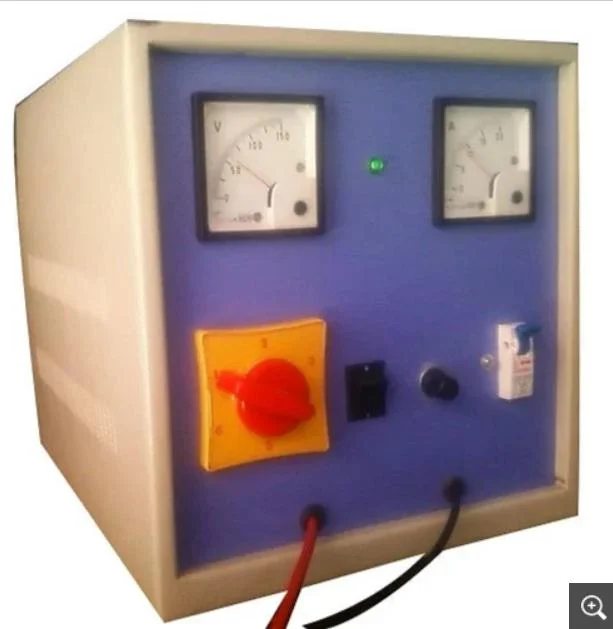
𝗪𝗵𝗮𝘁 𝗮𝗿𝗲 𝗕𝗮𝘁𝘁𝗲𝗿𝘆 𝗖𝗵𝗮𝗿𝗴𝗲𝗿𝘀 & 𝗠𝗮𝗶𝗻𝘁𝗮𝗶𝗻𝗲𝗿𝘀?
Battery chargers and maintainers are essential devices designed to provide power to batteries and ensure their optimal performance over time. Battery chargers supply the necessary energy to recharge depleted batteries, while maintainers are used to keep batteries at full charge without overcharging. These devices are crucial for various battery types, including lead-acid, lithium-ion, and gel-cell batteries.
The primary uses for battery chargers and maintainers span multiple industries such as automotive, marine, and industrial sectors. In automotive applications, they are used to recharge vehicle batteries, ensuring that cars are ready to operate. In the marine industry, maintainers are vital for keeping boat batteries charged during periods of inactivity. Additionally, they are used in various industrial applications to prolong battery life and enhance efficiency.
As industries become increasingly reliant on battery-powered equipment, the market for battery chargers and maintainers is growing. Businesses are investing in these devices to reduce downtime and maintenance costs associated with battery failure. The relevance of these products extends beyond mere convenience, as they play a crucial role in promoting sustainability and efficiency in energy consumption.
𝗞𝗲𝘆 𝗙𝗲𝗮𝘁𝘂𝗿𝗲𝘀 𝗮𝗻𝗱 𝗦𝗽𝗲𝗰𝗶𝗳𝗶𝗰𝗮𝘁𝗶𝗼𝗻𝘀
Battery chargers and maintainers come equipped with several key features that enhance their performance and reliability. Understanding these specifications is vital for choosing the right device for specific applications.
Key specifications include:
1. Charge Voltage
- The voltage levels at which the charger operates, typically ranging from 6V to 24V, depending on the battery type.
2. Charge Current
- The maximum current output, usually measured in amperes (A), which can vary based on the charger design and battery capacity.
3. Compatibility
- The types of batteries the charger supports, including lead-acid, lithium-ion, and gel batteries.
4. Automatic Shut-off
- A feature that prevents overcharging by automatically disconnecting the charger once the battery reaches full charge.
5. Smart Technology
- Advanced chargers may include microprocessor control for optimal charging, monitoring battery health, and adjusting charge rates.
6. Portability
- Many chargers are designed to be lightweight and compact, making them easy to transport and store.
7. Safety Features
- Including reverse polarity protection and short-circuit protection to enhance user safety during operation.
8. Display Indicators
- Visual indicators such as LED lights to show charging status and battery health.
In summary, selecting a battery charger or maintainer involves understanding these key features and specifications to ensure it meets the needs of the application.
𝗖𝗼𝗺𝗺𝗼𝗻 𝗔𝗽𝗽𝗹𝗶𝗰𝗮𝘁𝗶𝗼𝗻𝘀 𝗮𝗻𝗱 𝗨𝘀𝗲 𝗖𝗮𝘀𝗲𝘀
Battery chargers and maintainers are used across a wide range of industries, demonstrating their versatility and importance in various business contexts.
1. Automotive: In the automotive sector, these devices are used to recharge and maintain car batteries, ensuring reliability and performance.
2. Marine: Boat operators utilize battery maintainers to keep onboard batteries charged while the vessel is docked or during long periods of inactivity.
3. Industrial Equipment: Many types of industrial machinery depend on battery power. Chargers and maintainers help to keep these batteries in optimal condition.
4. Renewable Energy Systems: In solar power setups, battery chargers ensure that storage batteries are charged efficiently, maximizing the energy harvested from solar panels.
5. Telecommunications: Backup batteries in telecom systems require regular maintenance to ensure they are ready to provide power during outages.
6. Electric Vehicles: With the rise of electric vehicles, battery chargers are essential for recharging vehicle batteries at home or commercial charging stations.
7. Recreational Vehicles: RV owners frequently use battery maintainers to keep batteries charged while the vehicle is not in use.
𝗣𝗿𝗼𝗱𝘂𝗰𝘁 𝗩𝗮𝗿𝗶𝗮𝗻𝘁𝘀 𝗮𝗻𝗱 𝗦𝘂𝗯𝗰𝗮𝘁𝗲𝗴𝗼𝗿𝗶𝗲𝘀
The diversity of battery chargers and maintainers allows businesses to choose products that best fit their specific needs.
Standard Battery Charger
This variant is designed for rapid charging of various battery types. It typically features adjustable charge rates and can handle multiple battery sizes, making it suitable for automotive and industrial applications.
Smart Battery Maintainer
Equipped with advanced technology, this type of maintainer automatically adjusts its output to the battery's needs. It is ideal for long-term storage of batteries in marine and RV applications.
Portable Battery Charger
Lightweight and compact, this charger is perfect for on-the-go charging needs. It is especially useful for automotive or outdoor applications where portability is crucial.
𝗕𝗲𝗻𝗲𝗳𝗶𝘁𝘀 𝗮𝗻𝗱 𝗔𝗱𝘃𝗮𝗻𝘁𝗮𝗴𝗲𝘀
Battery chargers and maintainers provide several key benefits that can enhance business operations.
1. Increased Battery Life: Regular maintenance and proper charging can significantly extend the lifespan of batteries, reducing replacement costs.
2. Improved Efficiency: Keeping batteries charged ensures that equipment operates at peak performance, minimizing downtime.
3. Cost Savings: Investing in reliable chargers and maintainers can lead to substantial savings on battery replacements and maintenance.
4. Enhanced Safety: Many modern chargers include safety features that protect against overcharging and short circuits, reducing risks associated with battery use.
5. Convenience: The automatic features of many chargers and maintainers reduce the need for manual monitoring, providing ease of use for operators.
6. Versatility: With compatibility across various battery types, these devices can serve multiple applications, making them a valuable investment for businesses.
𝗕𝘂𝘆𝗶𝗻𝗴 𝗚𝘂𝗶𝗱𝗲 𝗳𝗼𝗿 𝗕𝟮𝗕 𝗕𝘂𝘆𝗲𝗿𝘀
When sourcing battery chargers and maintainers, B2B buyers should consider several important factors.
1. Quality Assessment: Evaluate the quality of the product by looking for established brands and reviewing product specifications. Certifications can indicate reliability.
2. Supplier Verification: Research potential suppliers to ensure they have a good reputation and provide high-quality products. Request references or case studies if necessary.
3. Pricing and MOQ: Understand the pricing structure and minimum order quantities (MOQ) required by suppliers. This will help in budgeting and planning purchases.
4. Delivery and Lead Times: Confirm delivery schedules and lead times to ensure timely receipt of products, which is critical for operational continuity.
5. Compliance Requirements: Be aware of any industry-specific compliance standards that the products must meet, such as CE certification or other safety regulations.
𝗖𝗼𝗺𝗽𝗹𝗶𝗮𝗻𝗰𝗲 𝗮𝗻𝗱 𝗖𝗲𝗿𝘁𝗶𝗳𝗶𝗰𝗮𝘁𝗶𝗼𝗻𝘀
Compliance with quality standards and certifications is crucial for battery chargers and maintainers. Products should meet relevant standards such as ISO 9001, which ensures consistent quality management practices. Additionally, certifications like CE indicate that a product adheres to European safety and health requirements.
Safety testing is also vital, with products needing to undergo rigorous evaluation to ensure they operate safely under specified conditions. Regional compliance considerations may vary, so buyers should verify that products meet local regulations where they will be used.
𝗪𝗵𝘆 𝗦𝗼𝘂𝗿𝗰𝗲 𝗕𝗮𝘁𝘁𝗲𝗿𝘆 𝗖𝗵𝗮𝗿𝗴𝗲𝗿𝘀 & 𝗠𝗮𝗶𝗻𝘁𝗮𝗶𝗻𝗲𝗿𝘀 𝗳𝗿𝗼𝗺 𝗣𝗲𝗽𝗮𝗴𝗼𝗿𝗮?
Pepagora offers a trusted platform for sourcing battery chargers and maintainers, providing numerous advantages for B2B buyers.
Verified Supplier Network: Pepagora connects buyers with a network of verified suppliers, ensuring that they can source high-quality products with confidence.
Streamlined RFQ Process: The request for quotation (RFQ) process is designed to be user-friendly, allowing buyers to receive quotes quickly and efficiently from multiple suppliers.
Trade Assurance and Support: Buyers are protected through trade assurance policies that ensure they receive what they pay for, along with customer support to address any concerns.
Regional Coverage: With a strong presence in regions like India, the GCC, and Southeast Asia, Pepagora facilitates international sourcing while catering to local market needs.

 IN
IN