IN
INundefined
Barnyard Millet
0 products available
𝗪𝗵𝗮𝘁 𝗮𝗿𝗲 𝗕𝗮𝗿𝗻𝘆𝗮𝗿𝗱 𝗠𝗶𝗹𝗹𝗲𝘁?
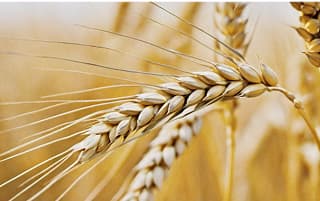
Barnyard millet, scientifically known as Echinochloa frumentacea, is a highly nutritious grain that is cultivated primarily in Asia and parts of Africa. It is a member of the grass family and is known for its resilience in adverse growing conditions, including drought and poor soil quality. Barnyard millet is characterized by its small, round grains, which can vary in color from white to yellowish-brown. This ancient cereal has gained popularity due to its health benefits and gluten-free nature, making it an essential staple in various diets.
The primary uses of barnyard millet extend across numerous sectors, including food production, animal feed, and health supplements. In the culinary world, it is often ground into flour, used in porridge, or incorporated into various dishes. In addition to its applications in human consumption, barnyard millet is also used as fodder for livestock and poultry. With the rising awareness of health and nutrition, the demand for barnyard millet has increased significantly, positioning it as a valuable commodity in the global market.
Barnyard millet's relevance in the industry is underscored by its nutritional profile, which includes high levels of fiber, protein, vitamins, and minerals. As consumer preferences shift towards healthier food options, barnyard millet is becoming a sought-after ingredient in health foods and organic products. This trend is driving market growth and creating opportunities for businesses involved in the production and distribution of this versatile grain.
𝗞𝗲𝘆 𝗙𝗲𝗮𝘁𝘂𝗿𝗲𝘀 𝗮𝗻𝗱 𝗦𝗽𝗲𝗰𝗶𝗳𝗶𝗰𝗮𝘁𝗶𝗼𝗻𝘀
Barnyard millet is distinguished by several key features and specifications that make it a valuable agricultural product. Its unique characteristics contribute to its nutritional and functional benefits in various applications.
Key specifications include:
1. Grain Size
- Typically small, ranging from 1.5 to 3 millimeters in diameter.
- Consistent size is critical for processing and cooking.
2. Nutritional Content
- High in protein, fiber, and essential amino acids.
- Contains vitamins such as B-complex and minerals like iron and magnesium.
3. Cooking Properties
- Cooks quickly, usually within 15-20 minutes.
- Absorbs flavors well, making it suitable for various culinary applications.
4. Shelf Life
- Generally maintains quality for up to 12 months when stored properly.
- Requires cool, dry conditions to prevent spoilage.
5. Gluten-Free
- Naturally gluten-free, making it ideal for gluten-sensitive individuals.
- Popular in health-conscious diets.
6. Growing Conditions
- Thrives in a variety of climates, particularly in dry and marginal lands.
- Requires minimal water and can withstand drought.
7. Color Variations
- Available in different colors, including white, grey, and yellow.
- Color can influence market preference and pricing.
8. Harvesting Techniques
- Typically harvested by hand or with mechanical tools.
- Requires careful handling to minimize grain damage.
In summary, barnyard millet is a resilient crop with a range of specifications that cater to both nutritional needs and diverse cooking applications. Its growing popularity reflects a shift towards healthier food options in the market.
𝗖𝗼𝗺𝗺𝗼𝗻 𝗔𝗽𝗽𝗹𝗶𝗰𝗮𝘁𝗶𝗼𝗻𝘀 𝗮𝗻𝗱 𝗨𝘀𝗲 𝗖𝗮𝘀𝗲𝘀
Barnyard millet serves various industries, showcasing its versatility and adaptability.
1. Food Industry: Barnyard millet is commonly used to create gluten-free products such as bread, pasta, and snacks. Its high nutritional value makes it a preferred ingredient in health foods and functional foods.
2. Animal Feed: The grain is an excellent source of nutrition for livestock and poultry. Its digestibility and high energy content make it suitable for enhancing animal growth and productivity.
3. Health and Wellness: Barnyard millet is increasingly used in dietary supplements and health foods due to its rich nutrient profile. It is often marketed as a superfood for its benefits in weight management and digestive health.
4. Organic Farming: As a drought-resistant crop, barnyard millet is favored in organic farming practices. Its low input requirements align with sustainable agriculture principles.
5. Ethnic and Traditional Dishes: Barnyard millet is integral to traditional cuisines in many cultures, particularly in India and Africa. It is often used in local recipes for porridge, flatbreads, and other staples.
6. Gluten-Free Markets: With the rise in gluten intolerance awareness, barnyard millet is gaining traction in gluten-free markets. It serves as a substitute for wheat and other gluten-containing grains.
7. Food Processing: The grains can be processed into flour or flakes, which are then utilized in various food products, enhancing their nutritional value.
𝗣𝗿𝗼𝗱𝘂𝗰𝘁 𝗩𝗮𝗿𝗶𝗮𝗻𝘁𝘀 𝗮𝗻𝗱 𝗦𝘂𝗯𝗰𝗮𝘁𝗲𝗴𝗼𝗿𝗶𝗲𝘀
Barnyard millet offers various options to cater to different market needs. Though specific subcategories are not available, the primary variants include:
Whole Barnyard Millet: This variant consists of unprocessed grains, retaining all their natural nutrients. It is ideal for consumers seeking whole foods and is often used in traditional cooking.
Barnyard Millet Flour: Ground from whole grains, this flour is perfect for gluten-free baking and cooking. It provides a nutritious alternative for baking enthusiasts and health-conscious consumers.
Barnyard Millet Flakes: These are processed grains that have been steamed and flattened. They are quick-cooking and are often used in breakfast cereals or as a health snack.
𝗕𝗲𝗻𝗲𝗳𝗶𝘁𝘀 𝗮𝗻𝗱 𝗔𝗱𝘃𝗮𝗻𝘁𝗮𝗴𝗲𝘀
Choosing barnyard millet offers several notable benefits that cater to health-conscious consumers and businesses.
1. Nutritional Value: Barnyard millet is rich in essential nutrients, including protein, fiber, and vitamins, promoting overall health.
2. Gluten-Free: Its natural gluten-free status makes it a safe option for individuals with gluten intolerance or celiac disease.
3. Sustainable Crop: Barnyard millet is drought-resistant and requires minimal resources, making it an environmentally friendly choice for sustainable agriculture.
4. Versatile Applications: It can be used in a variety of culinary applications, from traditional dishes to modern health foods, appealing to diverse consumer preferences.
5. Weight Management: The high fiber content aids in digestion and promotes a feeling of fullness, making it beneficial for weight management.
6. Antioxidant Properties: Barnyard millet contains antioxidants that may help reduce oxidative stress and inflammation in the body.
𝗕𝘂𝘆𝗶𝗻𝗴 𝗚𝘂𝗶𝗱𝗲 𝗳𝗼𝗿 𝗕𝟮𝗕 𝗕𝘂𝘆𝗲𝗿𝘀
When sourcing barnyard millet, it is crucial for B2B buyers to consider several factors to ensure quality and reliability.
1. Quality Assessment: Buyers should evaluate the grain's quality based on appearance, size, and nutritional content. Samples should be requested to conduct a thorough inspection.
2. Supplier Verification: Vetting suppliers is vital to ensure they adhere to quality standards and ethical practices. Researching their reputation and certifications can help in making informed decisions.
3. Pricing and MOQ: Understanding the pricing structure and minimum order quantities (MOQ) is essential for budgeting. Buyers should compare quotes from multiple suppliers to ensure competitive pricing.
4. Delivery and Lead Times: Clarifying delivery timelines and logistics is crucial to maintain supply chain efficiency. Buyers should confirm shipping methods and expected delivery dates.
5. Compliance Requirements: It is important to verify that the product meets regulatory compliance and quality standards, including certifications where applicable.
𝗖𝗼𝗺𝗽𝗹𝗶𝗮𝗻𝗰𝗲 𝗮𝗻𝗱 𝗖𝗲𝗿𝘁𝗶𝗳𝗶𝗰𝗮𝘁𝗶𝗼𝗻𝘀
Barnyard millet is subject to various quality standards and certifications that ensure product safety and reliability. Compliance with ISO 9001 indicates that suppliers adhere to quality management principles, ensuring consistent product quality.
The CE mark signifies that the product meets European safety and environmental requirements, providing assurance to buyers in international markets.
Safety and testing requirements are also critical, ensuring that barnyard millet is free from contaminants and adheres to health standards.
Regional compliance considerations may vary, and buyers should be aware of specific regulations in their target markets to ensure compliance with local laws.
𝗪𝗵𝘆 𝗦𝗼𝘂𝗿𝗰𝗲 𝗕𝗮𝗿𝗻𝘆𝗮𝗿𝗱 𝗠𝗶𝗹𝗹𝗲𝘁 𝗳𝗿𝗼𝗺 𝗣𝗲𝗽𝗮𝗴𝗼𝗿𝗮?
Pepagora provides a trusted platform for sourcing barnyard millet, offering several key advantages for B2B buyers.
Verified Supplier Network: Pepagora connects buyers with a network of verified suppliers, ensuring that the products meet quality and safety standards. This feature enhances buyer confidence in their sourcing decisions.
Streamlined RFQ Process: The platform simplifies the request for quotation (RFQ) process, allowing buyers to easily compare pricing and specifications from multiple suppliers. This efficiency saves time and resources.
Trade Assurance and Support: Pepagora offers trade assurance to protect buyers during transactions. Support services are available to assist with any inquiries or issues that may arise, ensuring a smooth purchasing experience.
Regional Coverage: With a broad geographic reach, Pepagora connects buyers with suppliers across India, the GCC region, and Southeast Asia. This extensive network facilitates access to barnyard millet for diverse markets, enhancing sourcing opportunities.
Newly Added
Currently, no products are listed. Explore other categories listed below or post your buying request
Explore Verified Categories
Browse trusted industries powered by verified suppliers.
Recently Added













Why Businesses Trust Pepagora
Thousands of companies trust Pepagora to source smarter and sell faster
Expand Your Sales Globally
25000+Products listed.Get discovered by global buyers
Tools to boost visibility
Build your own catalog

Source Smarter,Grow Faster
4000+Active RFQs
100+ Countries served
Easy Sourcing Tools