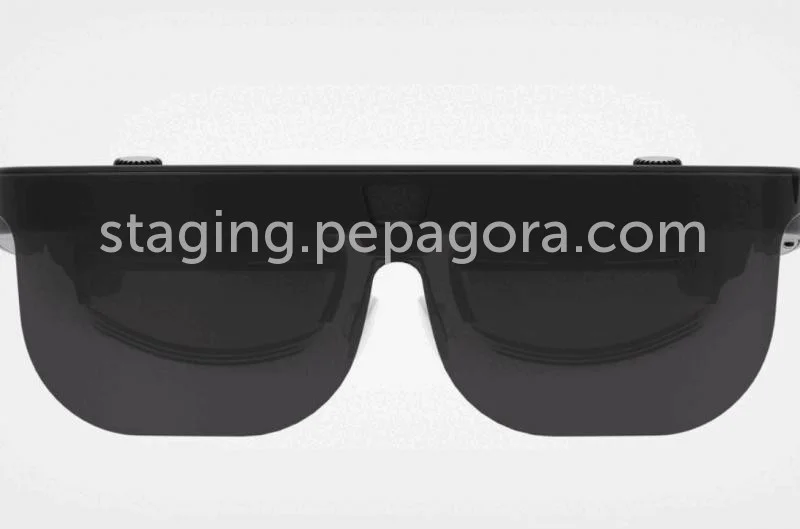
What are Augmented Reality Glasses (AR)?
Augmented Reality Glasses (AR) are advanced wearable devices that overlay digital information onto the real world. They provide users with a unique experience by integrating virtual elements with their physical surroundings. These glasses typically feature transparent displays, cameras, sensors, and microphones, enabling interactive and immersive experiences. The technology behind AR glasses allows users to see both the real environment and additional digital content simultaneously.
In the business context, AR glasses have various applications that enhance productivity and training. They are particularly valuable in industries like manufacturing, healthcare, and logistics. For instance, technicians can access real-time data while working on machinery, leading to improved efficiency. Similarly, medical professionals can visualize patient data during procedures. The market for AR glasses is expanding rapidly, driven by advancements in technology and increasing demand for innovative solutions across different sectors.
𝗞𝗲𝘆 𝗙𝗲𝗮𝘁𝘂𝗿𝗲𝘀 𝗮𝗻𝗱 𝗦𝗽𝗲𝗰𝗶𝗳𝗶𝗰𝗮𝘁𝗶𝗼𝗻𝘀
Augmented Reality Glasses are equipped with cutting-edge features that enhance user experience and functionality. Understanding these specifications is crucial for businesses looking to invest in AR technology.
Key specifications include:
1. Display Technology
- Type of display (e.g., OLED, LCD)
- Resolution and field of view parameters
2. Processor
- Type of processor (e.g., ARM, Intel)
- Performance specifications and speed
3. Battery Life
- Average usage time on a full charge
- Charging time and type of battery
4. Connectivity
- Supported connectivity options (e.g., Wi-Fi, Bluetooth)
- Range and compatibility with devices
5. Weight
- Overall weight of the device
- Impact on user comfort during extended use
6. Durability
- Resistance to environmental factors (e.g., dust, water)
- Compliance with industry standards for durability
7. Audio Features
- Type of audio output (e.g., speakers, headphones)
- Noise cancellation technology
8. Control Methods
- Options for user interaction (e.g., voice commands, touchpad)
- Compatibility with gesture recognition
In summary, the specifications of AR glasses play a vital role in their performance and usability in various applications. Businesses should carefully consider these features when selecting AR devices.
𝗖𝗼𝗺𝗺𝗼𝗻 𝗔𝗽𝗽𝗹𝗶𝗰𝗮𝘁𝗶𝗼𝗻𝘀 𝗮𝗻𝗱 𝗨𝘀𝗲 𝗖𝗮𝘀𝗲𝘀
Augmented Reality Glasses cater to a diverse range of industries, each benefiting from unique applications of the technology.
1. Manufacturing: In this sector, AR glasses assist in assembly processes by providing workers with visual instructions and real-time data, reducing errors and increasing efficiency.
2. Healthcare: Medical professionals utilize AR glasses for surgical procedures, enabling them to view patient information and imaging data directly in their line of sight, which enhances precision and decision-making.
3. Logistics: Warehouse personnel can use AR glasses to optimize picking and packing processes, improving accuracy and speeding up operations.
4. Retail: Retailers employ AR glasses to provide immersive shopping experiences, allowing customers to visualize products in their environment before making a purchase.
5. Education: Educational institutions use AR glasses for interactive learning experiences, helping students engage with complex subjects through visual aids and simulations.
𝗣𝗿𝗼𝗱𝘂𝗰𝘁 𝗩𝗮𝗿𝗶𝗮𝗻𝘁𝘀 𝗮𝗻𝗱 𝗦𝘂𝗯𝗰𝗮𝘁𝗲𝗴𝗼𝗿𝗶𝗲𝘀
The market offers a variety of Augmented Reality Glasses designed to meet specific needs and applications.
Enterprise AR Glasses
These glasses are tailored for business environments, featuring robust connectivity and durability. They often include custom software solutions for industry-specific tasks, making them ideal for training and operational efficiency.
Consumer AR Glasses
Designed for everyday users, these glasses focus on entertainment and social interaction. They may include features for gaming and social media, appealing to a broader audience.
𝗕𝗲𝗻𝗲𝗳𝗶𝘁𝘀 𝗮𝗻𝗱 𝗔𝗱𝘃𝗮𝗻𝘁𝗮𝗴𝗲𝘀
Investing in Augmented Reality Glasses brings numerous advantages to businesses seeking to innovate and enhance productivity.
1. Improved Efficiency: AR glasses streamline workflows by providing real-time information, reducing the time spent searching for data or instructions.
2. Enhanced Training: The use of AR in training programs allows for immersive learning experiences, leading to better retention and understanding of complex tasks.
3. Increased Accuracy: By overlaying critical information directly in the user’s field of vision, AR glasses help eliminate errors in high-stakes environments like manufacturing and healthcare.
4. Cost Savings: Reducing errors and improving operational efficiency can lead to significant cost savings over time, making AR technology a worthwhile investment.
5. Competitive Edge: Embracing AR technology can set a business apart from its competitors, showcasing a commitment to innovation and modern practices.
6. Safety Improvements: In hazardous environments, AR glasses can provide essential safety information, helping workers avoid potential dangers.
𝗕𝘂𝘆𝗶𝗻𝗴 𝗚𝘂𝗶𝗱𝗲 𝗳𝗼𝗿 𝗕𝟮𝗕 𝗕𝘂𝘆𝗲𝗿𝘀
When sourcing Augmented Reality Glasses, businesses should consider several critical factors to ensure they select the right product.
1. Quality Assessment: Evaluate the quality of the materials and technology used in the glasses. Look for reviews and case studies that demonstrate reliability and performance in real-world applications.
2. Supplier Verification: Conduct thorough research on potential suppliers. Ensure they have a track record of delivering high-quality products and excellent customer service.
3. Pricing and MOQ: Understand the pricing structure and minimum order quantities (MOQ). Compare costs among different suppliers to make an informed decision while considering budget constraints.
4. Delivery and Lead Times: Confirm delivery schedules and lead times with suppliers. Timely delivery is crucial for project planning and implementation.
5. Compliance Requirements: Ensure that the AR glasses meet all relevant regulatory standards and certifications, such as CE marking, to avoid issues with quality and safety.
𝗖𝗼𝗺𝗽𝗹𝗶𝗮𝗻𝗰𝗲 𝗮𝗻𝗱 𝗖𝗲𝗿𝘁𝗶𝗳𝗶𝗰𝗮𝘁𝗶𝗼𝗻𝘀
Augmented Reality Glasses must adhere to specific quality standards and certifications to ensure safety and reliability.
Relevant quality standards like ISO 9001 ensure that manufacturers maintain consistent quality management systems. This certification demonstrates a commitment to quality control in production processes.
Industry certifications such as CE are essential for compliance with European health, safety, and environmental protection standards. This certification ensures that the product meets necessary legal requirements for sale in the European market.
Additionally, safety and testing requirements must be fulfilled to guarantee that the devices are safe for users. Manufacturers should conduct comprehensive testing to validate safety features and performance.
Lastly, businesses should consider regional compliance, as regulations can vary significantly across different areas. Understanding these requirements is crucial for ensuring that products can be marketed and used without legal complications.
Why Source Augmented Reality Glasses (AR) from Pepagora?
Pepagora provides a trusted platform for sourcing Augmented Reality Glasses with several key advantages that cater specifically to B2B buyers.
Verified Supplier Network: Pepagora features a robust network of verified suppliers. Each supplier undergoes a thorough vetting process, ensuring that buyers can trust the quality and reliability of the products offered.
Streamlined RFQ Process: The Request for Quotation (RFQ) process on Pepagora is designed for efficiency. Buyers can easily submit their requirements and receive competitive quotes from multiple suppliers, simplifying the sourcing process.
Trade Assurance and Support: Pepagora offers trade assurance, providing buyers with protection throughout their purchasing experience. This support helps mitigate risks associated with online B2B transactions.
Regional Coverage: With a strong presence in regions like India, the GCC, and Southeast Asia, Pepagora connects buyers with suppliers across these areas. This regional coverage facilitates access to a wider range of products and competitive pricing.
In conclusion, sourcing Augmented Reality Glasses from Pepagora not only ensures quality and reliability but also streamlines the procurement process for businesses seeking to leverage this innovative technology.

 IN
IN