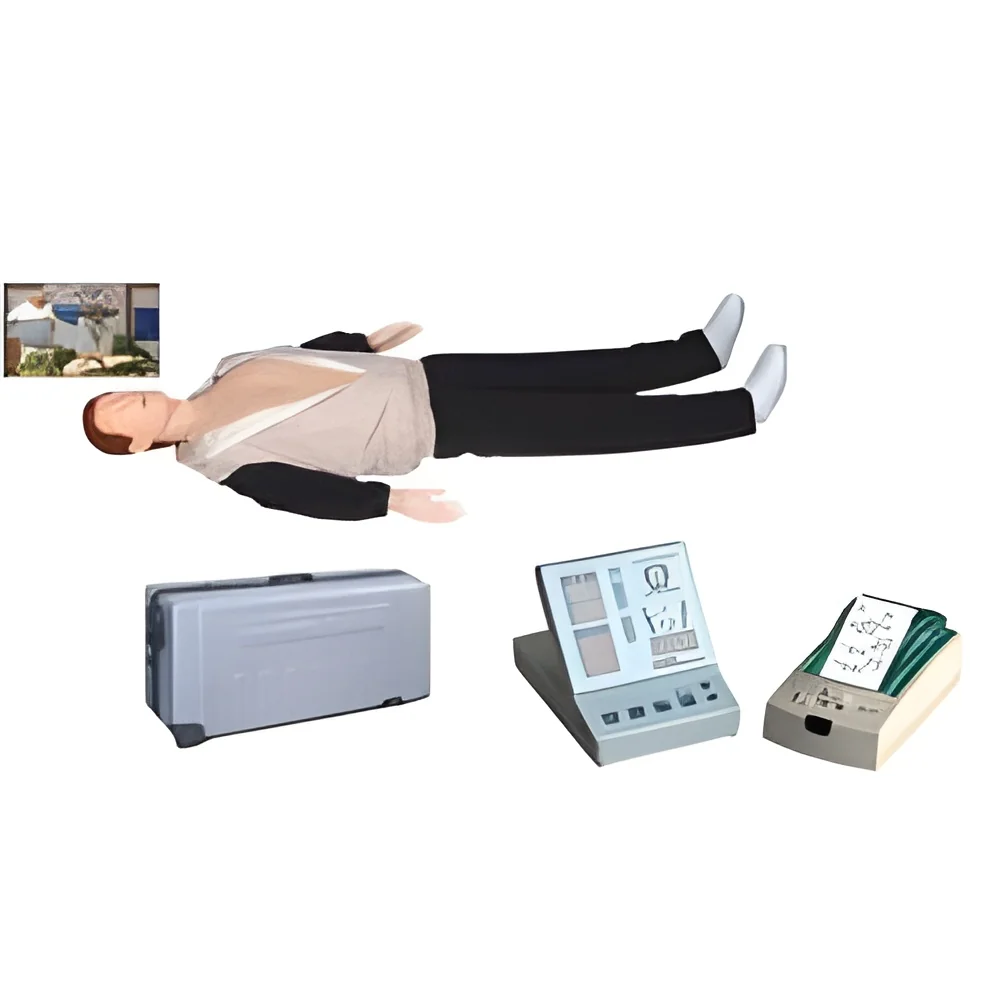
What are AR/VR in Medical Training Simulations?
Augmented Reality (AR) and Virtual Reality (VR) in medical training simulations are innovative technologies that provide immersive learning experiences for healthcare professionals. These simulations create realistic clinical environments where learners can practice medical procedures and decision-making skills without the risks associated with real-life patient interactions. By utilizing 3D visuals and interactive scenarios, AR and VR allow users to engage with complex medical concepts and procedures in a hands-on manner.
The primary uses of AR and VR in medical training include surgical simulations, anatomy education, and emergency response training. Medical institutions and training organizations leverage these technologies to enhance the educational experience for students and healthcare providers. AR and VR can facilitate remote training sessions, allowing participants from various locations to collaborate and learn together. As the demand for skilled healthcare professionals continues to grow, the relevance of AR and VR in medical training is becoming increasingly significant, with a rapidly expanding market focused on enhancing clinical education.
Key Features and Specifications
AR and VR in medical training simulations offer a range of features designed to enhance the learning experience. These features can improve engagement, retention, and overall skill development among trainees.
Key specifications include:
1. Immersive Environment
- Fully interactive 3D simulations
- Realistic scenarios that mimic clinical settings
2. User-Friendly Interface
- Intuitive controls for easy navigation
- Accessibility for varying levels of technical skill
3. Customizable Scenarios
- Options to tailor training modules based on specific needs
- Ability to adjust difficulty levels for different learner stages
4. Performance Tracking
- Real-time analytics to monitor progress
- Feedback mechanisms to help users improve skills
5. Multi-User Capabilities
- Support for collaborative training sessions
- Enables peer-to-peer learning and teamwork
6. Integration with Learning Management Systems
- Compatibility with existing educational platforms
- Streamlined tracking of training outcomes
7. High-Quality Graphics
- Advanced visual rendering for realistic experiences
- Detailed anatomical representations
8. Safety Features
- Risk-free environment for practicing procedures
- Emergency response scenarios without real-world consequences
These specifications collectively contribute to a more effective training process, ensuring that healthcare professionals are well-prepared for real-life situations.
Common Applications and Use Cases
AR and VR technologies in medical training have broad applications across various industries.
1. Medical Education: Medical schools employ AR and VR for teaching anatomy and surgical techniques, enhancing students' understanding through interactive learning.
2. Nursing Training: Nursing programs use simulations to train students in patient care, communication, and emergency response, allowing for hands-on practice in a safe environment.
3. Surgical Training: Surgeons utilize VR simulations to rehearse complex procedures, improving their skills and confidence before operating on actual patients.
4. Emergency Medical Services: First responders use AR scenarios to practice critical decision-making skills in high-pressure situations, enhancing their readiness for real emergencies.
5. Continuing Professional Development: Healthcare professionals engage in AR and VR training to update their skills and knowledge, ensuring they remain current with medical advancements.
6. Rehabilitation Programs: Virtual reality is used in physical therapy to create engaging exercises that motivate patients during their recovery process.
7. Patient Education: Healthcare providers use AR to help patients understand procedures and treatments, enhancing communication and satisfaction.
Product Variants and Subcategories
AR and VR in medical training simulations come in various configurations, catering to diverse training needs.
VR Surgical Simulator
This variant offers a comprehensive platform for practicing surgical techniques in a virtual environment. It features realistic instrument handling and anatomy visualization, helping trainees gain confidence in their skills.
AR Anatomy Explorer
This tool allows users to interact with 3D anatomical models using augmented reality. It is especially useful for medical students and educators seeking to enhance their understanding of human anatomy through immersive exploration.
VR Patient Interaction Simulator
This variant focuses on improving communication and diagnostic skills through simulated patient interactions. It enables healthcare professionals to practice patient assessments and develop their bedside manner in a controlled setting.
Benefits and Advantages
The implementation of AR and VR in medical training simulations offers numerous benefits that enhance the educational experience.
Key benefits include:
1. Enhanced Learning Retention: Trainees remember skills and concepts better when engaged in immersive experiences.
2. Reduced Training Costs: Virtual simulations can decrease the need for physical materials and facilities, saving institutions money in the long run.
3. Improved Accessibility: Trainees can access simulations remotely, making training available to those in various locations.
4. Safe Learning Environment: AR and VR provide a risk-free setting for practicing medical procedures without harming patients.
5. Immediate Feedback: Users receive real-time performance evaluations, allowing for quick adjustments and improvements.
6. Increased Engagement: Interactive elements keep learners motivated and interested in the training process.
Buying Guide for B2B Buyers
When sourcing AR and VR in medical training simulations, it is essential to consider various factors to make an informed purchasing decision.
1. Quality Assessment: Evaluate the quality of simulations based on user feedback and industry reviews. Look for products that adhere to recognized educational standards.
2. Supplier Verification: Vet suppliers to ensure they have a proven track record in providing reliable and effective training solutions. Check for customer testimonials and case studies.
3. Pricing and MOQ: Understand the pricing structure and minimum order quantities. Comparing prices among suppliers can help identify competitive offerings.
4. Delivery and Lead Times: Inquire about logistics and expected delivery times. Timely delivery is crucial for institutions planning training schedules.
5. Compliance Requirements: Ensure that the products meet industry regulations and standards, including any necessary certifications for medical training tools.
Compliance and Certifications
AR and VR in medical training simulations are subject to various compliance and certification standards that ensure their safety and effectiveness.
Relevant quality standards such as ISO 9001 guarantee that products are manufactured following rigorous quality management systems. This ensures consistent performance and reliability.
Industry certifications like UL and CE indicate that the products meet specific safety and performance criteria. These certifications are essential for gaining trust among users and aligning with regulatory requirements.
Safety and testing requirements must be strictly adhered to, ensuring that simulations do not pose risks to users. Additionally, regional compliance considerations may vary, necessitating awareness of local laws and regulations concerning medical training tools.
Why Source AR/VR in Medical Training Simulations from Pepagora?
Pepagora provides a trusted platform for sourcing AR and VR in medical training simulations with several key advantages.
Verified Supplier Network: Pepagora connects buyers with a network of verified suppliers, ensuring that customers receive high-quality products from reputable sources. This network is built on rigorous vetting processes to maintain quality standards.
Streamlined RFQ Process: The platform offers a user-friendly Request for Quotation (RFQ) system that simplifies the procurement process. Buyers can easily compare offerings and make informed decisions based on their specific needs.
Trade Assurance and Support: Pepagora provides trade assurance, offering protection for buyers throughout the transaction process. This support includes assistance with any issues that may arise, ensuring a smooth purchasing experience.
Regional Coverage: With a geographic reach that includes India, the Gulf Cooperation Council (GCC) countries, and Southeast Asia, Pepagora caters to a diverse range of customers. This broad coverage allows buyers to access a variety of solutions tailored to their regional requirements.

 IN
IN