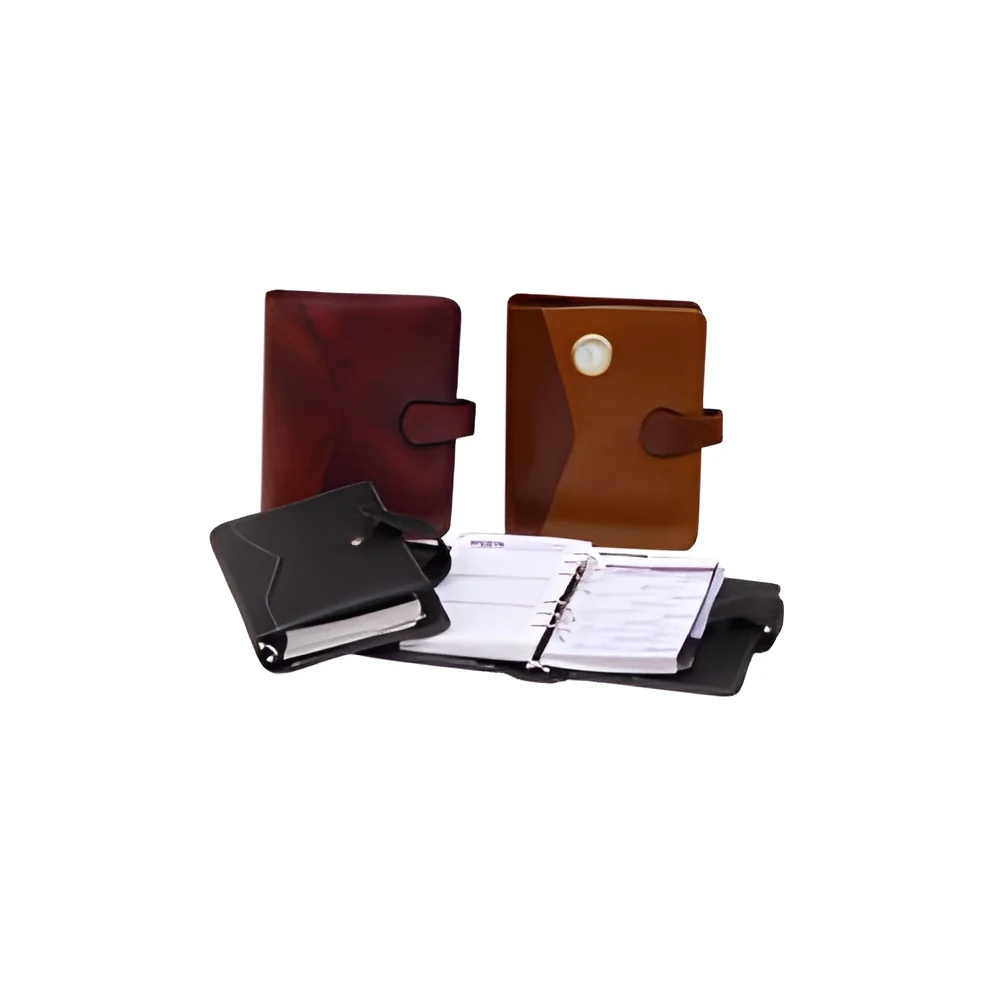
What are Appointment Scheduling Assistants?
Appointment Scheduling Assistants are digital tools designed to streamline the process of managing appointments and meetings. These assistants automate the scheduling process, reducing the time spent on back-and-forth communications. They often integrate with calendars, enabling users to select available time slots, send invitations, and receive confirmations seamlessly.
Primarily, businesses use appointment scheduling assistants to enhance efficiency in managing meetings with clients, partners, and employees. They are particularly beneficial in environments where time management is critical, such as healthcare, corporate offices, and service industries. By automating scheduling tasks, these tools help reduce administrative overhead and improve customer satisfaction by ensuring timely and organized appointments.
In today's competitive market, the relevance of appointment scheduling assistants is growing. With the rise of remote work and global collaboration, businesses are increasingly relying on these tools to facilitate communication and organization. As companies seek to optimize their operational workflows, appointment scheduling assistants have become essential for maintaining productivity and ensuring effective time management.
Key Features and Specifications
Appointment Scheduling Assistants offer a range of features designed to enhance user experience and streamline scheduling tasks. These tools can adapt to various business needs, making them versatile solutions for different industries.
Key specifications include:
1. Calendar Integration
- Seamless integration with popular calendar applications like Google Calendar and Microsoft Outlook
- Real-time syncing to avoid double-booking and ensure schedule accuracy
2. Automated Reminders
- Automatic email and SMS reminders sent to participants before an appointment
- Reduces no-show rates and keeps all parties informed
3. User-Friendly Interface
- Intuitive design that simplifies the scheduling process for users
- Accessible on various devices, including smartphones, tablets, and desktops
4. Customizable Booking Pages
- Ability to create personalized booking pages that reflect company branding
- Options to set availability and appointment types based on user preferences
5. Reporting and Analytics
- Insights into scheduling patterns, user engagement, and appointment metrics
- Helps businesses optimize their scheduling strategies based on data
6. Multi-Time Zone Support
- Ability to schedule appointments across different time zones
- Ensures clarity and coordination in global operations
7. Payment Integration
- Options for integrating payment processing for services requiring upfront payment
- Simplifies billing and reduces administrative tasks
8. Security Features
- Robust security protocols to protect sensitive scheduling information
- Compliance with data protection regulations to ensure user privacy
These features collectively enhance the functionality and effectiveness of appointment scheduling assistants, making them invaluable tools for businesses.
Common Applications and Use Cases
Appointment Scheduling Assistants find applications in various industries, improving efficiency and communication.
1. Healthcare: Medical offices utilize appointment scheduling assistants to manage patient appointments, reducing administrative burdens and improving patient flow.
2. Education: Schools and universities employ these tools for scheduling meetings between students, faculty, and parents, enhancing communication and organization.
3. Consulting Services: Consultants use appointment scheduling assistants to coordinate client meetings, ensuring that time is managed effectively and reducing the chances of scheduling conflicts.
4. Legal Services: Law firms benefit from these tools by simplifying the appointment process for client consultations and court appearances, ensuring timely legal representation.
5. Beauty and Wellness: Salons and spa services leverage scheduling assistants to handle client appointments, improve customer experience, and optimize staff scheduling.
6. Sales and Marketing: Sales teams use these tools to set up meetings with prospects and clients, streamlining lead generation efforts and enhancing follow-up processes.
7. Real Estate: Real estate agents utilize appointment scheduling assistants to manage property viewings and client meetings, ensuring effective time management.
Product Variants and Subcategories
Appointment Scheduling Assistants come in a variety of forms to cater to different business needs and preferences.
Basic Version
This variant offers essential scheduling features suitable for small businesses or individual users. It includes calendar integration and automated reminders, making it a cost-effective solution for those needing simple scheduling capabilities.
Professional Version
Designed for medium to large enterprises, this variant includes advanced features such as customizable booking pages, reporting analytics, and multi-time zone support. It is perfect for organizations that require more robust scheduling tools to manage a higher volume of appointments.
Enterprise Version
This variant is tailored for large organizations with complex scheduling needs. It includes all features from the professional version, plus additional security features, payment integration, and dedicated customer support. This version is ideal for businesses that require enhanced functionalities and compliance measures.
Benefits and Advantages
Appointment Scheduling Assistants provide numerous advantages to businesses looking to optimize their scheduling processes.
1. Time Efficiency: By automating appointment scheduling, businesses save valuable time that can be redirected towards core activities.
2. Improved Customer Experience: Clients benefit from easy scheduling options, leading to higher satisfaction and better retention rates.
3. Reduced No-Shows: Automated reminders help decrease the number of missed appointments, ensuring better utilization of resources.
4. Enhanced Organization: Centralized scheduling reduces confusion and miscommunication, leading to a more organized workflow.
5. Increased Productivity: Streamlined scheduling allows employees to focus on their primary responsibilities rather than administrative tasks.
6. Customizable Solutions: Businesses can tailor scheduling tools to meet their specific needs, enhancing adaptability and relevance.
Buying Guide for B2B Buyers
When sourcing Appointment Scheduling Assistants, businesses should consider several key factors to ensure an informed purchase decision.
1. Quality Assessment: Evaluate the quality of the scheduling assistant based on user reviews, feature robustness, and ease of use. Consider conducting a trial or demo to assess usability.
2. Supplier Verification: Verify the credibility of suppliers by checking their industry experience, customer testimonials, and any certifications they hold.
3. Pricing and MOQ: Understand the pricing structure and minimum order quantities (MOQ) offered by suppliers. Compare costs against the features provided to ensure value for investment.
4. Delivery and Lead Times: Discuss logistics with suppliers to understand delivery timelines. Ensure that lead times align with your business needs to avoid disruptions.
5. Compliance Requirements: Assess any regulatory compliance needs specific to your industry. Ensure the chosen scheduling assistant meets these requirements to avoid potential legal issues.
Compliance and Certifications
Appointment Scheduling Assistants must adhere to various quality standards and certifications to ensure reliability and safety.
ISO 9001 is a widely recognized quality management standard that applies to many business operations, including those offering appointment scheduling solutions. Compliance with ISO 9001 indicates a commitment to continuous improvement and customer satisfaction.
Additionally, certifications such as UL and CE ensure that products meet safety and performance standards. These certifications are crucial for building trust with customers and ensuring the product is safe for use.
Safety and testing requirements are critical in ensuring that the scheduling tools function as intended without compromising user data. Businesses should confirm that suppliers adhere to these standards.
Regional compliance considerations may vary, and businesses should ensure that the scheduling tools they choose comply with local regulations concerning data protection and privacy.
Why Source Appointment Scheduling Assistants from Pepagora?
Pepagora stands out as a trusted platform for sourcing Appointment Scheduling Assistants, offering several key advantages for B2B buyers.
Verified Supplier Network: Pepagora conducts thorough vetting of suppliers to ensure that businesses are connected with reputable manufacturers and service providers. This helps buyers make informed decisions and reduces risks associated with sourcing.
Streamlined RFQ Process: The platform simplifies the request for quotation (RFQ) process, allowing businesses to quickly compare options and select the best-fit solutions for their needs. This saves time and enhances efficiency.
Trade Assurance and Support: Pepagora offers trade assurance, providing buyers with protection against potential issues during the purchasing process. Support is available to address any concerns or inquiries, ensuring a smooth transaction.
Regional Coverage: With a geographic reach that includes India, the GCC, and Southeast Asia, Pepagora connects businesses to a wide range of suppliers. This regional coverage enhances the ability to find suitable appointment scheduling assistants tailored to specific market needs.

 IN
IN