
 IN
Anti-Allergy Pillow Covers
3 products available
What are Anti-Allergy Pillow Covers?
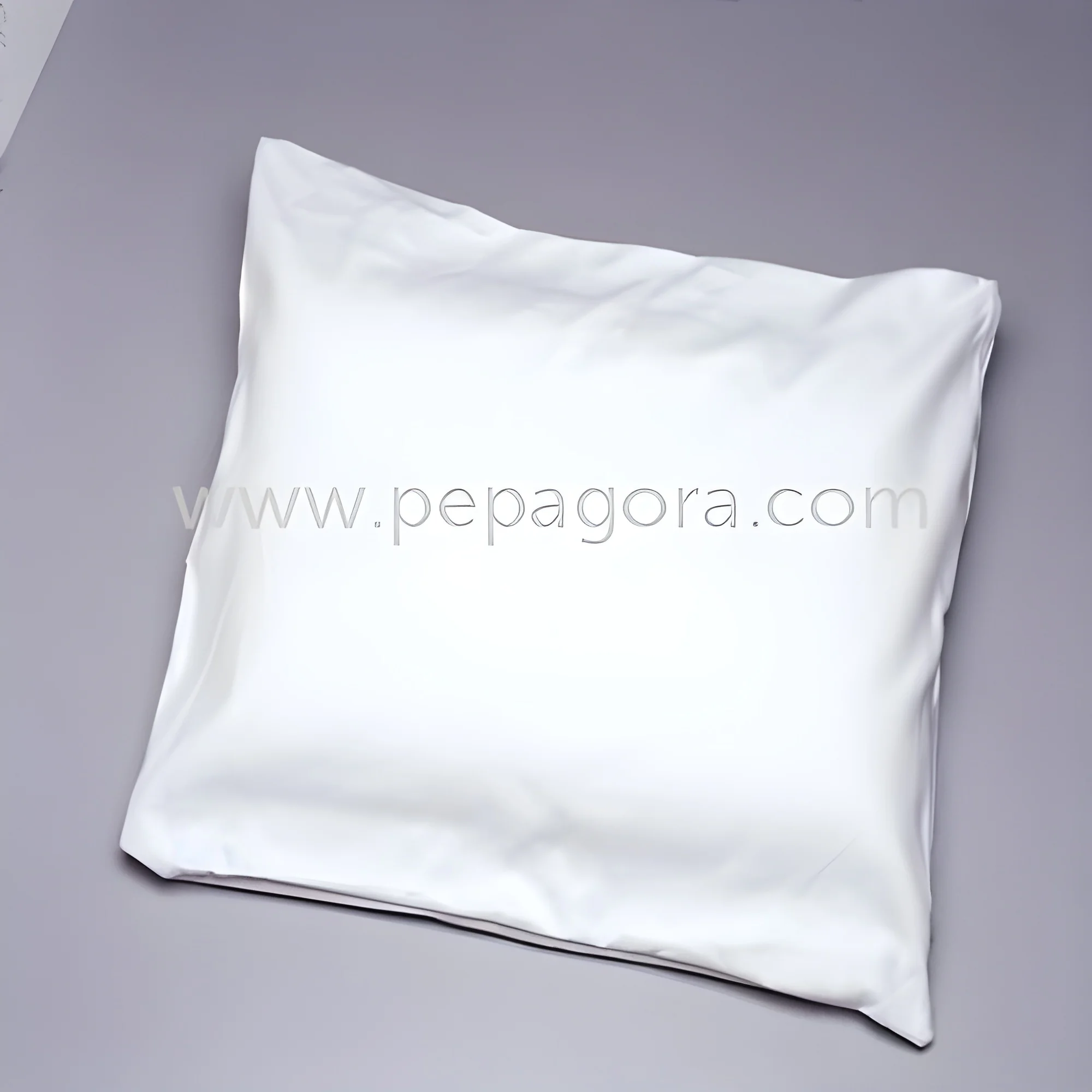
Anti-Allergy Pillow Covers are specially designed protective coverings that help reduce the presence of allergens in bedding. These covers are made from materials that are resistant to dust mites, pollen, mold, and other common allergens. They provide a barrier that helps to keep allergens from coming into contact with the sleeper, thereby improving overall sleep quality and comfort.
The primary uses of Anti-Allergy Pillow Covers are in residential, commercial, and healthcare settings. In homes, they are ideal for individuals with allergies or asthma, providing a healthier sleep environment. In hotels and hospitality businesses, these covers help enhance guest satisfaction by ensuring clean and allergen-free bedding. Healthcare facilities also utilize these covers to protect patients with respiratory issues from exposure to allergens.
In today's market, the relevance of Anti-Allergy Pillow Covers is growing due to the increasing awareness of allergies and their impacts on health. The rise in allergic reactions has led to a demand for products that can help mitigate these issues. Industries focused on wellness, hospitality, and healthcare are particularly interested in sourcing high-quality pillow covers to meet consumer needs.
Key Features and Specifications
Anti-Allergy Pillow Covers offer a range of features designed to enhance their effectiveness and usability. These features are crucial for ensuring that the covers meet the needs of various industries and consumers.
Key specifications include:
1. Material Composition
- Made from hypoallergenic fabrics that prevent allergen penetration.
- Often constructed from polyester or cotton blends for durability.
2. Breathability
- Allows airflow while maintaining allergen barriers.
- Helps regulate temperature for a comfortable sleep experience.
3. Washability
- Machine washable for easy maintenance.
- Resistant to wear and tear during washing.
4. Size Availability
- Available in standard pillow sizes such as standard, queen, and king.
- Custom sizes may be available upon request.
5. Closure Type
- Features zippered or envelope closures to ensure complete allergen protection.
- Ensures that the pillow stays secure and covered.
6. Certifications
- Typically certified for safety and performance, such as CE certification.
- Ensures compliance with health and safety standards.
7. Warranty
- Often comes with a product warranty to guarantee quality.
- Provides assurance to buyers regarding product longevity.
In summary, Anti-Allergy Pillow Covers are characterized by their durable materials, breathability, and ease of maintenance, making them a valuable investment for consumers and businesses alike.
Common Applications and Use Cases
Anti-Allergy Pillow Covers are versatile products that find applications across various industries.
1. Hospitality Industry: Hotels and resorts use these covers to ensure that guest bedding is free from allergens, enhancing guest comfort and satisfaction.
2. Healthcare Sector: Hospitals and clinics utilize these covers to protect patients with allergies or respiratory conditions, creating a safer healing environment.
3. Residential Market: Homeowners looking to improve their sleep quality invest in these covers to reduce allergen exposure, particularly in households with allergy sufferers.
4. Educational Institutions: Schools and dormitories adopt these covers to promote a healthier living and learning environment for students.
5. Senior Living Facilities: Assisted living and nursing homes implement Anti-Allergy Pillow Covers to protect vulnerable residents from allergens, thereby improving their quality of life.
6. Bedding Manufacturers: Companies producing bedding products incorporate these covers into their offerings to meet the growing demand for allergen-resistant solutions.
7. Childcare Facilities: Daycares and preschools use these covers to ensure a safe sleeping environment for children, minimizing the risk of allergic reactions.
Product Variants and Subcategories
Anti-Allergy Pillow Covers come in various types to cater to different needs and preferences.
Standard Anti-Allergy Pillow Covers: These are the most common type, designed to fit standard pillow sizes while providing effective allergen protection. They are typically made from breathable, hypoallergenic materials.
Luxury Anti-Allergy Pillow Covers: This variant offers premium materials and finishes, providing a more comfortable sleep experience. They may feature additional comfort technologies such as cooling fabrics or extra padding for enhanced softness.
Travel Anti-Allergy Pillow Covers: Designed for portability, these covers are lightweight and easy to pack. They are ideal for travelers who want to ensure a clean and allergen-free sleeping environment while away from home.
Benefits and Advantages
Anti-Allergy Pillow Covers provide numerous benefits to consumers and businesses.
1. Improved Sleep Quality: By reducing allergens, these covers help individuals with allergies sleep better, leading to enhanced rest and overall health.
2. Enhanced Comfort: The breathable materials used in these covers help regulate temperature, contributing to a more comfortable sleeping experience.
3. Easy Maintenance: Most covers are machine washable, making them simple to clean and maintain over time.
4. Long-lasting Durability: Made from high-quality materials, these covers are designed to withstand regular use and laundering without losing their effectiveness.
5. Cost-effective Solution: Investing in Anti-Allergy Pillow Covers can lead to long-term savings by reducing allergy-related health issues and improving overall well-being.
6. Versatile Applications: These covers are suitable for various settings, from homes to healthcare facilities, making them a practical choice for diverse industries.
Buying Guide for B2B Buyers
When sourcing Anti-Allergy Pillow Covers, B2B buyers should consider several important factors to ensure they make informed purchasing decisions.
1. Quality Assessment: Evaluate the material quality and construction of the pillow covers. Look for hypoallergenic fabrics and durable designs that will withstand regular use.
2. Supplier Verification: Vet potential suppliers to ensure they have a good reputation and provide reliable products. Request samples if possible to assess quality firsthand.
3. Pricing and MOQ: Understand pricing structures and minimum order quantities (MOQ) to ensure that the purchase aligns with budgetary constraints and business needs.
4. Delivery and Lead Times: Inquire about delivery options and lead times to ensure that products can be received in a timely manner to meet operational requirements.
5. Compliance Requirements: Check for compliance with relevant safety and health standards, such as CE certification, to ensure that products meet necessary regulations.
Compliance and Certifications
Anti-Allergy Pillow Covers are subject to various quality standards and certifications that ensure their safety and effectiveness. Relevant standards include ISO 9001, which focuses on quality management systems, and HACCP, which emphasizes risk management in production processes. Compliance with these standards is crucial for manufacturers to guarantee product reliability.
In addition to these standards, Anti-Allergy Pillow Covers often hold industry certifications such as CE certification. This certification indicates that the product meets European health, safety, and environmental protection standards.
Safety and testing requirements are vital in the manufacturing of these covers. Regular testing for allergen resistance and material safety is essential to ensure that the products perform as intended.
Furthermore, regional compliance considerations must be taken into account, as different countries may have varying regulations regarding textile products. Understanding these requirements helps businesses avoid legal issues and ensures product acceptance in different markets.
Why Source Anti-Allergy Pillow Covers from Pepagora?
Pepagora is a trusted platform for sourcing Anti-Allergy Pillow Covers, offering several key advantages for B2B buyers.
Verified Supplier Network: Pepagora connects buyers with a network of verified suppliers, ensuring that all listed manufacturers meet stringent quality and safety standards. This verification process builds trust and confidence in sourcing decisions.
Streamlined RFQ Process: The platform features an efficient Request for Quotation (RFQ) process that simplifies the procurement journey. Buyers can easily submit their requirements and receive competitive quotes from multiple suppliers.
Trade Assurance and Support: Pepagora provides trade assurance features that protect buyers, ensuring that transactions are secure. The platform also offers dedicated support to assist with any inquiries or issues that may arise during the sourcing process.
Regional Coverage: With a strong presence in India, the GCC, and Southeast Asia, Pepagora offers extensive regional coverage, making it easier for businesses to find local suppliers and meet their specific needs. This geographic reach helps facilitate efficient logistics and supply chain management.
In conclusion, Pepagora stands out as a reliable source for Anti-Allergy Pillow Covers, combining a verified supplier network, an efficient RFQ process, trade assurance, and broad regional coverage to enhance the buyer's experience.

Frequently Asked Questions
What are Anti-Allergy Pillow Covers?
Anti-Allergy Pillow Covers are specially designed covers that prevent allergens such as dust mites, mold, and pet dander from penetrating the pillow. These covers are typically made from tightly woven fabrics that act as a barrier, promoting a healthier sleeping environment for allergy sufferers.
What are the different types of Anti-Allergy Pillow Covers?
There are several types of Anti-Allergy Pillow Covers available, including those made from cotton, polyester, and hypoallergenic materials. Some covers are also waterproof, adding an extra layer of protection, while others may feature additional treatments to enhance their allergy-resistant properties.
How do I choose the right Anti-Allergy Pillow Covers?
When selecting Anti-Allergy Pillow Covers, consider the material, size, and any additional features such as waterproofing or breathability. It's also important to check for certifications that indicate the cover's effectiveness against allergens.
What are the standard specifications for Anti-Allergy Pillow Covers?
Standard specifications for Anti-Allergy Pillow Covers typically include dimensions that fit standard pillow sizes and a thread count that indicates the fabric's density. Many manufacturers also specify the level of allergen protection, often measured in microns.
What is the price range for Anti-Allergy Pillow Covers?
The price range for Anti-Allergy Pillow Covers can vary significantly based on materials and features, typically ranging from INR 300 to INR 1500 per cover. Bulk purchases may offer discounts, allowing for cost savings.
What quality standards apply to Anti-Allergy Pillow Covers?
Quality standards for Anti-Allergy Pillow Covers often include certifications for hypoallergenic properties and testing against allergens. Look for products that comply with international standards such as Oeko-Tex or ASTM to ensure safety and effectiveness.
Where can I find Anti-Allergy Pillow Covers suppliers in India?
You can find Anti-Allergy Pillow Covers suppliers in India through B2B marketplaces like Pepagora.com, trade shows, or by searching online directories. It's advisable to research suppliers for their reputation and product quality.
Can Anti-Allergy Pillow Covers be customized?
Yes, many manufacturers offer customization options for Anti-Allergy Pillow Covers, including choice of fabric, size, and design. Customization may require a minimum order quantity and additional lead time.
What is the typical minimum order quantity for Anti-Allergy Pillow Covers?
The typical minimum order quantity (MOQ) for Anti-Allergy Pillow Covers varies by supplier but usually ranges from 50 to 100 units. It's best to confirm MOQs with the specific supplier you are considering.
What is the typical lead time for Anti-Allergy Pillow Covers?
The typical lead time for Anti-Allergy Pillow Covers can range from 2 to 6 weeks, depending on the supplier and whether the order is customized. It's important to discuss lead times upfront to ensure timely delivery.
Why Businesses Trust Pepagora
Thousands of companies trust Pepagora to source smarter and sell faster
Expand Your Sales Globally

Source Smarter,Grow Faster
