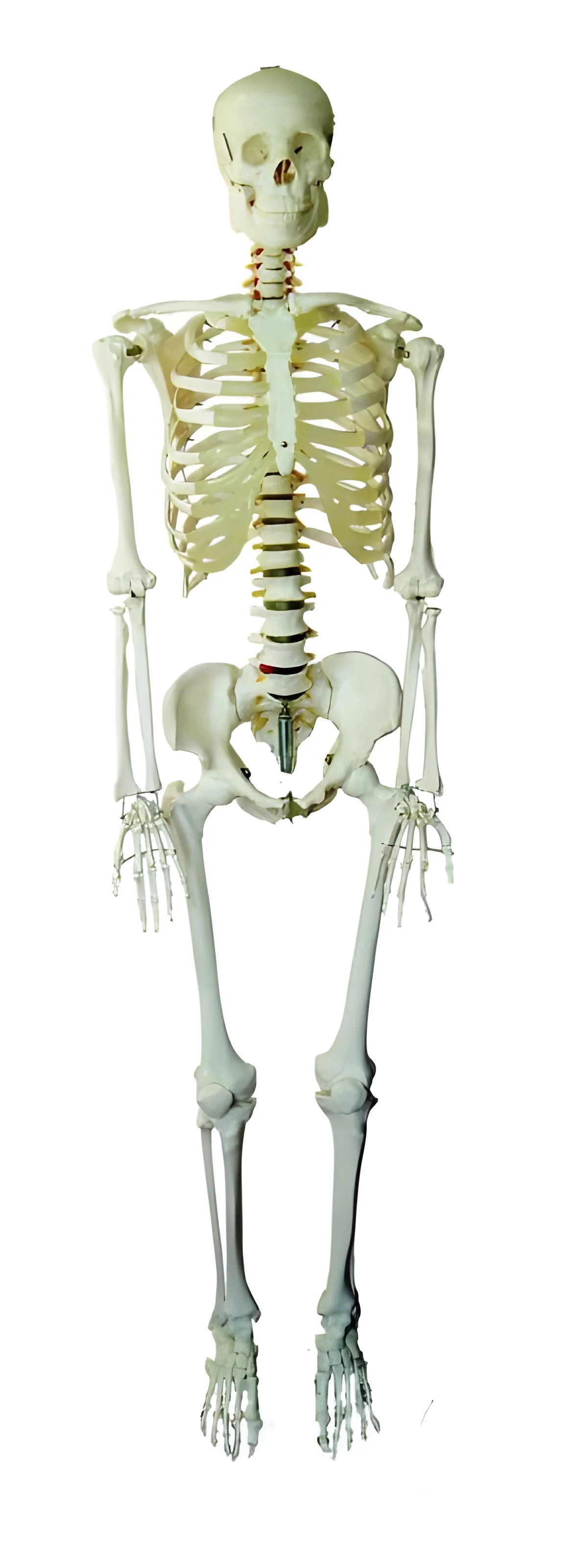
What are 3D Puzzles & Models?
3D puzzles and models are intricate three-dimensional representations that can be assembled from various materials, including wood, plastic, and cardboard. These products come in many shapes and complexities, appealing to different age groups and skill levels. Typically, they require users to piece together multiple parts to recreate a detailed structure or design, often resembling buildings, vehicles, or landscapes. The tactile engagement and visual satisfaction of completing these models make them popular among hobbyists and educational institutions.
In the business realm, 3D puzzles and models are utilized for various applications, including educational tools, marketing displays, and product prototypes. They serve as effective teaching aids, enhancing spatial awareness and problem-solving skills among students. Industries such as architecture, engineering, and design often use 3D models to visualize concepts and present ideas to clients. The growing interest in interactive learning and experiential marketing has further propelled the demand for these products in the marketplace.
As the industry continues to evolve, the market for 3D puzzles and models is expanding. The rise of online platforms and customizable options has made these products more accessible to a wider audience. Companies are increasingly recognizing the value of incorporating 3D models into their operations, thereby driving innovation and creativity in their respective fields.
Key Features and Specifications
3D puzzles and models come with a variety of features that cater to different needs and preferences. Understanding these specifications is crucial for buyers when selecting the right product for their applications.
Key specifications include:
1. Material Types
- Common materials include wood, plastic, and cardboard
- Each material offers unique durability and aesthetic qualities
2. Complexity Levels
- Ranges from simple designs for beginners to intricate models for advanced users
- Complexity affects assembly time and skill requirements
3. Size Dimensions
- Varying sizes available, typically ranging from small handheld models to large display pieces
- Size affects the level of detail and intended use
4. Assembly Requirements
- Some puzzles come pre-assembled, while others require complete assembly
- Tools or adhesives may be needed for certain types
5. Educational Value
- Many models are designed to enhance learning in subjects like math, science, and engineering
- They can be integrated into lesson plans and hands-on activities
6. Customization Options
- Some manufacturers offer personalized designs or branding opportunities
- Custom puzzles can serve as promotional items or gifts
7. Safety Standards
- Products should meet relevant safety and quality certifications
- Compliance with safety standards ensures suitability for intended users
8. Packaging and Presentation
- Attractive packaging can enhance retail display and appeal
- Eco-friendly packaging options are increasingly preferred
In summary, understanding the features and specifications of 3D puzzles and models is essential for making informed purchasing decisions. Buyers should consider their specific needs and the intended applications when evaluating different options.
Common Applications and Use Cases
3D puzzles and models find applications across various industries, showcasing their versatility and utility.
1. Education: In schools, 3D puzzles are used to teach concepts in science, mathematics, and art. They enhance hands-on learning and engage students in a creative way.
2. Marketing: Companies utilize 3D models as promotional tools to showcase new products or ideas. They provide a tangible representation that can attract and engage potential clients.
3. Architecture: Architects use 3D models to visualize designs and present them to clients. These models help in understanding spatial relationships and aesthetics.
4. Engineering: Engineers often create 3D models for product development and testing. They can simulate functionality and assess design feasibility before production.
5. Hobby and Leisure: Many individuals enjoy building 3D puzzles as a recreational activity. These models offer a satisfying challenge and a sense of accomplishment upon completion.
6. Museums and Exhibits: 3D models are often used in museums for educational displays. They help convey complex historical or scientific concepts in an accessible manner.
7. Event Planning: Event organizers use themed 3D models for decorations and displays. These models can enhance the overall ambiance and create memorable experiences.
Product Variants and Subcategories
3D puzzles and models offer a diverse range of variants, catering to different interests and needs.
Architectural Models
These models replicate famous buildings or structures. They are often used in educational settings or as decorative pieces in homes and offices.
Vehicle Models
These include cars, airplanes, and boats. Vehicle models appeal to enthusiasts and are often highly detailed, showcasing intricate designs.
Animal Models
These puzzles represent various animal species. They are popular in educational contexts and can promote awareness of wildlife and conservation.
Fantasy and Sci-Fi Models
These models depict characters and settings from popular culture. They attract fans of specific genres and often feature unique design elements.
Benefits and Advantages
3D puzzles and models provide several advantages that make them appealing to various sectors.
Key benefits include:
1. Enhanced Learning: They serve as effective educational tools that promote active engagement and skill development among learners.
2. Creative Expression: Building 3D puzzles allows users to express their creativity and enjoy a fulfilling pastime.
3. Improved Spatial Awareness: Assembling these models helps enhance spatial reasoning skills, which are valuable across numerous disciplines.
4. Versatile Marketing Tool: Businesses can use 3D models to create interactive marketing experiences that captivate potential customers.
5. Customization Opportunities: Many suppliers offer options for personalized designs, allowing businesses to tailor products to their branding needs.
6. Stress Relief: Engaging in the assembly of 3D puzzles can provide a relaxing and enjoyable outlet for stress relief.
Buying Guide for B2B Buyers
When sourcing 3D puzzles and models, B2B buyers should take several factors into account to ensure they make informed decisions.
1. Quality Assessment: Buyers should evaluate the quality of materials used in the puzzles. High-quality products ensure durability and a better user experience.
2. Supplier Verification: It is essential to vet suppliers for reliability and reputation. Researching their history and customer feedback can provide insights into their trustworthiness.
3. Pricing and MOQ: Understanding pricing structures and minimum order quantities is crucial. Buyers should seek competitive pricing while considering the value offered.
4. Delivery and Lead Times: Buyers must inquire about logistics, including delivery times and shipping options. Timely delivery is vital for maintaining production schedules.
5. Compliance Requirements: It is important to ensure that products meet relevant industry standards and regulations. Compliance ensures safety and quality for end-users.
Compliance and Certifications
Compliance and certifications play a significant role in the quality and safety of 3D puzzles and models.
Relevant quality standards such as ISO 9001 ensure that manufacturers maintain consistent quality in their production processes. This certification indicates that a company adheres to international standards for quality management systems.
Industry certifications like CE mark products as compliant with European health, safety, and environmental protection standards. This is crucial for products being sold in European markets.
Safety and testing requirements are essential to guarantee that products are safe for consumers, especially children. Manufacturers must conduct rigorous testing to ensure that their products are free from harmful materials and hazards.
Regional compliance considerations may vary, and buyers should be aware of specific regulations in their target markets. Adhering to local laws can prevent legal issues and enhance consumer confidence.
Why Source 3D Puzzles & Models from Pepagora?
Pepagora provides a trusted platform for sourcing 3D puzzles and models, offering several key advantages to B2B buyers.
Verified Supplier Network: Pepagora ensures that all suppliers are verified, providing buyers with confidence in the quality and reliability of the products. This network allows buyers to connect with reputable manufacturers easily.
Streamlined RFQ Process: The Request for Quotation (RFQ) process on Pepagora is designed to be efficient. Buyers can quickly submit their needs and receive competitive quotes from multiple suppliers, saving time and effort.
Trade Assurance and Support: Pepagora offers trade assurance to protect buyers throughout the purchasing process. This includes support in case of disputes or issues, ensuring a smooth transaction experience.
Regional Coverage: With a strong presence in India, GCC, and Southeast Asia, Pepagora caters to a wide geographic area. This allows buyers to access a diverse range of products and suppliers tailored to their specific market needs.

 IN
IN

 India
India