IN
IN₹
Apparel & Fashion
Description
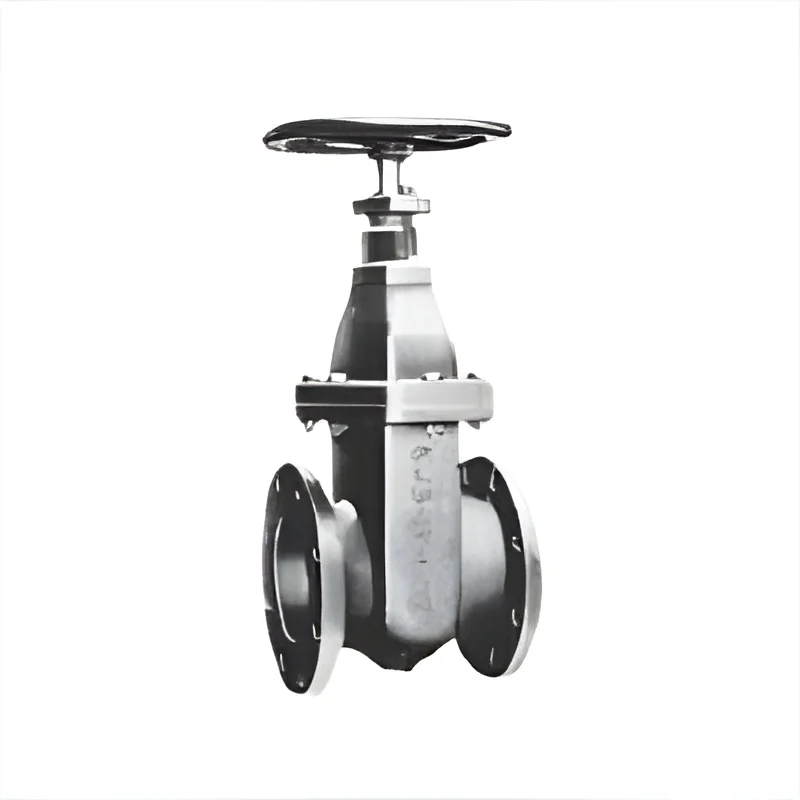
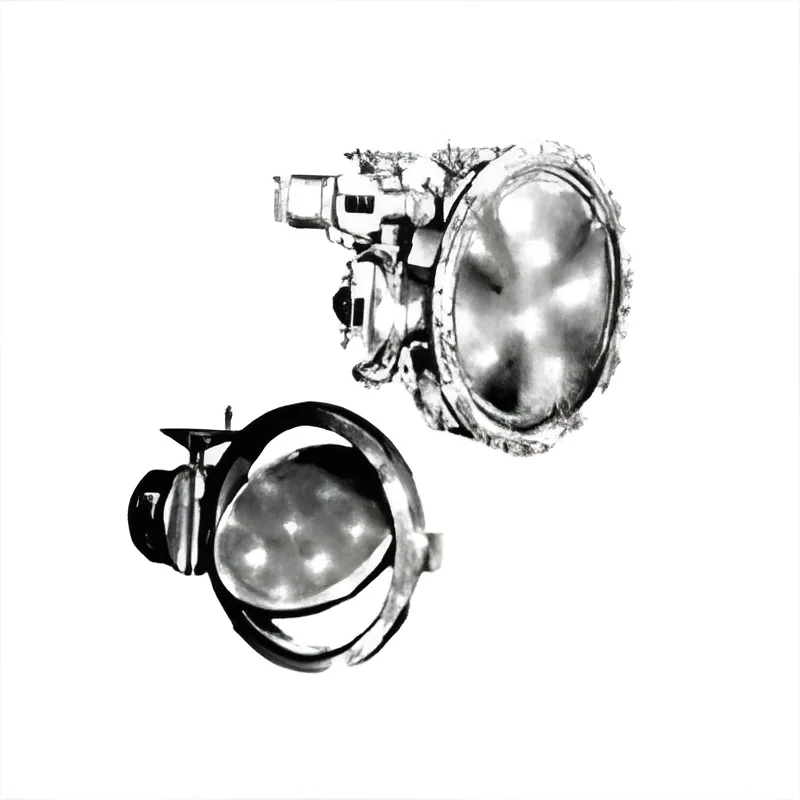
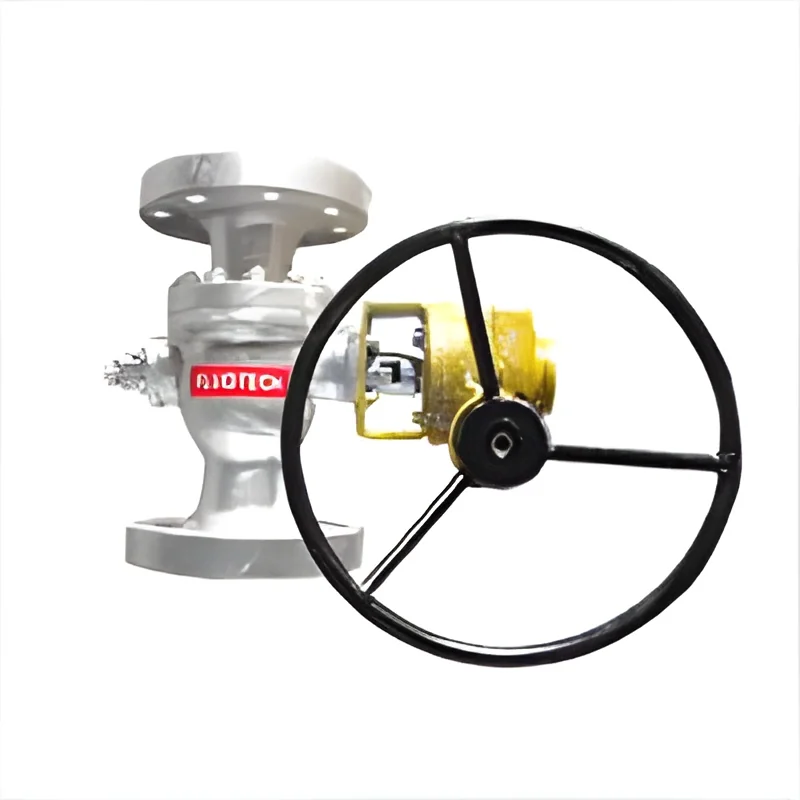
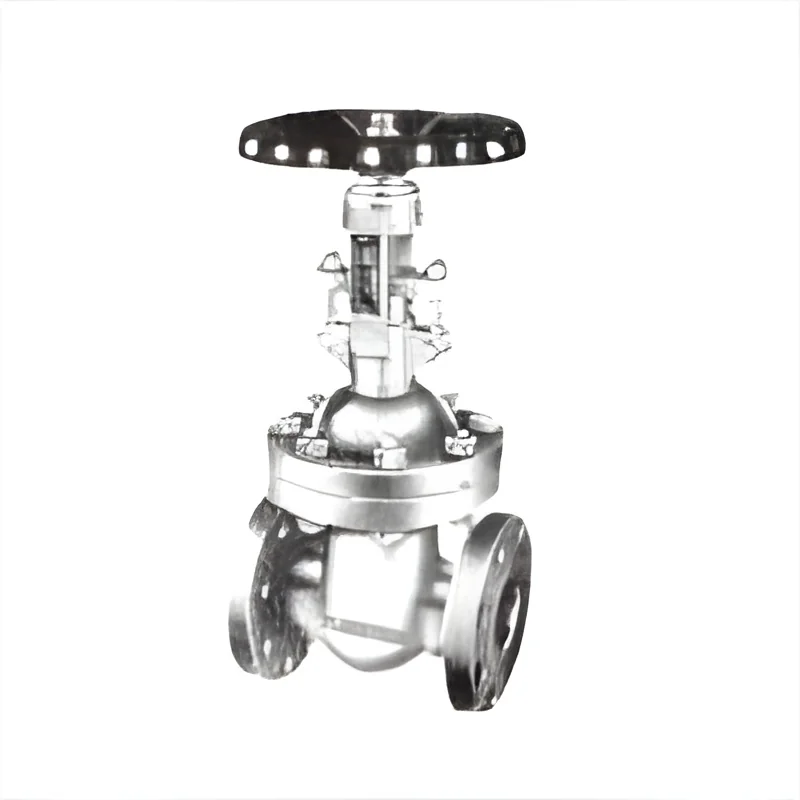
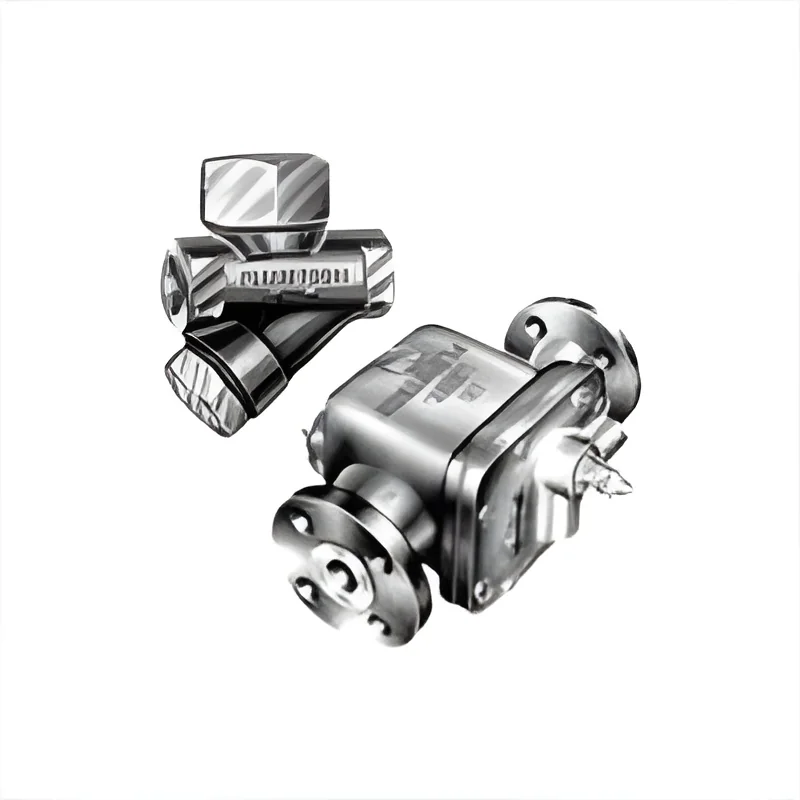
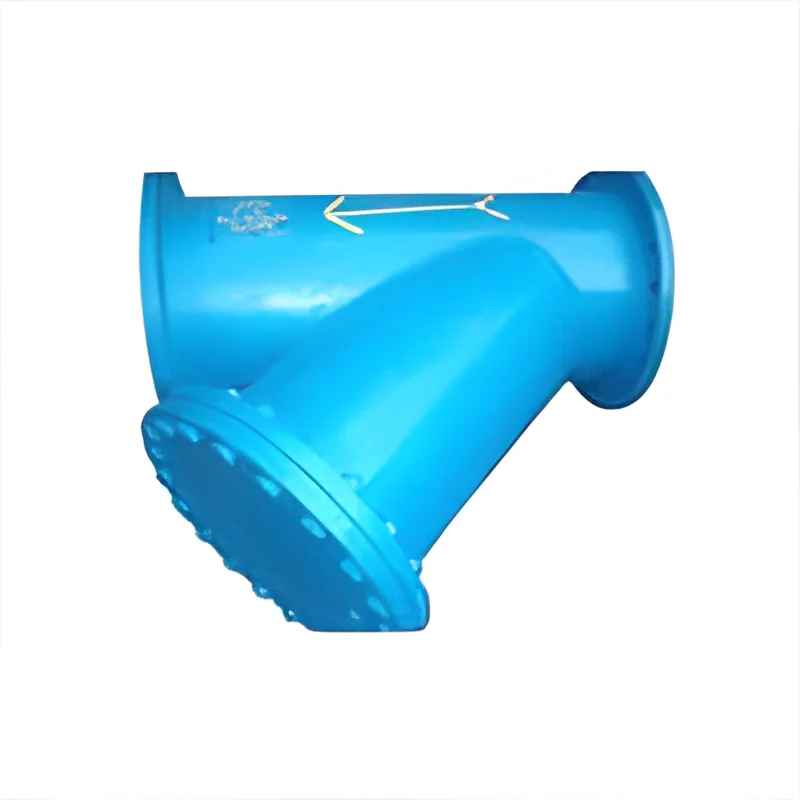
Industrial Pipeline Y, Basket, and Conical Strainers are engineered filtration components designed to protect critical industrial systems. They serve as a reliable barrier, capturing and removing solid contaminants such as scale, rust, weld metal fragments, jointing compounds, and other pipeline debris. This proactive filtration prevents these particles from traveling downstream, where they could cause abrasive wear, clogging, or catastrophic failure in sensitive and expensive equipment like pumps, control valves, compressors, and meters. Built for durability, these strainers ensure continuous operation with minimal maintenance, making them a fundamental safeguard for maintaining system integrity and process reliability in challenging industrial environments.

These strainers are indispensable across a wide spectrum of industries where pipeline purity is paramount. In water and wastewater treatment, they are deployed for raw water intake screening and protecting membrane filtration sys...
Industrial Pipeline Y, Basket, and Conical Strainers are engineered filtration components designed to protect critical industrial systems. They serve as a reliable barrier, capturing and removing solid contaminants such as scale, rust, weld metal fragments, jointing compounds, and other pipeline debris. This proactive filtration prevents these particles from traveling downstream, where they could cause abrasive wear, clogging, or catastrophic failure in sensitive and expensive equipment like pumps, control valves, compressors, and meters. Built for durability, these strainers ensure continuous operation with minimal maintenance, making them a fundamental safeguard for maintaining system integrity and process reliability in challenging industrial environments.

These strainers are indispensable across a wide spectrum of industries where pipeline purity is paramount. In water and wastewater treatment, they are deployed for raw water intake screening and protecting membrane filtration systems. The chemical and petrochemical sectors utilize them extensively to shield catalysts, reactor vessels, and heat exchangers from particulate-induced corrosion and fouling. Within oil and gas operations, they are critical for upstream, midstream, and downstream applications, protecting equipment from pipeline scale and welding debris. Food, beverage, and pharmaceutical manufacturers integrate them into processing lines to uphold strict purity and sanitary standards, ensuring final product quality and regulatory compliance. Their application extends to power generation, marine, and manufacturing, highlighting their universal role in industrial protection.

The primary business value of these industrial strainers lies in risk mitigation and operational cost savings. By preventing particulate-related damage, they significantly extend the operational lifespan of high-value capital equipment, reducing replacement frequency and associated capital expenditure. Their reliable performance minimizes unplanned downtime caused by equipment failure, ensuring consistent production throughput and protecting revenue streams. This reliability translates into lower maintenance costs, as protected equipment requires fewer repairs and less frequent overhauls. The strainers' robust construction ensures long-term service with predictable performance, providing a strong return on investment through enhanced operational efficiency, reduced total cost of ownership, and assured process continuity.

Key Features:
- Engineered for high-pressure and high-temperature industrial pipeline systems.
- Effective filtration of solid contaminants including scale, rust, weld spatter, and joint debris.
- Versatile Y-type, basket, and conical designs to suit different installation and cleaning requirements.
- Constructed from durable materials compatible with various process media and environmental conditions.
- Designed for easy maintenance, inspection, and cleaning to minimize system downtime.

Benefits:
- Protects expensive downstream equipment like pumps, valves, and meters from damage and wear.
- Prevents costly production stoppages and unplanned maintenance by ensuring continuous filtration.
- Enhances process efficiency and product quality by maintaining fluid purity.
- Reduces long-term operational and maintenance costs through reliable equipment protection.
- Provides dependable performance in demanding applications, supporting overall system integrity and safety.
Specifications
| Additional Information | |
|---|---|
| Country of Origin | India |
Application
Industrial Pipeline Y, Basket, and Conical Strainers act as critical first-line filtration, safeguarding sensitive downstream equipment from damaging particulate contamination. Their robust design ensures consistent performance, maintaining optimal flow rates and system pressure to prevent costly production interruptions and equipment failures across diverse industrial environments.
These strainers provide versatile protection for various pipeline configurations, making them essential for maintaining process purity and operational continuity. Industries rely on their reliable filtration to remove solid contaminants that threaten equipment lifespan and product quality, supporting efficient and uninterrupted operations in demanding settings where contamination control is non-negotiable.
- Water treatment plants for removing sediments, sand, and suspended solids from raw and process water streams.
- Chemical processing facilities to protect reactors, heat exchangers, and precision instrumentation from scale and corrosive particles.
- Oil and gas pipelines and refineries for filtering out rust, welding slag, and pipeline scale during hydrocarbon transmission and processing.
- Food and beverage production systems to ensure product purity by filtering particulates and meeting stringent hygiene standards.
- Power generation plants for protecting cooling water systems, boiler feedwater, and turbine components from debris.
Trade Details
| Available Stock | In Stock |
| Sample Availability | No |
Payment Terms
| Payment Terms |
|
Company Profile
Fluidtech Valves, Maharashtra
 Maharashtra, India
Maharashtra, IndiaIndustrial Equipment & Machinery•Manufacturer•Importer / Exporter
Factory Details
Factory SizeBelow 1000 sqm
Annual Production Capacity0
Main Markets
South Asia
Industrial Pipeline Y Basket Conical Strainers For Debris Filtration
Industrial Pipeline Y Basket Conical Strainers filter debris like scale, rust, and weld metal to protect pumps, valves, and equipment, ensuring process integrity and safety across water treatment, chemical, and oil & gas industries.
Min. Order Quantity: 1 unit
Shipping
Shipping fee and delivery date to be negotiated. Contact supplier now for more details.
Fluidtech Valves
 Maharashtra, India
Maharashtra, IndiaIndustrial Equipment & MachineryManufacturer