IN
IN₹
Apparel & Fashion
Loading subcategories...
View More
Description
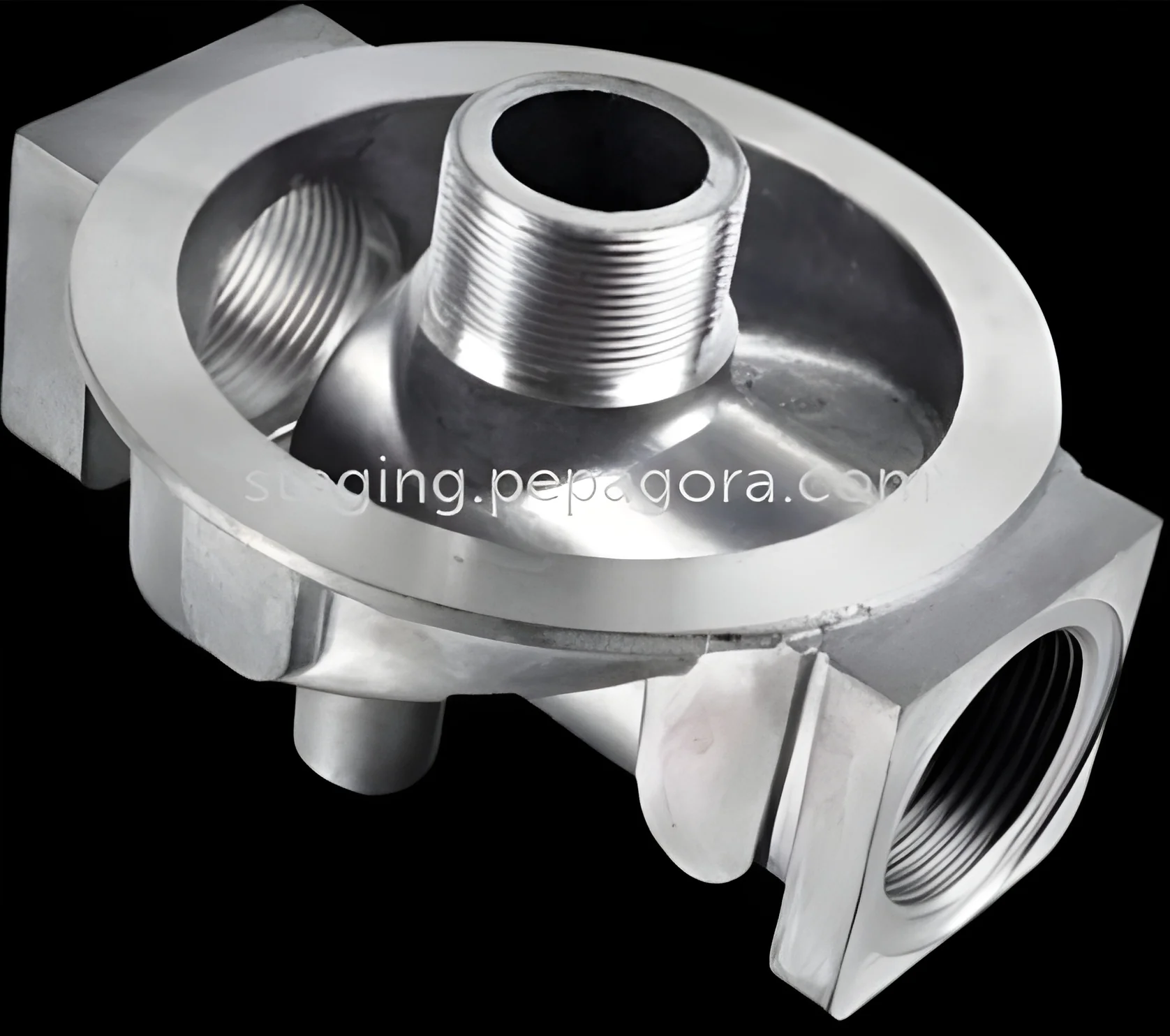
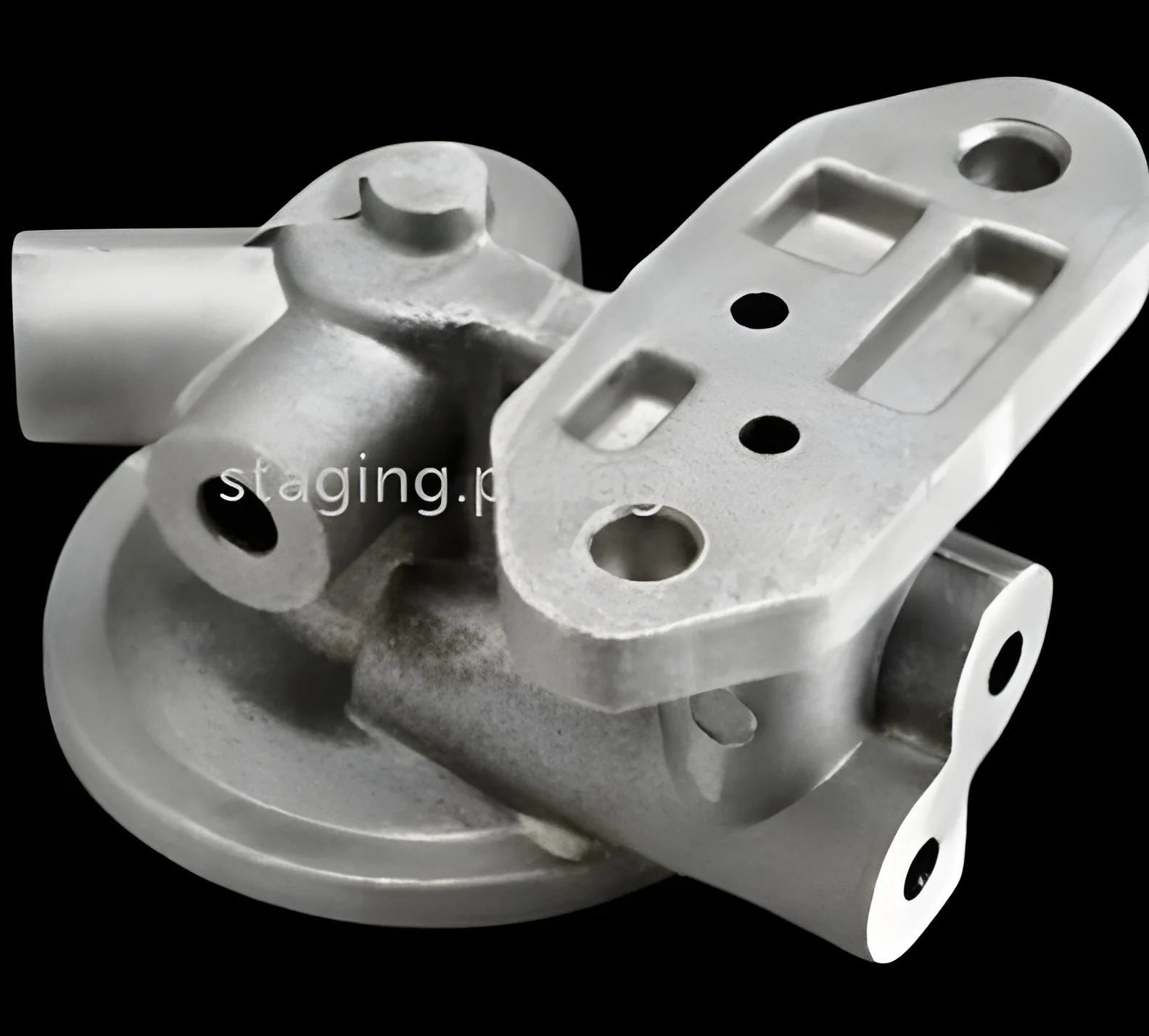
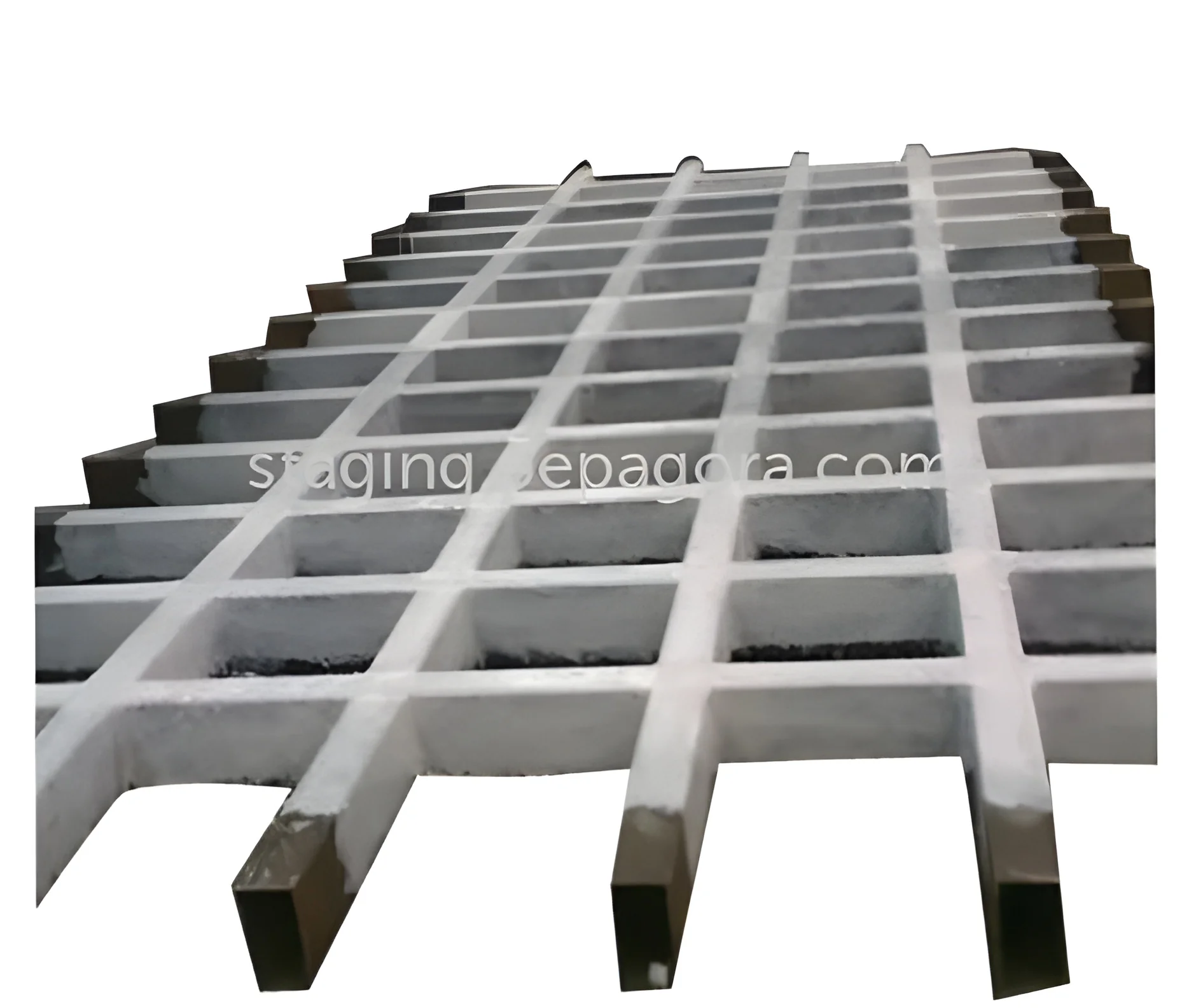
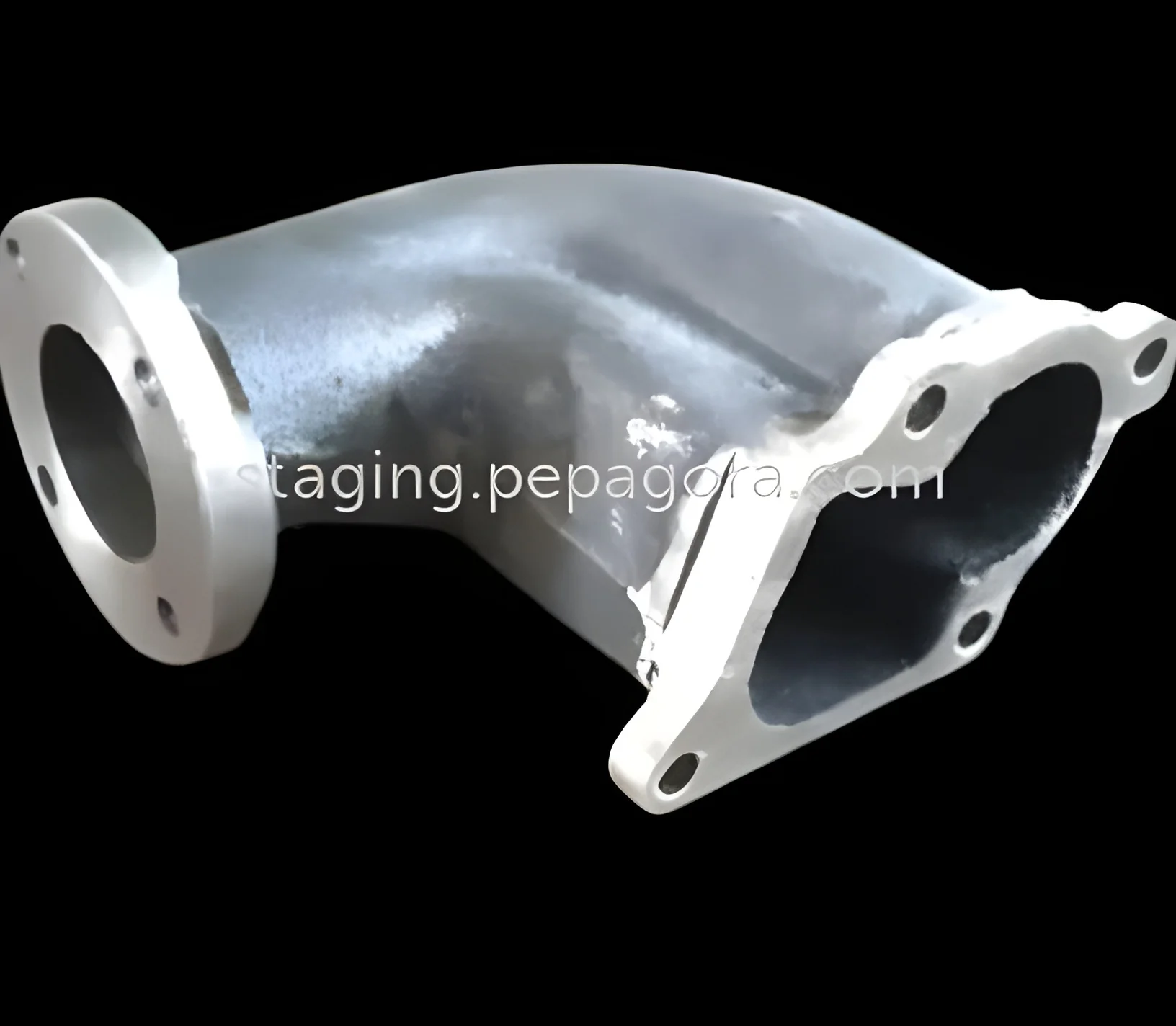
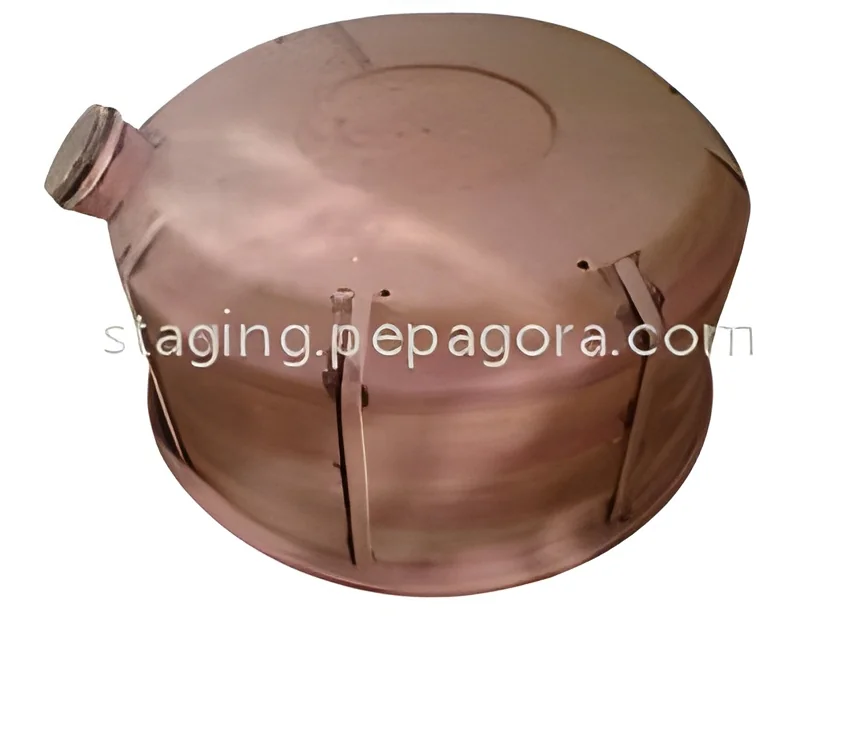
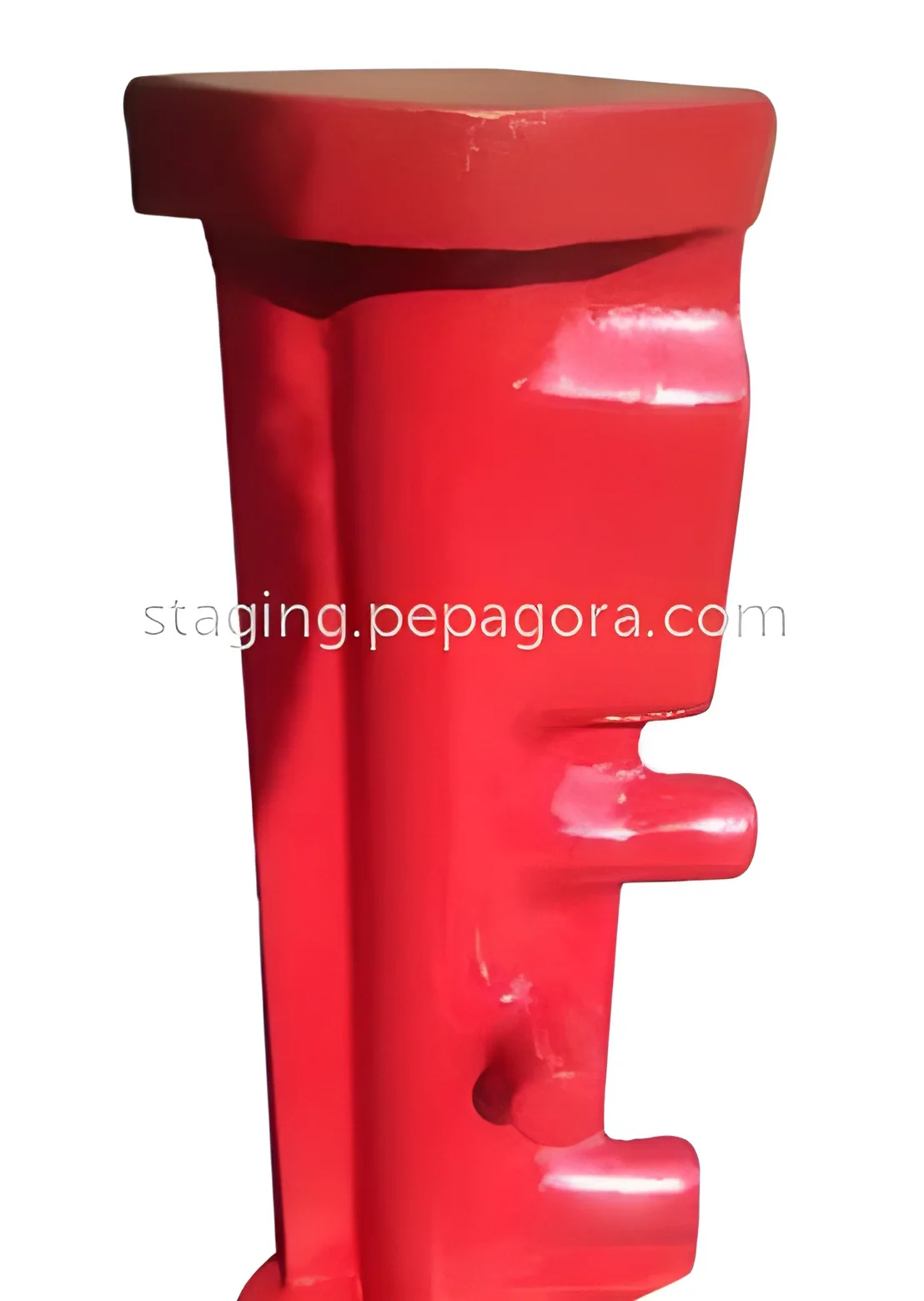
Wooden patterns for casting applications represent precision-engineered mold forms crafted from high-quality seasoned hardwoods or industrial-grade MDF materials. These specialized tools are meticulously designed and manufactured to meet the rigorous demands of foundry operations, providing the foundational templates for creating sand molds that will form metal components through various casting processes. The patterns ensure exceptional dimensional accuracy, smooth cavity surfaces, and reliable performance through repeated casting cycles. Utilizing advanced CNC machining technology, these wooden patterns can replicate complex geometries with consistent precision across production batches, making them ideal for both prototype development and small to medium-scale manufacturing operations. Their construction from carefully selected wood materials provides the perfect balance of durability, workability, and cost-effectiveness for foundry applications.

These wooden casting patterns serve...
Wooden patterns for casting applications represent precision-engineered mold forms crafted from high-quality seasoned hardwoods or industrial-grade MDF materials. These specialized tools are meticulously designed and manufactured to meet the rigorous demands of foundry operations, providing the foundational templates for creating sand molds that will form metal components through various casting processes. The patterns ensure exceptional dimensional accuracy, smooth cavity surfaces, and reliable performance through repeated casting cycles. Utilizing advanced CNC machining technology, these wooden patterns can replicate complex geometries with consistent precision across production batches, making them ideal for both prototype development and small to medium-scale manufacturing operations. Their construction from carefully selected wood materials provides the perfect balance of durability, workability, and cost-effectiveness for foundry applications.

These wooden casting patterns serve critical roles across multiple industrial sectors where metal component manufacturing is essential. In the automotive industry, they're used to produce engine blocks, transmission cases, and various structural components. Aerospace manufacturers rely on them for creating turbine parts, structural brackets, and specialized aircraft components. The pump and valve industry utilizes these patterns for manufacturing impellers, casings, and fluid control mechanisms, while heavy machinery producers employ them for gear housings, machine bases, and equipment frames. The versatility of wooden patterns makes them suitable for gravity casting, sand molding, and various other foundry processes across these diverse industrial applications.

The business value of wooden casting patterns lies in their exceptional reliability, cost efficiency, and customization capabilities. These tools provide manufacturers with a dependable solution that balances performance with affordability, particularly valuable for prototype development and limited production runs. Their durability ensures consistent performance through multiple casting cycles, reducing tooling replacement costs and production downtime. The ability to customize patterns to specific design requirements allows businesses to adapt quickly to changing product specifications and market demands. This flexibility, combined with the precision engineering of each pattern, delivers tangible value through reduced material waste, improved production efficiency, and higher quality finished castings that meet stringent industry standards.

Key Features:
- Precision engineering using high-quality seasoned hardwood or industrial MDF
- Advanced CNC machining for complex geometries and consistent accuracy
- Excellent dimensional stability and repeatability across production batches
- Superior surface finish for smooth mold cavities and cast components
- Customizable designs to meet specific manufacturing requirements

Benefits:
- Cost-effective solution for prototype development and production
- Reduced tooling costs compared to metal pattern alternatives
- Faster production turnaround for custom parts and modifications
- Enhanced casting quality with precise dimensional control
- Durability for repeated use across multiple casting cycles
Specifications
| Additional Information | |
|---|---|
| SKU | ETE-WPC-010 |
| Country of Origin | 106 |
| Customisable | No |
Application
Wooden casting patterns serve as essential tools in metal foundries for creating precise sand molds that form complex metal components. These patterns are indispensable across prototyping and production environments where accuracy and repeatability are critical for manufacturing consistency and quality assurance in industrial applications. They enable foundries to produce identical parts batch after batch while maintaining tight dimensional tolerances and surface specifications required by demanding industries.
These versatile patterns find extensive use across multiple manufacturing sectors including automotive, aerospace, pump and valve production, and heavy machinery manufacturing. From engine blocks and turbine components to industrial equipment parts, wooden patterns provide the foundational tooling for creating metal castings of various sizes and complexities. Their adaptability makes them suitable for both low-volume specialty parts and medium-scale production runs across diverse industrial applications. Real-world applications:
Real-world applications:
- Automotive industry components including engine blocks, cylinder heads, and transmission housings
- Aerospace sector parts such as turbine blades, structural brackets, and landing gear components
- Pump and valve manufacturing for impellers, casings, and fluid control mechanisms
- Heavy machinery production for gear housings, machine bases, and structural frames
- Prototype development and custom part manufacturing for industrial equipment
Trade Details
| Available Stock | In Stock |
| Sample Availability | No |
Payment Terms
| Payment Terms |
|
Shipping & Logistics
| Shipping Internationally | - | |
| Methods | -- | |
| IncoTerms | -- | |
| Port of Dispatch | Mumbai or Mundra Port, India | |
| Packaging Type | -- | |
| Units per Package | -- | |
| Barcode / HSN / GTIN / UPC | -- | |
| Dispatch Lead time | -- |
Company Profile

Engee Tech Engineering, Madhya Pradesh
 Madhya Pradesh, India
Madhya Pradesh, IndiaIndustrial Equipment & Machinery•Manufacturer
Factory Details
Factory SizeBelow 1000 sqm
SKU: ETE-WPC-010
Precision Wooden Casting Patterns For Foundry Applications
Precision wooden casting patterns for foundry applications deliver dimensional accuracy, superior surface finish, and durability for repeated metal component production across automotive, aerospace, and industrial machinery manufacturing.
Min. Order Quantity: 1 Unit
Shipping
Shipping fee and delivery date to be negotiated. Contact supplier now for more details.
Engee Tech Engineering
 Madhya Pradesh, India
Madhya Pradesh, IndiaIndustrial Equipment & MachineryManufacturer