IN
INundefined
Similar Products


Description
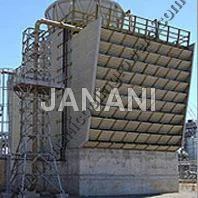
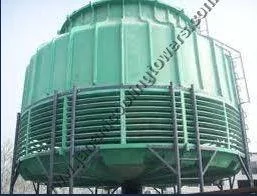
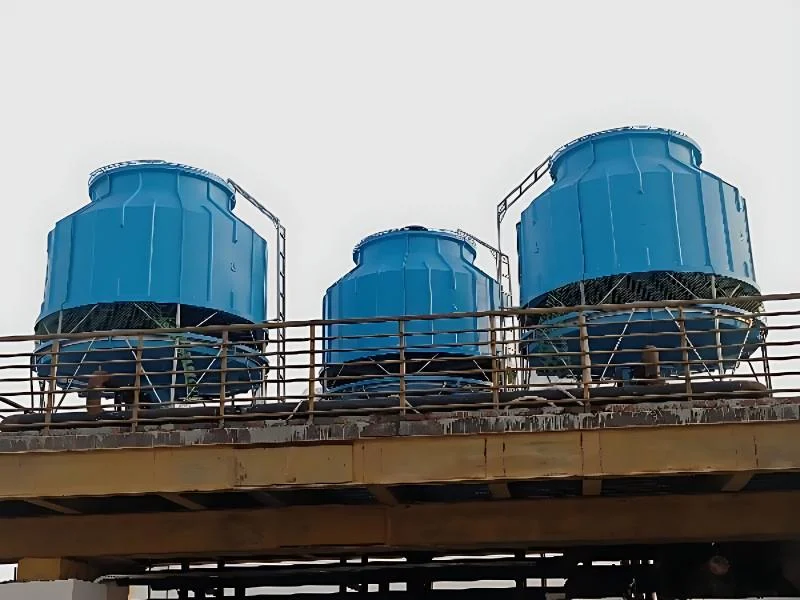
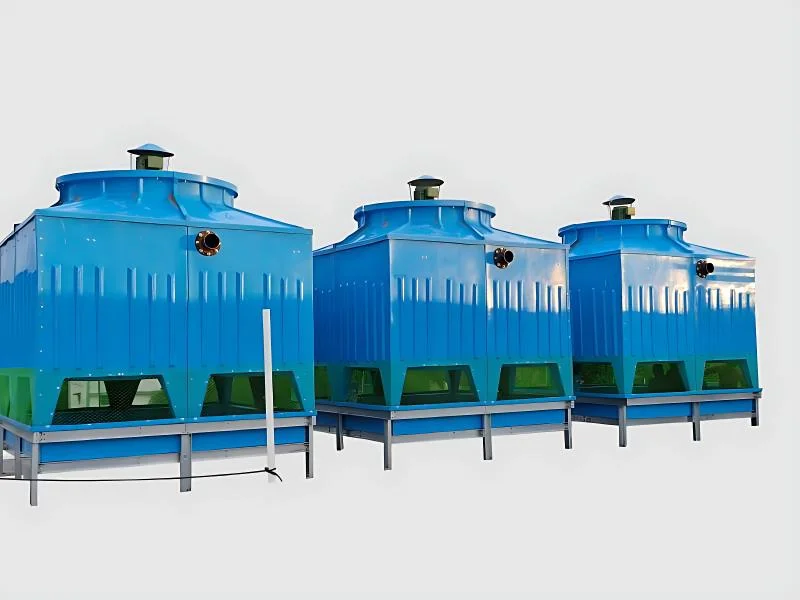
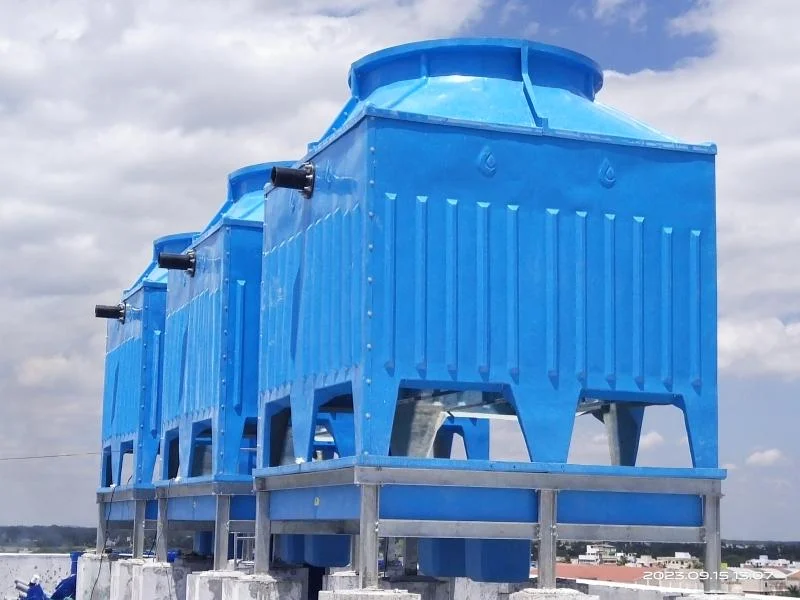
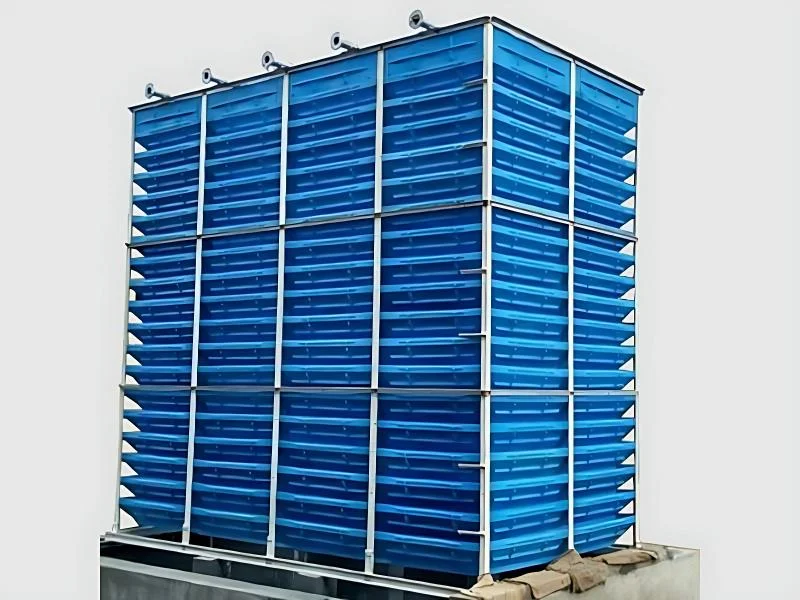
Industrial wooden fills cooling towers represent proven, reliable technology for large-scale heat exchange applications where performance consistency and durability are paramount. ...
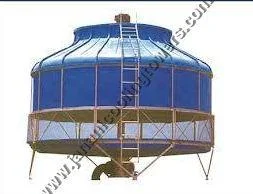
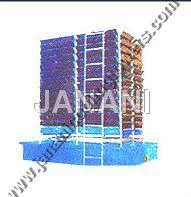
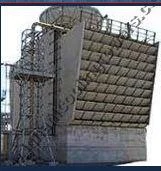
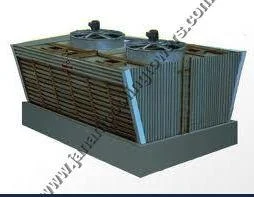
Industrial wooden fills cooling towers represent proven, reliable technology for large-scale heat exchange applications where performance consistency and durability are paramount. Engineered with precisely arranged wooden fill media, these towers create maximum surface area for efficient water-air interaction, facilitating superior heat transfer that effectively lowers process temperatures. The high-quality timber construction is specifically treated to resist water absorption, microbial growth, and environmental degradation, ensuring structural integrity and consistent cooling performance across years of continuous operation in demanding industrial settings. This combination of natural material advantages and engineered design delivers a cooling solution that balances thermal efficiency with operational reliability.

These cooling towers serve as critical infrastructure across industries that depend on precise temperature management for both equipment protection and process optimization. In power generation, they maintain condenser efficiency to maximize electricity output. Manufacturing plants utilize them to cool machinery, hydraulic systems, and production processes that generate significant heat. Commercial HVAC applications rely on them for large-scale building climate control, while chemical plants employ them for reaction temperature regulation. The towers' adaptable design accommodates varying capacity requirements and site-specific conditions, providing tailored cooling solutions that integrate smoothly with existing industrial systems and operational protocols.

The business value of wooden fills cooling towers lies in their exceptional longevity, reduced operational costs, and minimal maintenance requirements compared to alternative materials. The natural thermal properties of wood provide efficient heat transfer with lower energy consumption, while the treated timber construction resists corrosion and biological fouling that can plague other materials. This translates to extended service life, consistent performance without degradation, and reduced downtime for cleaning or repairs. For facility managers and operations directors, this means predictable cooling capacity, lower total cost of ownership, and reliable protection of valuable industrial equipment from heat-related damage or efficiency losses.

Key Features:
- Engineered wooden fill media designed for optimal heat transfer surface area and airflow
- High-quality timber treated for water resistance, rot prevention, and microbial protection
- Robust structural design supporting heavy thermal loads and continuous operation
- Compatible with various water treatment systems and industrial cooling configurations
- Standardized components allowing for straightforward maintenance and potential future expansion

Benefits:
- Superior heat exchange efficiency reducing energy consumption and operational costs
- Exceptional durability with resistance to corrosion, scaling, and biological fouling
- Consistent cooling performance maintaining stable process temperatures and equipment protection
- Reduced maintenance requirements and extended service life lowering total ownership costs
- Reliable operation in demanding industrial environments with minimal performance degradation
Specifications
| Additional Information | |
|---|---|
| Country of Origin | India |
| Customisable | No |
Application
Industrial wooden fills cooling towers are engineered for heavy-duty heat dissipation where consistent temperature control is critical to operational efficiency. These systems handle substantial thermal loads while maintaining stable performance across varying environmental conditions and production demands, making them essential for industries where equipment protection and process stability are non-negotiable.

Their versatile design integrates seamlessly with existing industrial infrastructure, supporting both evaporative and closed-loop cooling configurations. The robust wooden fill media provides exceptional surface area for optimal water-air contact, ensuring efficient heat transfer that reduces energy consumption while delivering reliable cooling capacity for continuous 24/7 operations in challenging industrial environments.
- Large commercial HVAC systems requiring efficient heat rejection for building climate control
- Power generation plants for condenser cooling to maintain turbine efficiency and output
- Manufacturing facilities cooling industrial machinery, injection molds, and process equipment
- Chemical processing plants managing exothermic reactions and temperature-sensitive processes
- Data centers and telecom facilities maintaining optimal operating temperatures for server racks
Trade Details
| Available Stock | In stock |
| Sample Availability | No |
Payment Terms
| Payment Terms |
|
Company Profile
Industrial Wooden Fills Cooling Towers For HVAC And Power Plants
Industrial wooden fills cooling towers provide efficient heat exchange for HVAC systems and power plants, featuring durable construction and reliable performance for continuous industrial cooling operations.
Min. Order Quantity: 1 units
Shipping
Shipping fee and delivery date to be negotiated. Contact supplier now for more details.