IN
IN₹
Apparel & Fashion
Description
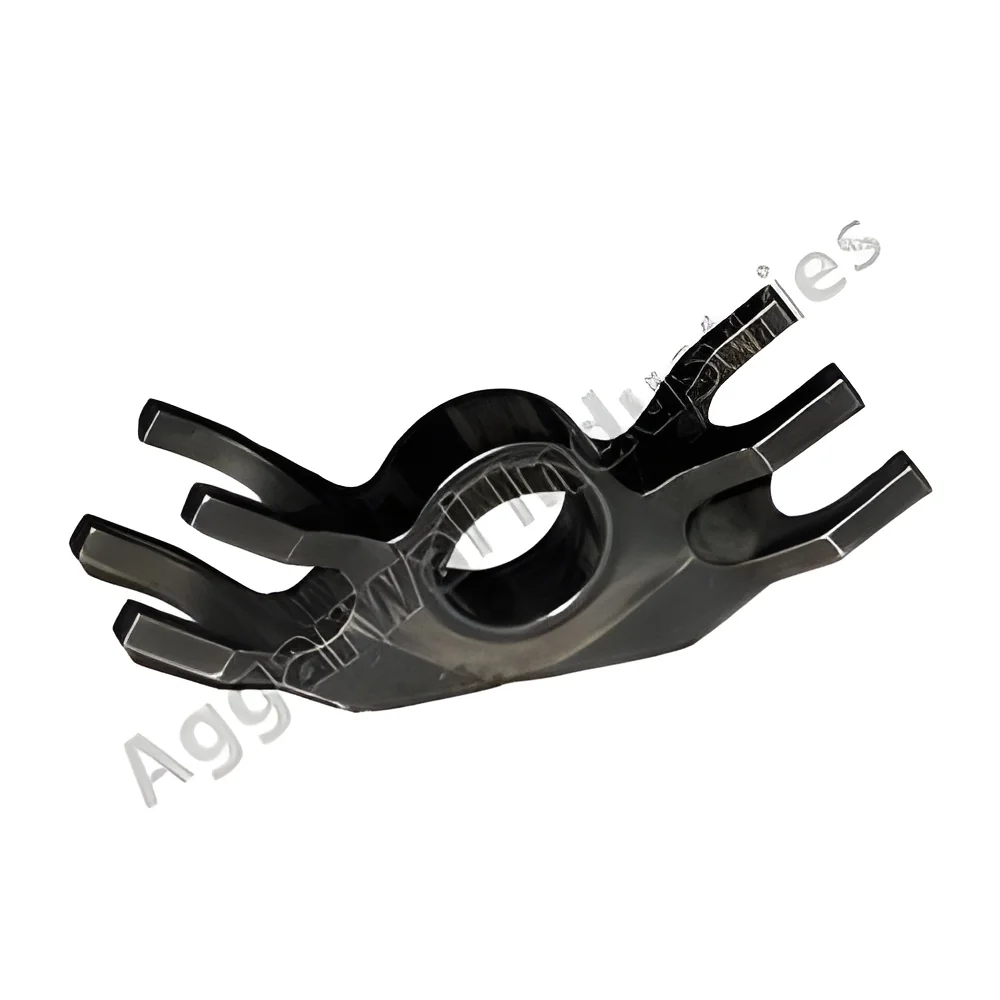
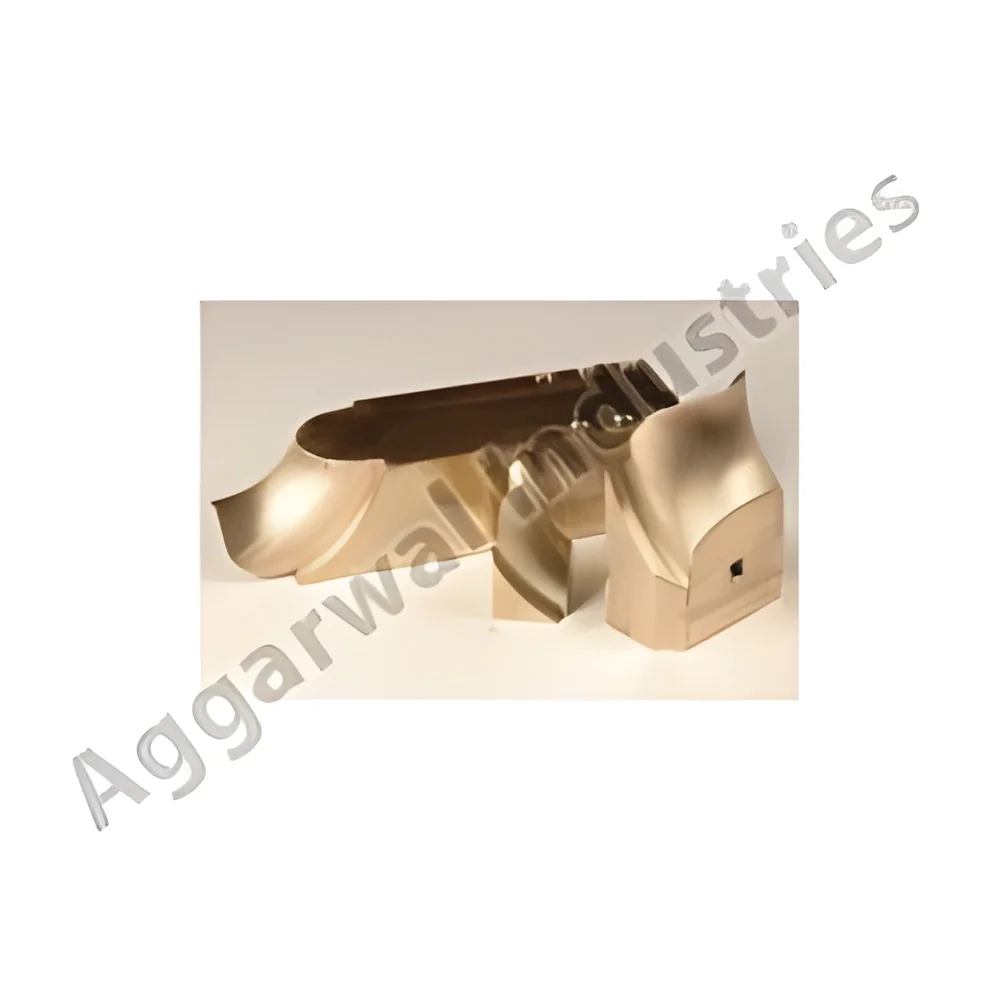
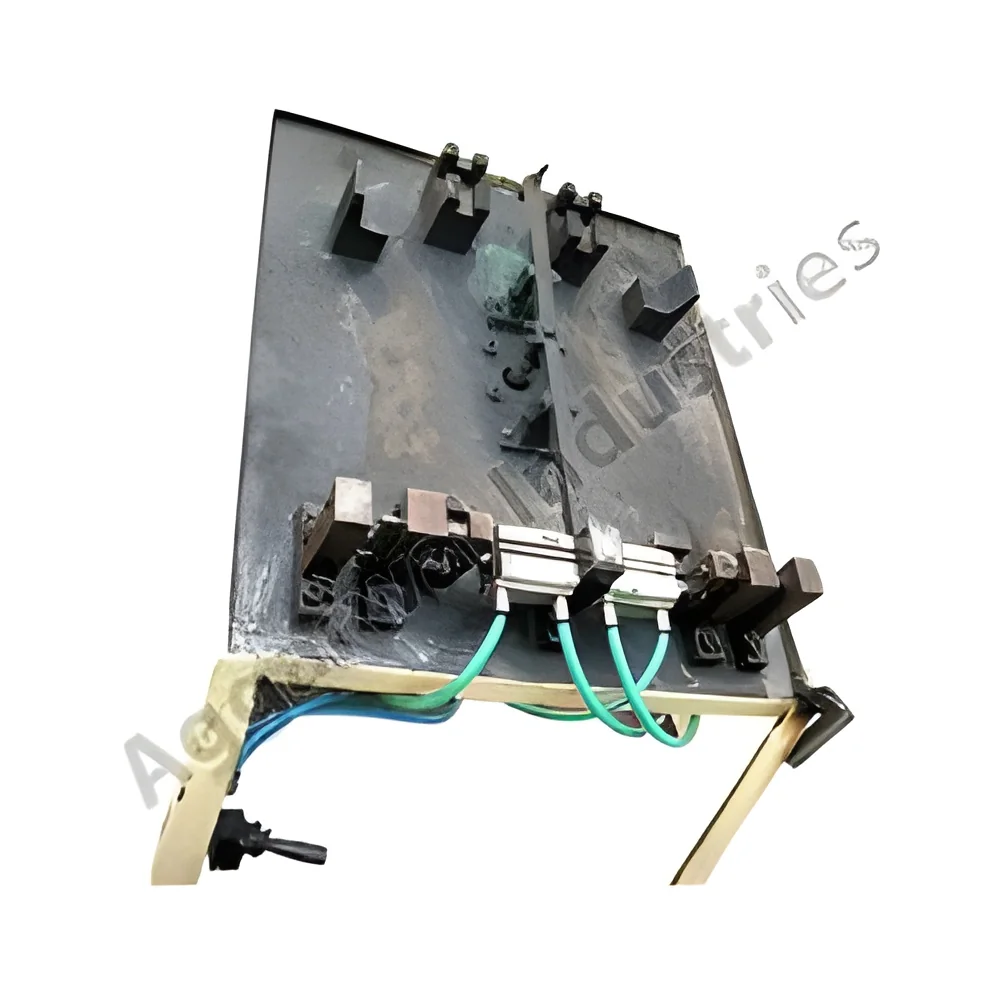
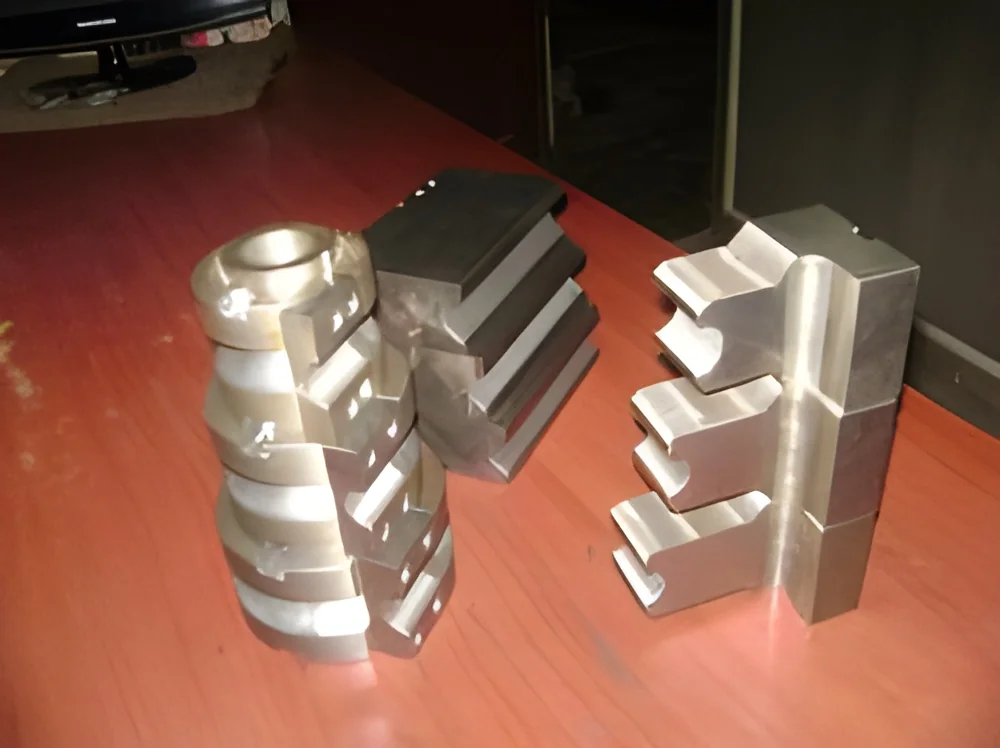
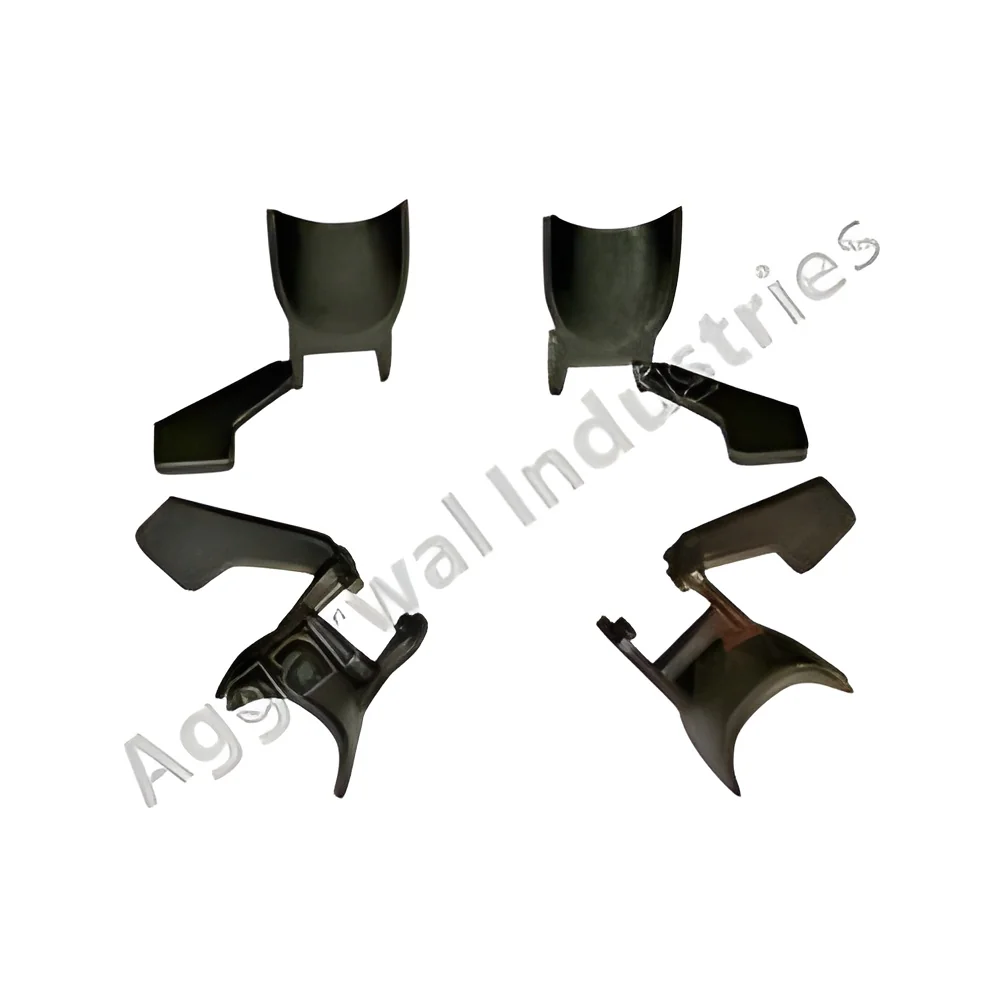
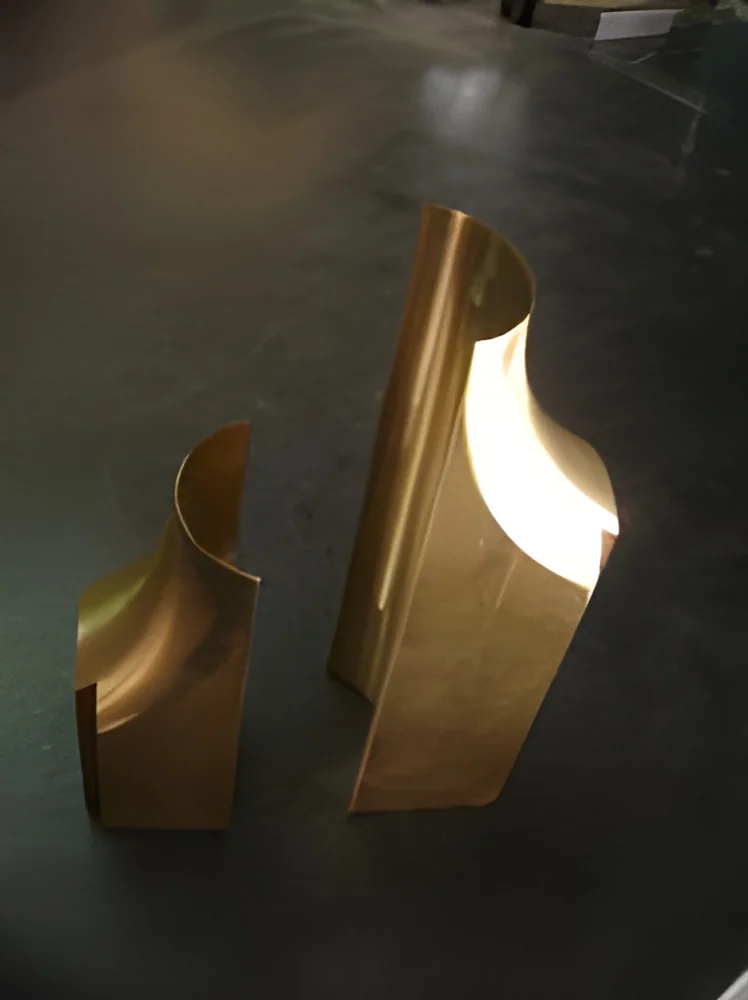
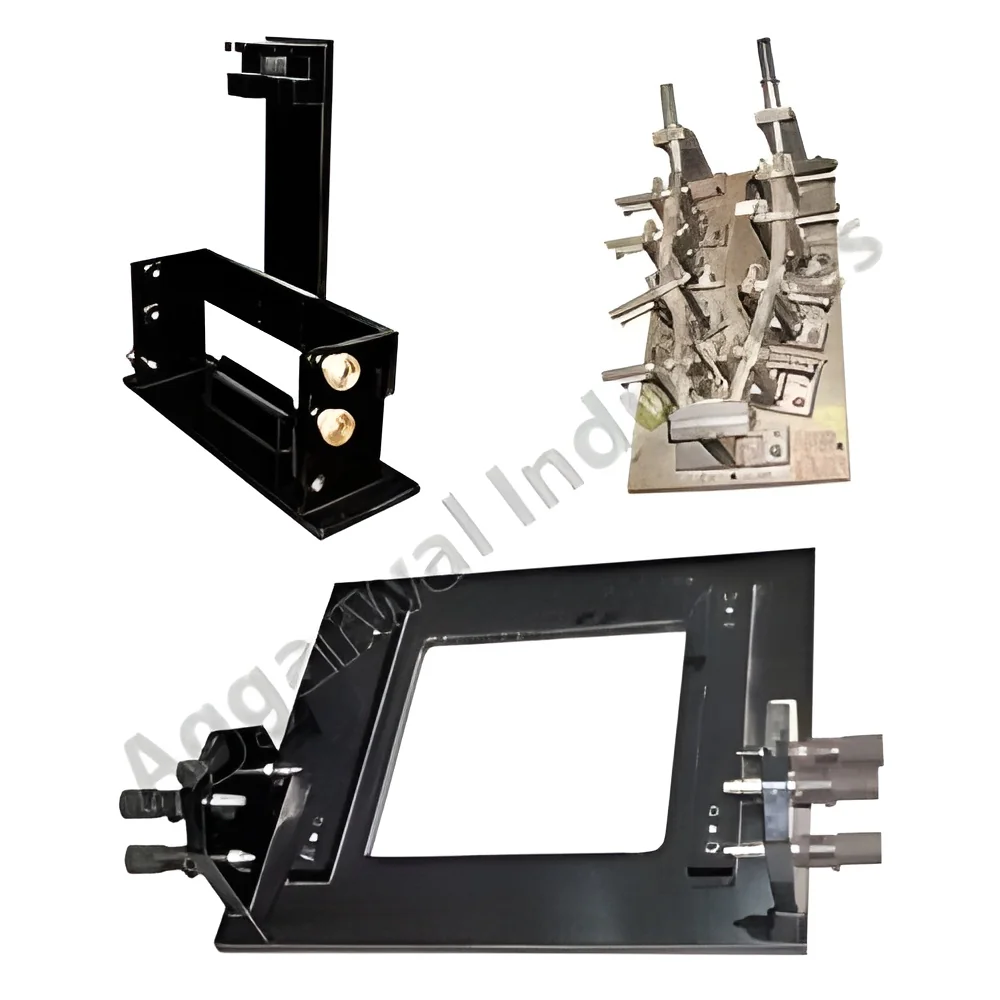
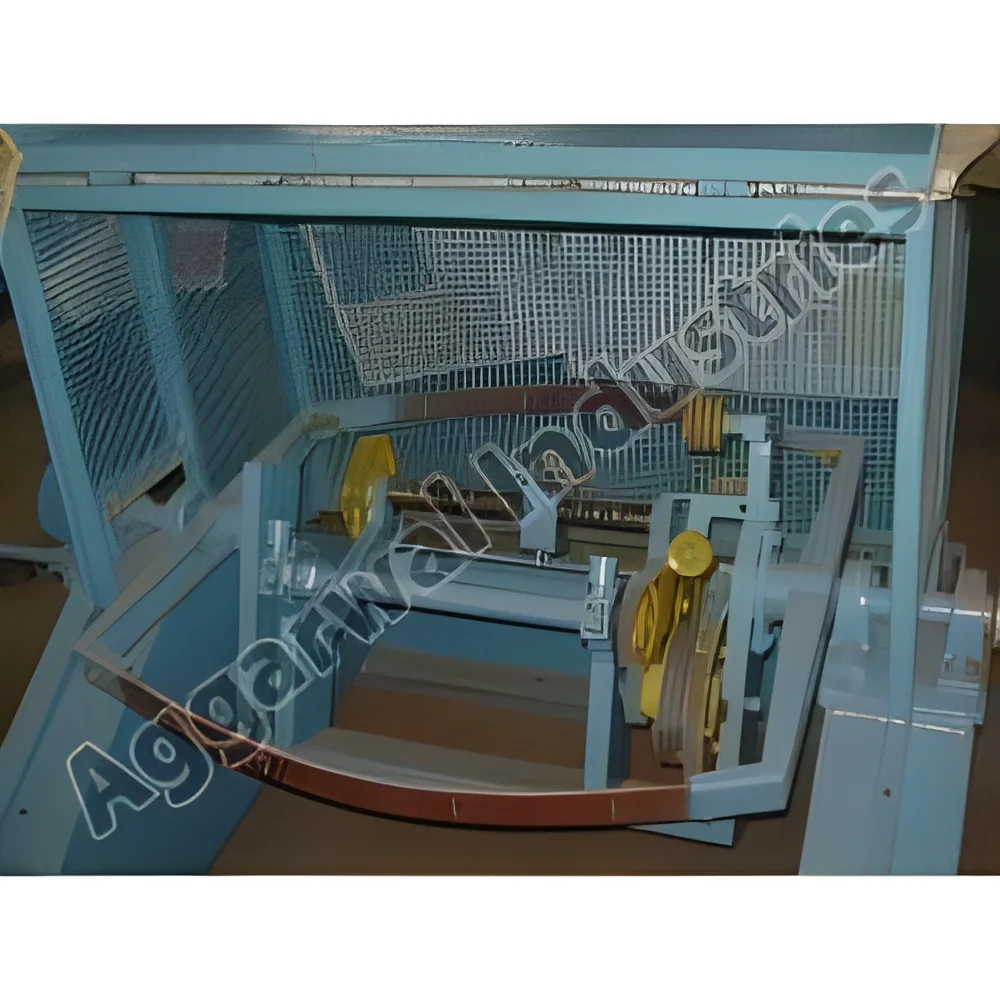
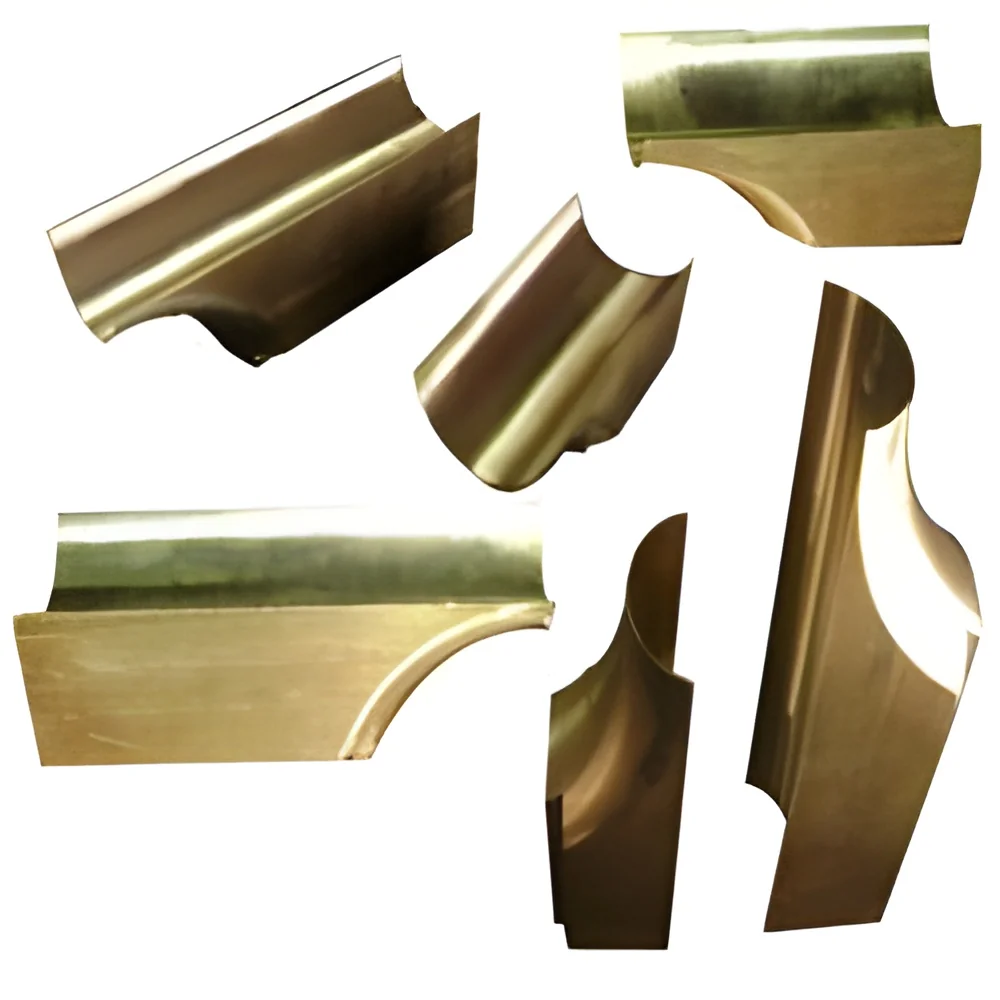
Industrial wiper dies are specialized tools essential for maintaining quality in tube and pipe manufacturing. They are designed to wipe away excess lubricants, scale, and other contaminants from the surface of metal tubes and pipes as they are being drawn, extruded, or otherwise formed. This precise cleaning is not merely a finishing step; it is a critical in-process function that prevents defects, ensures dimensional accuracy, and prepares the metal surface for subsequent operations like bending, welding, or coating. Engineered for durability, these dies are built to withstand the high pressures and abrasive conditions of continuous industrial use, providing consistent, reliable performance that manufacturers can depend on shift after shift.

These components find indispensable use in a wide range of sectors that rely on high-integrity tubing. In the automotive industry, they are used to clean tubes for brake lines, fuel systems, and exhaust components, where surface purity directly i...
Industrial wiper dies are specialized tools essential for maintaining quality in tube and pipe manufacturing. They are designed to wipe away excess lubricants, scale, and other contaminants from the surface of metal tubes and pipes as they are being drawn, extruded, or otherwise formed. This precise cleaning is not merely a finishing step; it is a critical in-process function that prevents defects, ensures dimensional accuracy, and prepares the metal surface for subsequent operations like bending, welding, or coating. Engineered for durability, these dies are built to withstand the high pressures and abrasive conditions of continuous industrial use, providing consistent, reliable performance that manufacturers can depend on shift after shift.

These components find indispensable use in a wide range of sectors that rely on high-integrity tubing. In the automotive industry, they are used to clean tubes for brake lines, fuel systems, and exhaust components, where surface purity directly impacts safety and performance. Aerospace manufacturers employ them for precision tubing in hydraulic and fuel systems, where even microscopic contaminants are unacceptable. The construction sector uses wiper dies in preparing structural and plumbing pipes, while the energy industry depends on them for pipeline fabrication to ensure clean, corrosion-resistant welds. Manufacturers of HVAC systems, industrial machinery, and furniture also utilize these dies to produce clean, high-quality tubular parts, demonstrating their universal importance in metalworking.

The business value of integrating high-quality wiper dies into a production line is substantial. They directly enhance product quality by eliminating surface imperfections that could lead to failures, rejects, or costly rework. This reliability reduces operational downtime caused by tool failure or process inconsistencies, leading to higher overall equipment effectiveness (OEE). Their long service life, a result of superior materials and engineering, minimizes replacement frequency and inventory costs. For procurement specialists and plant managers, sourcing these dies represents an investment in production stability and cost control, offering a clear return through improved yield, reduced waste, and lower total cost of ownership for their tube and pipe manufacturing processes.

Key Features:
- Constructed from premium, wear-resistant materials for extended service life in harsh industrial environments.
- Precision-machined to exact specifications for effective and consistent wiping action on tube and pipe surfaces.
- Engineered for compatibility with a wide range of tube drawing, extruding, and pilgering machinery.
- Designed to handle various tube and pipe diameters and wall thicknesses commonly used in industry.
- Robust build quality ensures reliable performance under high pressure and continuous operation cycles.

Benefits:
- Improves final product quality by ensuring clean, defect-free tube and pipe surfaces ready for further processing.
- Reduces production downtime and maintenance costs through durable, long-lasting performance.
- Enhances process efficiency by preventing contaminant-related issues in downstream manufacturing steps.
- Lowers overall operational costs by minimizing scrap rates, rework, and frequent tool replacements.
- Provides reliable, consistent results that help manufacturers meet stringent industry quality and safety standards.
Specifications
| Additional Information | |
|---|---|
| Country of Origin | India |
Application
Industrial wiper dies are precision-engineered components designed to clean and prepare tube and pipe surfaces during manufacturing. They effectively remove excess lubricants, debris, and contaminants, which is essential for achieving high-quality finishes and preventing defects in the final product. This cleaning action is fundamental to maintaining smooth production flow and protecting downstream equipment from damage, making these dies a critical part of any tube or pipe fabrication line.
These dies are utilized across heavy industries where metal forming and fabrication are core processes. Their robust construction allows them to perform reliably in high-volume, demanding environments, from automotive part production to large-scale pipeline construction. By ensuring surfaces are properly prepared, they enable better adhesion for coatings, improve the accuracy of bending operations, and contribute to the overall structural integrity and longevity of the manufactured tubes and pipes.
- Cleaning tubes during the drawing process in automotive exhaust and fuel line manufacturing to ensure smooth, contaminant-free surfaces.
- Preparing pipe surfaces for protective coating and painting in construction and infrastructure projects to enhance durability.
- Removing drawing compounds and lubricants from precision tubing used in aerospace hydraulic and pneumatic systems.
- Deburring and cleaning pipes during the fabrication of oil and gas pipelines to prevent internal corrosion and blockages.
- Ensuring clean tube interiors in HVAC and refrigeration coil production to maintain optimal thermal efficiency and airflow.
Trade Details
| Available Stock | In Stock |
| Sample Availability | No |
Payment Terms
| Payment Terms |
|
Company Profile

Aggarwal Industries Faridabad, Haryana
 Haryana, India
Haryana, IndiaManufacturer•Distributor / Wholesaler•Importer / Exporter
Factory Details
Factory SizeBelow 1000 sqm
Annual Production Capacity0
Main Markets
South Asia
Industrial Wiper Dies For Tube And Pipe Cleaning In Manufacturing
Industrial wiper dies for precision tube and pipe cleaning in manufacturing. Durable, custom-engineered solutions ensure consistent performance in demanding applications, trusted for reliability and quality.
Min. Order Quantity: 1 unit
Shipping
Shipping fee and delivery date to be negotiated. Contact supplier now for more details.
Aggarwal Industries Faridabad
 Haryana, India
Haryana, IndiaManufacturer