
 IN
IN₹
Apparel & Fashion
Loading subcategories...
View More
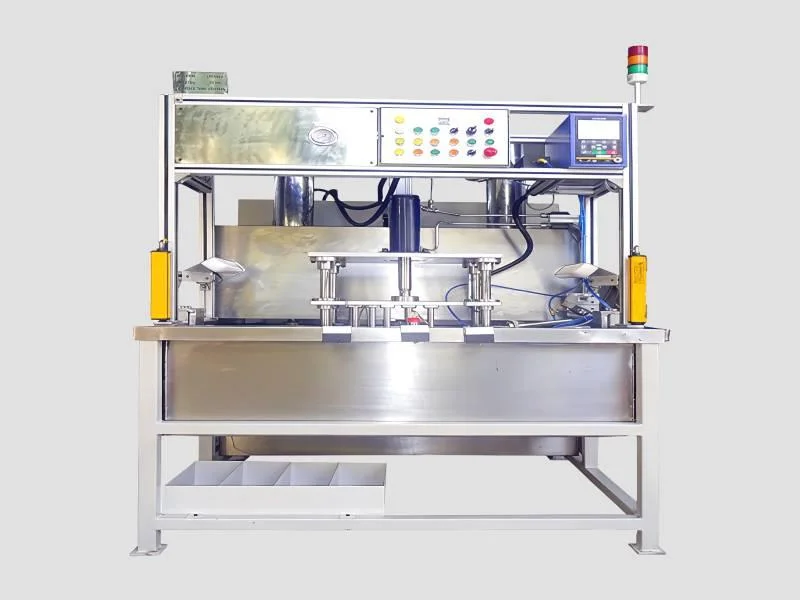
Description
The Industrial Leak Testing Station represents advanced quality assurance technology designed specifically for detecting leaks in automotive and industrial components. This precisi...
The Industrial Leak Testing Station represents advanced quality assurance technology designed specifically for detecting leaks in automotive and industrial components. This precision equipment utilizes both wet immersion testing and dry pressure testing methods to provide comprehensive leak detection capabilities. The system features automated testing cycles controlled through PLC programming, ensuring consistent and repeatable results across high-volume production environments. With precision sensors and real-time data acquisition, manufacturers can identify even minute leaks that could compromise product performance and safety. The station accommodates various component sizes and configurations, making it adaptable to different production requirements while maintaining rigorous testing standards.

This testing station finds extensive application across multiple industrial sectors where component integrity is critical. Automotive manufacturers utilize it for testing fuel systems, brake components, engine parts, and transmission assemblies to ensure leak-free performance. Industrial equipment producers rely on it for verifying hydraulic and pneumatic system components, valve assemblies, and pipe fittings. The medical device industry employs similar technology for testing fluid delivery systems and equipment housings. Additionally, refrigeration and air conditioning manufacturers use leak testing stations to validate system integrity before product release. The equipment's flexibility allows it to serve diverse industries while maintaining the precision required for each application.

Businesses investing in this leak testing station gain significant value through enhanced quality control and reduced warranty claims. The dual testing approach provides multiple verification points, increasing confidence in component reliability. Automated operation reduces human error and increases testing throughput, making it cost-effective for high-volume production. The system's robust construction ensures durability in industrial environments, minimizing downtime and maintenance costs. Real-time data collection supports quality documentation and process improvement initiatives, helping manufacturers meet industry standards and customer requirements consistently.

Key Features:
- Dual testing capability combining wet immersion and dry pressure methods
- PLC-controlled automated testing cycles for consistent operation
- Precision sensors providing accurate leak detection measurements
- Real-time data acquisition and monitoring capabilities
- Flexible configuration accommodating various component sizes and types

Benefits:
- Comprehensive leak detection through multiple testing methodologies
- Increased testing accuracy reducing false positives and missed defects
- Higher production throughput with automated operation
- Enhanced quality documentation supporting compliance requirements
- Reduced warranty claims through improved component reliability
Specifications
| Additional Information | |
|---|---|
| Country of Origin | India |
| Customisable | No |
Application
This leak testing station serves as an essential quality control tool for manufacturers requiring precise detection of component leaks. It combines both wet immersion and dry pressure testing methods to identify even the smallest defects that could compromise product integrity and safety.

Industries rely on this equipment to maintain consistent production standards and prevent costly failures. The dual testing approach provides comprehensive verification for components that must withstand various operational conditions, from high-pressure systems to fluid exposure scenarios.

Real-world applications:
- Testing automotive fuel systems, brake components, and engine parts for leaks before assembly
- Quality verification for hydraulic and pneumatic system components in manufacturing facilities
- Ensuring sealing integrity of refrigeration and air conditioning system components
- Validating leak-proof performance of medical device housings and fluid delivery systems
- Checking industrial valve assemblies and pipe fittings for pressure containment reliability
Trade Details
| Available Stock | In Stock |
| Sample Availability | No |
Payment Terms
| Payment Terms |
|
| Payment Methods |
|
Company Profile

Nano Tech , Tamil Nadu Tamil Nadu, India
Tamil Nadu, IndiaManufacturer
Factory Details
Factory Size1000-5000 sqm
Industrial Leak Testing Station For Automotive Components With Wet And Dry Detection
Industrial Leak Testing Station for automotive components offers precise wet and dry detection methods to ensure quality assurance and reliable performance in industrial production environments.
Min. Order Quantity: 1 pieces
Shipping
Shipping fee and delivery date to be negotiated. Contact supplier now for more details.
Nano Tech 
 Tamil Nadu, India
Tamil Nadu, IndiaManufacturer