IN
INundefined
Similar Products

Description
The Vee-Bee Consistometer represents an essential precision instrument designed specifically for evaluating the workability and consistency characteristics of freshly mixed concret...
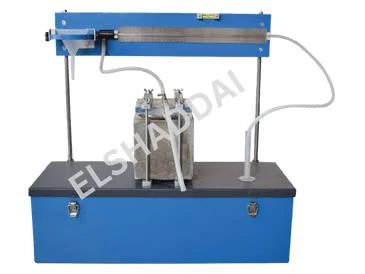
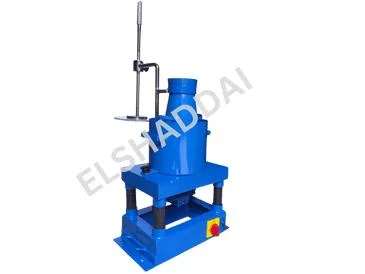
The Vee-Bee Consistometer represents an essential precision instrument designed specifically for evaluating the workability and consistency characteristics of freshly mixed concrete. This sophisticated testing apparatus operates by measuring the time required for concrete to transform from its initial slump cone configuration to a fully compacted state under controlled vibration conditions. Manufactured with a transparent cylindrical container, precisely calibrated vibrating table, and standardized slump cone components, the device delivers accurate, repeatable test results that comply with IS: 1199 and other international concrete testing standards. Its robust construction ensures reliable performance in diverse testing environments while maintaining measurement consistency across multiple testing cycles.

Across the construction and civil engineering industries, the Vee-Bee Consistometer serves as a fundamental quality control tool for professionals working with concrete materials. Construction material testing laboratories utilize the instrument to verify concrete mix designs and ensure compliance with project specifications before large-scale concrete placement begins. Civil engineering firms and contractors employ the device directly on construction sites to monitor incoming concrete deliveries, assess workability for specific placement methods, and maintain quality assurance throughout infrastructure projects including bridges, high-rise buildings, dams, and pavement construction. Educational institutions incorporate the consistometer into their civil engineering curricula to provide students with practical experience in concrete testing methodologies.

The business value of implementing Vee-Bee Consistometer testing extends beyond simple compliance verification to deliver tangible operational benefits and risk mitigation. By providing quantitative data on concrete workability, the instrument enables construction professionals to optimize mix designs, reduce material waste, and prevent placement issues that could lead to costly rework or structural deficiencies. The reliability of this testing method stems from its standardized approach and durable construction, ensuring consistent performance even in demanding site conditions. Customization options allow organizations to tailor the equipment to their specific testing requirements, while the instrument's proven methodology builds confidence in concrete quality decisions across the project lifecycle from design through construction and quality verification.

Key Features:
- Transparent cylindrical container for clear observation of concrete behavior
- Precisely calibrated vibrating table with consistent frequency output
- Standardized slump cone for initial concrete sample preparation
- Robust steel frame construction for long-term durability
- Compliance with IS: 1199 and international concrete testing standards

Benefits:
- Accurate workability measurement for optimal concrete placement
- Reduced material waste through precise mix design verification
- Enhanced quality control across laboratory and field testing environments
- Prevention of construction defects and associated rework costs
- Standardized testing methodology for reliable, comparable results
Specifications
| Additional Information | |
|---|---|
| Country of Origin | 106 |
| Customisable | No |
Application
The Vee-Bee Consistometer serves as a critical quality assurance instrument for concrete testing across multiple environments. Its primary function involves measuring the workability and consistency of fresh concrete mixtures through standardized Vee Bee time measurements, providing quantitative data that directly correlates to concrete performance and placement characteristics in real-world applications.

This testing apparatus finds extensive utilization in both controlled laboratory settings and active construction sites, enabling consistent quality monitoring throughout project lifecycles. Construction material laboratories, civil engineering firms, and educational institutions rely on its accurate measurements to verify concrete mix designs, ensure compliance with international standards, and maintain quality control protocols across diverse concrete applications. Real-world applications:
Real-world applications:
- Quality control testing for ready-mix concrete plants to verify batch consistency
- Construction site concrete testing for compliance with project specifications
- Research and development in material science laboratories for new concrete formulations
- Educational training in civil engineering programs for hands-on concrete testing
- Infrastructure project monitoring for bridges, dams, and high-rise buildings
Trade Details
| Available Stock | In stock |
| Sample Availability | No |
Payment Terms
| Payment Terms |
|
Shipping & Logistics
| Shipping Internationally | No | |
| Methods | -- | |
| IncoTerms | -- | |
| Port of Dispatch | Chennai | |
| Packaging Type | -- | |
| Units per Package | -- | |
| Barcode / HSN / GTIN / UPC | -- | |
| Dispatch Lead time | -- |
Company Profile

Elshaddai Engineering Equipments, Tamil Nadu Tamil Nadu, India
Tamil Nadu, IndiaIndustrial Equipment & Machinery•ManufacturerImporter / Exporter
Factory Details
Factory SizeBelow 1000 sqm
Concrete Testing Vee Bee Consistometer For Workability And Consistency
Vee-Bee Consistometer measures concrete workability and consistency through Vee Bee time testing. Essential for construction quality control, laboratory analysis, and field testing applications across civil engineering projects.
Min. Order Quantity: 1 Unit
Shipping
Shipping fee and delivery date to be negotiated. Contact supplier now for more details.
Elshaddai Engineering Equipments
 Tamil Nadu, India
Tamil Nadu, IndiaIndustrial Equipment & MachineryManufacturer