IN
IN₹
Apparel & Fashion
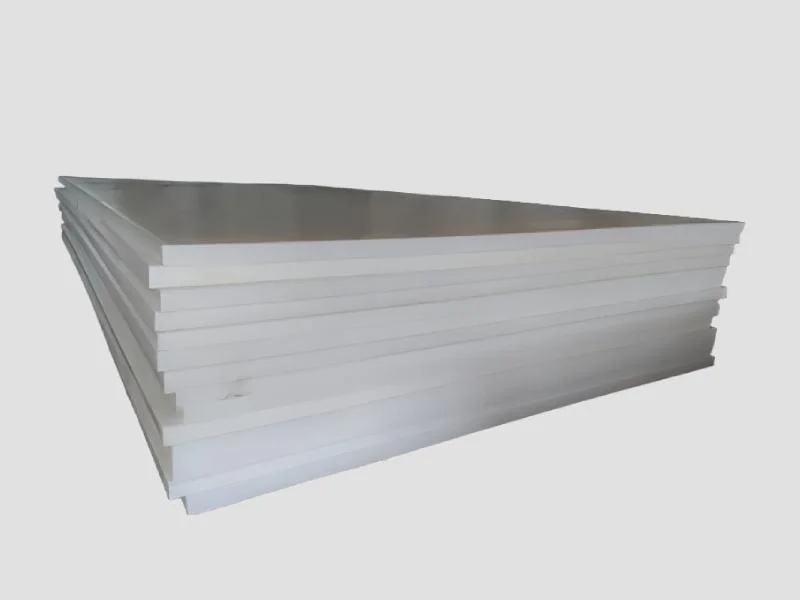
Description
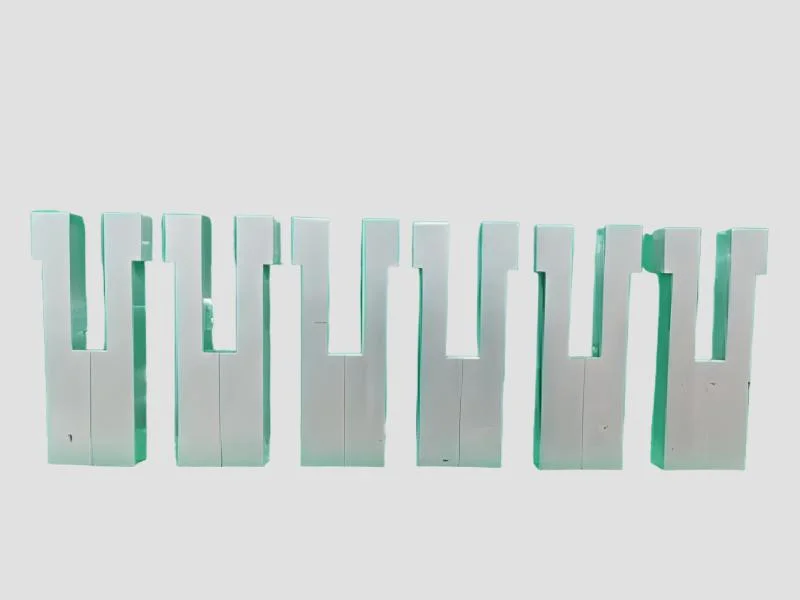
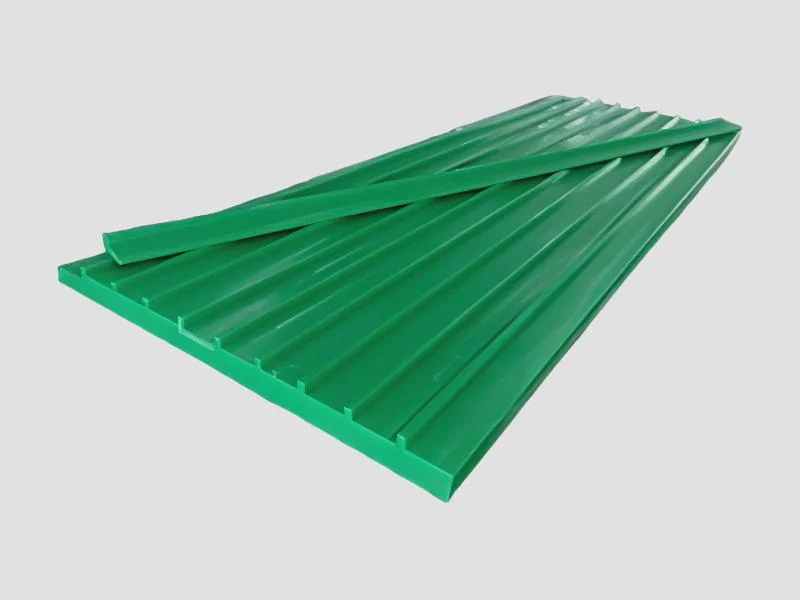
Our UHMWPE (Ultra-High Molecular Weight Polyethylene) sheets represent a premium grade of engineering plastic, designed to outperform conventional materials in the most challenging applications. Available in green, white, and black, these solid sheets are characterized by an exceptional strength-to-weight ratio, outstanding abrasion resistance—reportedly up to 15 times that of carbon steel—and an extremely low coefficient of friction. A key differentiator is their complete resistance to water absorption, ensuring dimensional stability and performance integrity in wet or humid environments. With a standard thickness range from 10 mm to 60 mm and a thermal profile that includes a melting point of 132°C, they maintain toughness and impact strength even at cryogenic temperatures, making them a uniquely reliable material choice.

These sheets are indispensable across a wide spectrum of heavy-duty and precision industries. In material handling and logistics, they are used to line conveyor sy...
Our UHMWPE (Ultra-High Molecular Weight Polyethylene) sheets represent a premium grade of engineering plastic, designed to outperform conventional materials in the most challenging applications. Available in green, white, and black, these solid sheets are characterized by an exceptional strength-to-weight ratio, outstanding abrasion resistance—reportedly up to 15 times that of carbon steel—and an extremely low coefficient of friction. A key differentiator is their complete resistance to water absorption, ensuring dimensional stability and performance integrity in wet or humid environments. With a standard thickness range from 10 mm to 60 mm and a thermal profile that includes a melting point of 132°C, they maintain toughness and impact strength even at cryogenic temperatures, making them a uniquely reliable material choice.

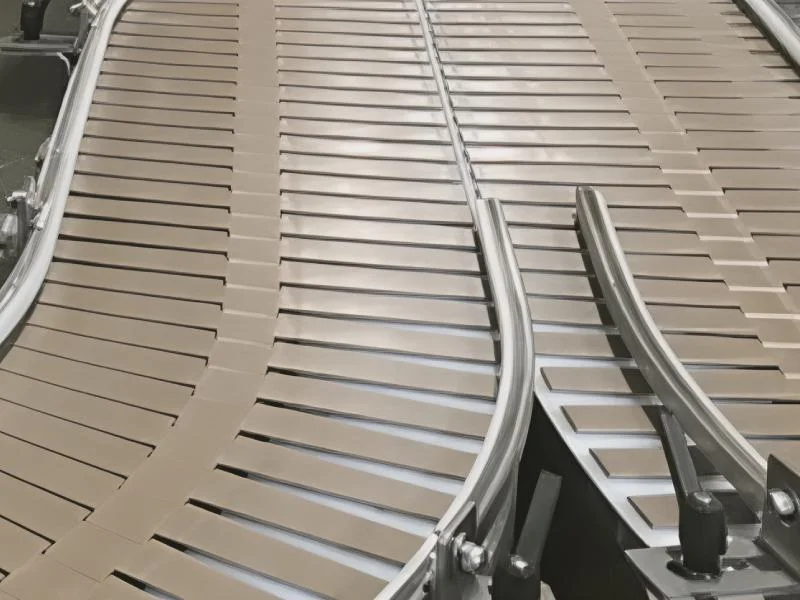
These sheets are indispensable across a wide spectrum of heavy-duty and precision industries. In material handling and logistics, they are used to line conveyor systems, hoppers, and packaging machinery to prevent wear and reduce energy consumption. The food and beverage sector utilizes them for sanitary cutting surfaces, guide rails, and processing components because they are non-toxic, odorless, and easy to sanitize. Marine and offshore applications benefit from their corrosion resistance for dock fenders and boat components, while the mining and agricultural industries employ them as wear plates and liners in highly abrasive environments. Their electrical insulation properties and chemical resistance also make them suitable for components in the chemical processing and electrical industries.

Investing in these UHMWPE sheets delivers direct business value through enhanced operational efficiency and significant cost savings. Their superior wear life drastically reduces the frequency of part replacement, minimizing maintenance shutdowns and associated labor costs. The self-lubricating nature of the material eliminates or reduces the need for external lubricants, lowering material costs and preventing contamination in sensitive processes like food production. Their reliability translates into fewer production interruptions due to equipment failure, ensuring consistent output. Furthermore, their ease of machining allows for quick fabrication and customization on-site, providing flexibility and reducing lead times for new components. This combination of durability, performance, and low total cost of ownership makes them a smart, long-term investment for any operation focused on reliability and productivity.

Key Features:
- Exceptional abrasion and impact resistance, offering a service life significantly longer than steel and other plastics in high-wear scenarios.
- Extremely low coefficient of friction for self-lubricating, non-stick performance that reduces drive power and prevents material adhesion.
- Zero water absorption ensures no swelling, warping, or loss of mechanical properties in wet or submerged applications.
- High chemical resistance to a wide range of acids, alkalis, and solvents, maintaining integrity in corrosive industrial environments.
- Excellent performance across a wide temperature range, retaining toughness and impact strength from cryogenic levels up to a melting point of 132°C.

Benefits:
- Drastically reduces maintenance costs and production downtime by extending the lifespan of wear parts and components.
- Improves operational efficiency by minimizing friction, which can lower energy consumption in conveyor and material handling systems.
- Ensures product purity and safety in food-grade and sanitary applications due to non-toxic, non-contaminating properties.
- Provides a lightweight yet strong alternative to metal, easing installation and reducing structural load without sacrificing durability.
- Delivers consistent, reliable performance in harsh conditions, leading to predictable operations and reduced risk of unexpected equipment failure.
Specifications
| Key Attributes | |
|---|---|
| Minimum Order Quantity | 10 Kg, White, Black |
| Thickness | 10 mm to 60 mm, UHMWPE |
| Thermal Conductivity / Melting Point | 132°C, Solid Sheet |
| Arc Resistance | 132°C |
| Water Absorption | No |
| Colors Available | Green |
| Additional Information | |
|---|---|
| Country of Origin | India |
Application
These UHMWPE sheets are engineered for demanding environments where material failure is not an option. Their unique combination of high strength, minimal friction, and complete moisture resistance makes them a go-to solution for replacing traditional metals and other plastics that wear out quickly or corrode. Industries rely on them to reduce maintenance downtime and increase the lifespan of critical equipment components.
The material's inherent properties address common industrial pain points like sticking, jamming, and rapid wear. With a melting point of 132°C and excellent performance in sub-zero conditions, these sheets provide consistent reliability across temperature extremes. This versatility, coupled with availability in standard colors for coding or low-visibility needs, allows for seamless integration into existing operational workflows and safety protocols.
- Lining chutes, hoppers, and silos in mining and bulk material handling to prevent material buildup and ensure smooth flow.
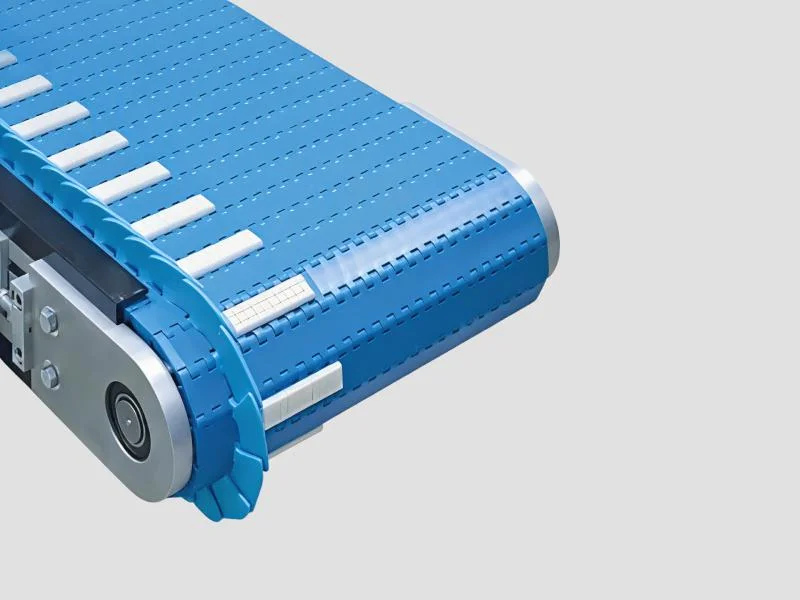
- Fabricating wear strips, guide rails, and chain guides for conveyor systems to reduce friction and extend belt life.
- Creating cutting boards, work surfaces, and machine parts in food processing plants due to non-toxic, FDA-compliant, and easy-to-clean properties.
- Manufacturing bushings, bearings, and sliding components in machinery where self-lubrication reduces the need for external grease or oil.
- Serving as impact-resistant liners for truck beds, marine docks, and chemical processing equipment where durability and corrosion resistance are critical.
Trade Details
| Available Stock | In Stock |
| Sample Availability | No |
Payment Terms
| Payment Terms |
|
Company Profile

Unique Plast, Tamil Nadu
 Tamil Nadu, India
Tamil Nadu, India16 yrs
Manufacturer
Turn Over
₹25 Lakhs – ₹1 Crore
Factory Details
Factory Size1000-5000 sqm
UHMWPE Sheets Green White Black 10 60mm Thickness Industrial Food Grade
UHMWPE sheets in green, white, and black offer superior abrasion resistance, high impact strength, and zero water absorption for industrial, food-grade, and low-temperature applications. Available in thicknesses from 10mm to 60mm.
Min. Order Quantity: 1
Shipping
Shipping fee and delivery date to be negotiated. Contact supplier now for more details.
Unique Plast Tamil Nadu, India
Tamil Nadu, IndiaManufacturer