IN
IN₹
Apparel & Fashion
Loading subcategories...
View More
Description
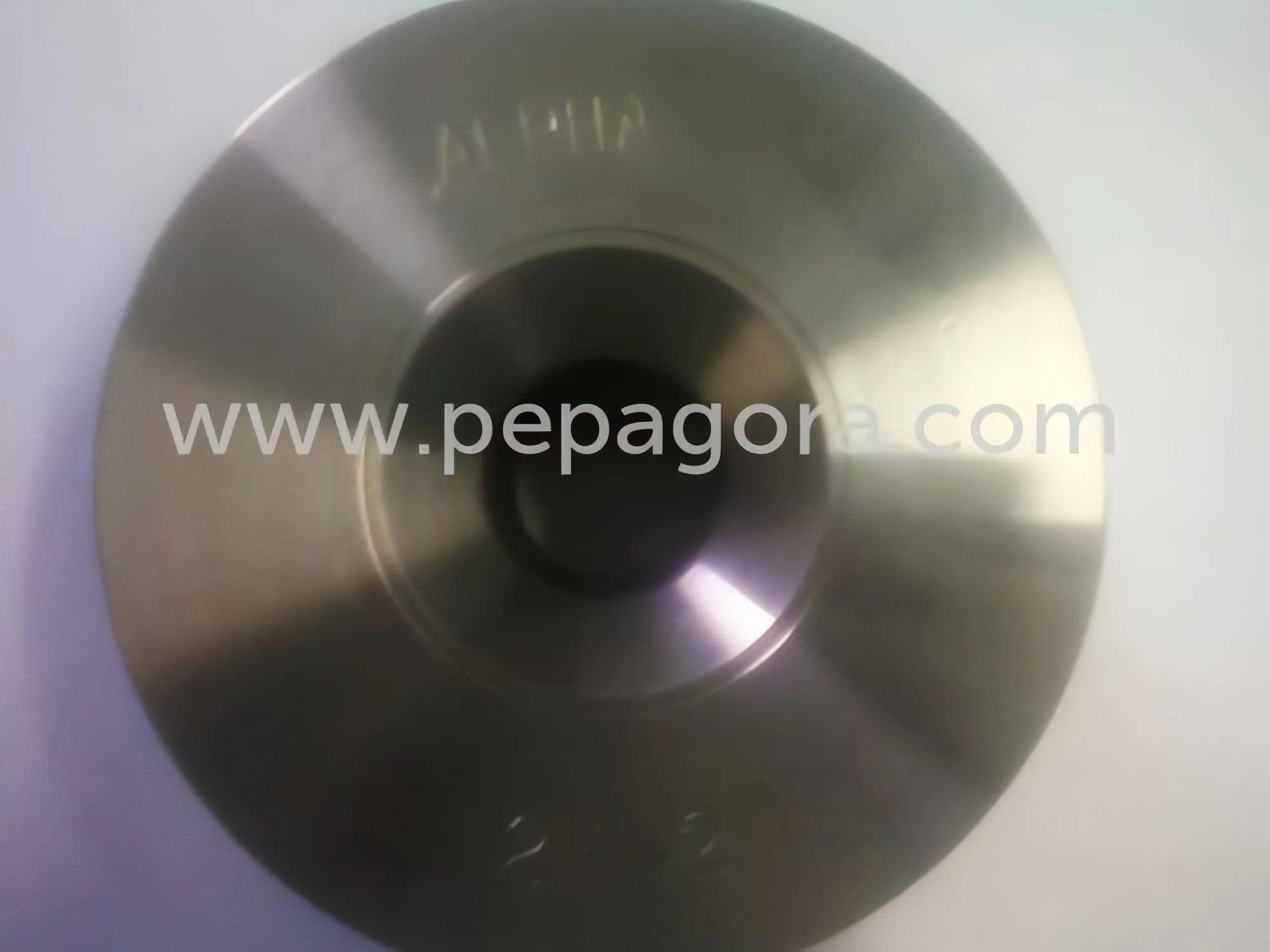
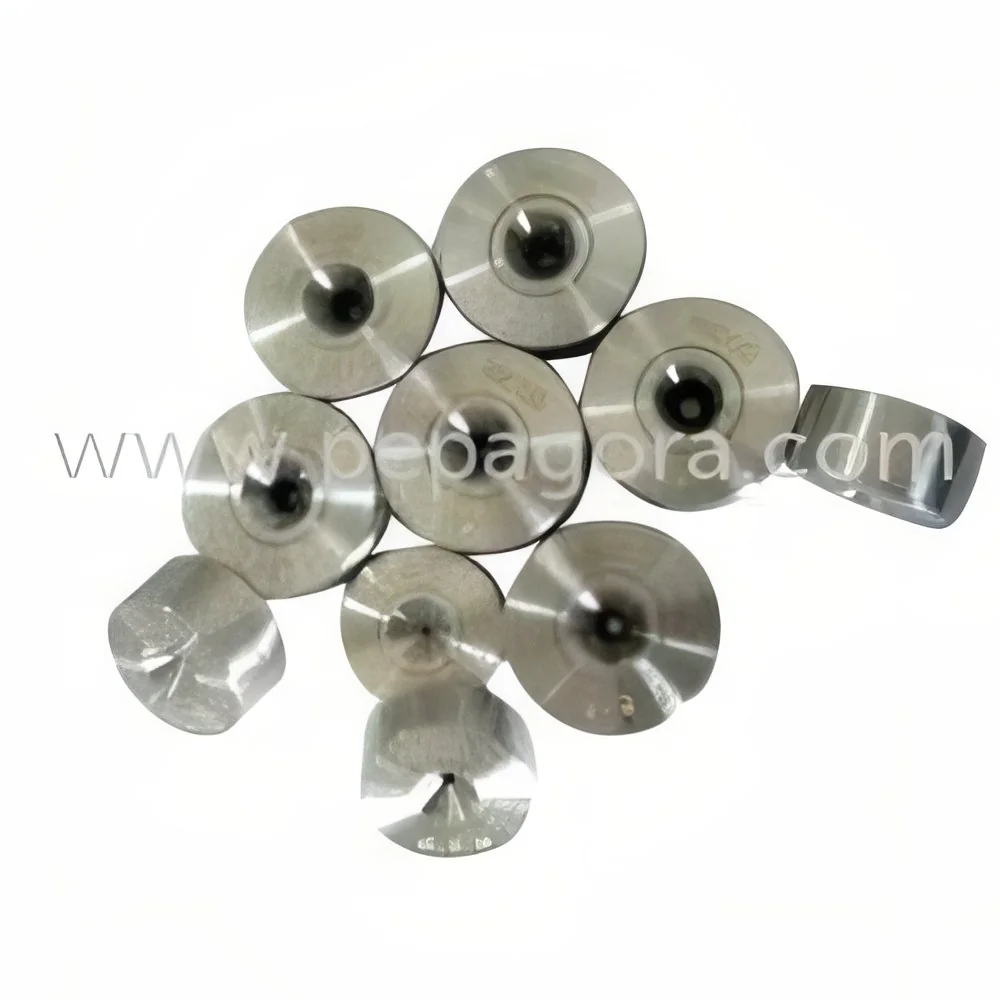
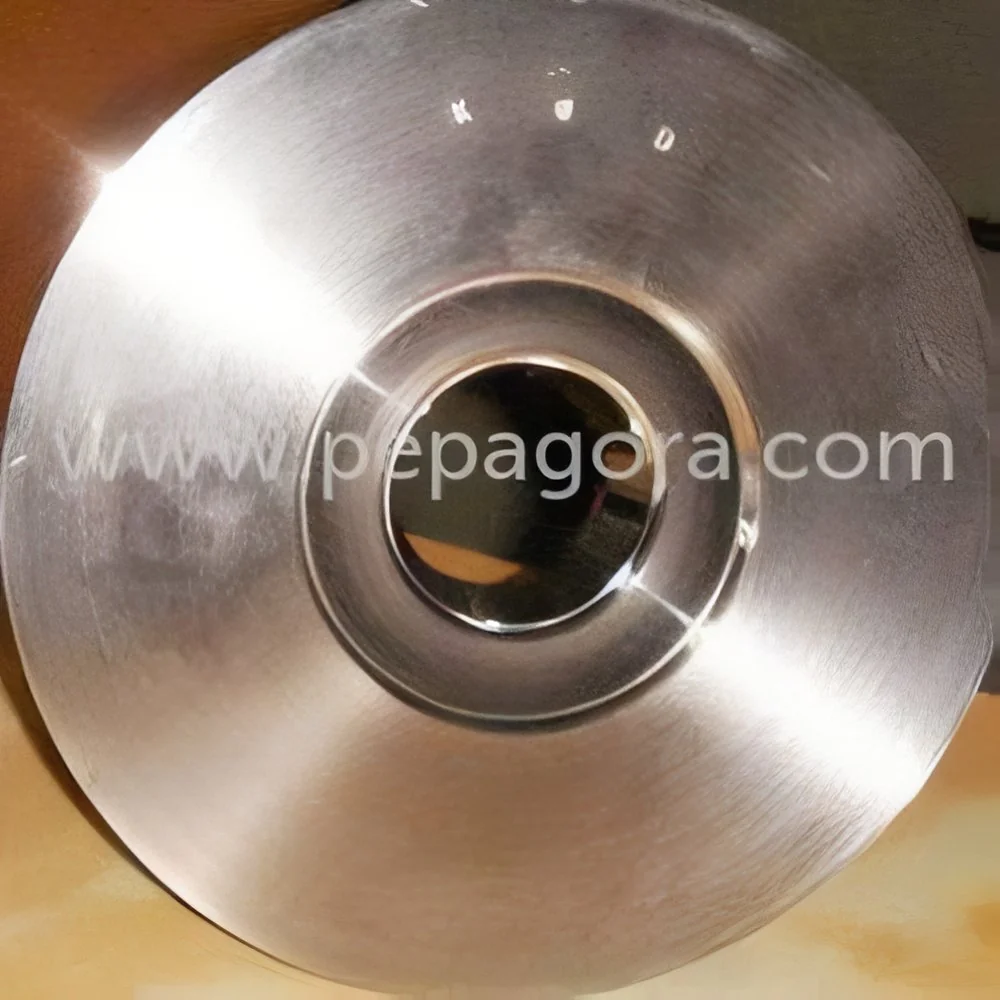
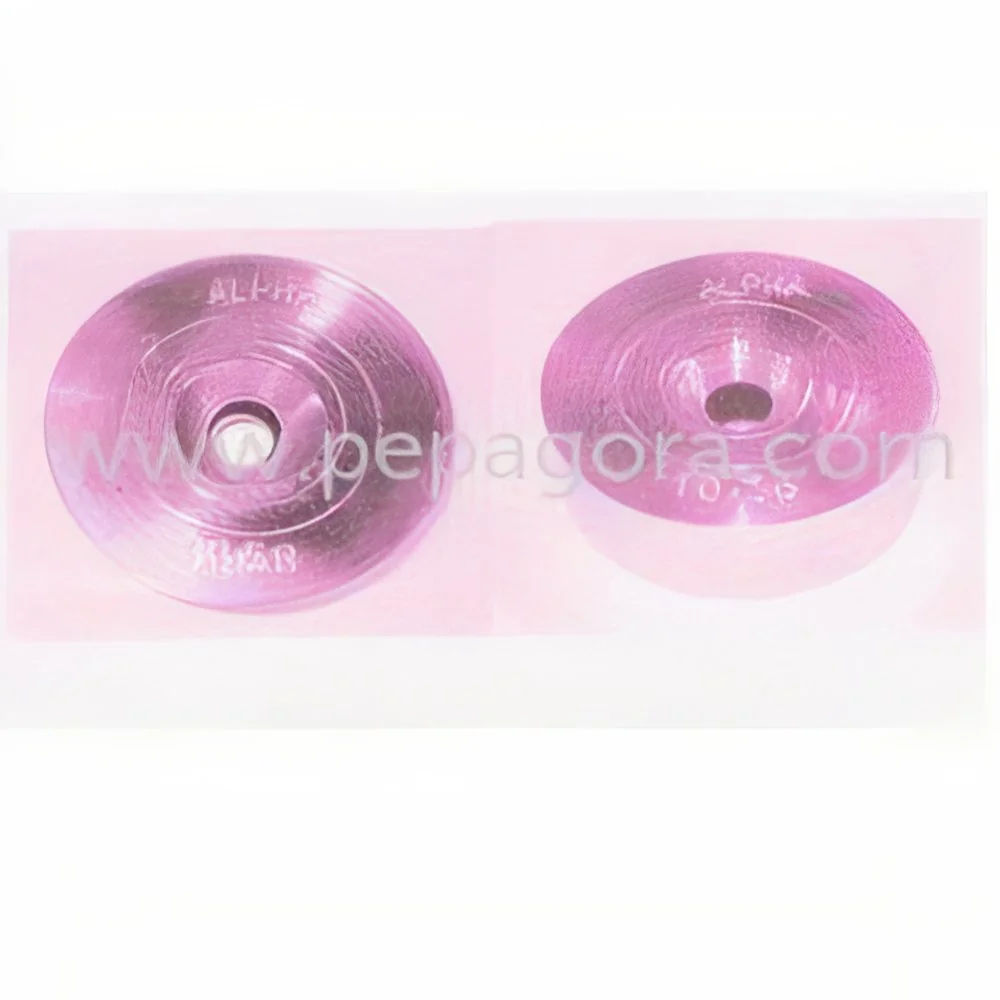
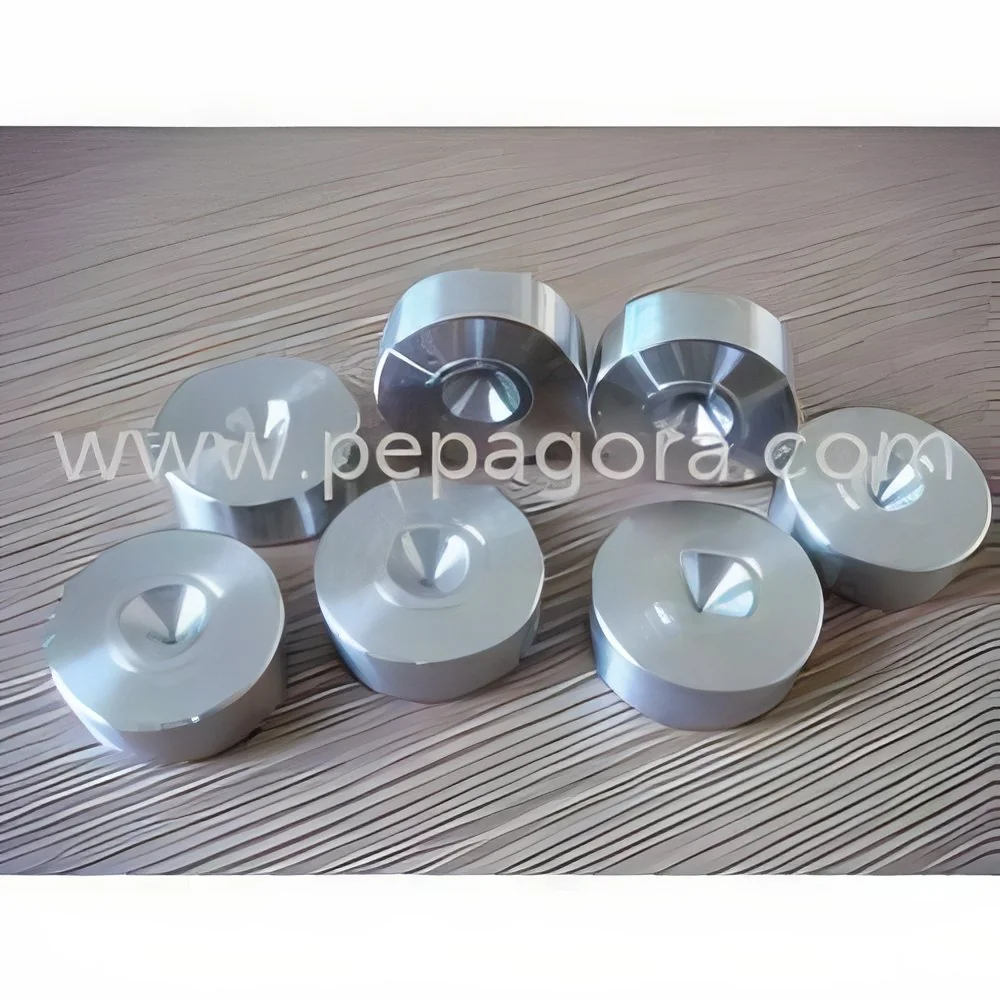
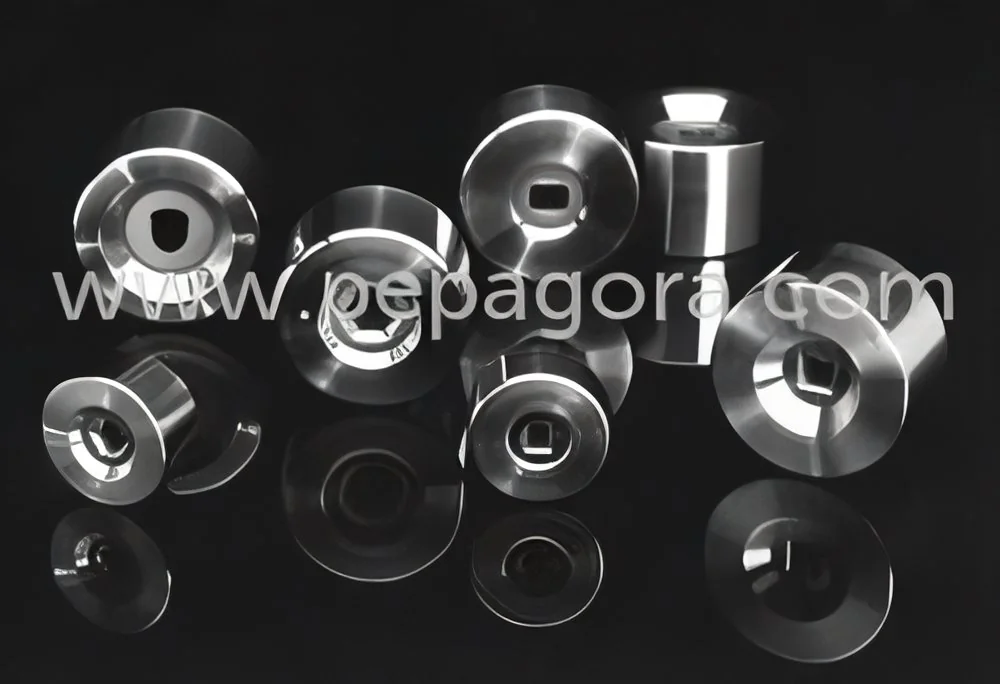
Premium trapezoidal wire drawing dies represent precision engineering excellence developed through advanced manufacturing processes in India. These specialized tools transform round wires into trapezoidal profiles through controlled deformation, creating conductors with optimized geometric properties. The unique trapezoidal shape enables wires to nest together perfectly when stranded, eliminating empty spaces between conductors and creating denser cable structures. This manufacturing advantage translates directly to improved performance characteristics in final products, including enhanced mechanical strength and better electrical properties. The dies maintain consistent dimensional accuracy throughout production runs, ensuring every meter of wire meets exact specifications. Manufacturers benefit from reduced material costs while achieving superior product quality that meets international standards. Our trapezoidal dies support various metal types including copper, aluminum, and specia...
Premium trapezoidal wire drawing dies represent precision engineering excellence developed through advanced manufacturing processes in India. These specialized tools transform round wires into trapezoidal profiles through controlled deformation, creating conductors with optimized geometric properties. The unique trapezoidal shape enables wires to nest together perfectly when stranded, eliminating empty spaces between conductors and creating denser cable structures. This manufacturing advantage translates directly to improved performance characteristics in final products, including enhanced mechanical strength and better electrical properties. The dies maintain consistent dimensional accuracy throughout production runs, ensuring every meter of wire meets exact specifications. Manufacturers benefit from reduced material costs while achieving superior product quality that meets international standards. Our trapezoidal dies support various metal types including copper, aluminum, and specialized alloys for different application requirements. The robust construction ensures longevity even under high-volume production conditions, making them valuable long-term investments for wire manufacturers.

These drawing dies find extensive application across multiple industries where cable performance is critical. The electrical industry utilizes them for manufacturing overhead power transmission conductors that require stable structures and predictable performance under varying environmental conditions. Telecommunications companies depend on trapezoidal wires for creating compact fiber optic cables and communication lines where space optimization is crucial. Automotive manufacturers incorporate these specially shaped wires in advanced wiring harnesses that must fit within increasingly constrained vehicle architectures. Industrial equipment producers use trapezoidal conductors in motor windings and transformer applications where maximum copper fill factor directly impacts efficiency. The construction sector benefits from these dies through improved building wires that offer better current carrying capacity within standard conduit sizes. Each industry leverages the trapezoidal advantage to solve specific challenges related to space, performance, or regulatory compliance.

The business value of trapezoidal wire drawing dies extends beyond immediate production improvements to long-term operational advantages. Manufacturers achieve significant cost savings through reduced material usage while maintaining or enhancing product performance specifications. The higher compacting ratio directly translates to less raw material consumption per meter of finished cable, creating substantial savings in high-volume production environments. Reliability is built into every die through precision machining and quality control processes that ensure consistent performance across production batches. The robust construction minimizes downtime between maintenance cycles, maximizing production throughput and operational efficiency. These differentiators combine to create compelling return on investment for businesses investing in trapezoidal wire drawing technology. The consistent performance and durability ensure manufacturers can depend on these dies for continuous production without compromising on quality or efficiency.

Key Features:
- Precision-engineered trapezoidal profile for optimal wire shaping
- High-grade materials ensuring extended operational lifespan
- Consistent dimensional accuracy across production batches
- Robust construction suitable for high-volume manufacturing
- Compatible with various metals including copper and aluminum

Benefits:
- Higher compacting ratio reducing material costs significantly
- Stable cable structure enhancing product reliability
- Improved space utilization in final applications
- Consistent performance across production runs
- Enhanced production efficiency and throughput
Specifications
| Additional Information | |
|---|---|
| Country of Origin | 106 |
| Customisable | No |
Application
Trapezoidal wire drawing dies are precision tools that shape wires into exact trapezoidal profiles, enabling tighter packing and improved structural integrity in cable manufacturing. These dies ensure uniform cross-sections and optimal material usage while maintaining electrical and mechanical properties across diverse industrial applications. Their reliability supports high-volume production environments where consistency and precision are critical for quality outcomes. The technology facilitates both standard and specialized wire configurations, making them versatile solutions for modern manufacturing requirements while reducing material waste and enhancing throughput.
Manufacturers depend on trapezoidal dies for creating durable overhead conductors and compact cables that withstand demanding operational conditions. The unique geometry allows wires to nest perfectly when stranded, eliminating empty spaces and creating denser cable structures. This advantage translates to better performance characteristics including enhanced mechanical strength and improved electrical properties. Industries trust these dies for batch-after-batch consistency, ensuring product reliability from start to finish. Proper implementation leads to significant production efficiencies and cost savings while meeting international quality standards.
- Overhead power line conductors requiring stable gap maintenance
- Compact electrical cables for urban infrastructure projects
- Automotive wiring harnesses with space-constrained installations
- Industrial motor windings needing precise conductor packing
- Telecommunications cables demanding consistent signal transmission
Trade Details
| Available Stock | In Stock |
| Sample Availability | No |
Payment Terms
| Payment Terms |
|
Company Profile
Alpha Dies, New Delhi
 New Delhi, India
New Delhi, IndiaTools & Hardware•Manufacturer•Distributor / Wholesaler•Importer / Exporter
Factory Details
Factory SizeBelow 1000 sqm
Annual Production Capacity0
Premium Trapezoidal Wire Drawing Dies For Cable Manufacturing
Premium trapezoidal wire drawing dies from India deliver superior cable manufacturing with higher compacting ratios and stable conductor structures for enhanced production efficiency and consistent performance.
Min. Order Quantity: 1 piece
Shipping
Shipping fee and delivery date to be negotiated. Contact supplier now for more details.
Alpha Dies
 New Delhi, India
New Delhi, IndiaTools & HardwareManufacturer