IN
IN₹
Apparel & Fashion
Description
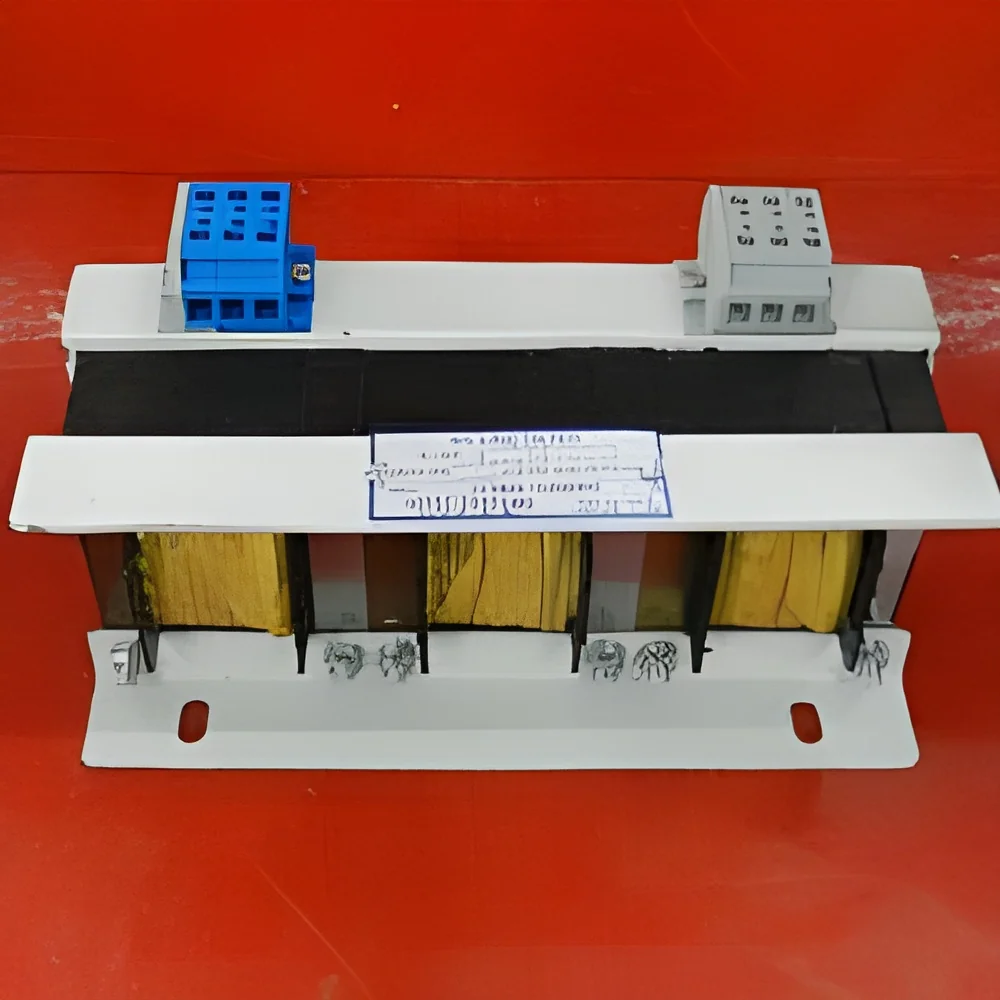
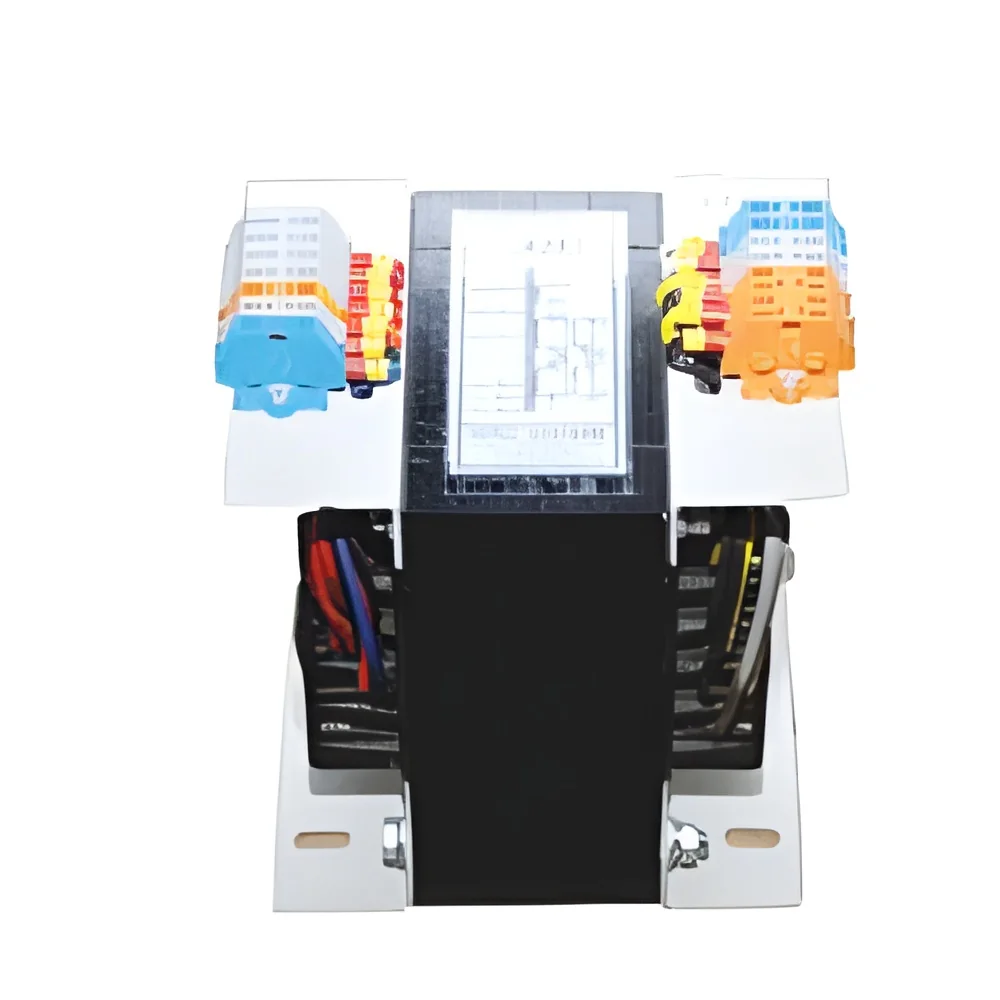
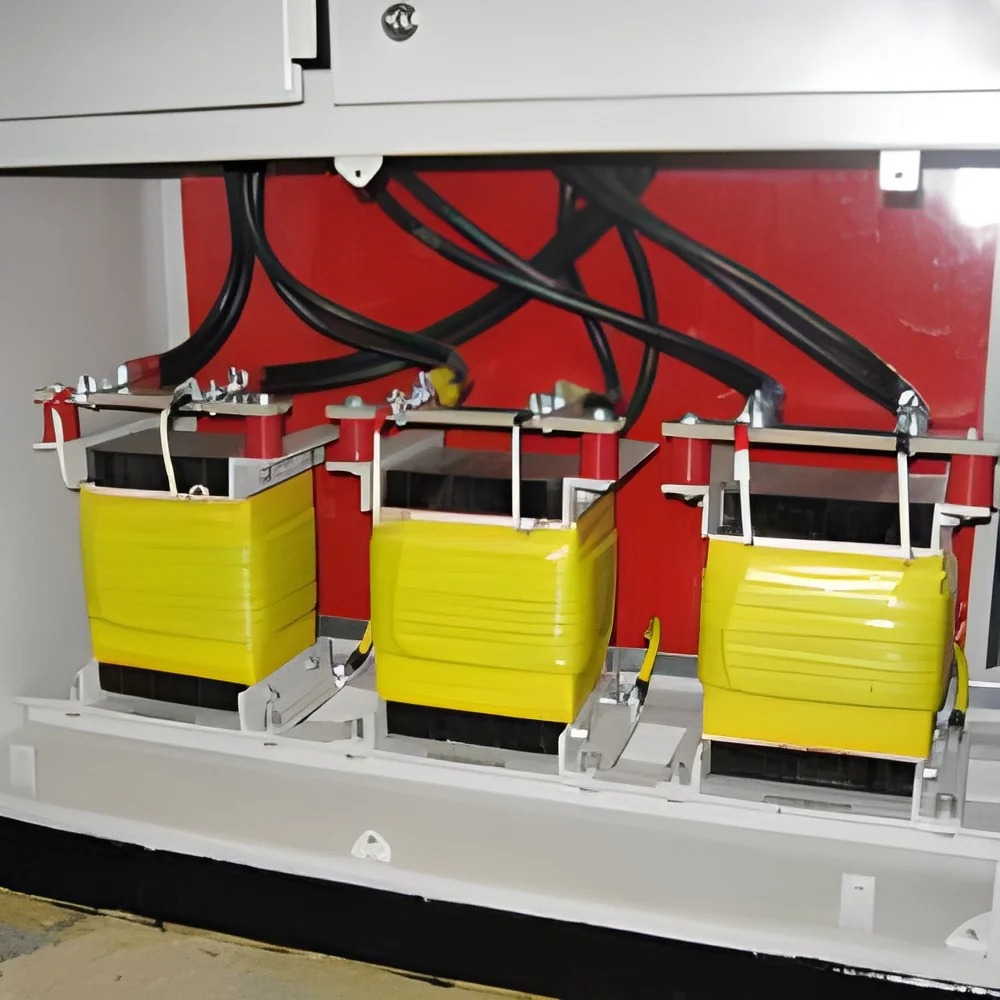
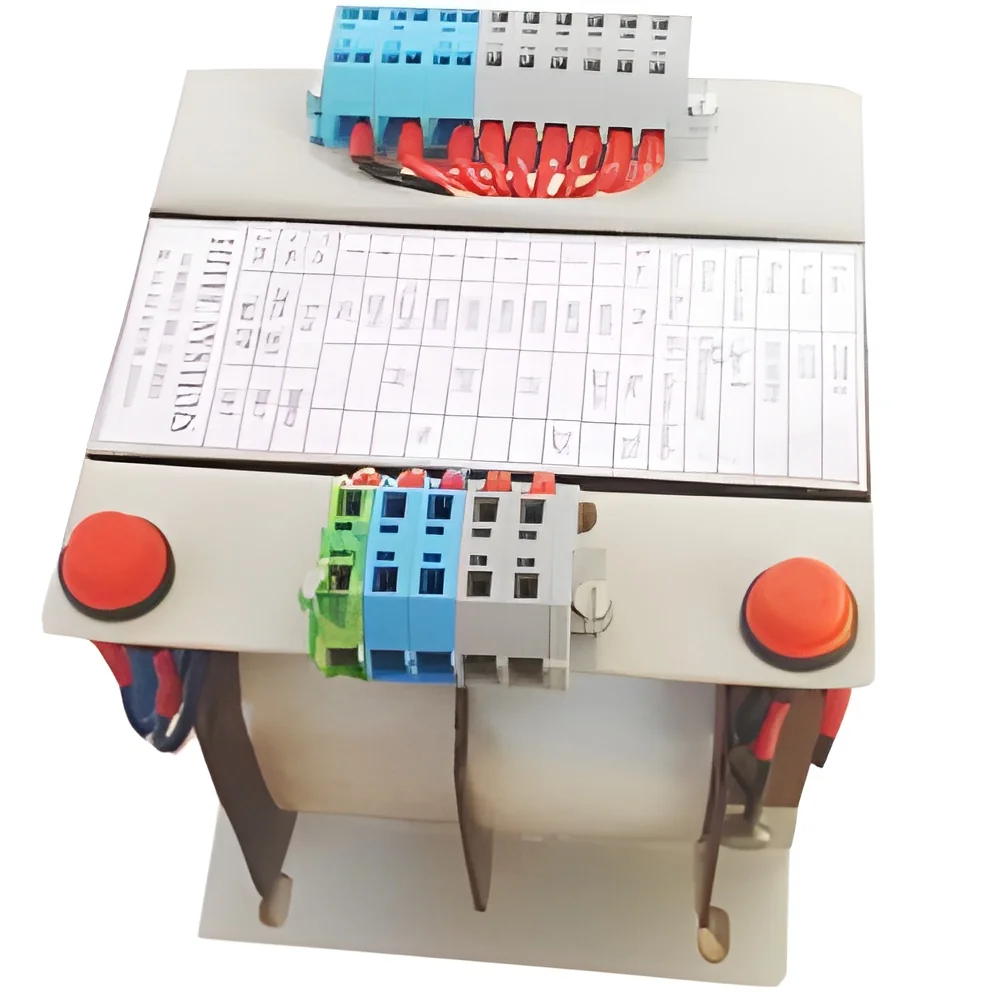
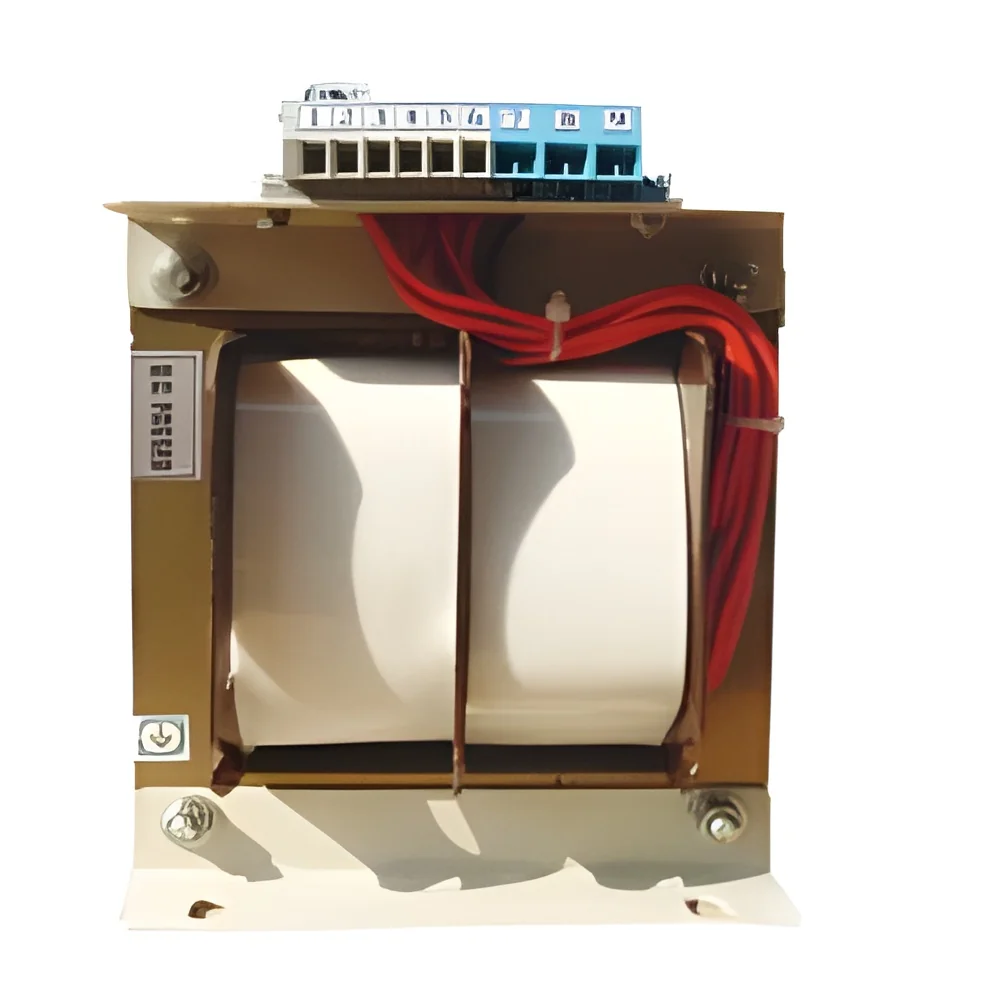
The Industrial Three Phase Potential Transformer is a precision instrument specifically designed for accurate and reliable voltage measurement in three-phase electrical power systems. It operates by stepping down high primary line-to-line voltages to standardized, lower secondary voltages—typically 110V or 120V—that are safe for connection to meters, relays, and monitoring devices. Engineered with durability in mind, its construction is suitable for demanding environments, offering reliable performance whether installed indoors within electrical panels or outdoors in substations. All connection terminals are designed for accessibility, facilitating straightforward installation, maintenance, and verification. This transformer acts as a crucial and reliable link, ensuring that high-voltage system conditions are accurately and safely represented for control and protection purposes.

These transformers are indispensable components in a wide array of industries where electrical system integ...
The Industrial Three Phase Potential Transformer is a precision instrument specifically designed for accurate and reliable voltage measurement in three-phase electrical power systems. It operates by stepping down high primary line-to-line voltages to standardized, lower secondary voltages—typically 110V or 120V—that are safe for connection to meters, relays, and monitoring devices. Engineered with durability in mind, its construction is suitable for demanding environments, offering reliable performance whether installed indoors within electrical panels or outdoors in substations. All connection terminals are designed for accessibility, facilitating straightforward installation, maintenance, and verification. This transformer acts as a crucial and reliable link, ensuring that high-voltage system conditions are accurately and safely represented for control and protection purposes.

These transformers are indispensable components in a wide array of industries where electrical system integrity, safety, and efficiency are non-negotiable. In the power generation and transmission sector, they are fundamental for grid monitoring, revenue metering at interconnection points, and enabling protective relay schemes in substations. Manufacturing and heavy industry facilities integrate them into their electrical infrastructure for precise machine protection, load monitoring, and energy consumption analysis to optimize operational costs. Large commercial complexes, data centers, and institutional buildings utilize them for accurate utility submetering and to safeguard critical loads. Furthermore, they are essential in infrastructure projects like water treatment plants, transportation networks, and renewable energy installations (solar farms, wind parks) where stable and reliable voltage measurement is key to system performance and safety.

The business value delivered by this Three Phase Potential Transformer stems from its direct contribution to operational reliability, safety, and cost management. By providing accurate voltage signals, it ensures the precision of energy metering, which is fundamental for correct billing, consumption tracking, and identifying efficiency opportunities. Its robust and reliable design minimizes unexpected failures, reduces maintenance interventions, and extends the service life of the measurement chain, leading to lower total cost of ownership. The transformer enhances overall system safety by reliably isolating high-voltage circuits from low-voltage monitoring equipment, protecting both personnel and sensitive devices. Its design for accessibility simplifies troubleshooting and routine checks, saving valuable time for maintenance teams. Ultimately, investing in this high-quality component mitigates risk, supports regulatory compliance for metering and protection, and provides the dependable data foundation needed for informed energy management decisions.

Key Features:
- Precision-engineered for accurate line-to-line voltage measurement in three-phase AC systems
- Constructed for versatile installation in both indoor electrical rooms and outdoor substation environments
- Features a robust and durable build quality to ensure longevity in industrial operating conditions
- Designed with all primary and secondary terminals readily accessible for installation and maintenance
- Provides reliable performance with consistent accuracy for integration with meters and protective relays

Benefits:
- Delivers highly accurate voltage measurement for reliable energy metering and system monitoring
- Offers installation flexibility, reducing complexity for projects with mixed indoor/outdoor requirements
- Ensures long-term durability and reduced maintenance needs through robust industrial construction
- Simplifies system commissioning and upkeep with easily accessible connection points
- Enhances overall electrical system safety and protection scheme reliability
Specifications
| Additional Information | |
|---|---|
| Country of Origin | India |
Application
The Three Phase Potential Transformer is engineered for precise voltage transformation in three-phase electrical networks, stepping down high voltages to safe, measurable levels for instrumentation. Its robust design ensures reliable operation in diverse environments, from controlled indoor switchgear rooms to exposed outdoor substations, maintaining accuracy for metering and protection systems under varying conditions.
These transformers serve critical functions across industries where voltage monitoring directly impacts operational safety and efficiency. They provide the essential interface between high-voltage power lines and sensitive monitoring equipment, enabling accurate energy measurement, system protection, and power quality analysis. Their construction prioritizes long-term reliability and ease of integration with existing industrial control and energy management infrastructures.
- Accurate voltage measurement for energy metering in industrial power distribution panels
- Providing isolated voltage signals to protective relays in electrical substations for fault detection
- Enabling power quality monitoring and analysis in manufacturing and processing facilities
- Integrating with building management systems for large commercial and institutional energy monitoring
- Supporting grid automation and SCADA systems in utility and renewable energy generation sites
Trade Details
| Available Stock | In Stock |
| Sample Availability | No |
Payment Terms
| Payment Terms |
|
Company Profile

Hitec Systems, Tamil Nadu
 Tamil Nadu, India
Tamil Nadu, IndiaElectronics & Electrical•Manufacturer
Factory Details
Factory SizeBelow 1000 sqm
Annual Production Capacity0
Main Markets
North America
Northern Europe
South America
Southern Europe
Eastern Europe
Eastern Asia
South Asia
Southeast Asia
Western Europe
Africa
Central America
Domestic
Industrial Three Phase Potential Transformer For Voltage Measurement
Industrial Three Phase Potential Transformer provides accurate voltage measurement for line-to-line connections in power systems. Designed for reliable indoor and outdoor installations in industrial energy management applications.
Min. Order Quantity: 1 unit
Shipping
Shipping fee and delivery date to be negotiated. Contact supplier now for more details.
Hitec Systems
 Tamil Nadu, India
Tamil Nadu, IndiaElectronics & ElectricalManufacturer